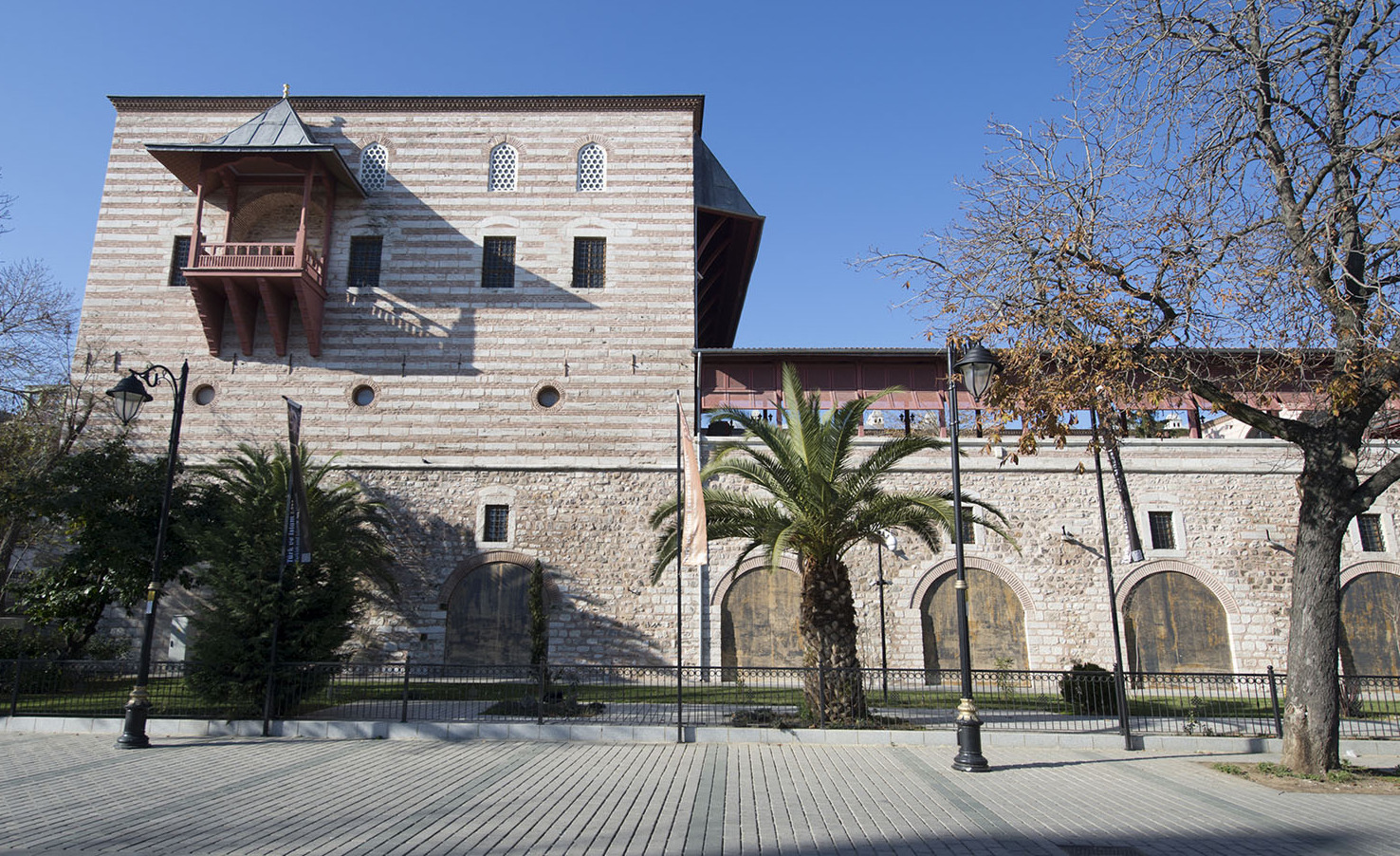
The Turkish and Islamic Arts Museum, located in the historic Sultanahmet district of Istanbul, houses an extensive collection of Ottoman, Seljuk, and Islamic art spanning several centuries. The museum is situated in the former palace of Pargalı Ibrahim Pasha, built in the 16th century, and showcases carpets, calligraphy, manuscripts, woodwork, and ceramics. The collection highlights the artistic and cultural achievements of Islamic societies in Anatolia and surrounding regions. The building itself retains architectural features of classical Ottoman design, offering visitors both an educational and historical experience in a central urban context.
Key Facts
- Materials
- Stone, Brick, Wood, Tile
- Civilization
- Ottoman
- Accessibility
- Wheelchair accessible with ramps and elevators
- Notable Feature
- Extensive collection of carpets, manuscripts, and Islamic art
- Date(s)
- 16th century CE
- Condition
- Museum; well-preserved
- Original Function
- Palace of Pargalı Ibrahim Pasha
- Key Figures
- Pargalı Ibrahim Pasha, Ottoman sultans
- Architectural Style
- Classical Ottoman palace
Original Palace and Ottoman Context
16th centuryThe building originally served as the palace of Grand Vizier Pargalı Ibrahim Pasha, constructed as part of the Ottoman imperial architectural program. It incorporated traditional Ottoman design elements suitable for an elite residence.
Conversion to Museum
1914–20th centuryThe palace was converted into the Turkish and Islamic Arts Museum in the early 20th century, preserving its architectural integrity while creating exhibition spaces for Islamic art collections.
Collections and Exhibitions
20th–21st centuryThe museum holds over 40,000 artifacts, including carpets, calligraphy, ceramics, woodwork, and manuscripts, representing diverse periods and regions of Islamic art. Rotating exhibitions and educational programs expand public engagement with the collections.
Cultural Significance
The Turkish and Islamic Arts Museum preserves and interprets the artistic heritage of Islamic societies in Anatolia and surrounding regions. It demonstrates the integration of Ottoman palace architecture and cultural production, serving both scholarly and public audiences interested in history, art, and Islamic civilization.
Interpretive Notes
Scholarly debates and areas of uncertainty
Some debates surround the dating and provenance of certain manuscripts and carpets. Scholars also discuss the original layout and functions of palace rooms before conversion, which affects interpretation of display strategies and visitor understanding.
Visiting Information
Entry Rules
Open daily 9:00–17:00. Tickets required for entry. Special exhibitions may have separate admission.
Best Times to Visit
Weekdays early morning provide quieter viewing conditions. Avoid weekends for large school groups. Ramadan and Islamic holidays may affect visitor numbers.
Photography
Photography for personal use is allowed; tripods and flash require museum permission.
Preservation Notes
Follow museum guidelines for artifact protection. Do not touch exhibits. Accessibility ramps and elevators are available.
Nearby POIs
11 shownSources & Further Reading
- [1]Ottoman Art and Architecture — Gülru Necipoğlu. Princeton University Press (2005)
- [2]Islamic Art in Turkey — Esin Atil. British Museum Press (1980)
- [3]The Turkish and Islamic Arts Museum Guide — Istanbul Directorate of Museums. Official Publication (2020)
Key Facts
- Materials
- Stone, Brick, Wood, Tile
- Civilization
- Ottoman
- Accessibility
- Wheelchair accessible with ramps and elevators
- Notable Feature
- Extensive collection of carpets, manuscripts, and Islamic art
- Date(s)
- 16th century CE
- Condition
- Museum; well-preserved
- Original Function
- Palace of Pargalı Ibrahim Pasha
- Key Figures
- Pargalı Ibrahim Pasha, Ottoman sultans
- Architectural Style
- Classical Ottoman palace