Landmark Wiki
Search and browse curated guides for cultural landmarks, cities, and countries. Each page includes historical context, key facts, and practical visiting information researched by the Vestigia team.
Looking for long-form stories? Visit our travel editorials or explore landmarks on the interactive map.
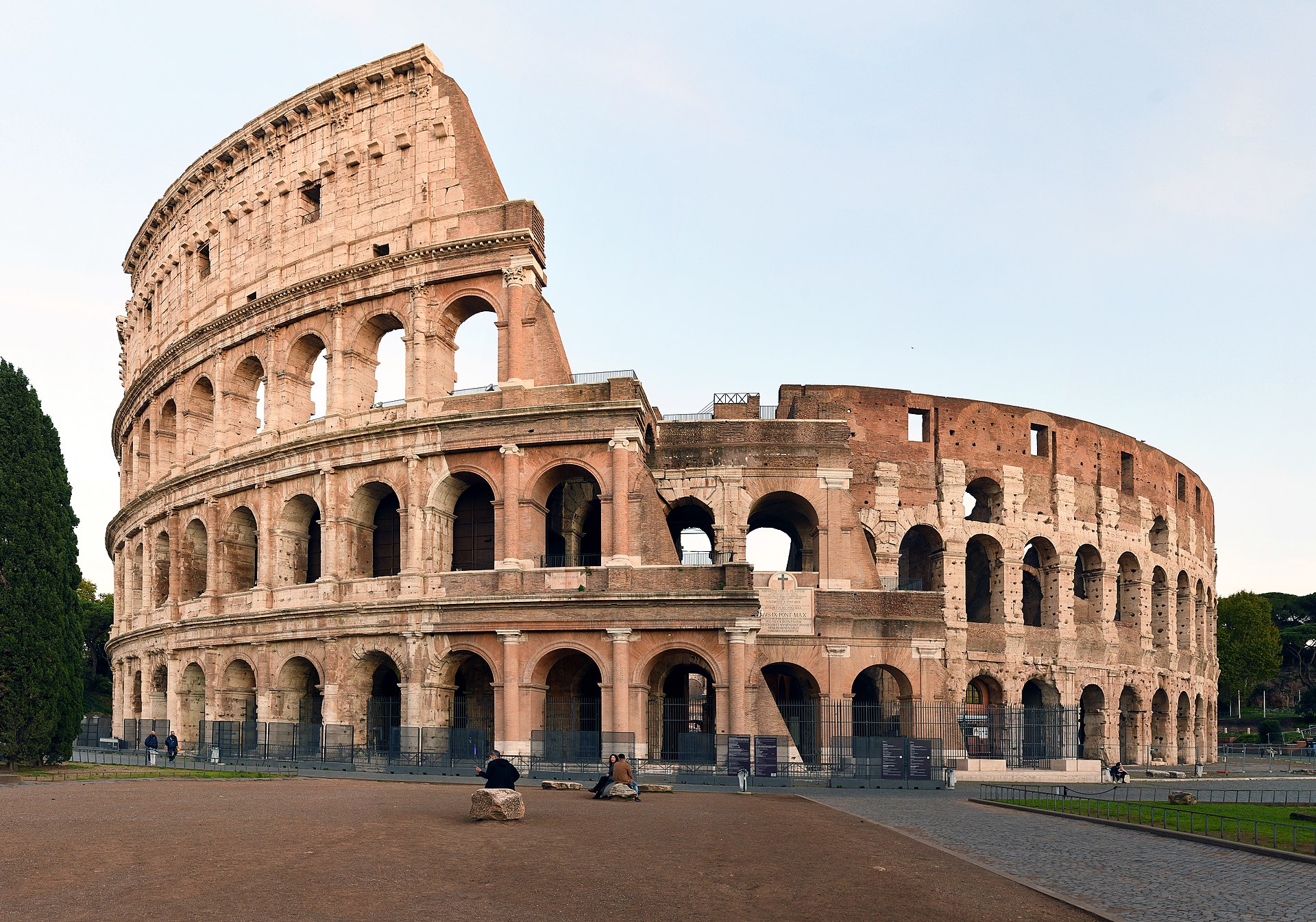
Colosseum
UNESCOPOI
Rome, Italy
The Colosseum, originally known as the Flavian Amphitheatre, was constructed between 72 and 80 CE under the emperors Vespasian and Titus. Located east of the Roman Forum, it was built on the site of Nero’s former lake as part of a broader Flavian program to reassert public authority after the Julio-Claudian dynasty. Designed to host large-scale spectacles, including gladiatorial contests, animal hunts, and staged executions, the amphitheatre could accommodate tens of thousands of spectators. Its structural system of concrete vaulting, travertine piers, and tiered seating exemplifies Roman engineering and the political function of mass entertainment in the imperial capital.
Italy
Country Wiki
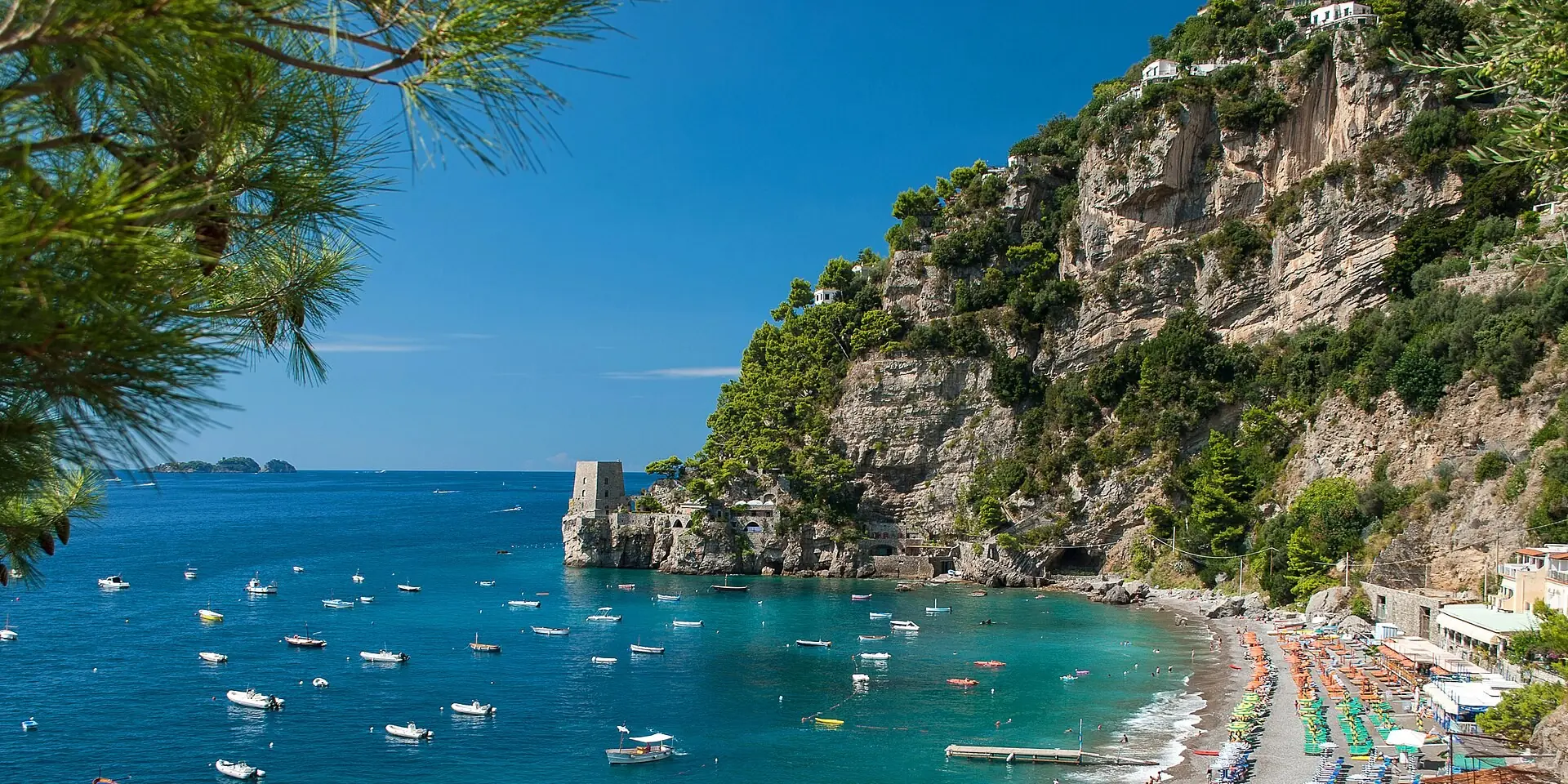
Italy is a Mediterranean nation in Southern Europe, renowned for its profound influence on Western culture, art, and history. From the remnants of the Roman Empire to the artistic achievements of the Renaissance, the…

Germany
Country Wiki
Germany, officially the Federal Republic of Germany, is a country in Central Europe known for its rich history, economic strength, and cultural influence. It shares borders with nine countries and has a diverse…
Poland
Country Wiki
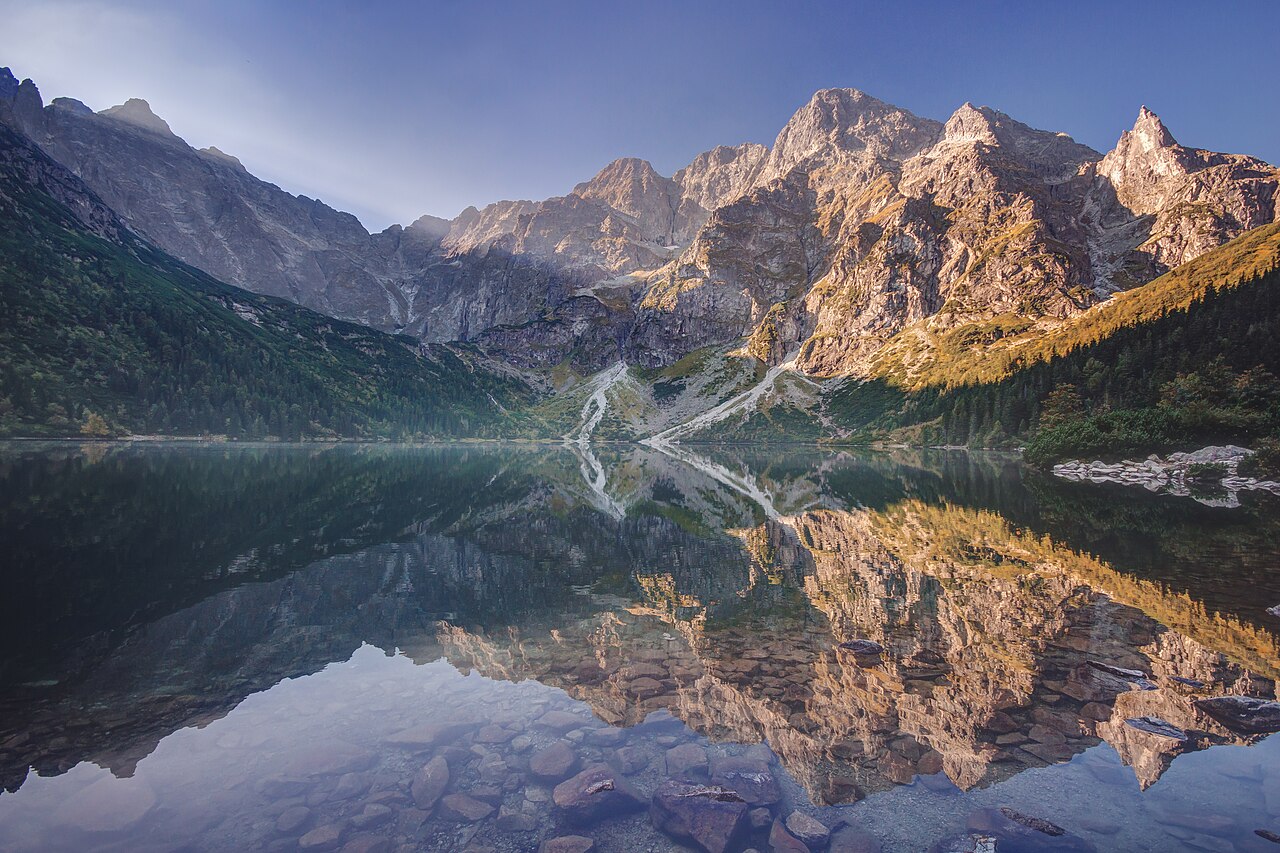
Poland is a Central European country situated between the Baltic Sea and the Carpathian Mountains. It has historically occupied a strategic position between Eastern and Western Europe, serving as both a crossroads of…
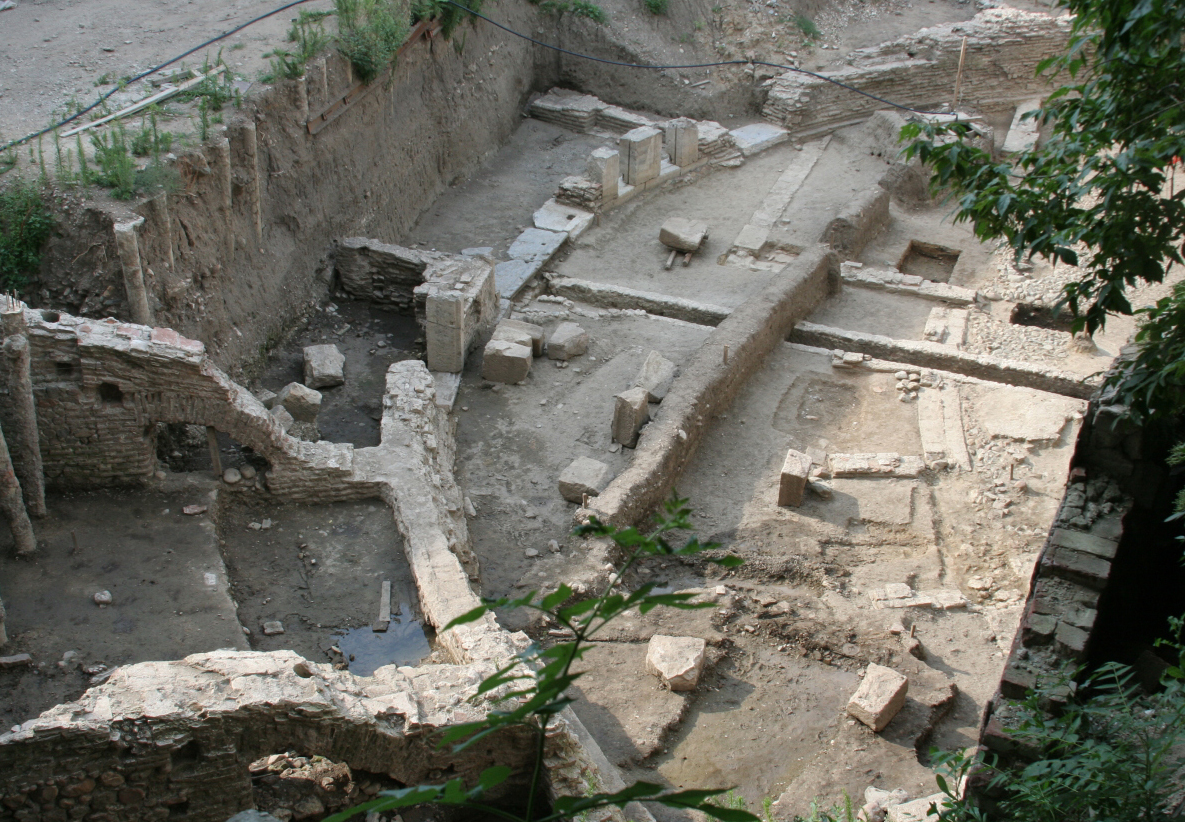
Amphitheatre of Serdica
POI
Sofia, Bulgaria
The Amphitheatre of Serdica is a Roman amphitheatre discovered beneath modern buildings in the historic center of Sofia, Bulgaria. Constructed during the Roman Imperial period, the structure formed part of the urban landscape of Serdica, an important administrative and military center of the province of Thrace. Archaeological evidence suggests the amphitheatre was built in the 3rd or early 4th century CE and was capable of hosting public spectacles such as gladiatorial contests and animal hunts. The remains of the amphitheatre were uncovered during construction work in 2004 near the Arena di Serdica Hotel. Portions of the structure, including seating tiers, arena walls, and underground passageways, have been preserved within the modern complex and integrated into a publicly accessible archaeological display. Although only part of the amphitheatre survives, it represents one of the most significant Roman public entertainment structures discovered in Bulgaria.

Bulgaria
Country Wiki
Bulgaria is a Balkan nation with a diverse landscape encompassing the Black Sea coastline, mountainous interior, and rivers such as the Danube. Its rich cultural heritage is a complex blend of Slavic, Greek, Ottoman,…
Saint Alexander Nevsky Cathedral
POI
Sofia, Bulgaria
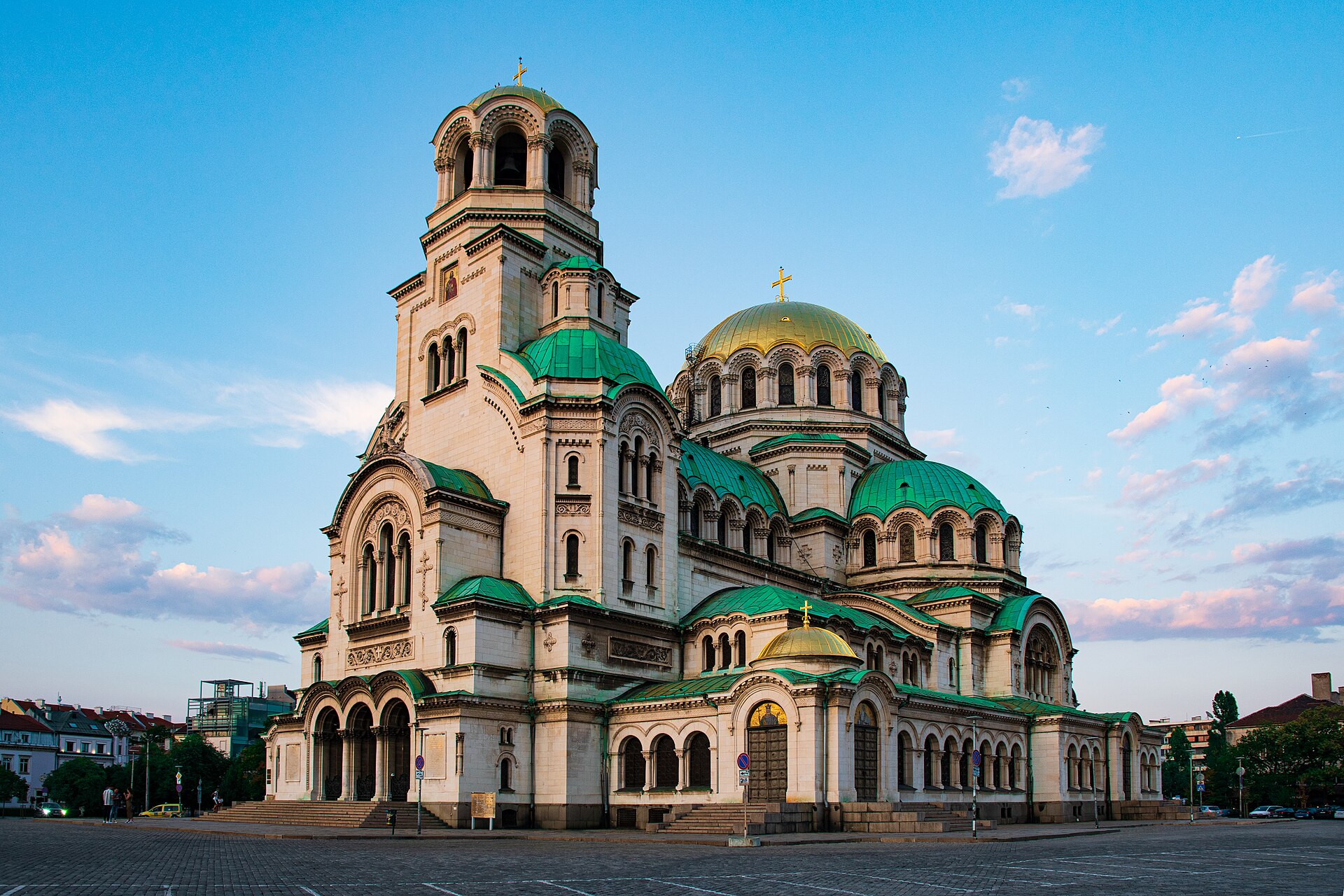
Saint Alexander Nevsky Cathedral is a Bulgarian Orthodox cathedral located in central Sofia, Bulgaria. Constructed between 1882 and 1912, it was built as a memorial to the Russian soldiers who died during the Russo-Turkish War of 1877–1878, which resulted in the liberation of Bulgaria from Ottoman rule. The cathedral is named after the medieval Russian prince and Orthodox saint Alexander Nevsky. The cathedral is one of the largest Eastern Orthodox churches in the world and a major landmark in Sofia. Designed in a Neo-Byzantine style, the building features a large central dome surrounded by smaller domes, richly decorated interiors, and extensive iconography. It serves as the principal cathedral of the Bulgarian Orthodox Church and continues to host major religious ceremonies and national commemorations.

Russia
Country Wiki
Russia is the world’s largest country, spanning Eastern Europe and northern Asia, and covering a vast range of climates, landscapes, and cultural regions. Its territory encompasses forests, tundra, mountains, and…
Rome
City Wiki
Italy
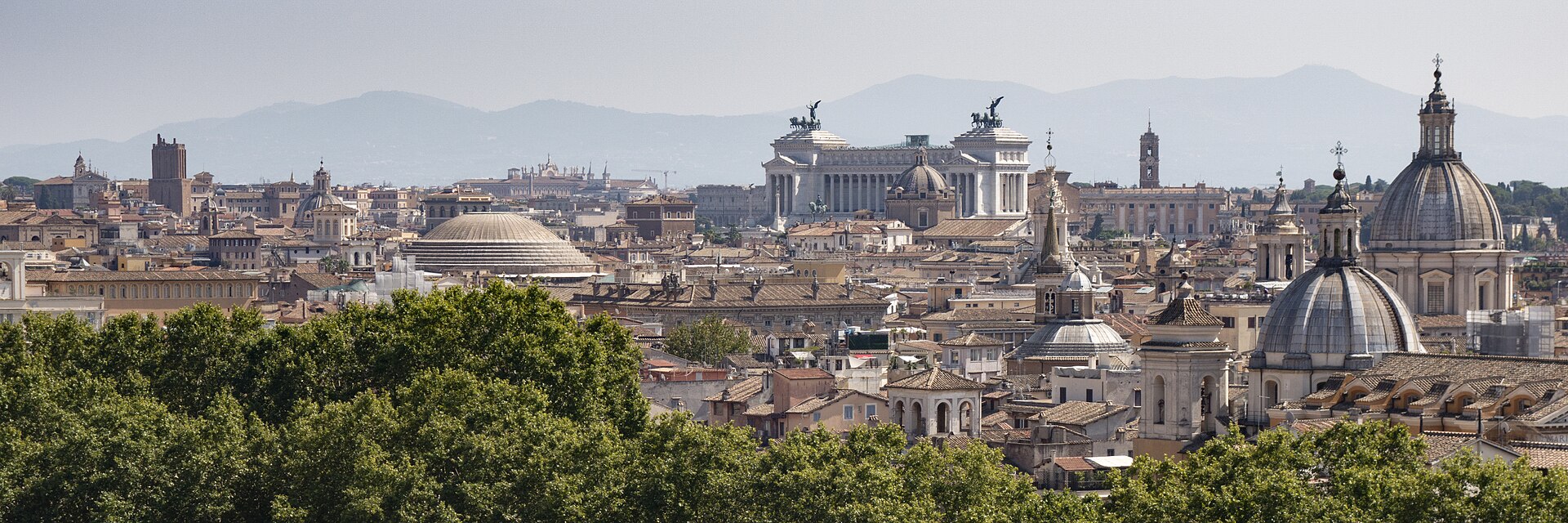
Rome, the capital of Italy, is a sprawling cosmopolitan city with nearly 3,000 years of globally influential art, architecture, and culture on display. Known as the 'Eternal City,' it serves as the heart of the Roman…
Page 1 of 256