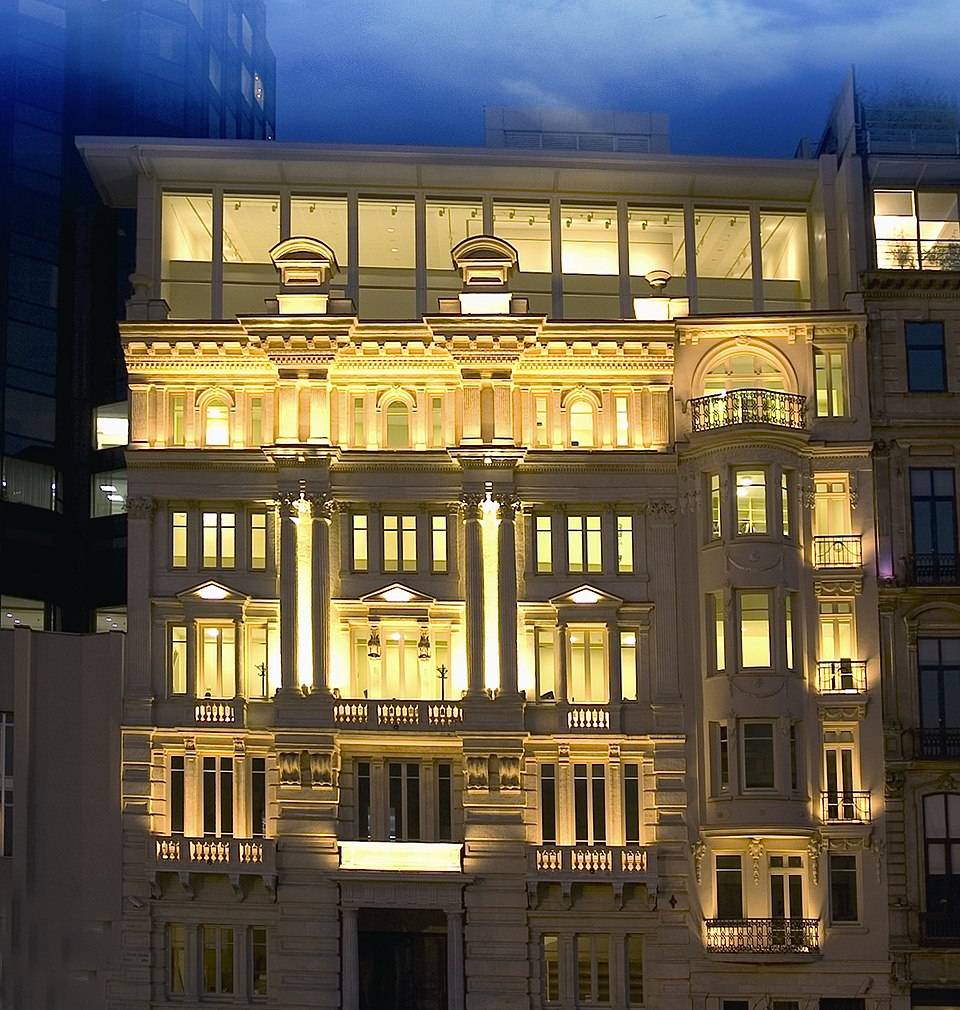
Pera Museum is a private art museum located in the Beyoğlu district of Istanbul. Established by the Suna and İnan Kıraç Foundation, the museum opened in 2005 in a restored 19th-century building that originally functioned as the Bristol Hotel. It houses permanent collections and temporary exhibitions focused on art, archaeology, and cultural history. The museum is particularly known for its Orientalist Painting Collection, Anatolian Weights and Measures Collection, and Kütahya Tiles and Ceramics Collection. Through rotating exhibitions and academic programming, Pera Museum contributes to contemporary cultural discourse while preserving material heritage from the Ottoman and earlier Anatolian contexts.
Key Facts
- Materials
- Stone, Brick, Iron structural elements
- Civilization
- Ottoman Empire / Republic of Turkey
- Accessibility
- Wheelchair accessible with elevators
- Date(s)
- Original building: 1893 CE; Museum opening: 2005 CE
- Condition
- Restored, active museum
- Original Function
- Hotel (Bristol Hotel)
- Key Figures
- Suna Kıraç, İnan Kıraç
The Bristol Hotel
1893-1980sThe building that now houses Pera Museum was constructed in 1893 as the Bristol Hotel. Located in the cosmopolitan Pera district of late Ottoman Istanbul, it served foreign travelers, diplomats, and merchants during a period of intense international exchange.
Restoration & Foundation Initiative
Early 2000sThe structure was acquired by the Suna and İnan Kıraç Foundation and underwent a comprehensive restoration. The façade was preserved while the interior was redesigned to meet modern museum standards, integrating exhibition galleries and climate control systems.
Opening & Cultural Role
2005-presentPera Museum opened to the public in 2005. It established permanent collections centered on Orientalist painting and Anatolian material culture, while also hosting international contemporary exhibitions. The museum regularly collaborates with global institutions and organizes academic lectures, film screenings, and educational programs.
Cultural Significance
Pera Museum occupies a building within the historic Pera district, historically associated with diplomatic, commercial, and cultural exchange between the Ottoman Empire and Europe. Its collections reflect this intercultural environment, particularly through Orientalist painting and material culture from Anatolia. The museum plays an important role in Istanbul’s contemporary art scene by facilitating dialogue between historical collections and modern artistic production. Through international partnerships and curated exhibitions, it contributes to broader discussions on representation, identity, and cultural memory.
Interpretive Notes
Scholarly debates and areas of uncertainty
Scholarly discussion surrounding the museum primarily focuses on its Orientalist Painting Collection. Debates engage with how 19th-century European artists represented the Ottoman world and how such works should be interpreted within contemporary postcolonial frameworks. The curatorial framing of these works continues to be examined in academic discourse.
Visiting Information
Entry Rules
Open Tuesday-Saturday 10:00-19:00, Sunday 12:00-18:00. Closed Mondays. Reduced admission on certain days; free entry during designated hours.
Best Times to Visit
Weekday mornings are typically less crowded. Special exhibitions may increase weekend attendance. Check ahead during major Istanbul cultural festivals.
Photography
Personal photography permitted in most areas without flash. Some temporary exhibitions may prohibit photography. Tripods and professional equipment require permission.
Preservation Notes
Do not touch artworks or display cases. Bags may be subject to inspection. Follow gallery staff instructions and posted exhibition rules.
Nearby POIs
11 shownSources & Further Reading
- [1]Pera Museum Official WebsiteView
- [2]Orientalism Revisited in Ottoman Art Collections — Edhem Eldem. Istanbul Research Institute (2012)
Key Facts
- Materials
- Stone, Brick, Iron structural elements
- Civilization
- Ottoman Empire / Republic of Turkey
- Accessibility
- Wheelchair accessible with elevators
- Date(s)
- Original building: 1893 CE; Museum opening: 2005 CE
- Condition
- Restored, active museum
- Original Function
- Hotel (Bristol Hotel)
- Key Figures
- Suna Kıraç, İnan Kıraç