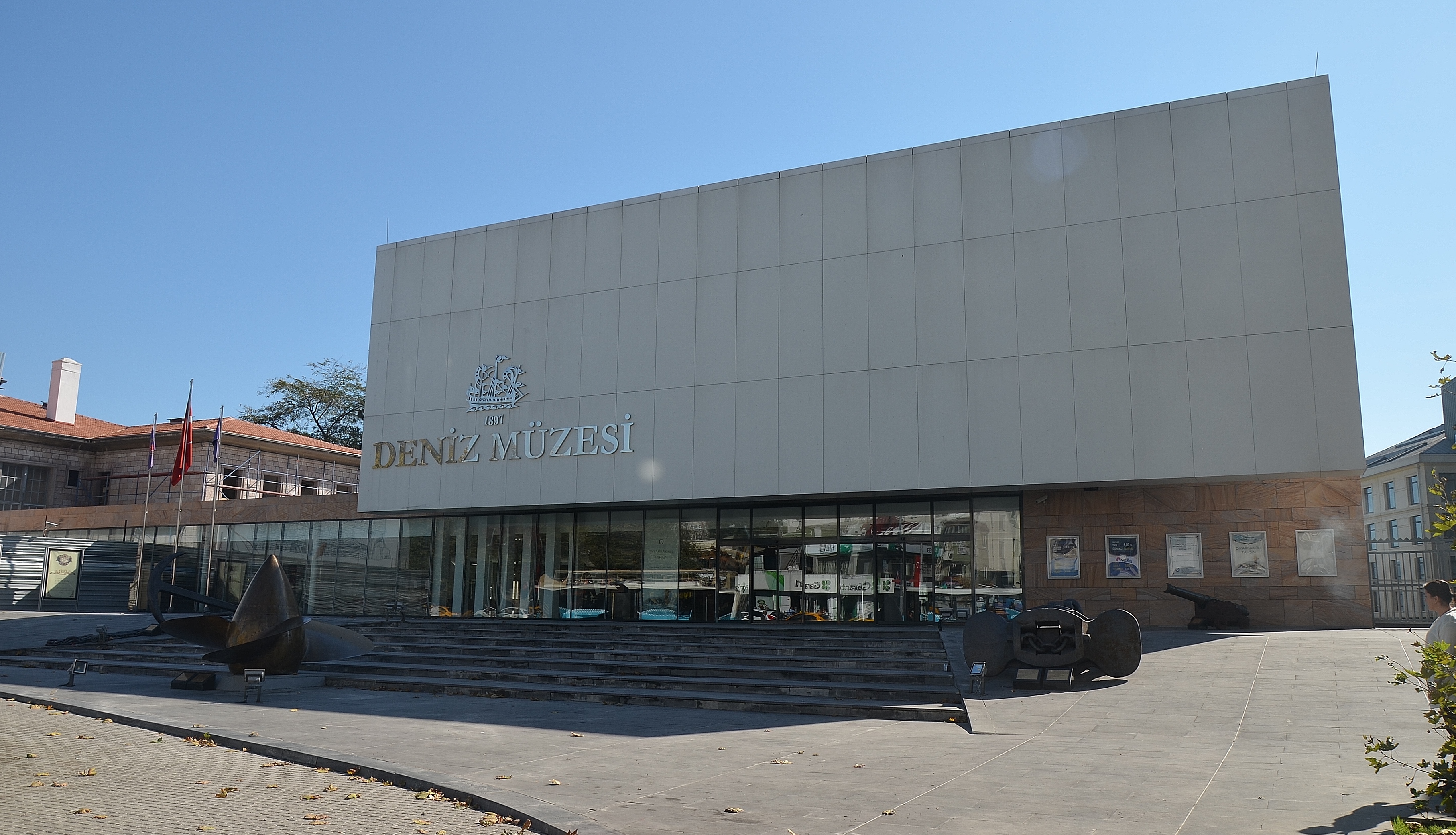
The Istanbul Naval Museum, located in the Beşiktaş district, is the primary institution dedicated to the maritime history of the Ottoman Empire and the Turkish Republic. Established in 1897 by the Minister of the Navy, Hasan Hüsnü Pasha, the museum houses an extensive collection of artifacts that trace the evolution of Turkish naval power from the medieval period through the 20th century.
The museum's collection is particularly noted for its display of imperial caiques—ornate, hand-carved rowing boats used by Ottoman sultans—which are housed in a dedicated hall. The facility also features a vast array of naval uniforms, ship models, navigational instruments, and historical maps, providing a comprehensive overview of the strategic and cultural importance of the Bosphorus and the surrounding seas to the Ottoman state.
Key Facts
- Materials
- Concrete, Steel, Glass
- Civilization
- Ottoman / Turkish
- Accessibility
- Fully wheelchair accessible
- Date(s)
- 1897
- Condition
- Well-preserved, modern facility
- Original Function
- Naval museum and archive
- Key Figures
- Hasan Hüsnü Pasha
Foundation and Early Years
1897The museum was founded by Hasan Hüsnü Pasha in the Tersane-i Amire (Imperial Shipyard) in Kasımpaşa. It served as a repository for naval artifacts and historical documents related to the Ottoman fleet.
Relocation and Expansion
1961Following the reorganization of the Turkish naval archives and collections, the museum was moved to its current location in Beşiktaş, allowing for a larger exhibition space to accommodate the growing collection of imperial caiques.
Modernization
2013The museum underwent a major renovation and expansion, resulting in the current modern facility. This project improved climate control for delicate artifacts and created a more accessible layout for the public.
Cultural Significance
The museum serves as a vital link to Turkey's maritime heritage, emphasizing the role of the navy in the expansion and defense of the Ottoman Empire. The imperial caiques are considered masterpieces of Ottoman woodcraft and symbolize the ceremonial grandeur of the Sultanate.
Interpretive Notes
Scholarly debates and areas of uncertainty
There is ongoing academic discussion regarding the preservation techniques for the wooden imperial caiques, specifically concerning the balance between maintaining original materials and preventing structural degradation in the humid Istanbul climate.
Visiting Information
Entry Rules
Open Tuesday through Sunday. Closed on Mondays. Tickets are required for entry. Visitors must pass through security screening at the entrance.
Best Times to Visit
Weekday mornings are recommended to avoid weekend crowds. The museum is climate-controlled, making it suitable for year-round visits.
Photography
Personal photography is permitted without flash. Tripods and professional equipment require prior authorization from the museum administration.
Nearby POIs
29 shownSources & Further Reading
- [1]
- [2]Ottoman Maritime History and the Imperial Caiques — Idris Bostan. Turkish Historical Society (2009)
Key Facts
- Materials
- Concrete, Steel, Glass
- Civilization
- Ottoman / Turkish
- Accessibility
- Fully wheelchair accessible