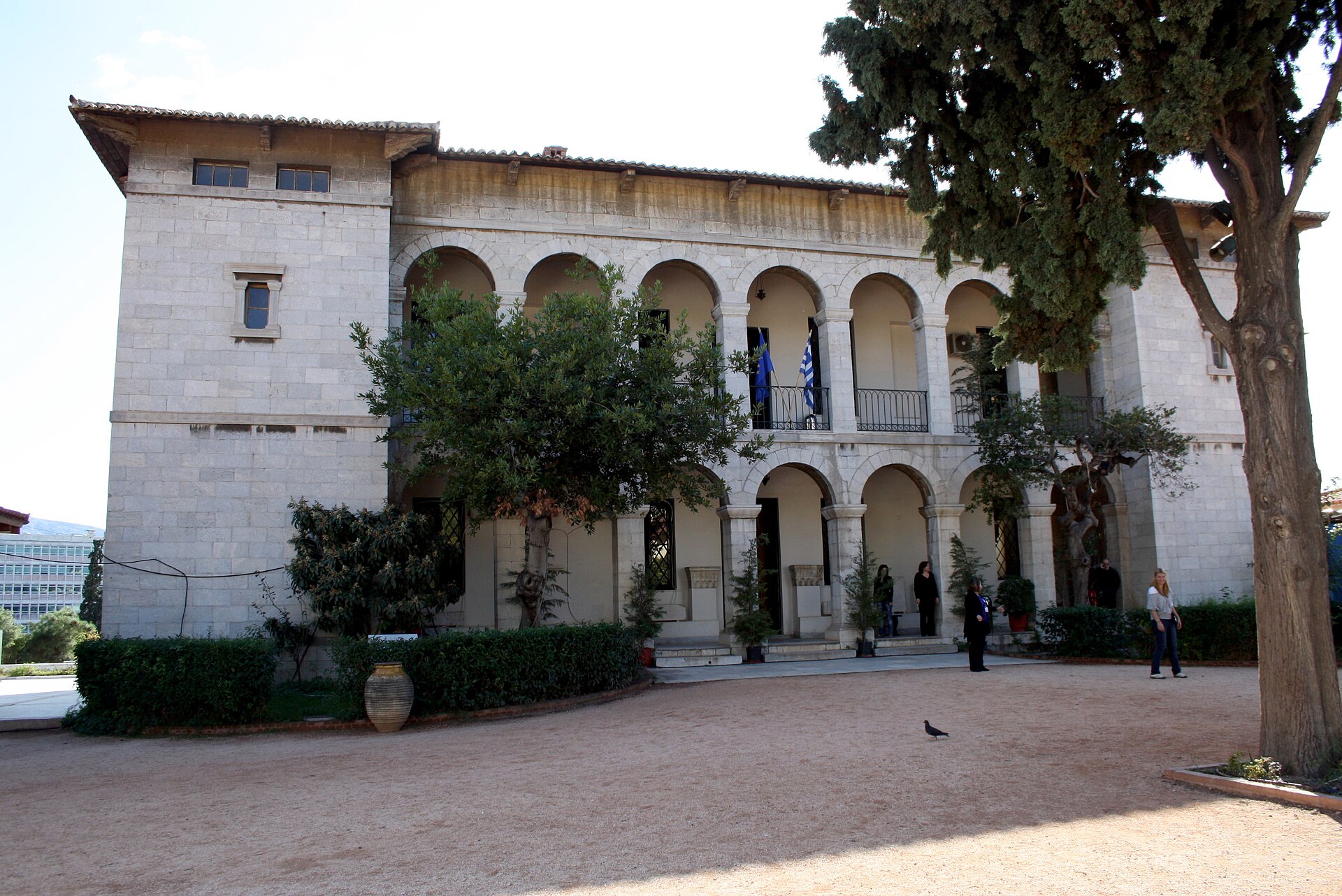
The Byzantine and Christian Museum in Athens houses one of the most important collections of Byzantine and post-Byzantine art in Greece. Established in 1914, the museum is located in a neoclassical building and displays religious artifacts, icons, manuscripts, frescoes, textiles, and liturgical objects. The collection spans from the 3rd century CE through the Late Byzantine period, illustrating the development of Christian art in Greece and the Eastern Mediterranean. Exhibits provide insights into religious practices, daily life, and the aesthetic evolution of Byzantine culture.
Key Facts
- Materials
- Marble, Wood, Textiles, Gold, Silver
- Civilization
- Byzantine Greek
- Accessibility
- Wheelchair accessible, elevators available
- Date(s)
- 1914 (museum establishment)
- Condition
- Well-preserved, active museum
- Original Function
- Museum collection dedicated to Byzantine and Christian art
- Key Figures
- Emmanuel Lampakis, Neophytos Doukas
Foundation and Early Years
1914-1930The museum was founded to house Byzantine-era artifacts collected by the Greek state and private donors. Early exhibits focused on icons, manuscripts, and liturgical objects from across Greece.
Expansion and Collection Growth
1930-1970The museum underwent expansions to accommodate growing collections, including fresco fragments from monasteries and additional artifacts from post-Byzantine churches. International interest in Byzantine art increased visitor numbers.
Modernization and Preservation
1970-presentRecent decades have seen conservation efforts, modernization of display facilities, and the introduction of educational programs. The museum now integrates digital resources and temporary exhibitions to contextualize its permanent collection.
Cultural Significance
The Byzantine and Christian Museum preserves the artistic and religious heritage of Byzantine Greece, serving as a vital institution for understanding Christian art, theology, and daily life in the Eastern Mediterranean. Its artifacts illustrate the spiritual and social dimensions of Byzantine society. For modern visitors, the museum provides a lens into historical continuity, showing how religious traditions, iconography, and material culture shaped both medieval and contemporary Greek identity.
Interpretive Notes
Scholarly debates and areas of uncertainty
Debates include the provenance and dating of some icons and fresco fragments, particularly those relocated from demolished or abandoned churches. Scholars also discuss interpretation of iconographic variations and the influence of Western European styles on later Byzantine and post-Byzantine works.
Visiting Information
Entry Rules
Open daily 8:00-16:00, closed on major holidays. Tickets available on-site or via the museum's official website.
Best Times to Visit
Weekday mornings (9:00-11:00) are recommended to avoid crowds and allow careful examination of exhibits. Temporary exhibitions are typically launched in spring and fall.
Photography
Personal photography allowed without flash. Tripods and professional photography require prior museum permission.
Preservation Notes
Do not touch exhibits. Follow designated paths and barriers. Handle any museum-provided materials carefully. Conservation staff periodically work on delicate items, which may limit access to some galleries.
Nearby POIs
11 shownSources & Further Reading
- [1]
- [2]Byzantine Art in Greece — Slobodan Ćurčić. Princeton University Press (1976)
- [3]Greek Byzantine Churches and Monuments — Evangelia Kiriakou. Athens University Press (2005)
Key Facts
- Materials
- Marble, Wood, Textiles, Gold, Silver
- Civilization
- Byzantine Greek
- Accessibility
- Wheelchair accessible, elevators available
- Date(s)
- 1914 (museum establishment)
- Condition
- Well-preserved, active museum
- Original Function
- Museum collection dedicated to Byzantine and Christian art
- Key Figures
- Emmanuel Lampakis, Neophytos Doukas