Athens
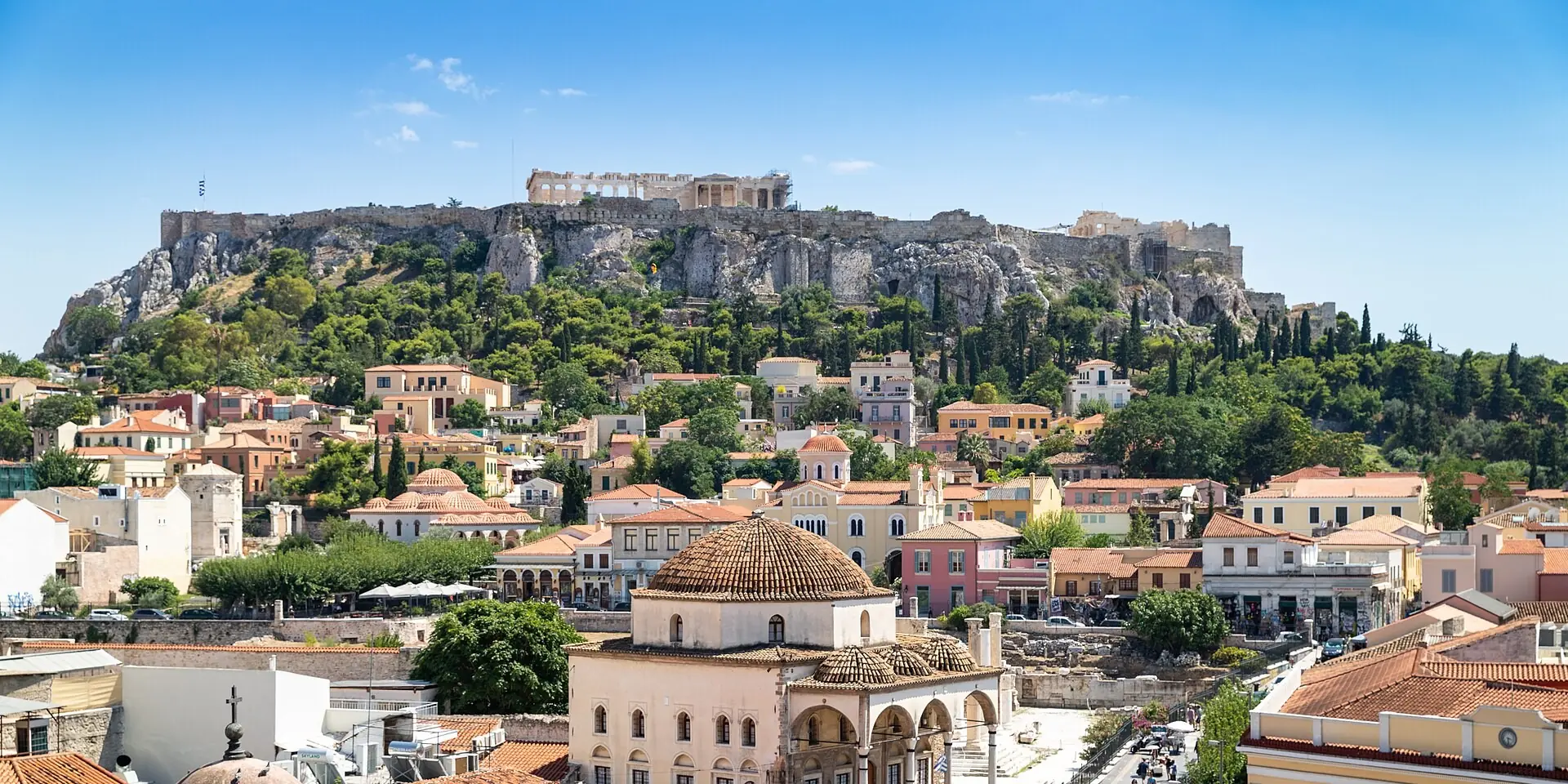
Athens is the capital and largest city of Greece, located in the Attica region in the southeastern part of the country. One of the world’s oldest continuously inhabited cities, its recorded history spans more than three millennia. Athens played a central role in the development of classical Greek civilization, serving as a major center for philosophy, politics, and the arts. Today, Athens is a major cultural, economic, and political hub in southeastern Europe. The modern city integrates its ancient heritage with contemporary urban life, with landmarks such as the Acropolis coexisting alongside dense neighborhoods and modern infrastructure. Athens remains a focal point for tourism, scholarship, and national identity in Greece.
Ancient Foundations
Prehistory–5th century BCEAthens has been inhabited since the Neolithic period, but it rose to prominence during the first millennium BCE. By the 5th century BCE, it had become a powerful city-state and the birthplace of democracy. Under leaders such as Pericles, Athens experienced a cultural and political golden age, producing influential philosophers, dramatists, and architects.
Hellenistic and Roman Periods
4th century BCE–4th century CEFollowing the Peloponnesian War, Athens declined politically but remained an important cultural and intellectual center. Under Roman rule, the city retained its prestige as a center of learning, with emperors such as Hadrian sponsoring public works and monuments.
Byzantine and Ottoman Rule
5th–19th centuriesAthens became part of the Byzantine Empire, during which many ancient structures were repurposed for Christian use. In the 15th century, it fell under Ottoman control, remaining a relatively small provincial town until the Greek War of Independence in the early 19th century.
Modern Capital
19th–21st centuriesAthens was established as the capital of the modern Greek state in 1834. The city expanded rapidly in the 20th century, particularly after population influxes following regional conflicts. Today, it is the political and economic center of Greece, balancing urban development with preservation of its extensive archaeological heritage.
Notable POIs in Athens
6 listed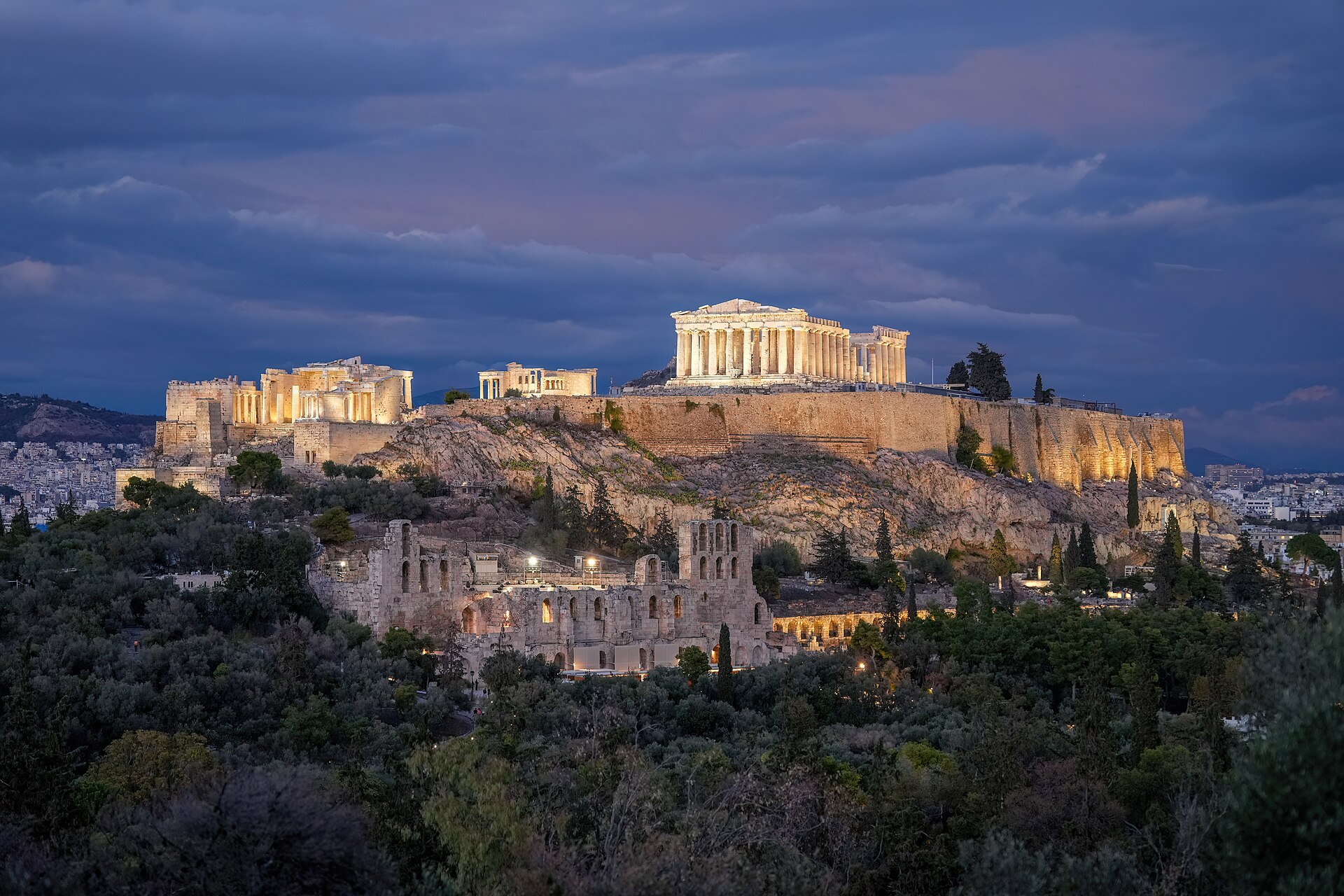
Acropolis of Athens
POIAncient citadel holding the ruins of several ancient buildings.
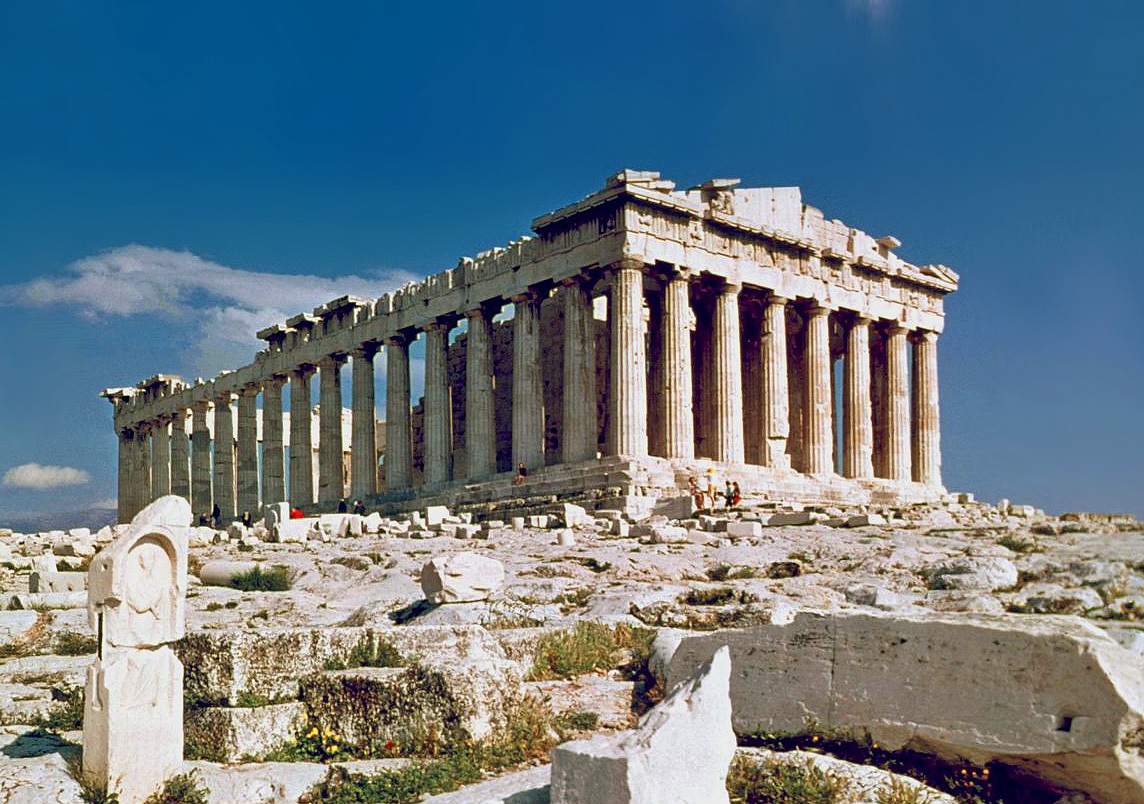
Parthenon
POIDoric temple featuring forty-six exterior marble columns and ninety-two metopes depicting four distinct mythological battles, constructed to house a twelve-meter-tall chryselephantine statue of the goddess Athena.
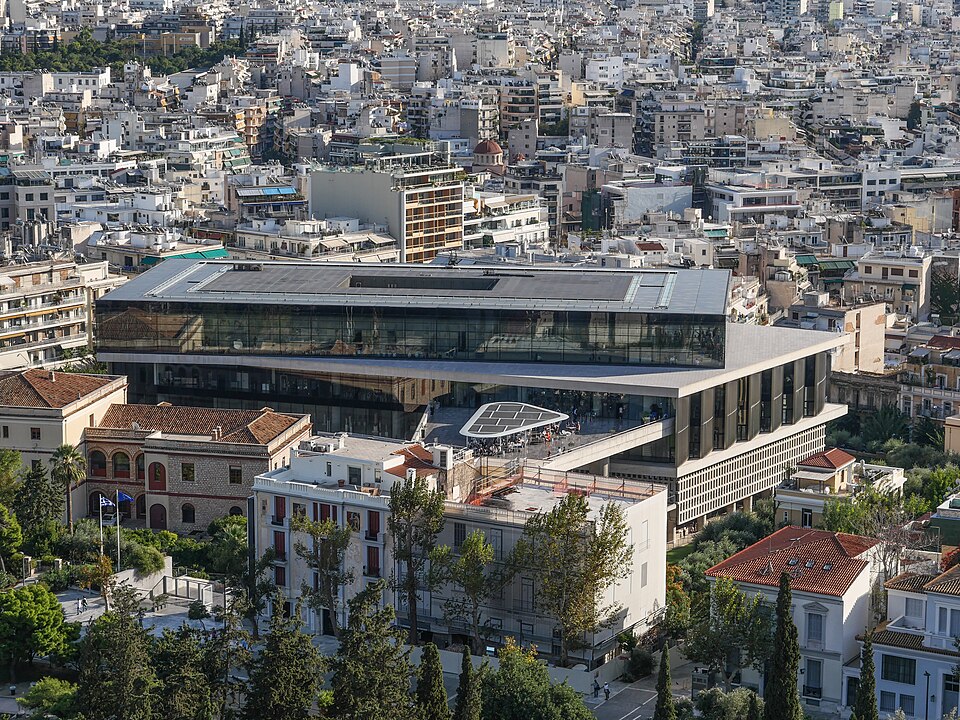
Acropolis Museum
POIArchaeological museum built to house every artifact found on and around the Acropolis, including the Greek Bronze Age and Roman/Byzantine Greece.
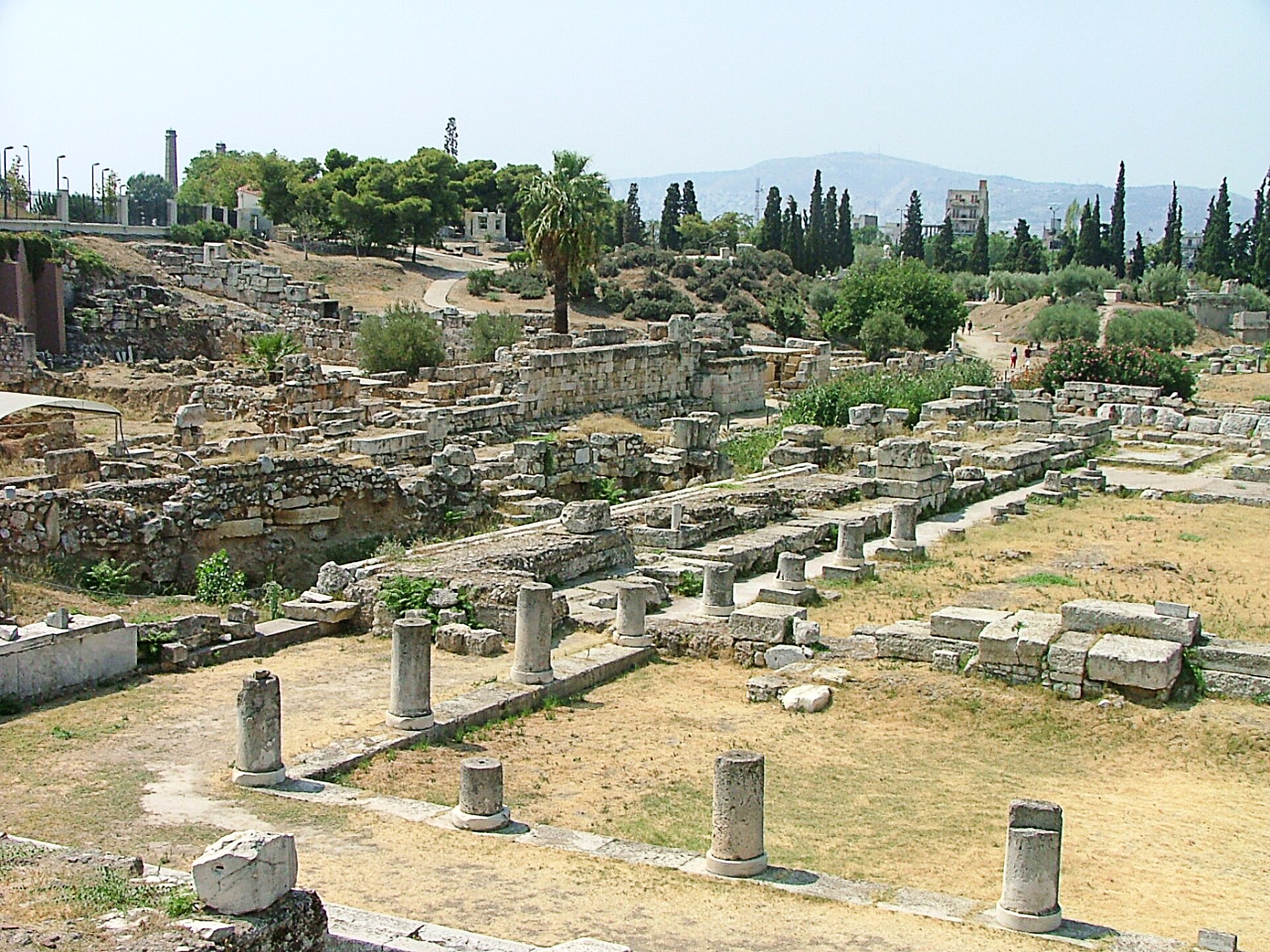
Ancient Agora of Athens
POIAncient Greek agora used as a gathering space for comemrcial, assembly, or residential reason.
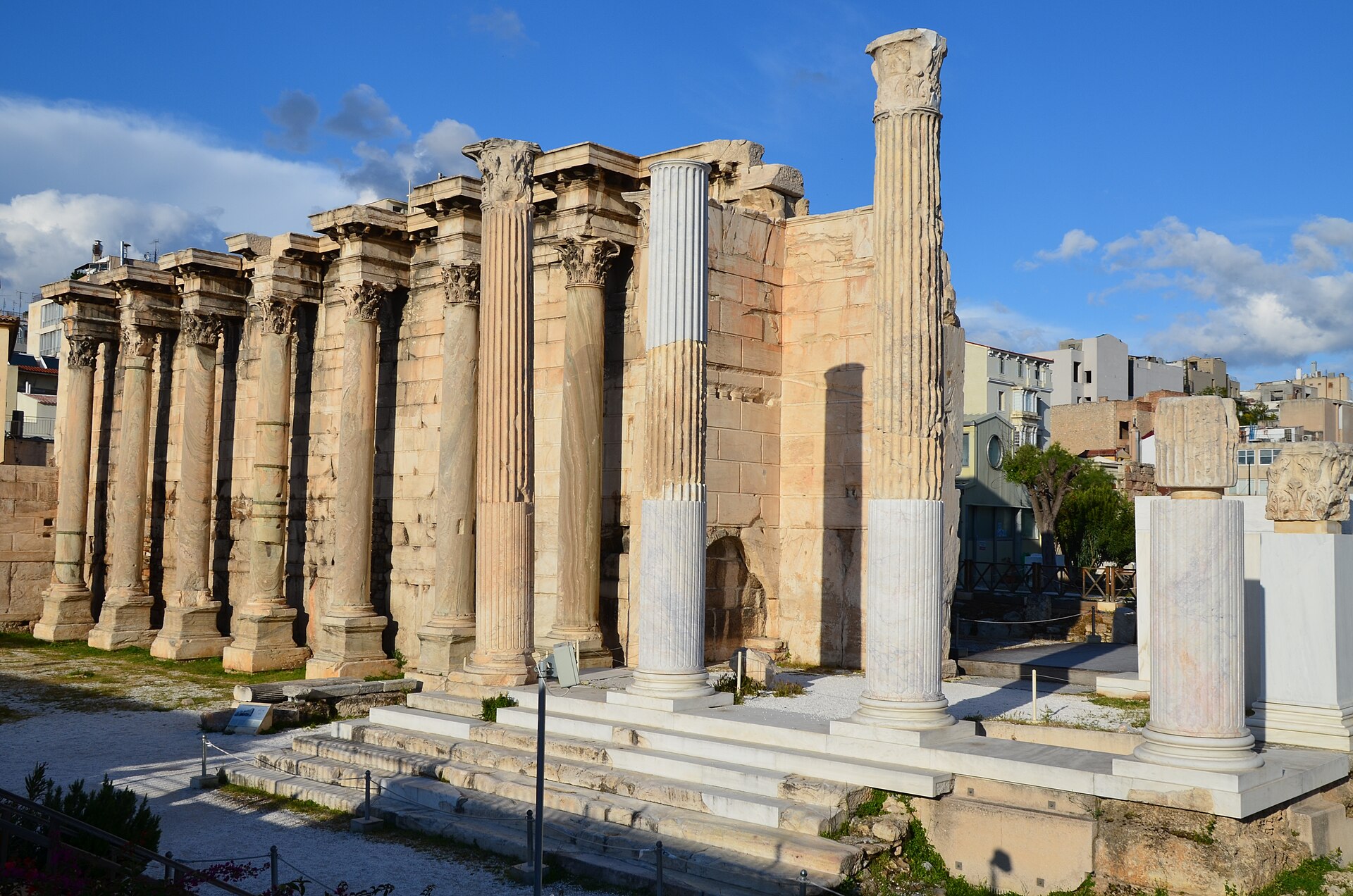
Hadrian's Library
POIRuins of a library created by Roman Emperor Hadrian, with ruins of a cathedral, basilica, and tetraconch on site.
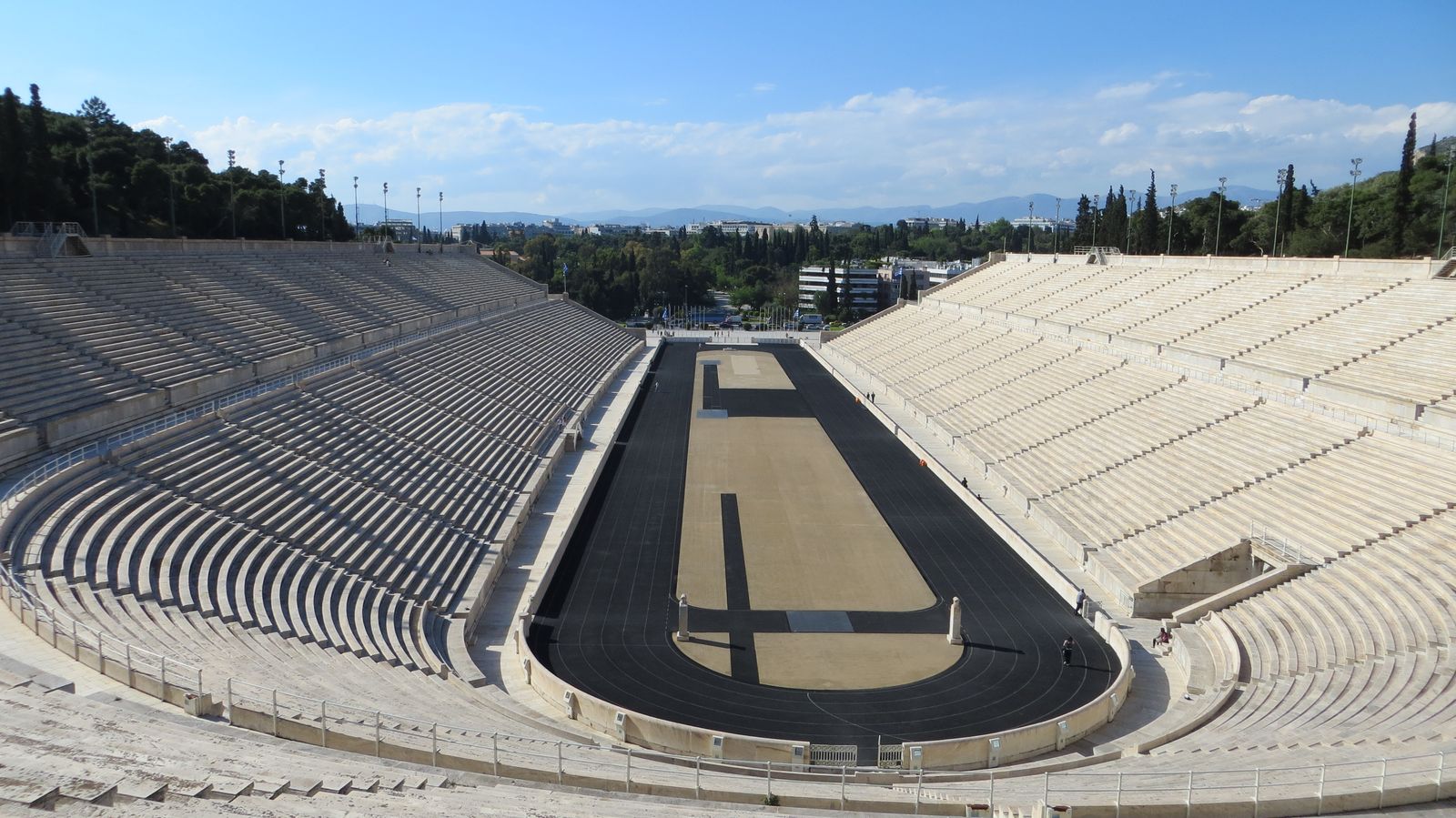
Panathenaic Stadium
POIMarble stadium featuring fifty thousand seats, reconstructed on the site of the ancient venue that hosted the first modern Olympic Games and hosted the first Modern Olympic Games.
Sources & Further Reading
- [1]The Oxford History of Greece and the Hellenistic World — John Boardman et al.. Oxford University Press (2001)
- [2]Athens: A History, From Ancient Ideal to Modern City — Robin Waterfield. Basic Books (2004)
- [3]