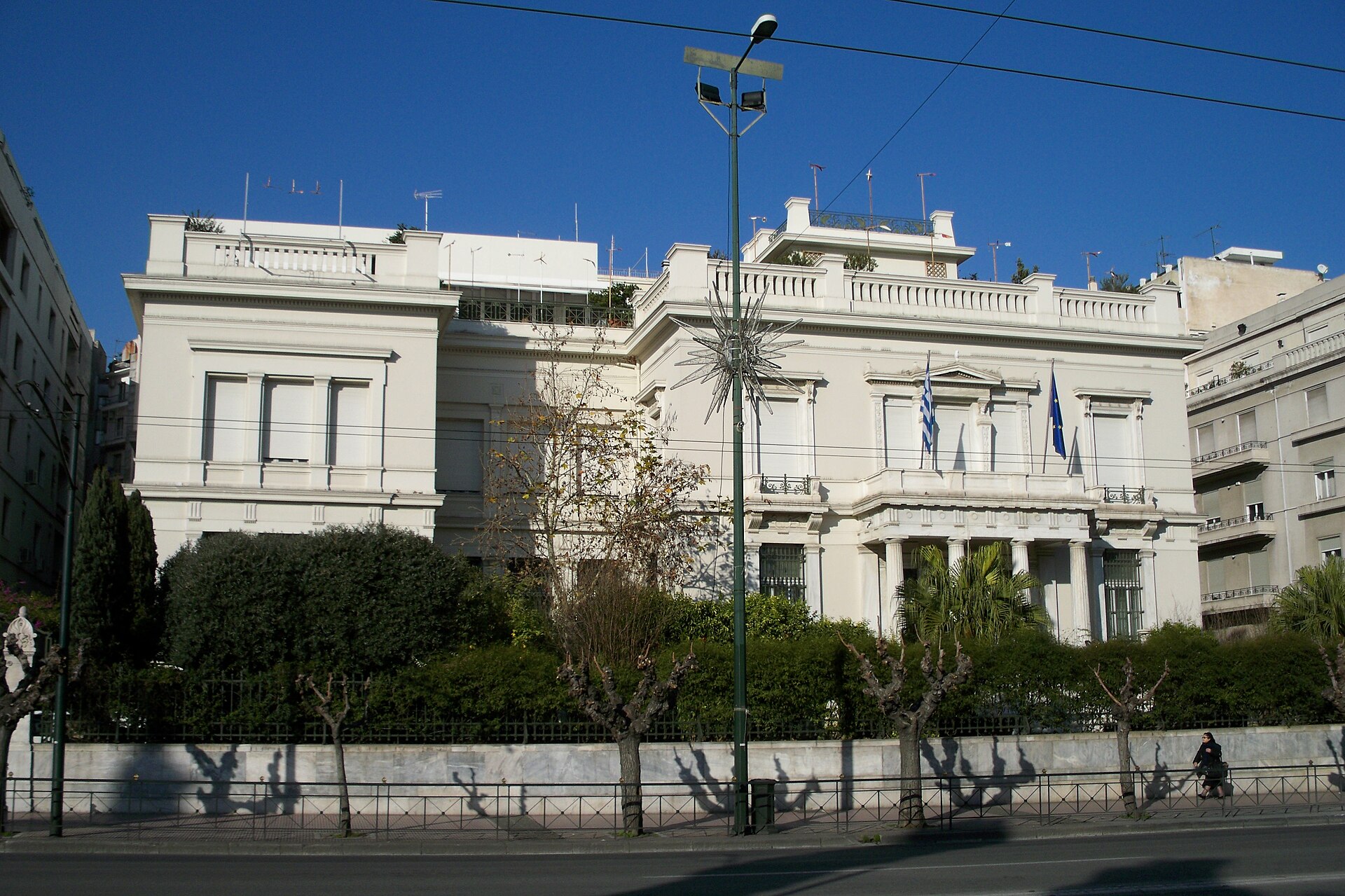
The Benaki Museum is one of Greece’s most important cultural institutions, dedicated to preserving and presenting Greek art and history from prehistoric times to the modern era. Founded in 1930 by Antonis Benakis, the museum originated from his private collection and was donated to the Greek state. The main building, housed in the former Benakis family mansion on Vasilissis Sofias Avenue, presents a chronological narrative of Greek civilization. The institution has since expanded into a network of specialized branches across Athens, including the Museum of Islamic Art, the Pireos 138 contemporary art space, and additional thematic collections.
Key Facts
- Founded
- 1930
- Founder
- Antonis Benakis
- Branches
- Multiple specialized museums in Athens
- Collection Scope
- Prehistoric to modern Greek art and history
- Institution Type
- Private foundation operating as public museum
- Main Building Date
- Late 19th century (family mansion)
- Notable Collections
- Byzantine icons, Post-Byzantine art, Greek War of Independence artifacts, Islamic art collection
Foundation and Donation
Early 20th centuryAntonis Benakis, a Greek collector born in Alexandria, assembled an extensive collection of Greek and Islamic art. In 1930 he donated both the collection and his family residence to the Greek state, establishing the museum.
Expansion of the Institution
Late 20th centuryThe museum expanded beyond its original mansion to include additional branches focusing on Islamic art, photography, architecture, and contemporary culture, transforming it into a multi-site cultural network.
Modern Renovation and Reorganization
2000sRenovations reorganized the main collection chronologically to present a continuous narrative of Greek history. Updated exhibition design and conservation facilities modernized the institution’s operations.
Cultural Significance
The Benaki Museum provides one of the most comprehensive narratives of Greek cultural continuity, spanning antiquity, Byzantium, Ottoman rule, and the formation of the modern Greek state. Its integrated chronological presentation distinguishes it from purely archaeological museums. The institution also plays a significant role in intercultural dialogue, particularly through its Islamic Art collection, highlighting historical connections between Greece and the broader Eastern Mediterranean world.
Interpretive Notes
Scholarly debates and areas of uncertainty
Scholarly discussions often focus on curatorial interpretation, particularly how national identity is presented through chronological display. Debates also examine the balance between private collection origins and public institutional responsibilities. The Islamic Art collection has generated academic interest regarding cross-cultural exchange between Byzantine, Ottoman, and Mediterranean artistic traditions.
Visiting Information
Entry Rules
Separate tickets required for different branches. Reduced admission for students and seniors. Temporary exhibitions may require additional tickets.
Best Times to Visit
Weekday mornings for quieter galleries. Visiting multiple branches may require planning, as they are located in different parts of Athens.
Photography
Photography permitted without flash in most permanent exhibitions. Restrictions may apply in temporary exhibitions.
Preservation Notes
Visitors must not touch artifacts. Bags may be subject to inspection. Food and drink are prohibited in exhibition areas.
Nearby POIs
11 shownSources & Further Reading
- [1]The Benaki Museum Guide — Benaki Museum. Benaki Museum Publications (2015)
- [2]Museums and National Identity in Greece — Artemis Leontis. Journal of Modern Greek Studies (2000)
Key Facts
- Founded
- 1930
- Founder
- Antonis Benakis
- Branches
- Multiple specialized museums in Athens
- Collection Scope
- Prehistoric to modern Greek art and history
- Institution Type
- Private foundation operating as public museum
- Main Building Date
- Late 19th century (family mansion)
- Notable Collections
- Byzantine icons, Post-Byzantine art, Greek War of Independence artifacts, Islamic art collection