
Country Wiki
Greece
Greece is a country in southeastern Europe, located on the southern tip of the Balkan Peninsula and surrounded by the Aegean, Ionian, and Mediterranean seas. It is characterized by a mountainous mainland and thousands of islands, many of which have played important roles in regional trade and cultural exchange. Its geographic position has made it a crossroads between Europe, Asia, and Africa throughout history. Modern Greece is a parliamentary republic and a member of the European Union. It is widely regarded as the birthplace of Western civilization, with enduring contributions to philosophy, politics, science, and the arts. Today, the country maintains a strong cultural identity shaped by its ancient heritage, Byzantine traditions, and modern European influences.
Ancient Greece
c. 3000 BCE – 146 BCEAncient Greece developed as a collection of city-states such as Athens and Sparta, which played central roles in shaping political systems, philosophy, and culture. The Classical period saw advancements in democracy, literature, and science, while the Hellenistic period spread Greek culture across a vast territory following the conquests of Alexander the Great.
Roman and Byzantine Periods
146 BCE – 1453 CEGreece was incorporated into the Roman Empire in 146 BCE and later became part of the Eastern Roman (Byzantine) Empire. Constantinople emerged as a major political and cultural center, and Orthodox Christianity became deeply rooted in Greek society.
Ottoman Rule and Independence
1453–1830Following the fall of Constantinople, most of Greece came under Ottoman control for several centuries. The Greek War of Independence began in 1821 and led to the establishment of an independent Greek state in 1830, supported by European powers.
Kingdom to Republic
19th–20th centuriesGreece expanded its territory through a series of conflicts in the 19th and early 20th centuries. It experienced political instability, including periods of monarchy, military rule, and war, particularly during World War I, World War II, and a subsequent civil war.
Modern Greece
1974–presentAfter the fall of a military junta in 1974, Greece transitioned to a stable democratic republic. It joined the European Union in 1981 and adopted the euro in 2001. Despite facing economic challenges in the early 21st century, Greece remains an important cultural and political presence in Europe.
Major Cities
5 listed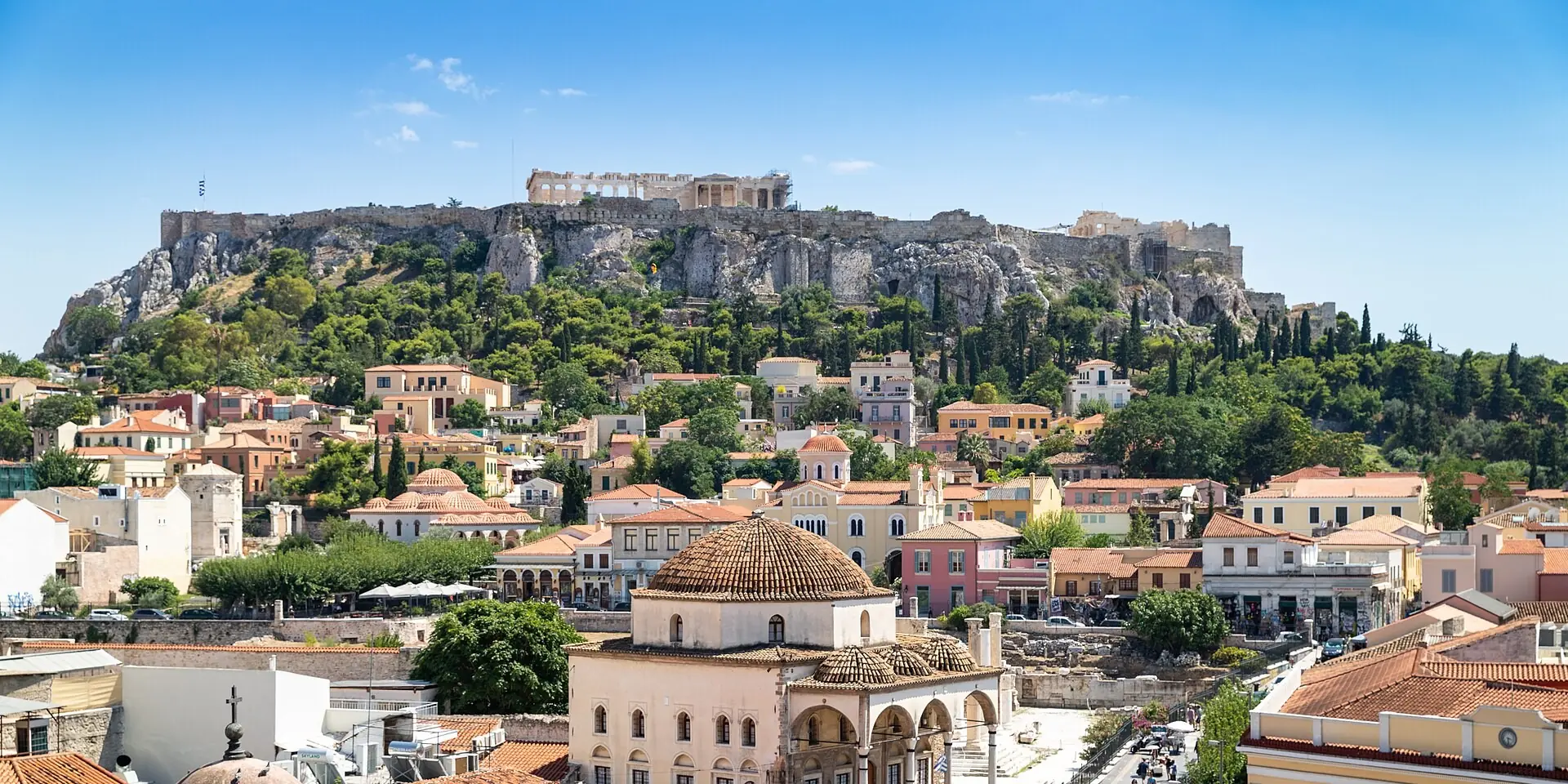
Notable POIs
6 listed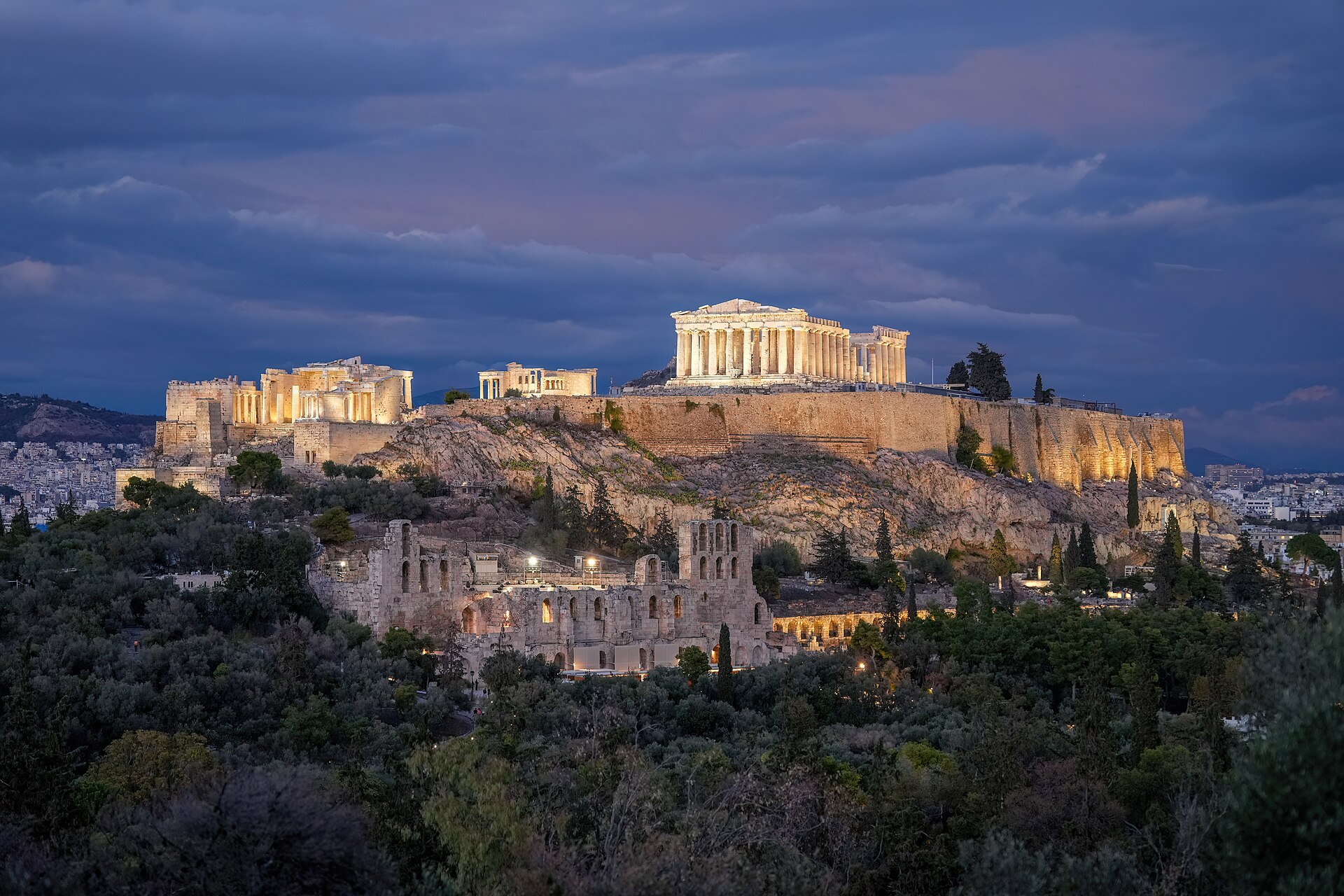
Acropolis of Athens
POIAncient citadel holding the ruins of several ancient buildings.
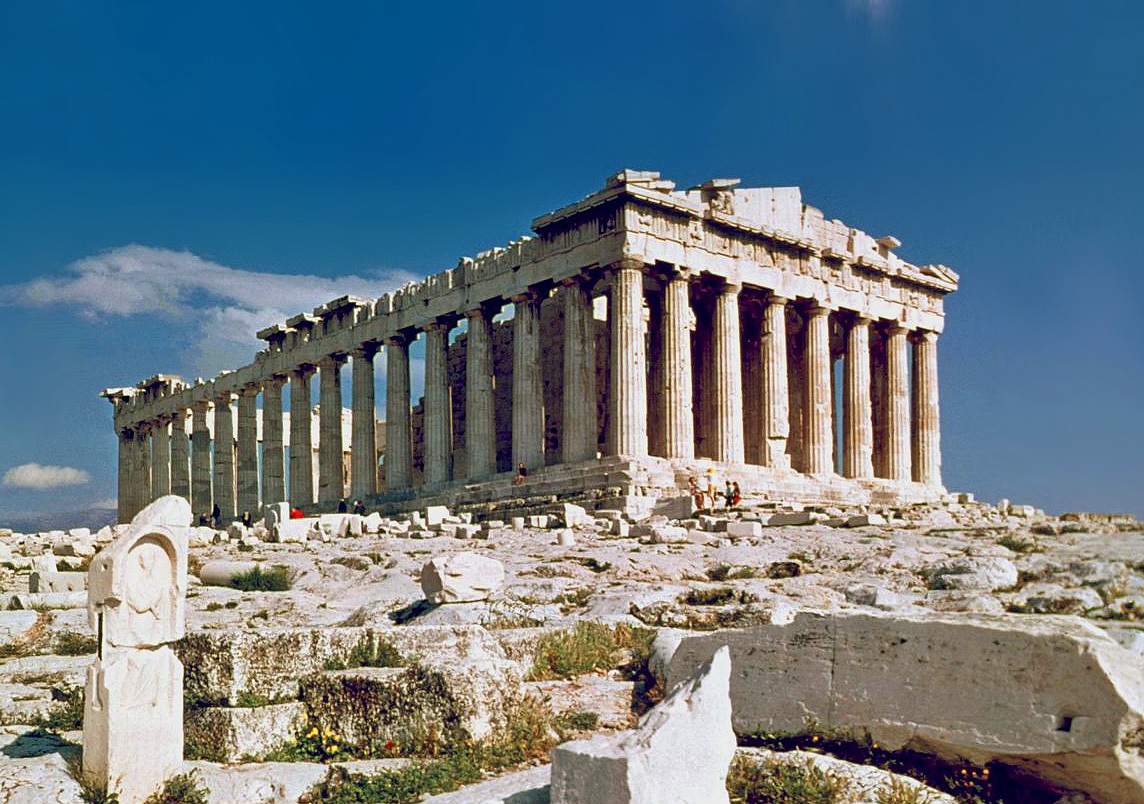
Parthenon
POIDoric temple featuring forty-six exterior marble columns and ninety-two metopes depicting four distinct mythological battles, constructed to house a twelve-meter-tall chryselephantine statue of the goddess Athena.
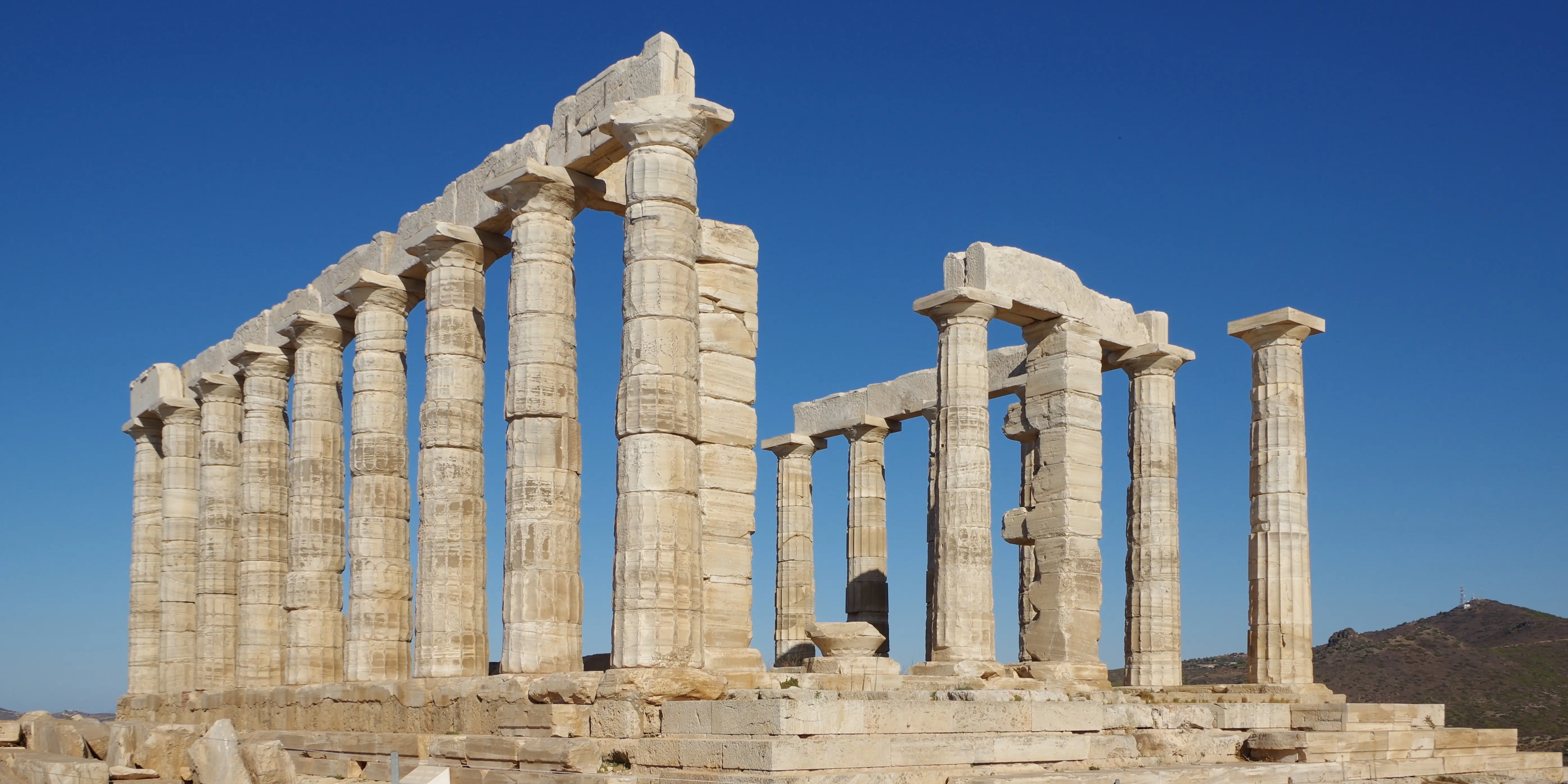
Temple of Poseidon
POIMarble sanctuary constructed at the southernmost tip of the peninsula to serve as a primary maritime landmark and religious site dedicated to the deity of the sea.
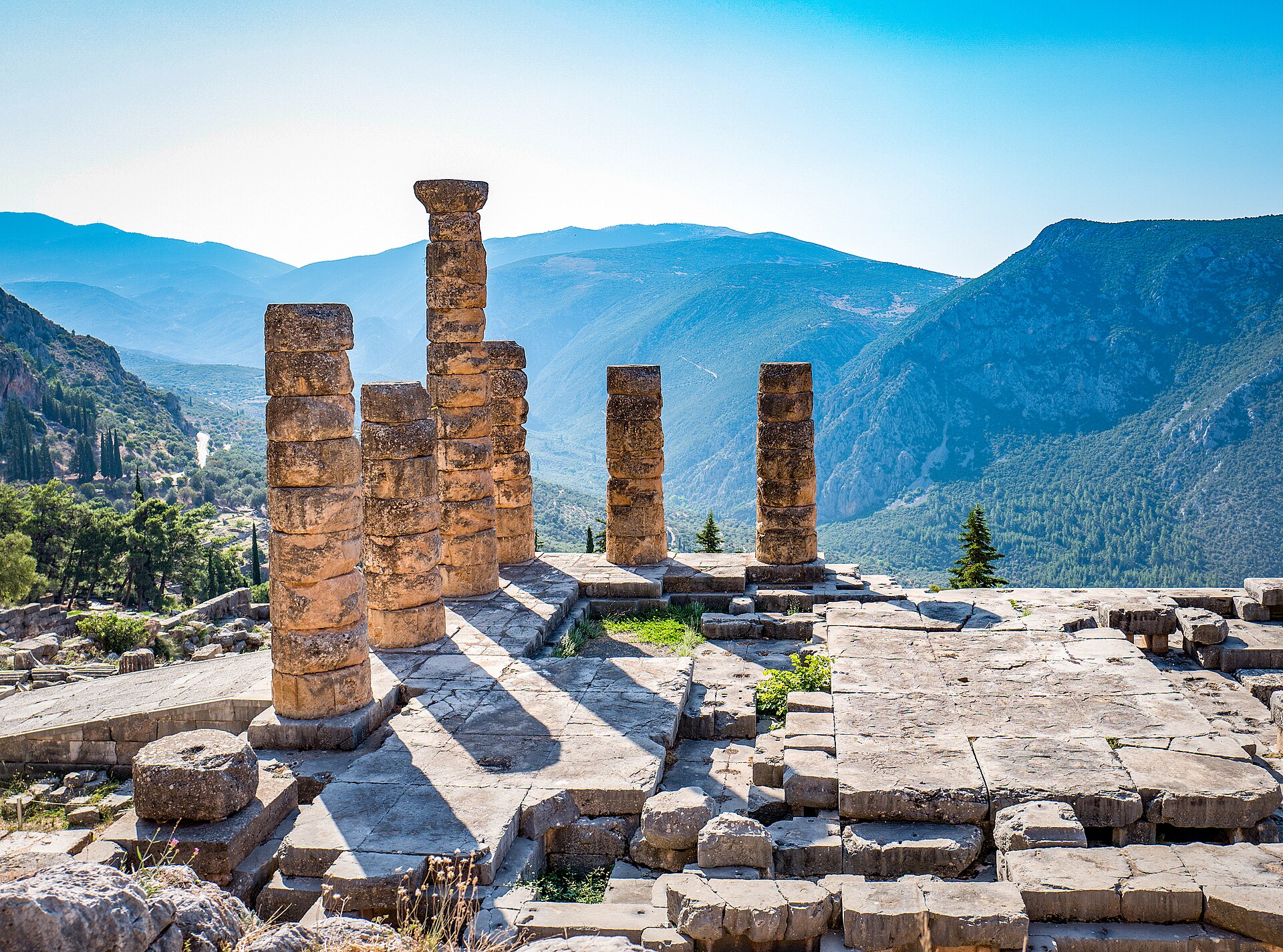
Temple of Apollo
POI4th-century BC temple that housed the Oracle of Delphi, where city-states and leaders consulted the Pythia for decisions affecting politics, war, and colonization.
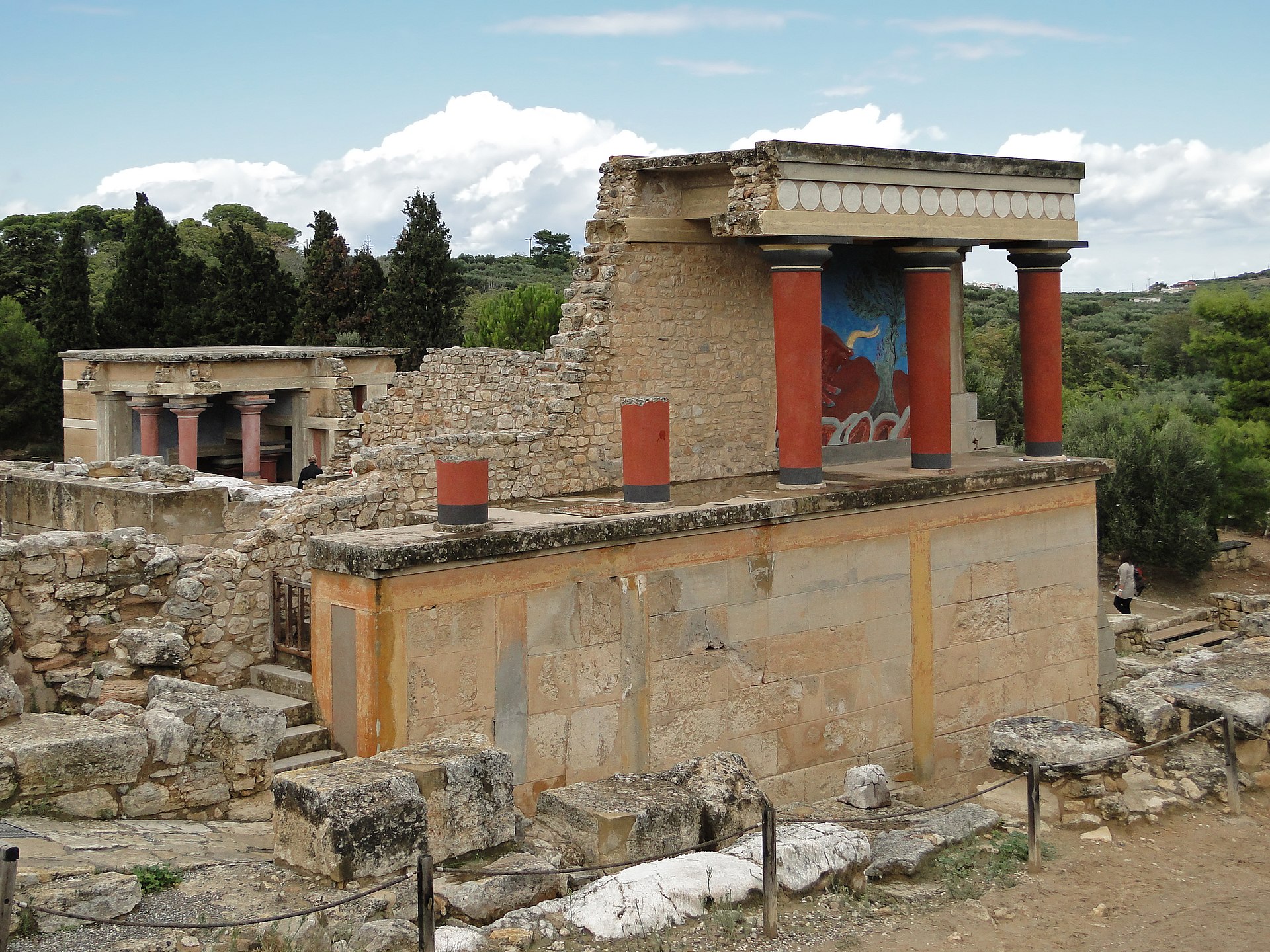
Knossos
POIBronze Age archaeological site that was a major centre of the Minoan civilization and is known for its association with the Greek myth of Theseus and the minotaur, considered by many to be the oldest city in Europe.

Bey Hamam
POIKnown as the "Baths of Paradise," the first Ottoman bath in Thessaloniki and the most important one still standing throughout Greece
Sources & Further Reading
- [1]A History of Greece — Nicholas Doumanis. Palgrave Macmillan (2010)
- [2]The Oxford History of Greece and the Hellenistic World — John Boardman et al.. Oxford University Press (2001)
- [3]World Bank Data – GreeceView