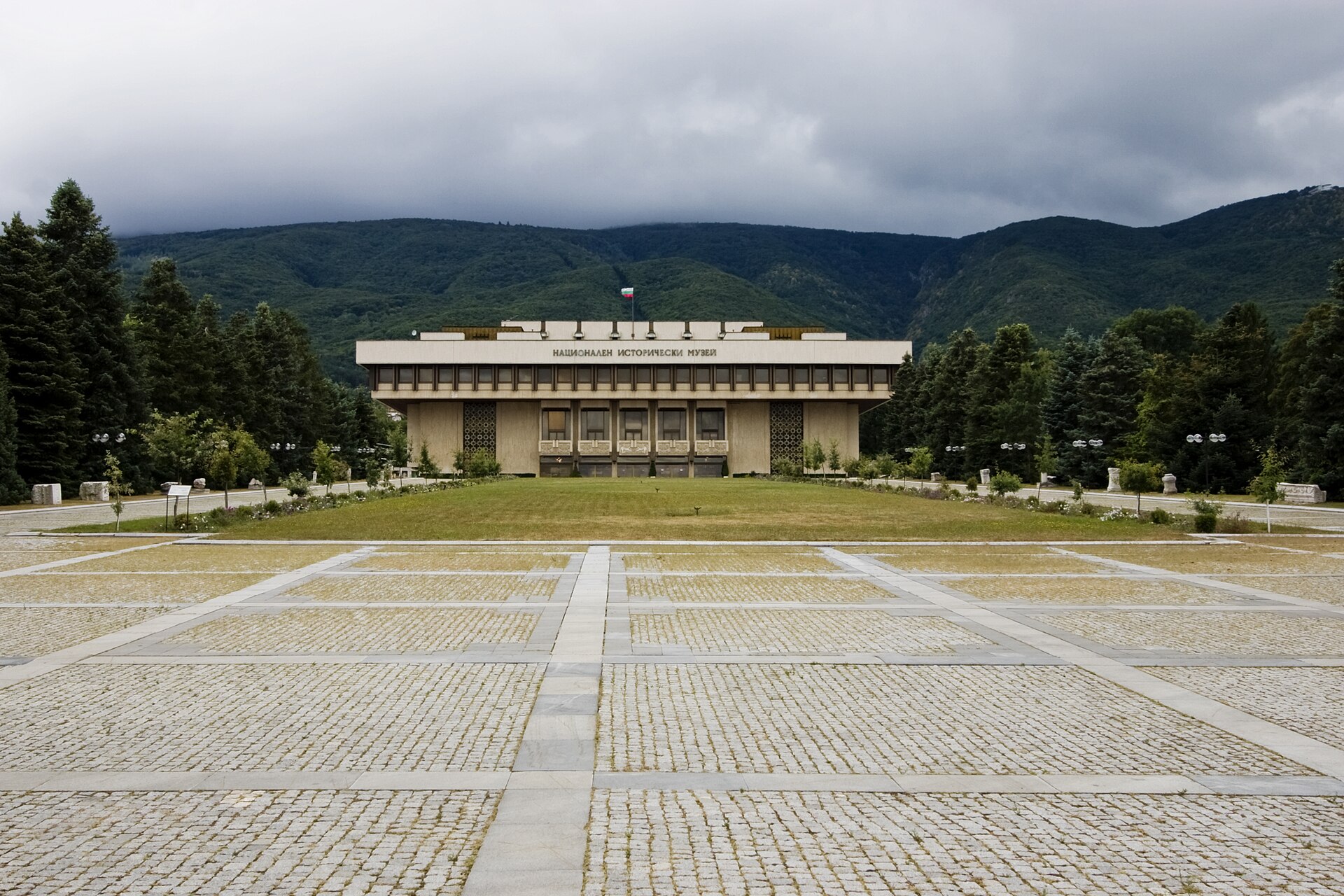
The National Historical Museum of Bulgaria is the country's largest museum dedicated to the preservation and interpretation of Bulgarian history from prehistoric times to the modern era. Established in 1973 and relocated in 2000 to the former residence of Bulgaria’s communist leader Todor Zhivkov in Sofia’s Boyana district, the museum houses an extensive collection of artifacts representing the cultural development of the region across several millennia. The museum’s exhibitions cover prehistoric cultures, the Thracian civilizations of antiquity, the Roman and Byzantine periods, the medieval Bulgarian states, and the Ottoman era, as well as the development of the modern Bulgarian nation. Its holdings include some of the most significant archaeological finds in Bulgaria, including Thracian gold treasures, medieval manuscripts, religious artifacts, and objects related to Bulgaria’s political and cultural history.
Key Facts
- Civilization
- Modern Bulgarian state
- Collections Focus
- Thracian artifacts, Medieval Bulgarian history, Archaeological finds, National revival period objects
- Date(s)
- Museum established 1973; current building adapted 2000
- Condition
- Active national museum and research institution
- Original Function
- Historical museum
- Key Figures
- Todor Zhivkov
- Architectural Style
- Late socialist governmental architecture
Establishment of the Museum
1973The National Historical Museum was established in 1973 by the Bulgarian government with the goal of consolidating major archaeological, historical, and cultural artifacts that documented the development of Bulgarian lands from prehistoric times to the present. Its early collections were assembled from existing state museums and archaeological institutes.
Growth of the National Collection
1970s–1990sOver the following decades the museum expanded rapidly as archaeological discoveries across Bulgaria added new material to the national collection. Excavations of Thracian tombs, Roman settlements, and medieval Bulgarian capitals contributed major artifacts that became central to the museum’s exhibitions.
Relocation to Boyana
2000In 2000 the museum moved to its current location in the Boyana district of Sofia, occupying the former state residence of Todor Zhivkov. The large complex allowed for expanded exhibition halls, storage facilities, and research spaces capable of housing the museum’s growing collection.
Modern Role
21st centuryToday the museum maintains one of the largest cultural collections in Southeastern Europe, with hundreds of thousands of artifacts covering prehistoric, ancient, medieval, and modern periods. It functions both as a public museum and as a research institution supporting archaeological and historical scholarship in Bulgaria.
Cultural Significance
The National Historical Museum plays a central role in shaping the public interpretation of Bulgaria’s past. By presenting artifacts from prehistoric cultures through the medieval Bulgarian states and into the modern period, the museum provides a national narrative connecting diverse historical eras within the territory of present-day Bulgaria. Its exhibitions highlight the importance of Thracian civilization, the cultural achievements of the First and Second Bulgarian Empires, and the development of national identity during the Bulgarian National Revival. As the country's largest historical museum, it functions as both a cultural institution and a symbol of national heritage preservation.
Visiting Information
Entry Rules
Open daily except Monday. Ticket required for entry; reduced admission available for students and children.
Best Times to Visit
Weekday mornings generally provide the quietest visiting conditions. Spring and autumn tend to have fewer tour groups compared to the peak summer tourist season.
Photography
Personal photography is typically permitted in exhibition halls without flash. Tripods and professional equipment require prior authorization from the museum administration.
Preservation Notes
Visitors should avoid touching displayed artifacts or leaning on display cases. Some exhibition areas contain sensitive archaeological materials and may have additional preservation guidelines.
Nearby POIs
11 shown- Boyana Church1.2 km
- National Palace of Culture5.1 km
- Saint Nedelya Cathedral6.2 km
- Church of St. Nicholas of Myra6.2 km
- Church of Saint George6.3 km
- Church of St. Petka of the Saddlers6.4 km
- National Archaeological Institute6.4 km
- Serdica Archaeological Complex6.4 km
- Sofia Synagogue6.5 km
- National Art Gallery of Bulgaria6.5 km
- Banya Bashi Mosque6.5 km
Sources & Further Reading
- [1]
- [2]The Thracians — Alexander Fol. Thames & Hudson (1977)
- [3]A Concise History of Bulgaria — R. J. Crampton. Cambridge University Press (2005)
Key Facts
- Civilization
- Modern Bulgarian state
- Collections Focus
- Thracian artifacts, Medieval Bulgarian history, Archaeological finds, National revival period objects
- Date(s)
- Museum established 1973; current building adapted 2000
- Condition
- Active national museum and research institution
- Original Function
- Historical museum
- Key Figures
- Todor Zhivkov
- Architectural Style
- Late socialist governmental architecture
Nearby POIs
11 shown- Boyana Church1.2 km
- National Palace of Culture5.1 km
- Saint Nedelya Cathedral6.2 km
- Church of St. Nicholas of Myra6.2 km
- Church of Saint George6.3 km
- Church of St. Petka of the Saddlers6.4 km
- National Archaeological Institute6.4 km
- Serdica Archaeological Complex6.4 km
- Sofia Synagogue6.5 km
- National Art Gallery of Bulgaria6.5 km
- Banya Bashi Mosque6.5 km