
Country Wiki
Bulgaria
Bulgaria is a Balkan nation with a diverse landscape encompassing the Black Sea coastline, mountainous interior, and rivers such as the Danube. Its rich cultural heritage is a complex blend of Slavic, Greek, Ottoman, and Persian influences, reflecting its position at the crossroads of Europe and Asia. Modern Bulgaria is a parliamentary republic and a member of the European Union. The country is renowned for its ancient history, including the Thracian civilization, the medieval Bulgarian Empires, and its significant role in the preservation and spread of Slavic literacy and culture.
Ancient Thrace and Roman Rule
Antiquity – 6th CenturyThe region was inhabited by the Thracians, who left behind numerous golden treasures and burial mounds. It later became part of the Roman Empire, with cities like Serdica (modern Sofia) and Philippopolis (modern Plovdiv) serving as vital administrative and cultural centers.
The First and Second Bulgarian Empires
681–1396The First Bulgarian Empire was founded in 681, becoming the first Slavic state to adopt Christianity and the Cyrillic alphabet. Following a period of Byzantine rule, the Second Bulgarian Empire emerged in 1185, reaching a cultural and territorial zenith under Tsar Ivan Asen II.
Ottoman Rule and National Revival
1396–1878Bulgaria was integrated into the Ottoman Empire for nearly five centuries. The 18th and 19th centuries saw the Bulgarian National Revival, a period of cultural awakening and political struggle that culminated in the Russo-Turkish War and the restoration of Bulgarian statehood.
Modern Era and European Integration
1878–PresentAfter gaining independence, Bulgaria navigated the turbulent 20th century through two world wars and a period of communist rule. Since the democratic changes of 1989, the country has transitioned to a market economy and joined NATO in 2004 and the European Union in 2007.
Major Cities
6 listed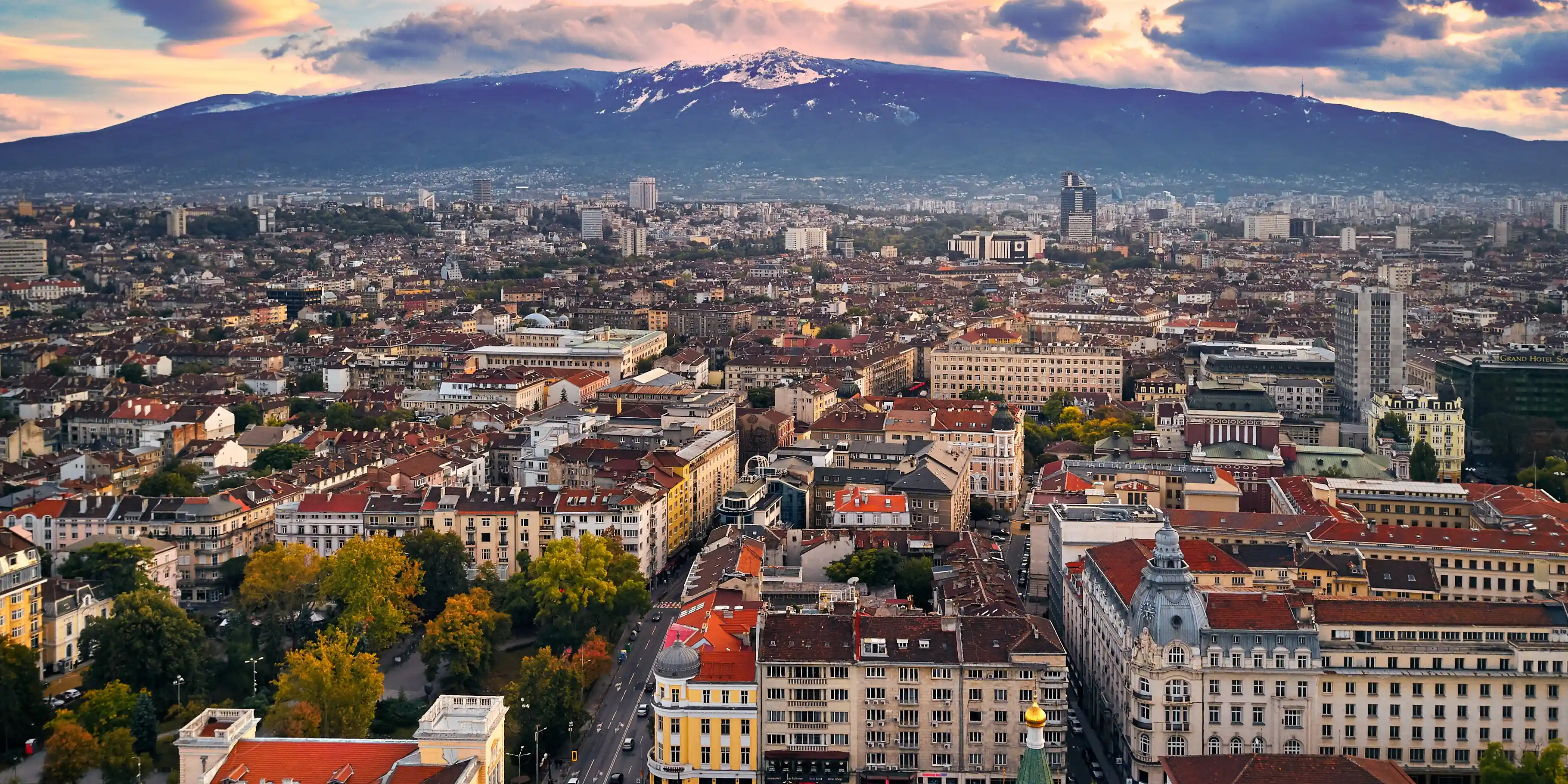
Notable POIs
10 listed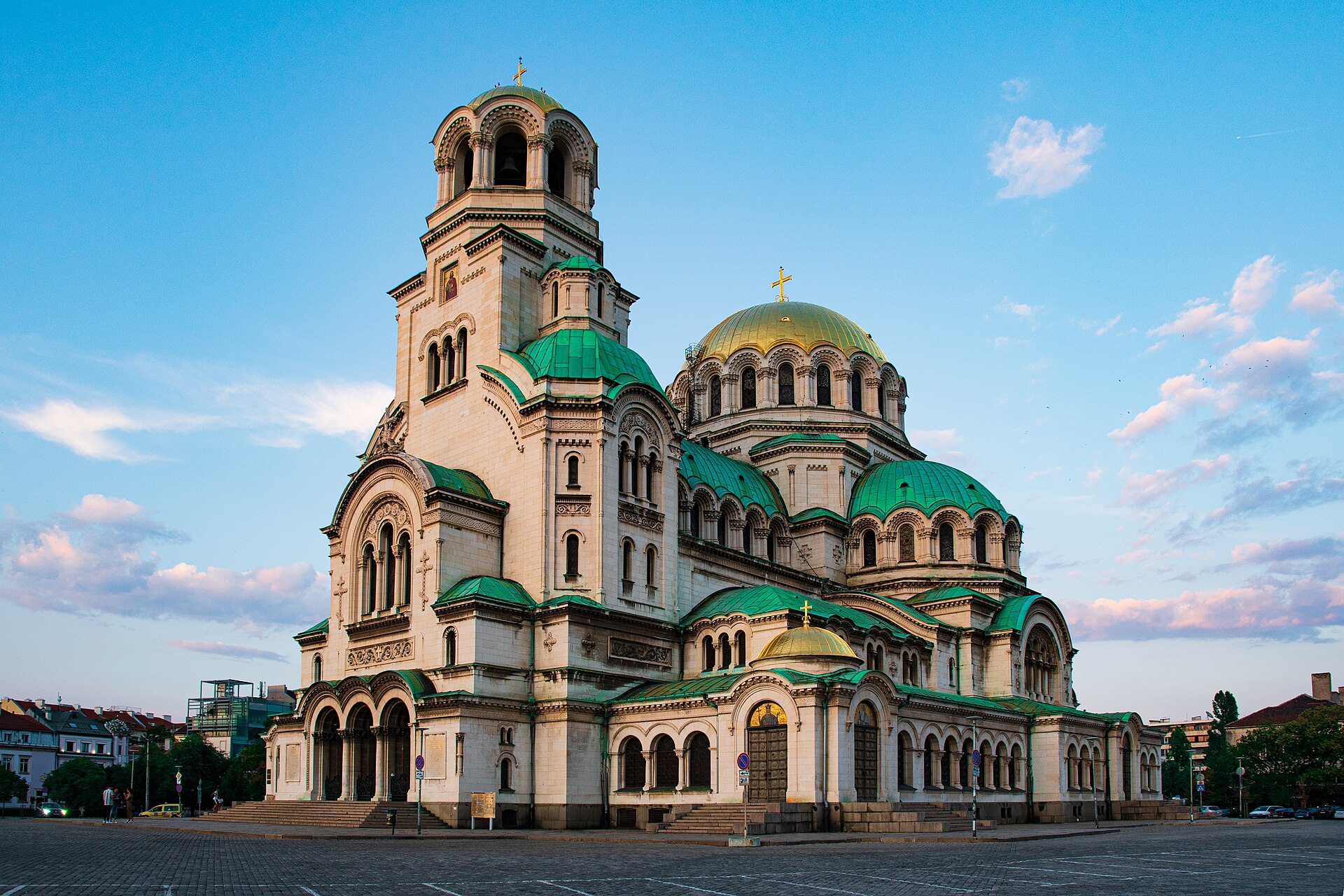
Saint Alexander Nevsky Cathedral
POICathedral housing several hundred icons and murals commissioned by architect Alexander Pomerantsev to commemorate two hundred thousand soldiers who died during the Russo-Turkish War.

Serdica Archaeological Complex
POIOpen-air museum showcasing the excavated remains of an ancient Roman city, featuring paved streets, residences, and public buildings dating from the 4th to 6th centuries.

Ancient Stadium of Philipopolis
POIRoman stadium built in the 2nd century AD during the reign of Emperor Hadrian, once seating 30,000 spectators for athletic games and gladiator contests.

Bachkovo Monastery
POIEastern Orthodox monastery founded in 1083, featuring a blend of Byzantine, Georgian, and Bulgarian architectural styles and a collection of valuable religious icons.

Madara Rider
POIEarly medieval rock relief carved into a cliffside, depicting a horseman triumphing over a lion and representing a significant monument of the First Bulgarian Empire.

Bishop's Basilica of Philippopolis
POILate antique basilica featuring extensive, well-preserved Roman mosaics that date back to the 4th and 5th centuries, showcasing intricate geometric and avian designs.
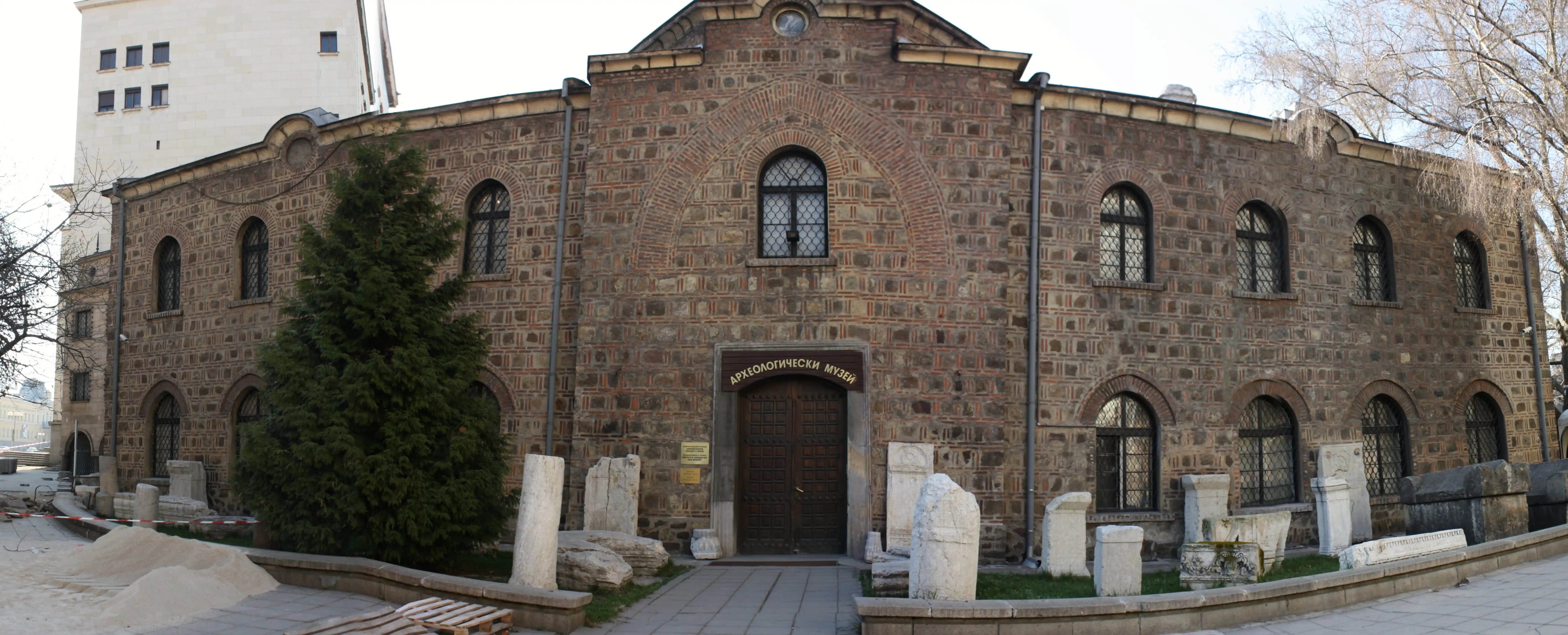
National Archaeological Institute
POIMuseum housing several thousand artifacts and three hundred separate collections, including the Valchitran Treasure and several hundred Thracian and Roman objects, situated within a religious building constructed by Grand Vizier Mahmud Pasha to serve as the primary mosque of the Ottoman administration.

Aladzha Monastery
POIMedieval cave monastery carved into a 25-meter high limestone cliff, featuring preserved 13th-century frescoes and a complex of monastic cells and chapels.
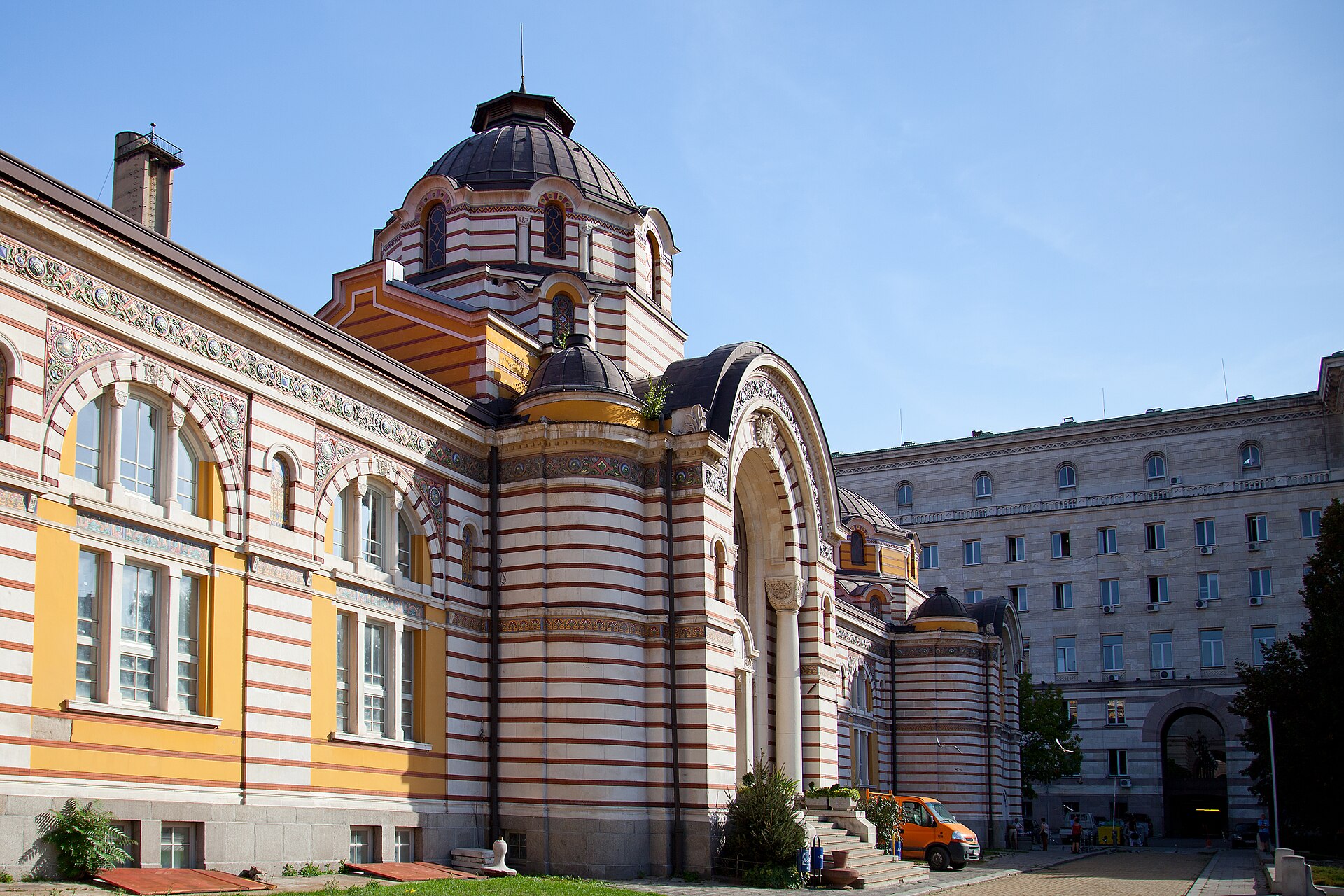
Sofia Central Mineral Baths
POIPublic facility with several thermal pools and treatment rooms, where municipal residents utilized mineral water sources for several centuries, is now a museum housing thousands of artifacts related to the history of the city.
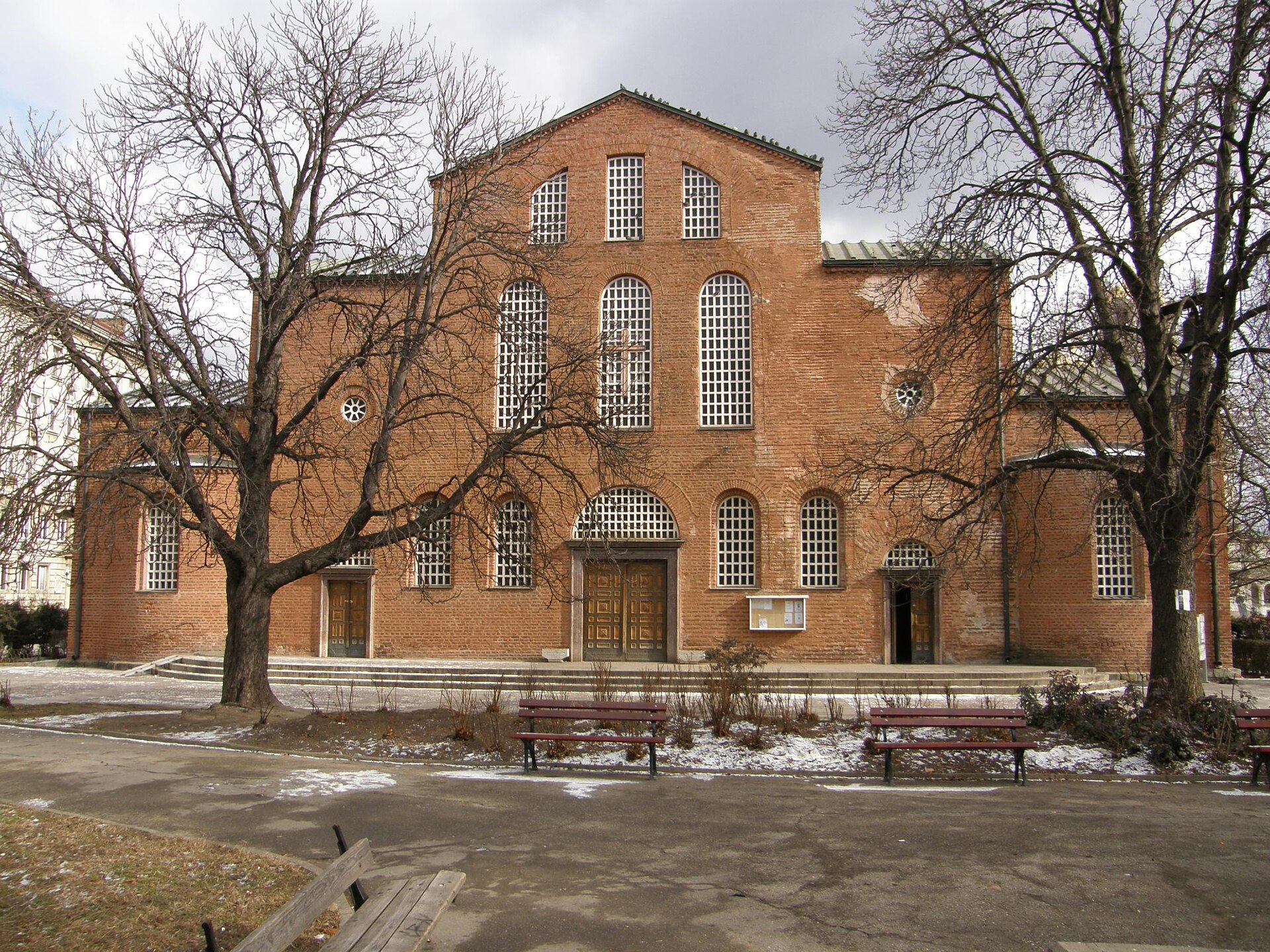
Saint Sophia Church
POIChurch containing three naves and a transept constructed above a necropolis where two hundred separate tombs and four earlier Christian temples were excavated.
Sources & Further Reading
- [1]A Concise History of Bulgaria — R.J. Crampton. Cambridge University Press (2005)
- [2]The History of Bulgaria — Frederick B. Chary. Greenwood Press (2011)
- [3]Bulgaria: A Short History — Nikolai Todorov. Sofia Press (1983)