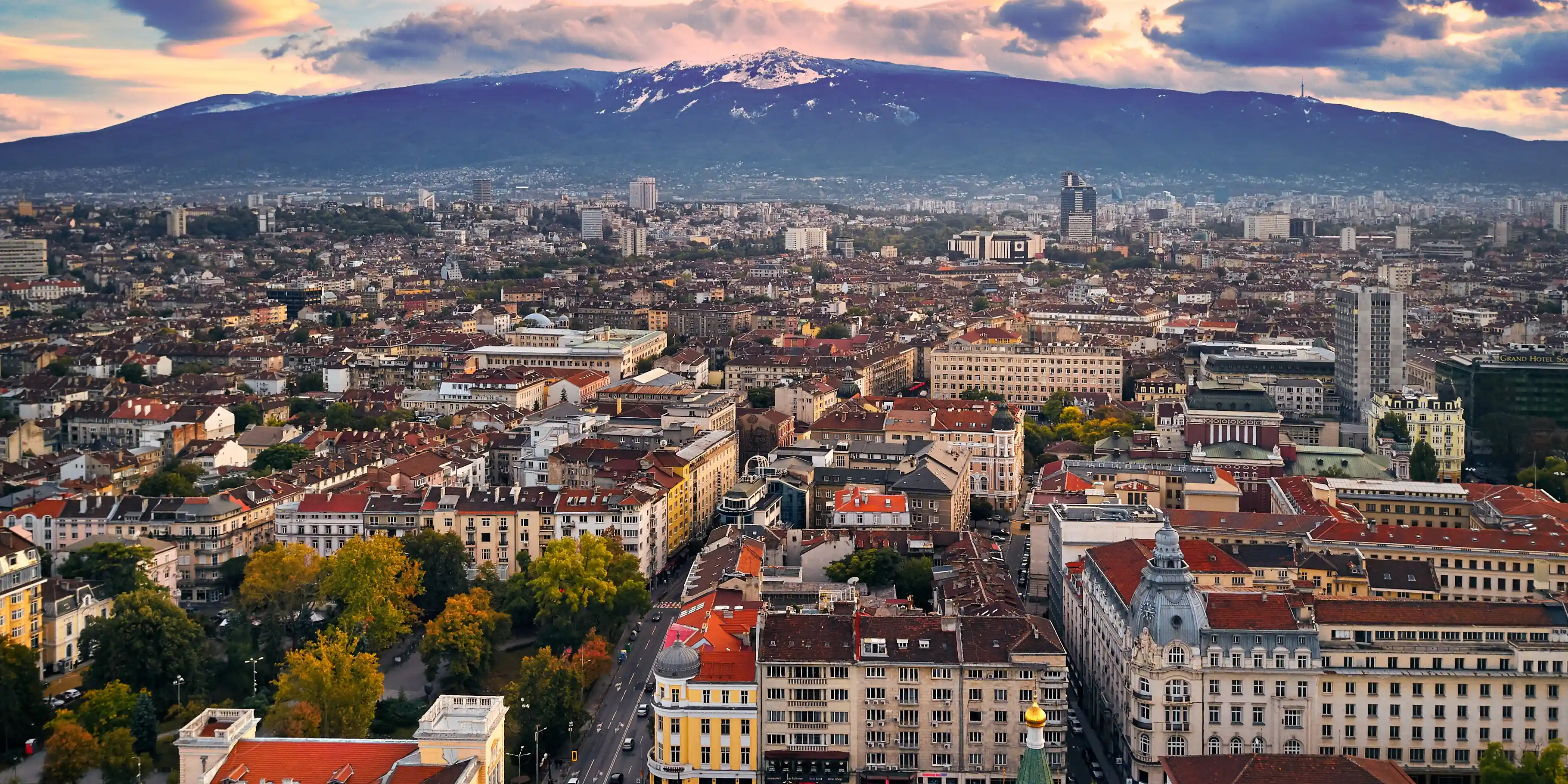
Sofia
Sofia is the capital and largest city of Bulgaria, situated in the Sofia Valley at the foot of Vitosha Mountain in western Bulgaria. One of Europe’s oldest continuously inhabited cities, its history spans more than seven millennia, encompassing Thracian, Roman, Byzantine, Bulgarian, and Ottoman periods. Its strategic location at the crossroads of the Balkans has long made it an important political, economic, and cultural center. Today, Sofia serves as Bulgaria’s administrative, financial, and educational hub. The city combines layers of archaeological heritage with modern development, reflecting its historical role as a meeting point between Central Europe, the Mediterranean, and the Near East.
Ancient Origins
Prehistory–1st century CEThe Sofia Valley has been inhabited since prehistoric times. The area was settled by the Thracian tribe known as the Serdi, from whom the ancient settlement of Serdica derived its name. Its location along important trade routes contributed to its early growth and regional significance.
Roman Serdica
1st–5th centuriesUnder Roman rule, Serdica developed into a prosperous city with defensive walls, baths, forums, and public buildings. Emperor Constantine the Great reportedly regarded the city highly, and it became an important administrative and military center within the Roman and later Byzantine Empire.
Medieval Bulgarian and Byzantine Rule
6th–14th centuriesControl of the city shifted between the Byzantine Empire and successive Bulgarian states. Known as Sredets during the medieval period, it emerged as a significant commercial and strategic center within the Bulgarian Empire, benefiting from regional trade networks.
Ottoman Period
14th–19th centuriesFollowing its conquest by the Ottoman Empire in the late 14th century, Sofia became an important provincial center. Mosques, baths, and administrative buildings transformed the urban landscape, while trade and craft production continued to support the local economy.
Modern Capital
1878–presentAfter Bulgaria's liberation from Ottoman rule in 1878, Sofia was selected as the capital of the newly restored Bulgarian state. Rapid urban growth, industrialization, and modernization followed. Today, the city remains Bulgaria's political, economic, and cultural center while preserving significant archaeological and historical landmarks.
Notable POIs in Sofia
6 listed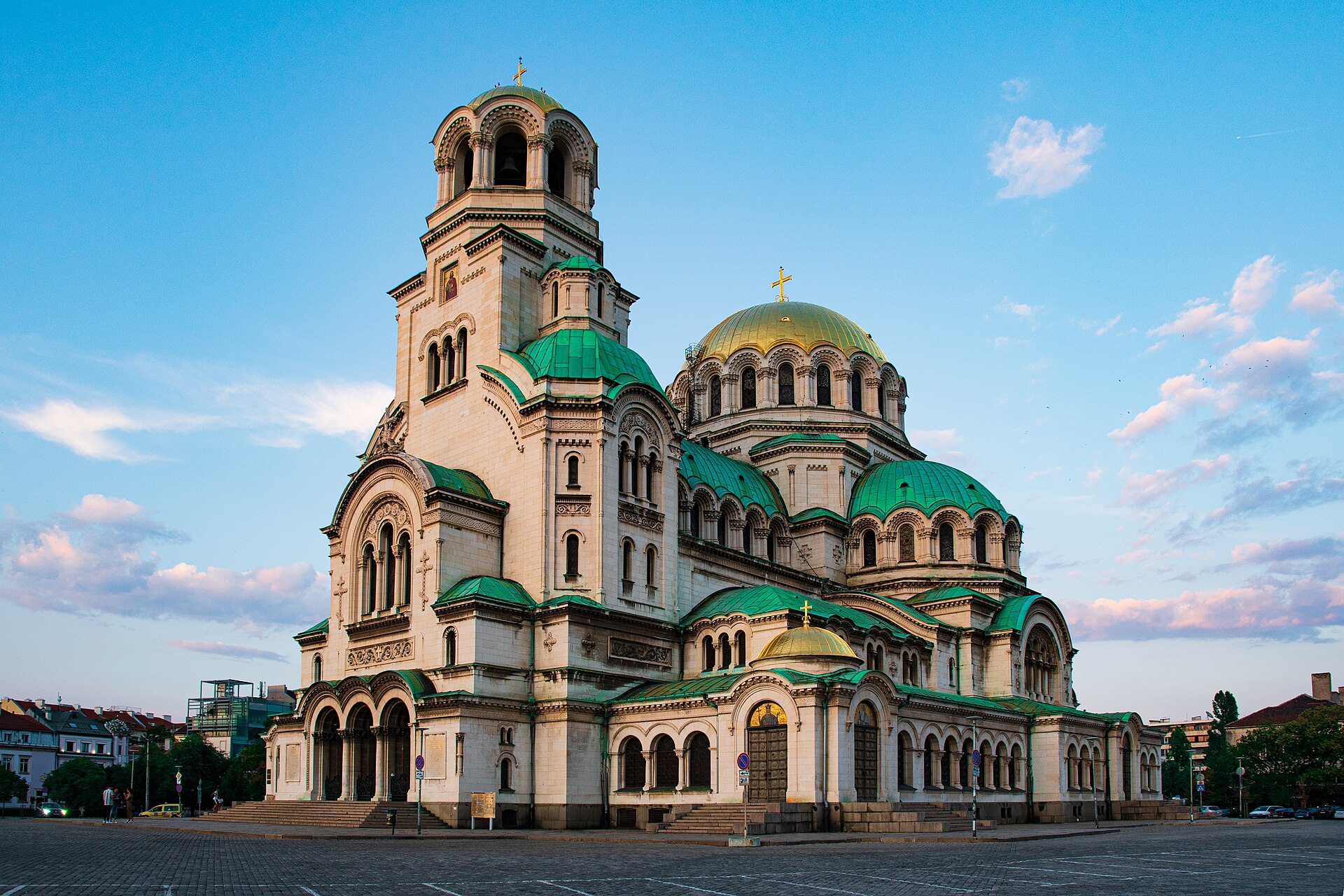
Saint Alexander Nevsky Cathedral
POICathedral housing several hundred icons and murals commissioned by architect Alexander Pomerantsev to commemorate two hundred thousand soldiers who died during the Russo-Turkish War.
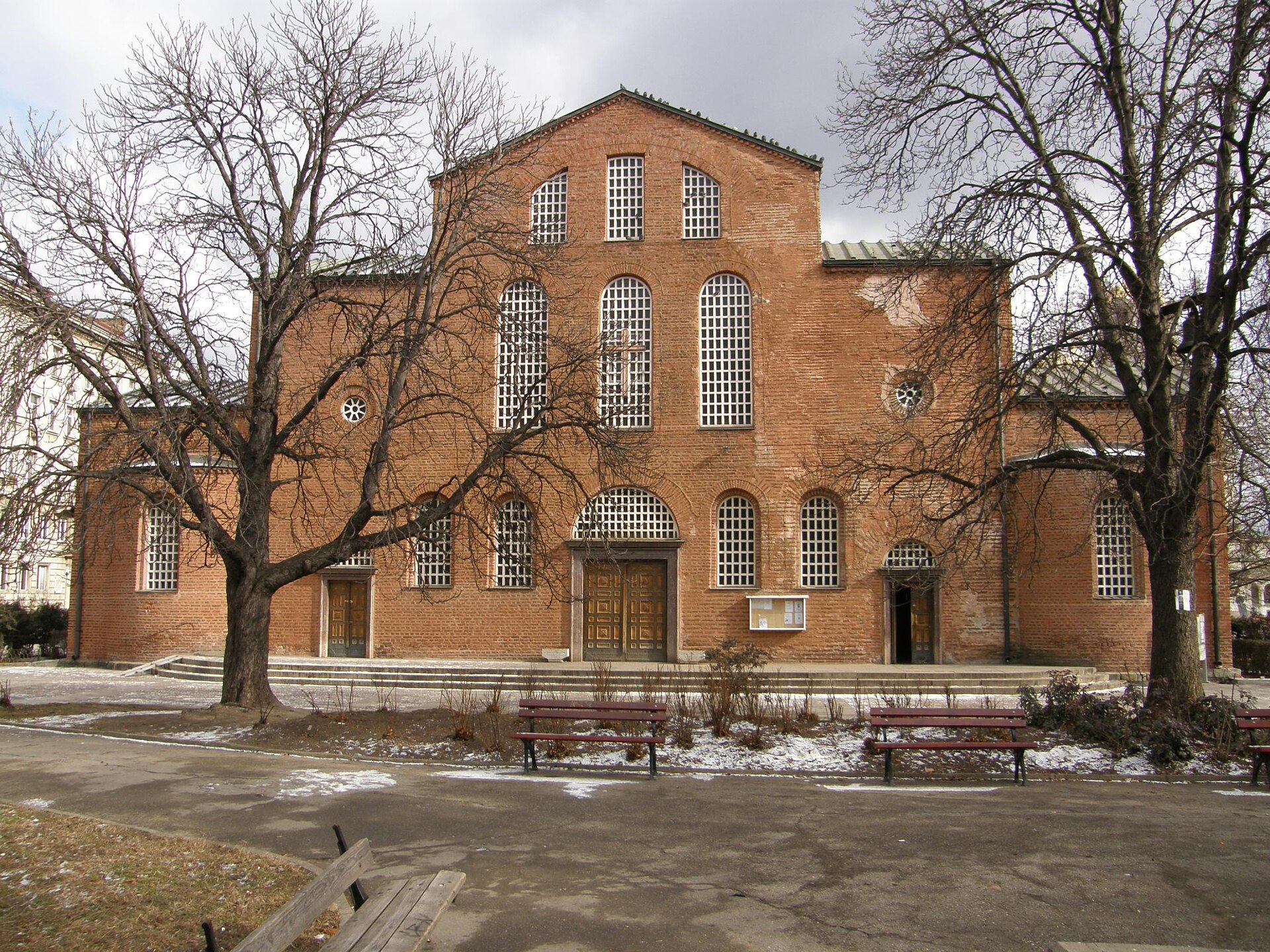
Saint Sophia Church
POIChurch containing three naves and a transept constructed above a necropolis where two hundred separate tombs and four earlier Christian temples were excavated.
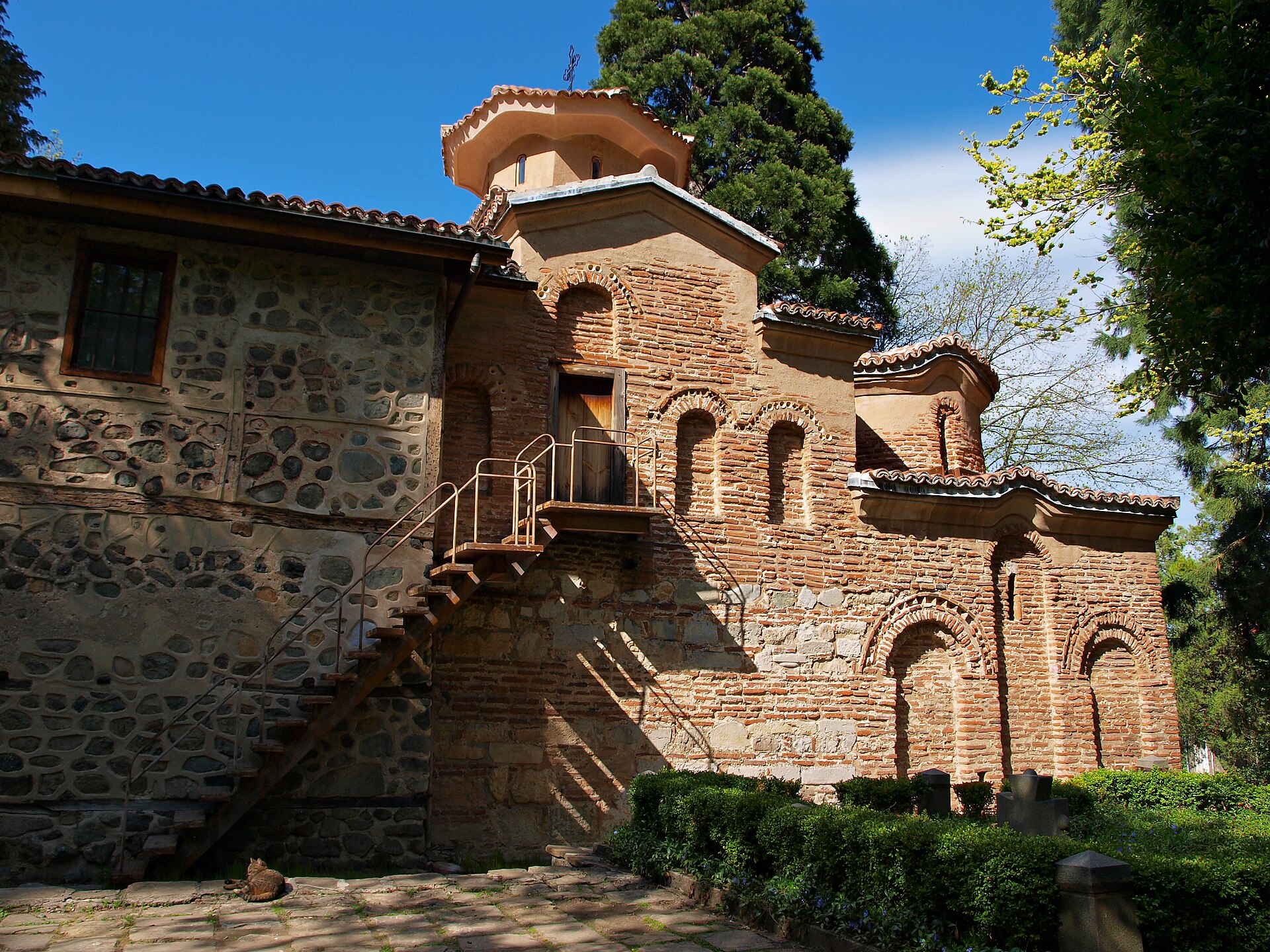
Boyana Church
POIChurch housing a central structure containing two layers of eighty-nine separate scenes and two hundred forty human figures commissioned by Sebastocrator Kaloyan.
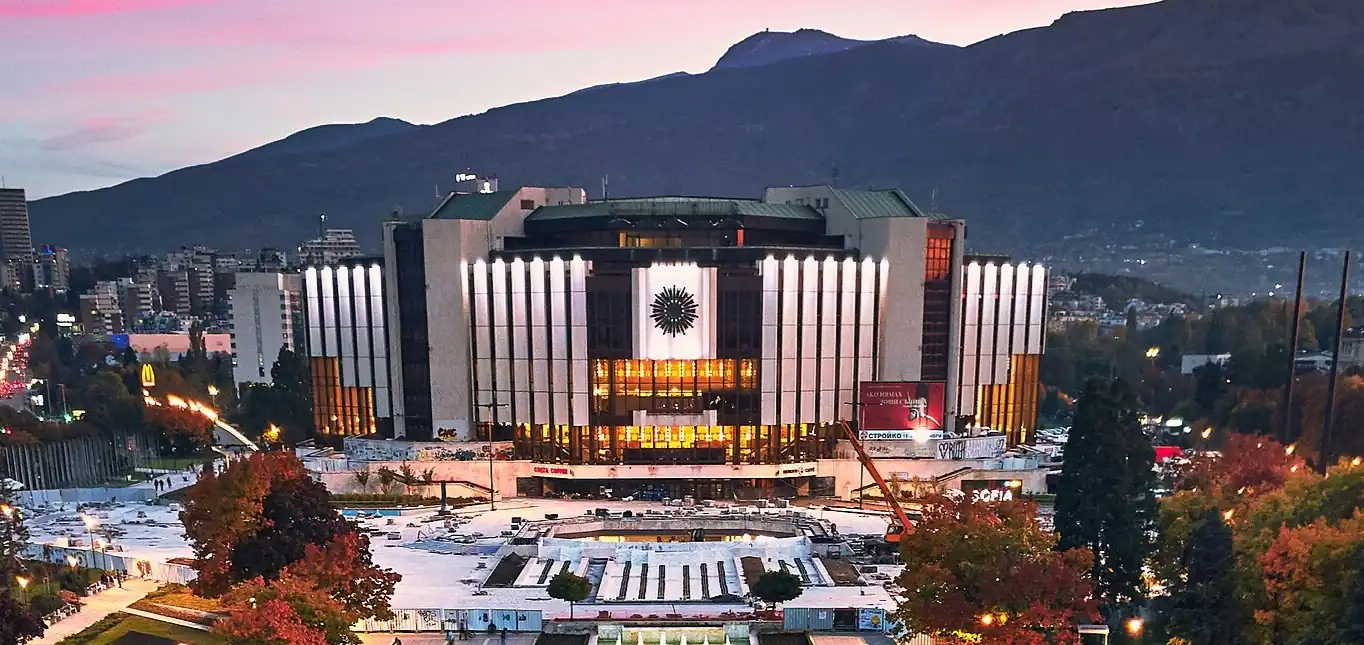
National Palace of Culture
POIAdministrative building and cultural center containing thirteen halls and fifteen thousand square meters of exhibition space, constructed under the direction of Lyudmila Zhivkova to host the diplomatic congresses and state functions of the Bulgarian Communist Party.
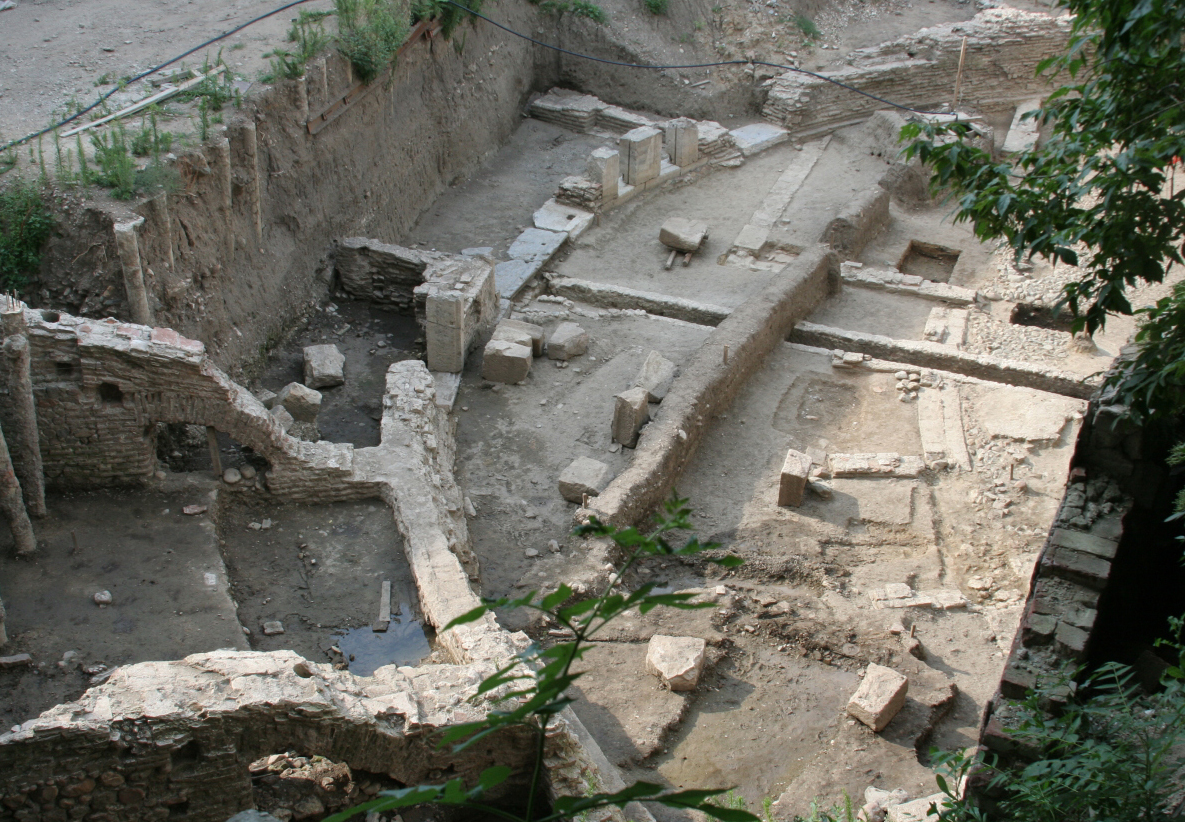
Amphitheatre of Serdica
POIAmphitheatre containing twenty-five thousand seat capacity and arena floor measuring sixty metres, where visitors observe overlapping Roman masonry and biological remains of gladiatorial combat.
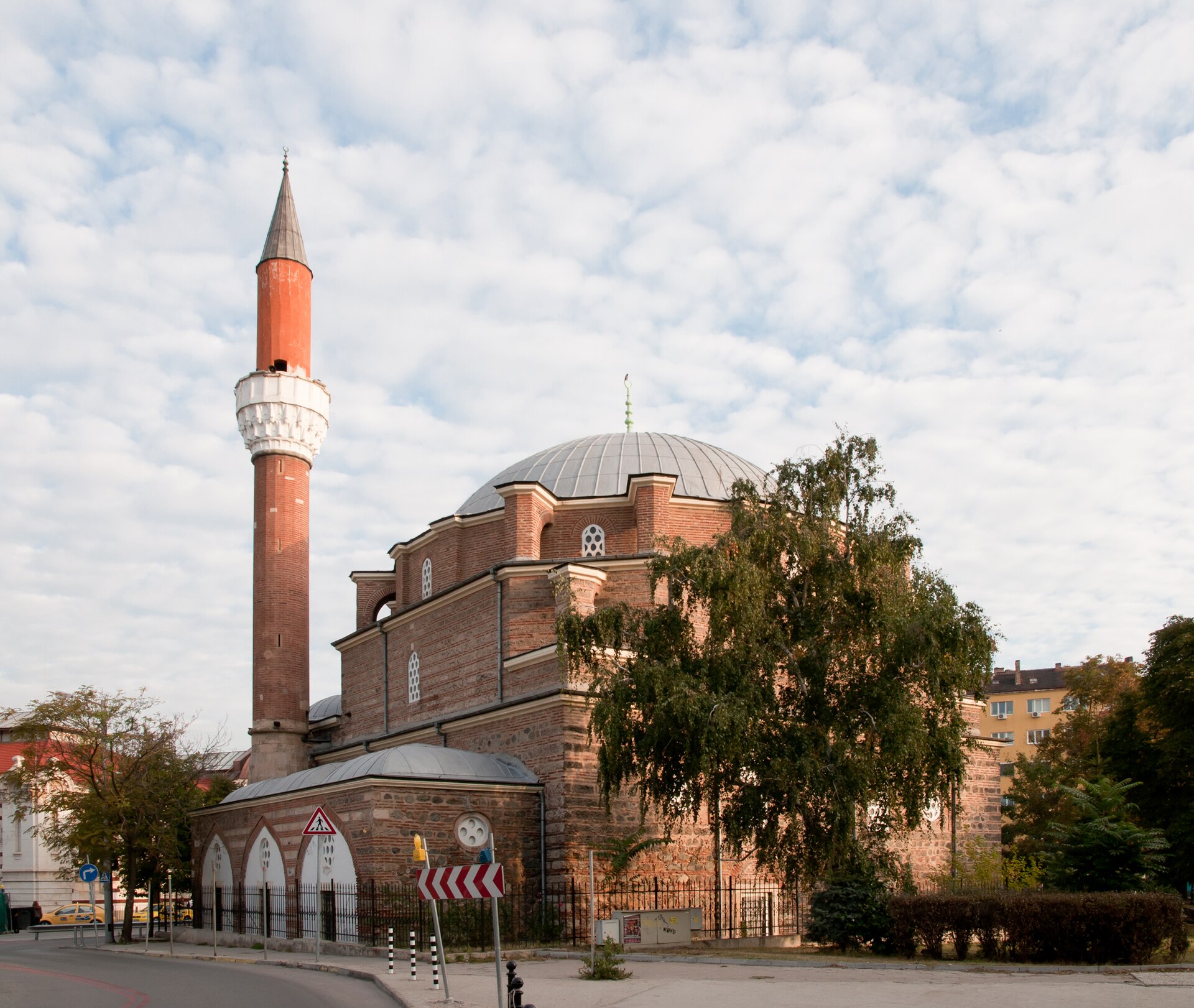
Banya Bashi Mosque
POIMosque containing sixteenth-century brickwork and central dome where visitors observe active prayer space atop thermal springs.
Sources & Further Reading
- [1]The Cities of the Balkans: From Constantine to Komnenos — John V. A. Fine. University of Michigan Press (1983)
- [2]A Concise History of Bulgaria — R. J. Crampton. Cambridge University Press (2005)
- [3]The Bulgarians: From Pagan Times to the Ottoman Conquest — David Marshall Lang. Westview Press (1976)
- [4]National Statistical Institute of BulgariaView