
Country Wiki
Germany
Germany, officially the Federal Republic of Germany, is a country in Central Europe known for its rich history, economic strength, and cultural influence. It shares borders with nine countries and has a diverse landscape that includes mountains, rivers, forests, and coastlines along the North and Baltic Seas. Germany is a federal parliamentary republic with a strong emphasis on industry, technology, and education. Its history spans ancient Germanic tribes, the Holy Roman Empire, the Reformation, industrialization, and modern unification, shaping its unique cultural and political identity.
Early History and Holy Roman Empire
c. 500 BCE – 1806 CEThe area now known as Germany was inhabited by various Germanic tribes in antiquity. The Holy Roman Empire emerged in 800 CE, lasting until 1806, encompassing much of Central Europe and forming a complex mosaic of principalities, duchies, and free cities.
19th Century Unification
1806–1871Following the Napoleonic Wars, German states underwent significant political and social change. Otto von Bismarck led the unification of Germany in 1871, establishing the German Empire with Prussia as its dominant state.
World Wars and Weimar Republic
1914–1945Germany was central to both World War I and World War II. After defeat in WWI, the Weimar Republic was established, facing political and economic instability. Nazi Germany under Adolf Hitler (1933–1945) led to WWII and the Holocaust, resulting in massive devastation.
Postwar Division and Reunification
1945–1990After WWII, Germany was divided into East Germany (GDR) and West Germany (FRG) during the Cold War. The Berlin Wall symbolized this division until 1989, with reunification achieved in 1990, restoring Germany as a federal republic.
Modern Germany
1990–presentGermany is now a stable democracy and economic powerhouse within the European Union. It is known for its high standard of living, technological innovation, and cultural heritage, balancing regional traditions with global influence.
Major Cities
6 listed
Notable POIs
10 listed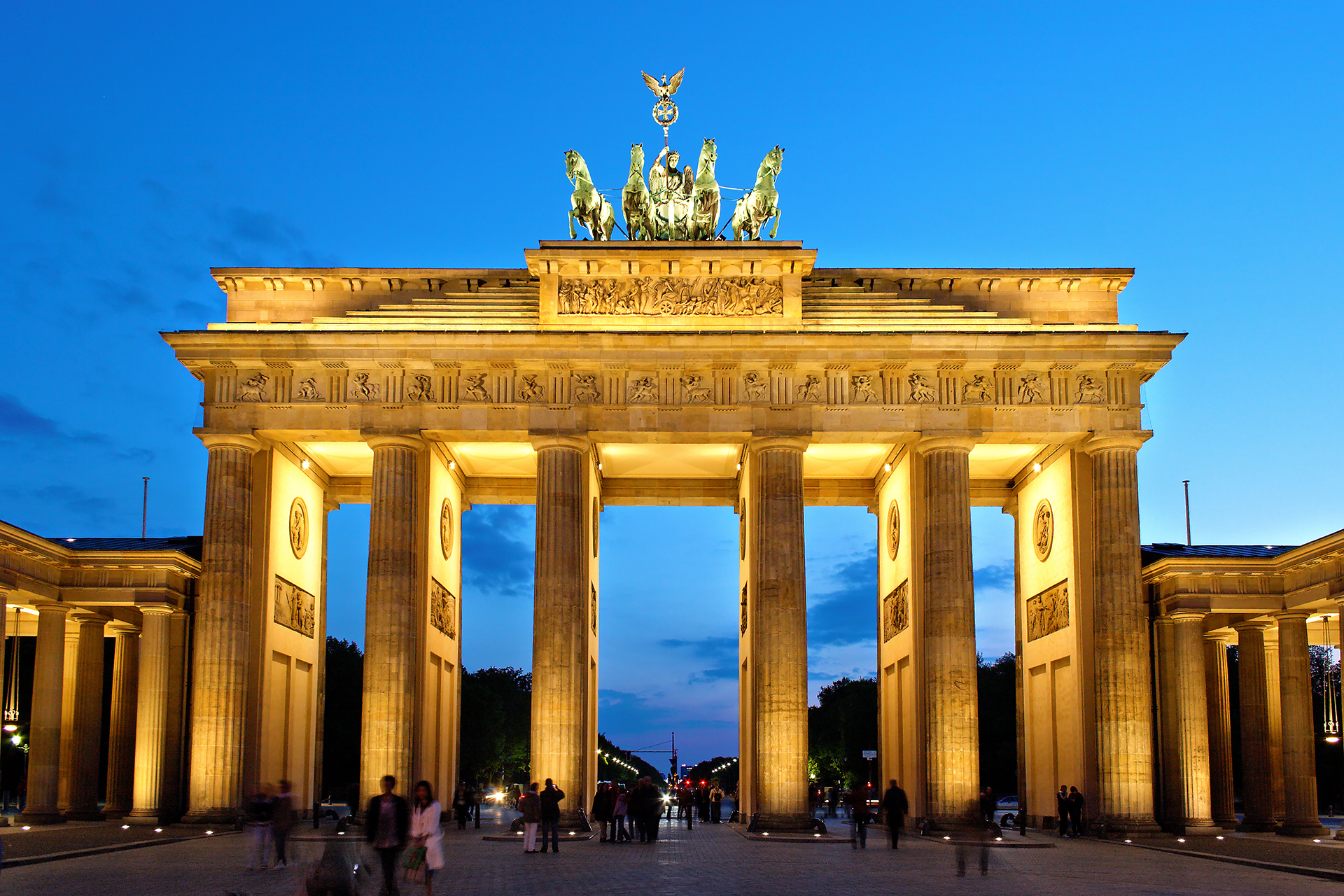
Brandenburg Gate
POINeoclassical monument symbolizing both the division of Germany during the Cold War and the unification of Europe.
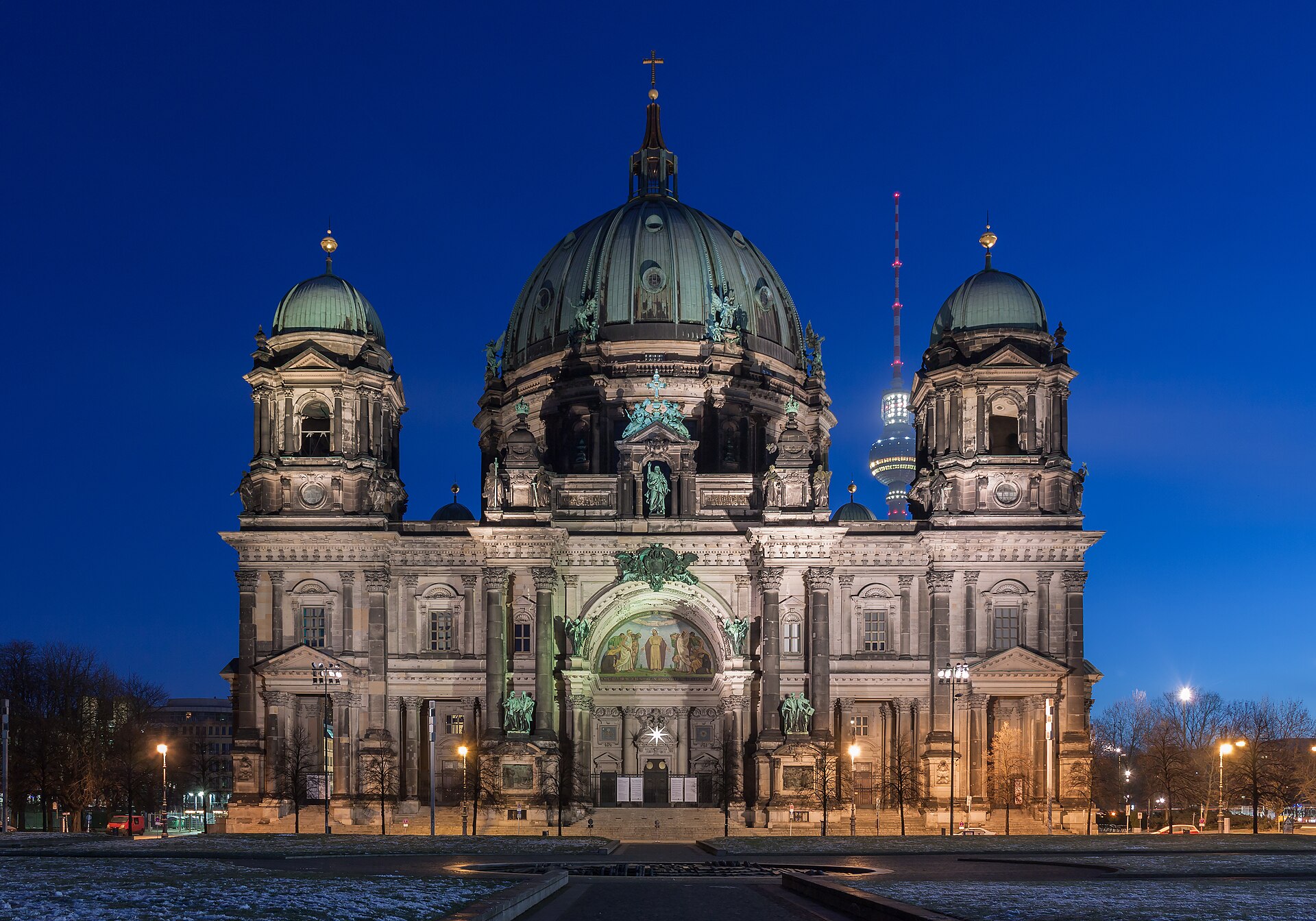
Berliner Dom
POIProtestant basilica featuring four distinct towers and a seventy-four-meter-high dome, housing ninety-four sarcophagi within the largest Hohenzollern crypt in Europe.
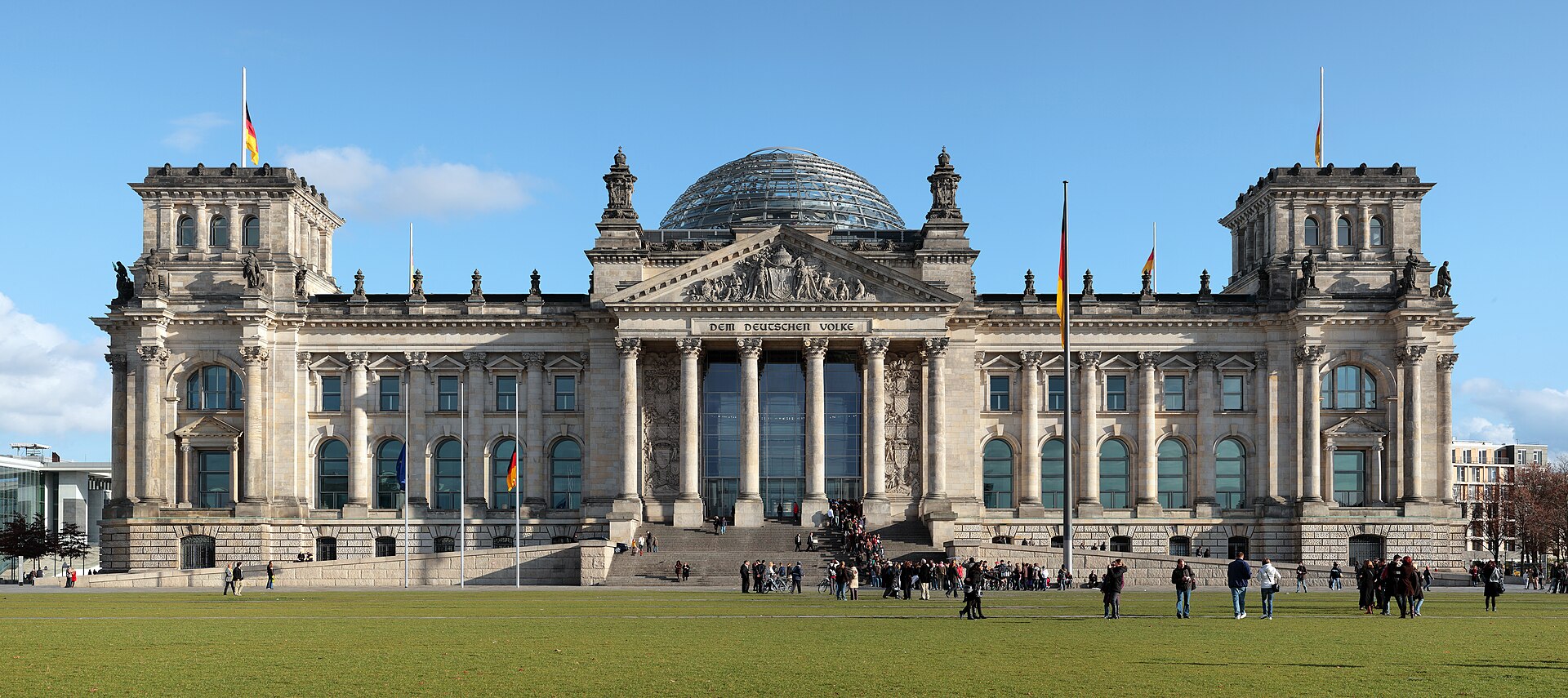
Reichstag Building
POIGerman Parliament building serving as the primary site for federal government sessions, also featuring 2.5 tons of historical graffiti left by Soviet soldiers.
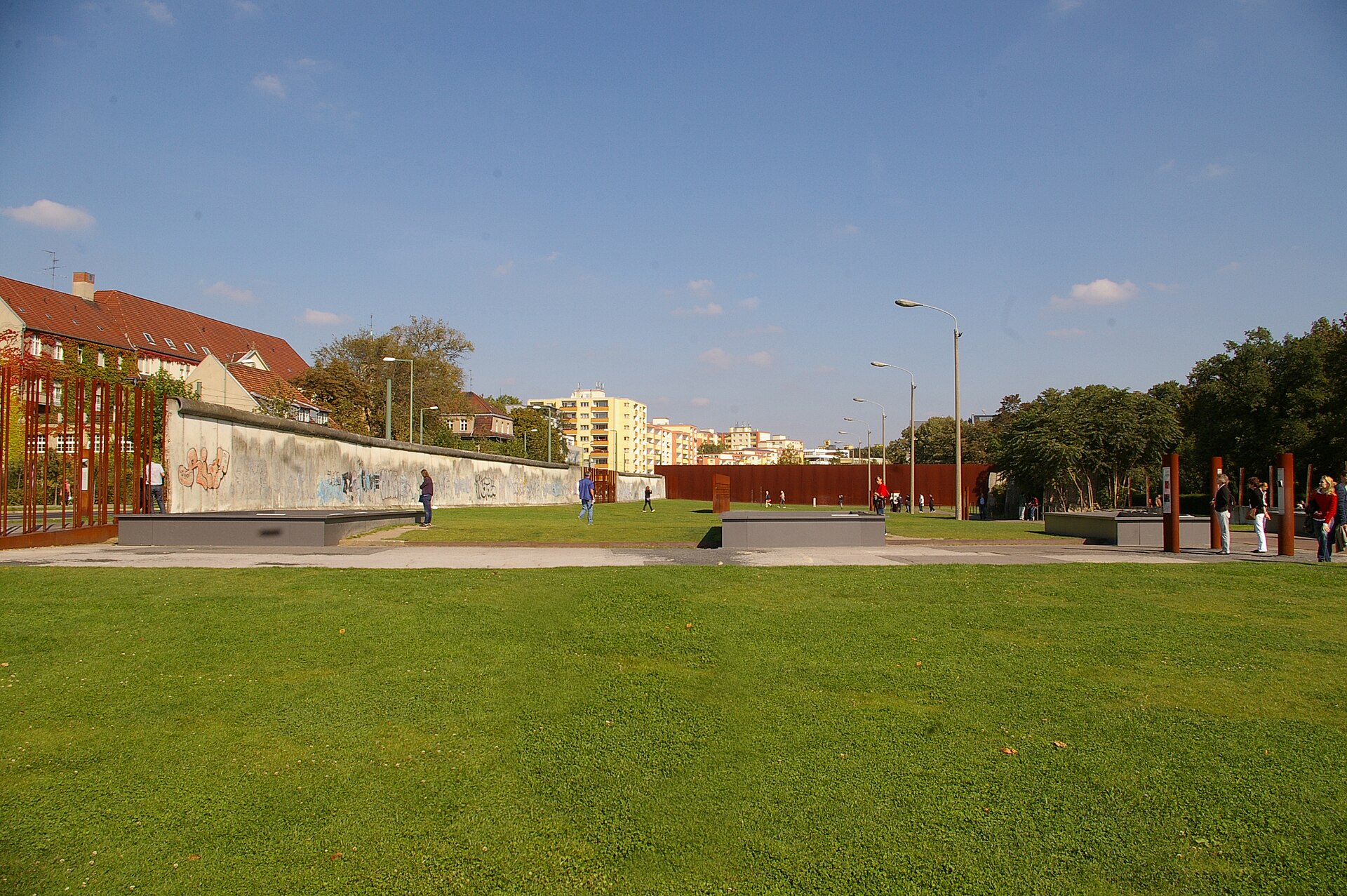
Berlin Wall Memorial
POIA complete section of the Berlin Wall with a watchtower, museum, and an open air exhibit.

Heidelberger Schloss
POIRenaissance palace ruins situated on a hillside above the city, featuring significant architectural elements and the Great Heidelberg Tun, a massive wine vat kept within the cellars.

Burg Hohenzollern
POIPalace and ancestral seat of the Prussian Royal House and Hohenzollern Princes, featuring three distinct defensive levels and neo-Gothic towers situated atop a prominent mount in the Swabian Jura.
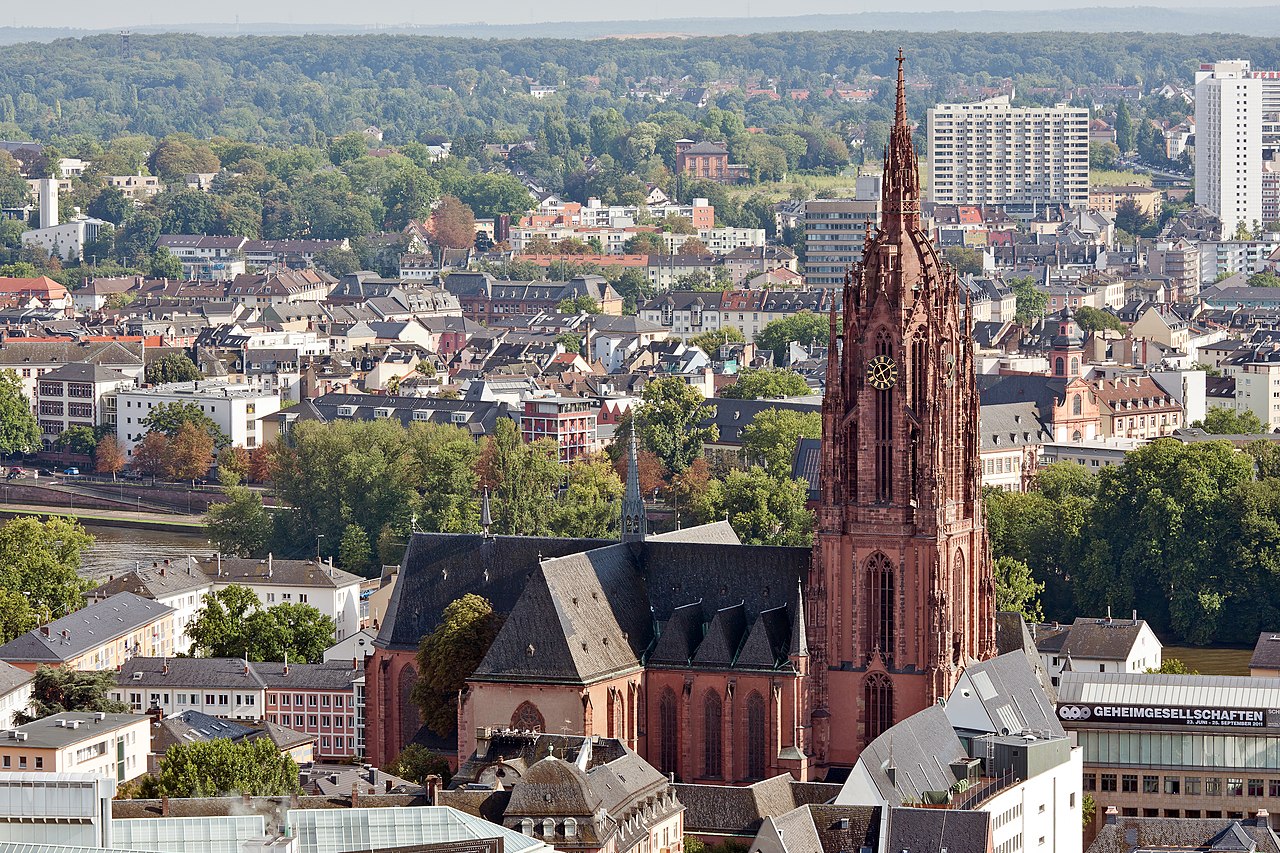
Frankfurter Dom
POIGothic church that served as the election and coronation site for Holy Roman Emperors, featuring a distinctive 95-meter-high late Gothic bell tower and red sandstone masonry.
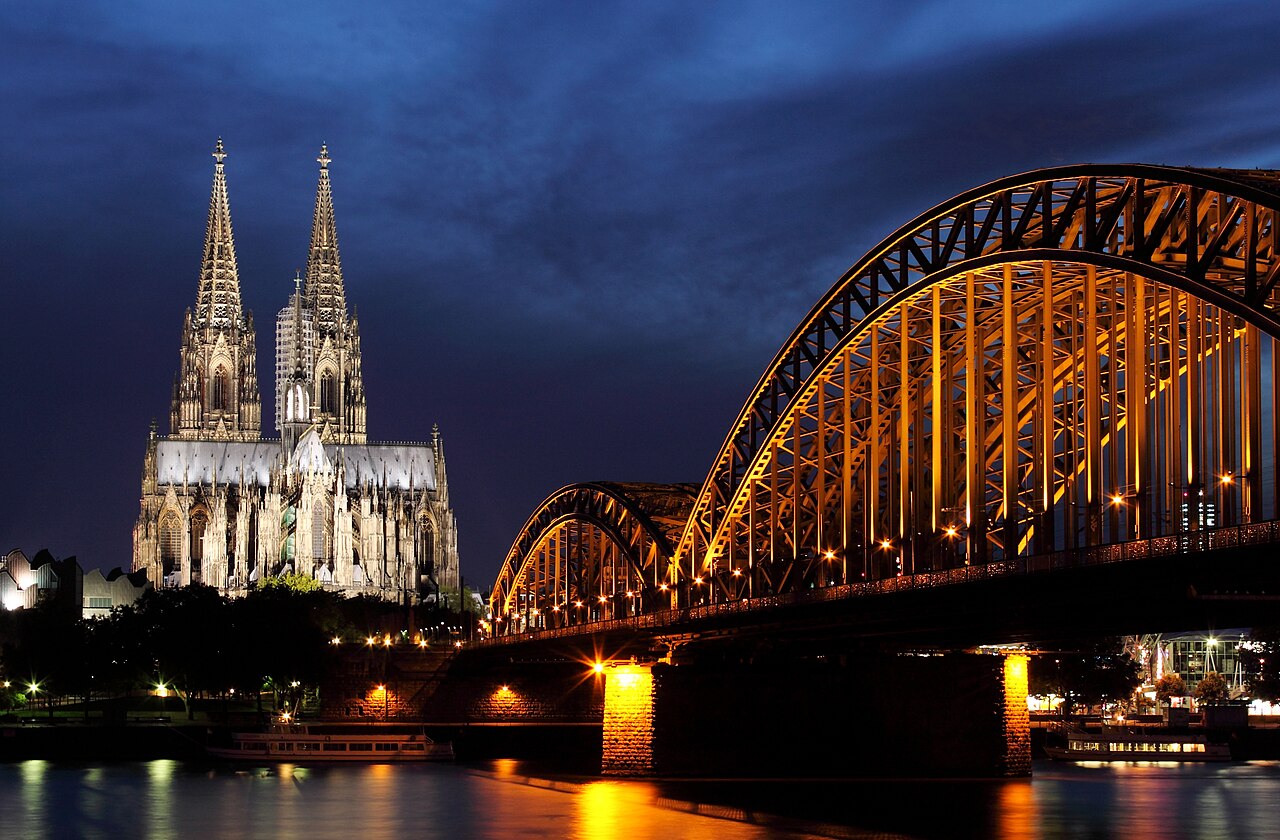
Kolner Dom
POIHigh Gothic cathedral housing the Shrine of the Three Kings, featuring two massive spires and extensive medieval stained glass within a cruciform floor plan.
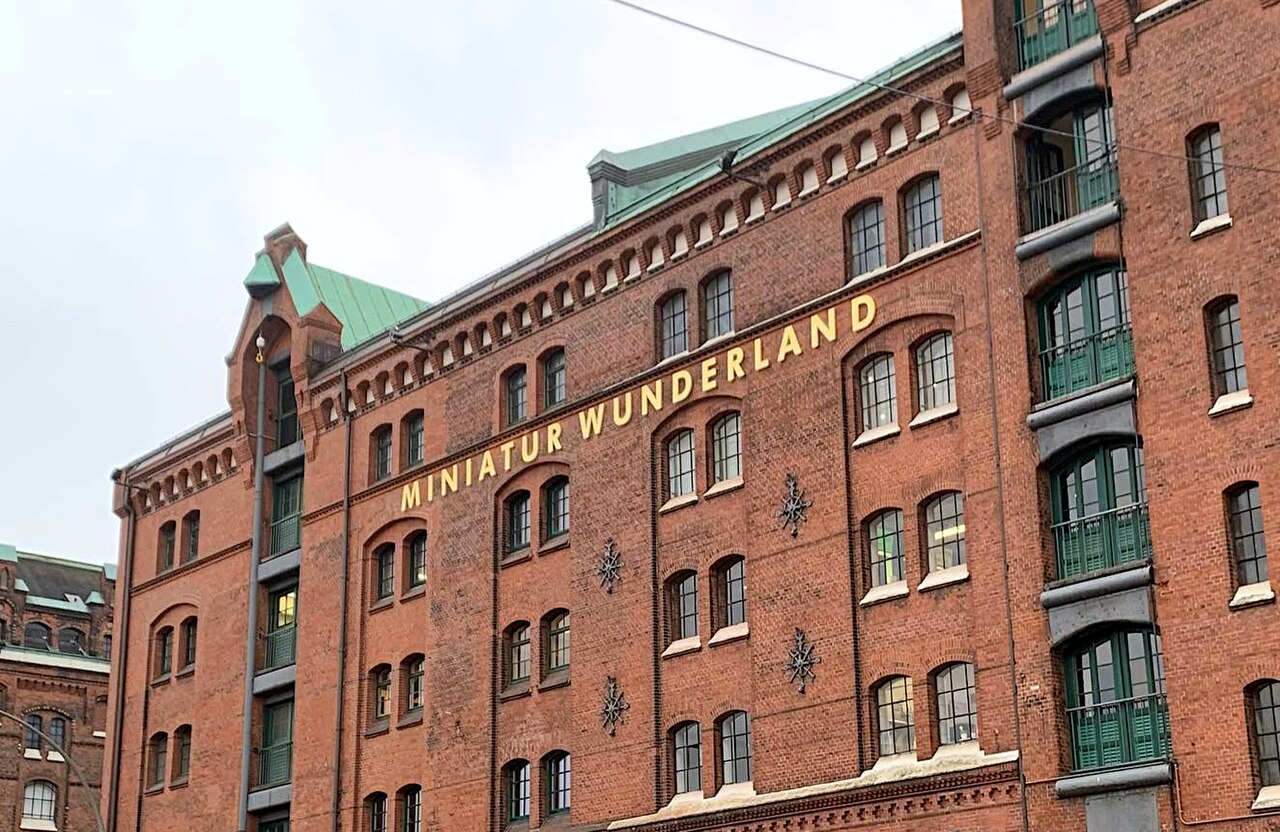
Miniatur Wunderland
POIMuseum in a restored warehouse containing the world's largest model railway with over 16,000 meters of track and distinct sections representing various international regions.

Schweriner Schloss
POIPalace situated on an island in the main lake, serving as the residence for dukes and grand dukes of Mecklenburg-Schwerin and currently housing the state parliament.
Sources & Further Reading
- [1]Germany: A New History — Michael Stürmer. Harvard University Press (2011)
- [2]Germany: Memories of a Nation — Neil MacGregor. Penguin Books (2016)
- [3]The Oxford Illustrated History of Modern Europe — T. C. W. Blanning. Oxford University Press (1996)