
Berlin
Berlin is the capital and largest city of Germany, located in the northeastern part of the country. It has been a central hub for politics, culture, and economics for centuries, evolving through periods of monarchy, division, and reunification.\n\nToday, Berlin is known for its vibrant arts scene, diverse population, and historical landmarks, including remnants of the Berlin Wall, the Brandenburg Gate, and Museum Island. The city blends modern innovation with a rich cultural heritage, attracting millions of visitors annually.
Founding and Early History
13th centuryBerlin originated as a trading settlement in the 13th century along the banks of the Spree River. It grew into a center for commerce and craft, eventually merging with the nearby town of Cölln.
Prussian and Imperial Era
18th-19th centuriesBerlin became the capital of the Kingdom of Prussia and later the German Empire. Industrialization and urban expansion transformed the city, establishing it as a political and cultural hub.
20th Century Turmoil
20th centuryThe city experienced major upheaval during both World Wars. After WWII, Berlin was divided into East and West, symbolizing the Cold War, until reunification in 1990.
Modern Berlin
1990-presentSince reunification, Berlin has emerged as a global city known for innovation, creative industries, and international culture. It continues to preserve historical sites while developing modern infrastructure.
Notable POIs in Berlin
6 listed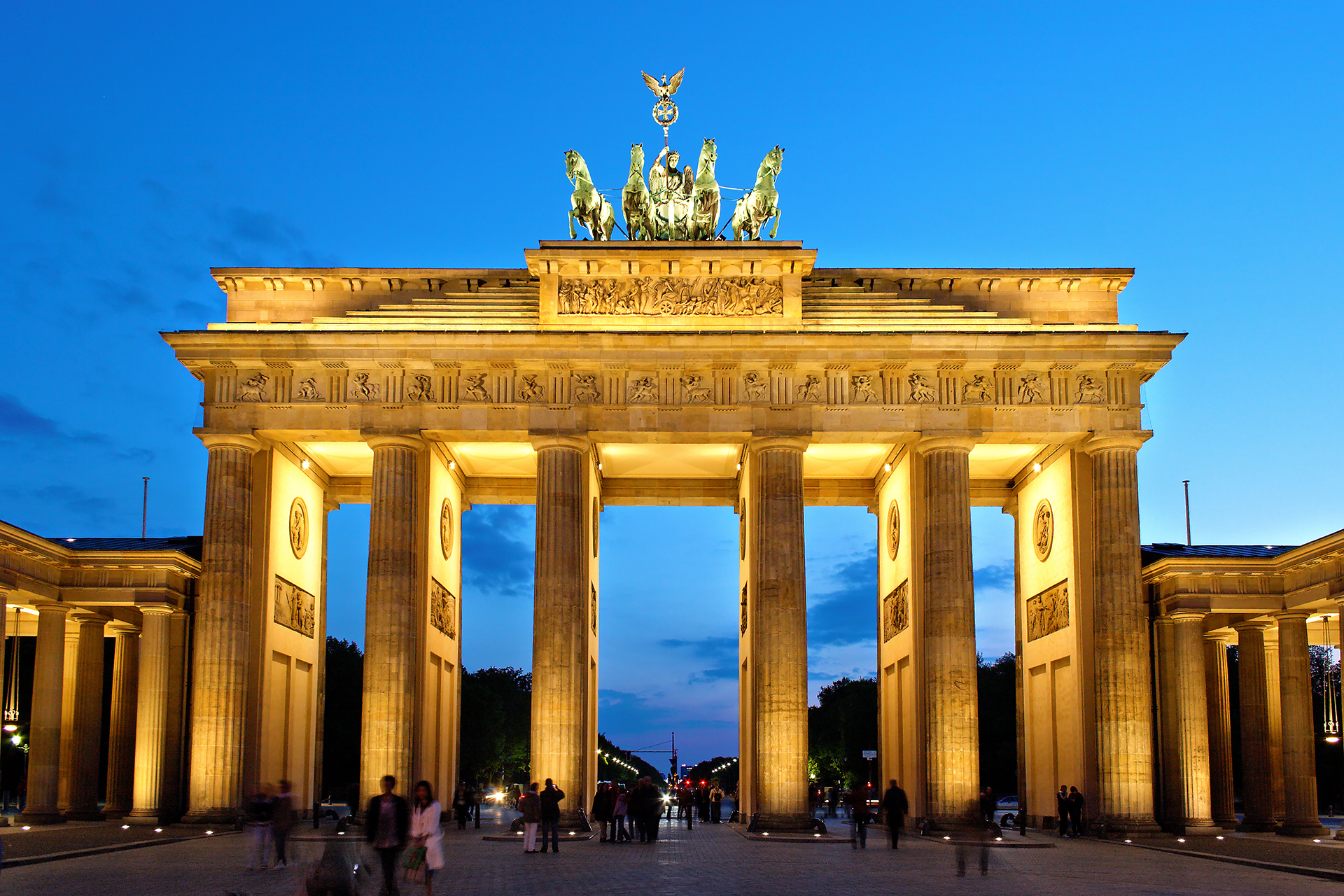
Brandenburg Gate
POINeoclassical monument symbolizing both the division of Germany during the Cold War and the unification of Europe.
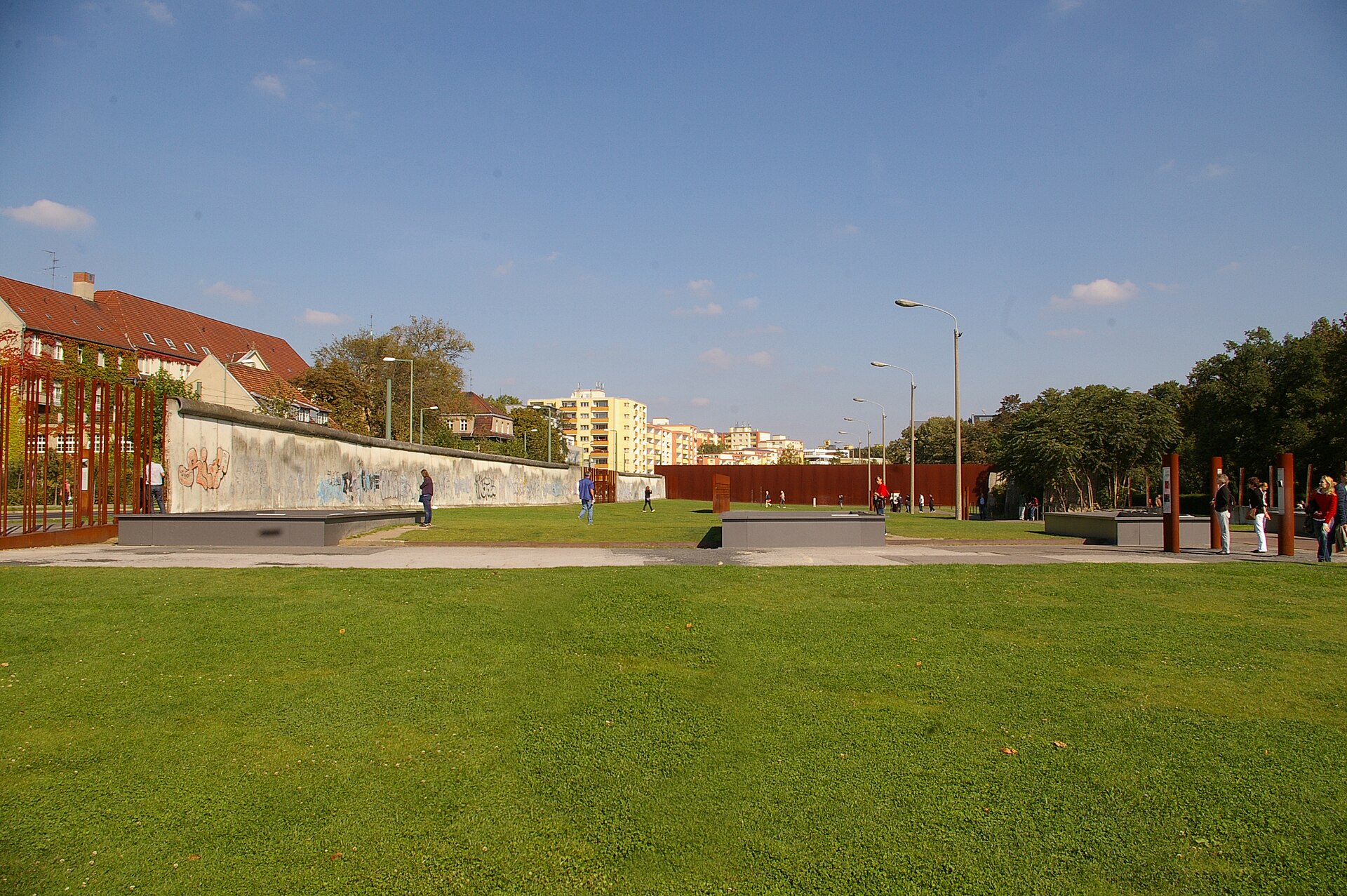
Berlin Wall Memorial
POIA complete section of the Berlin Wall with a watchtower, museum, and an open air exhibit.
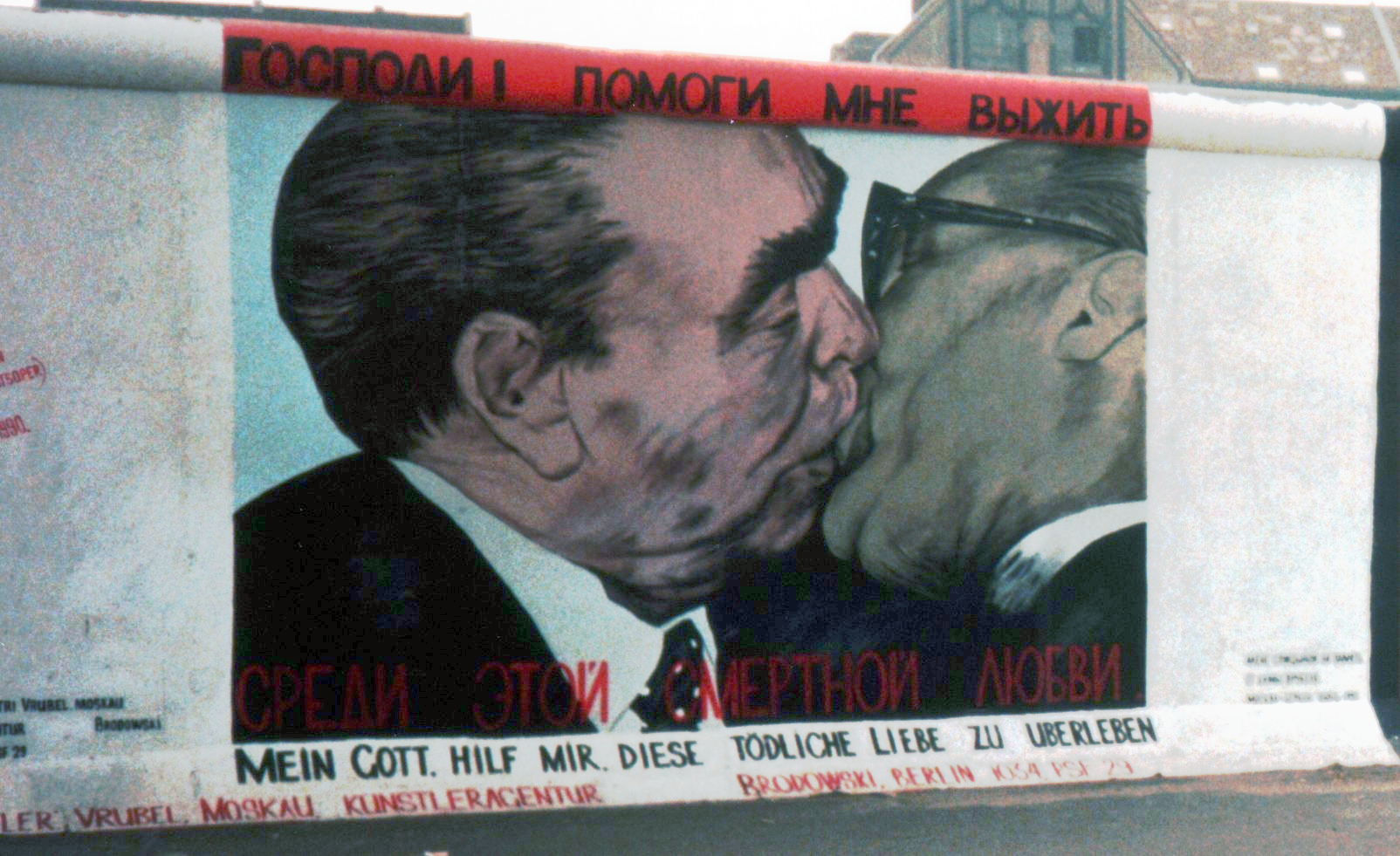
East Side Gallery
POIOpen-air memorial featuring one hundred one distinct mural paintings executed by one hundred eighteen international artists on the longest surviving section of the Berlin Wall.
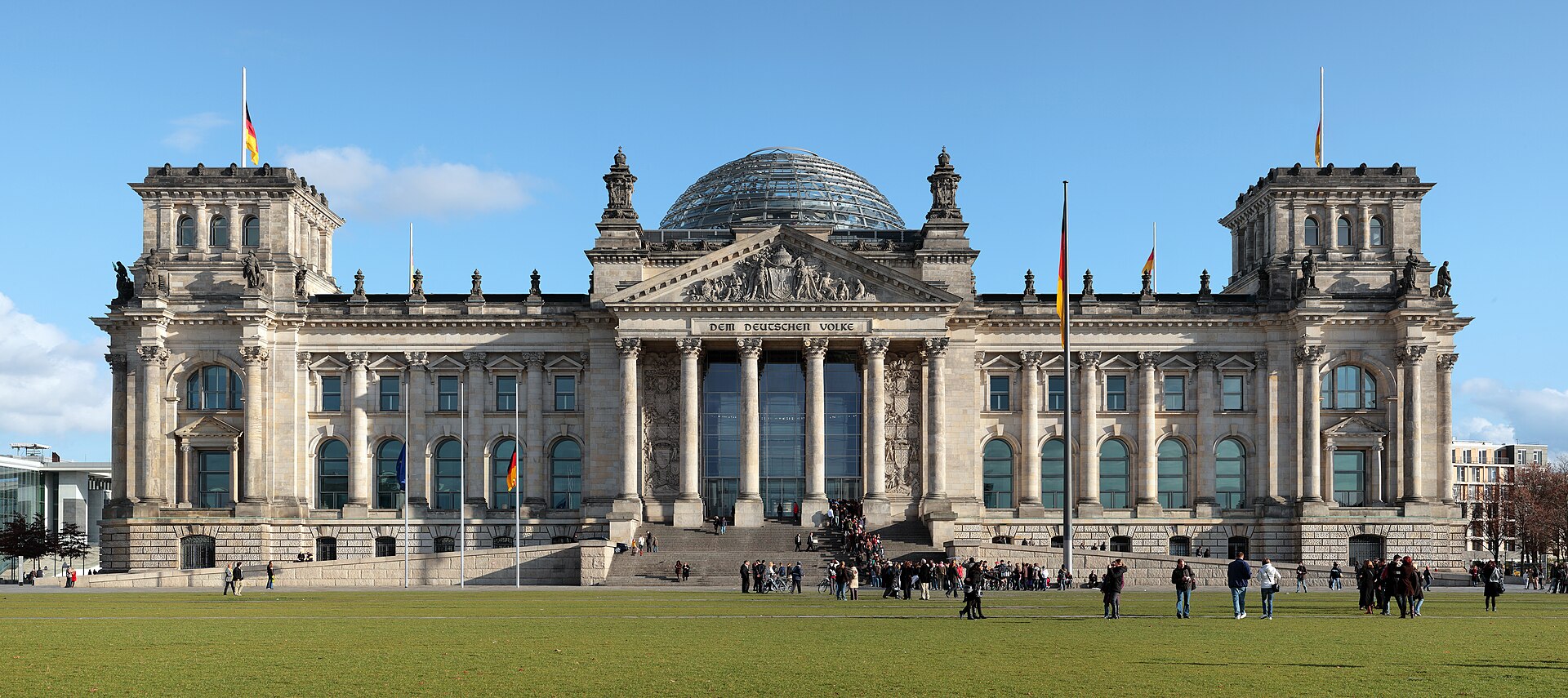
Reichstag Building
POIGerman Parliament building serving as the primary site for federal government sessions, also featuring 2.5 tons of historical graffiti left by Soviet soldiers.
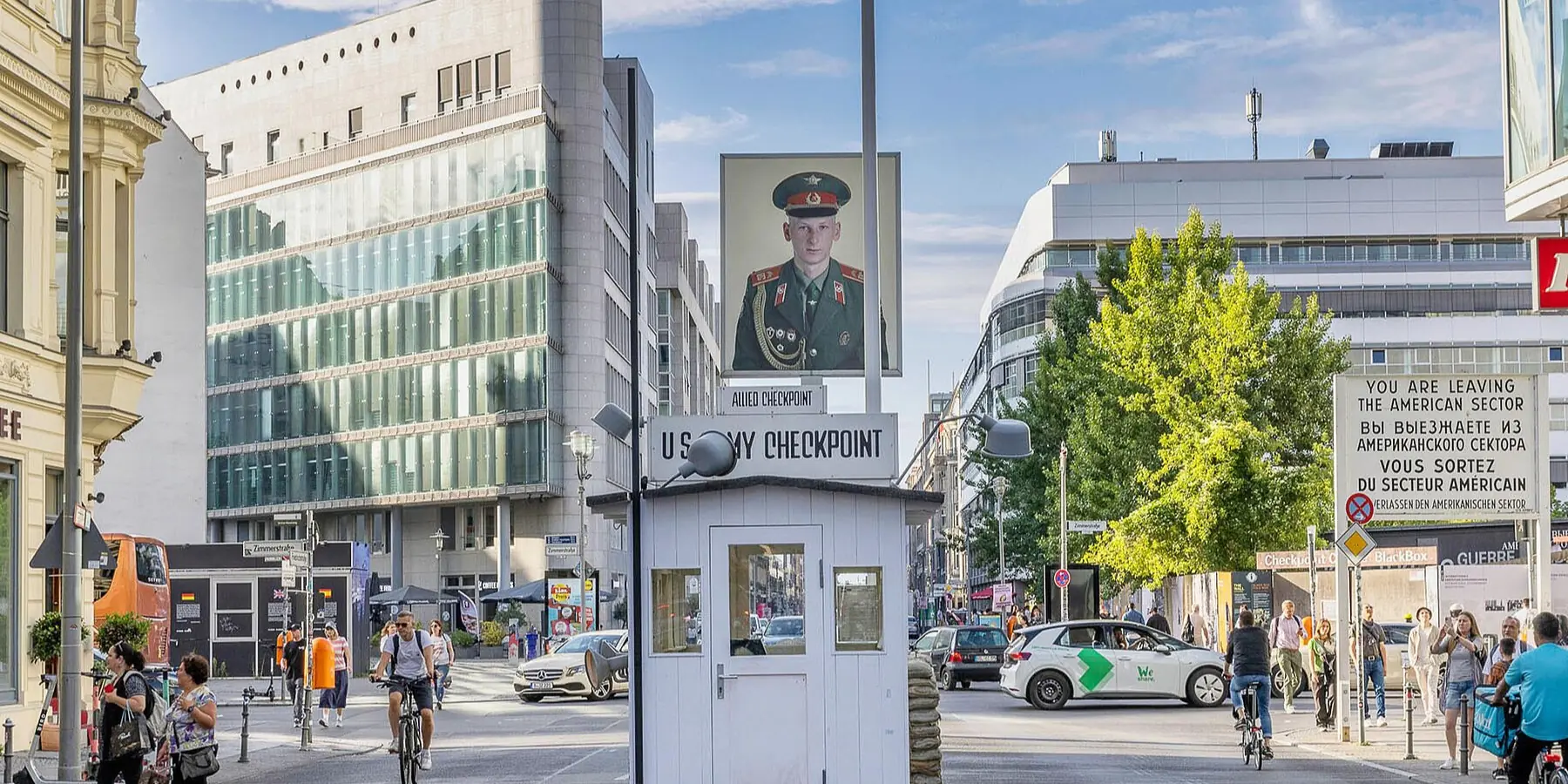
Checkpoint Charlie
POIBoundary marking between East and West Berlin featuring a white sentry guard house and a cobblestone line, serving as the most prominent crossing point for foreigners and Allied forces during the Cold War.
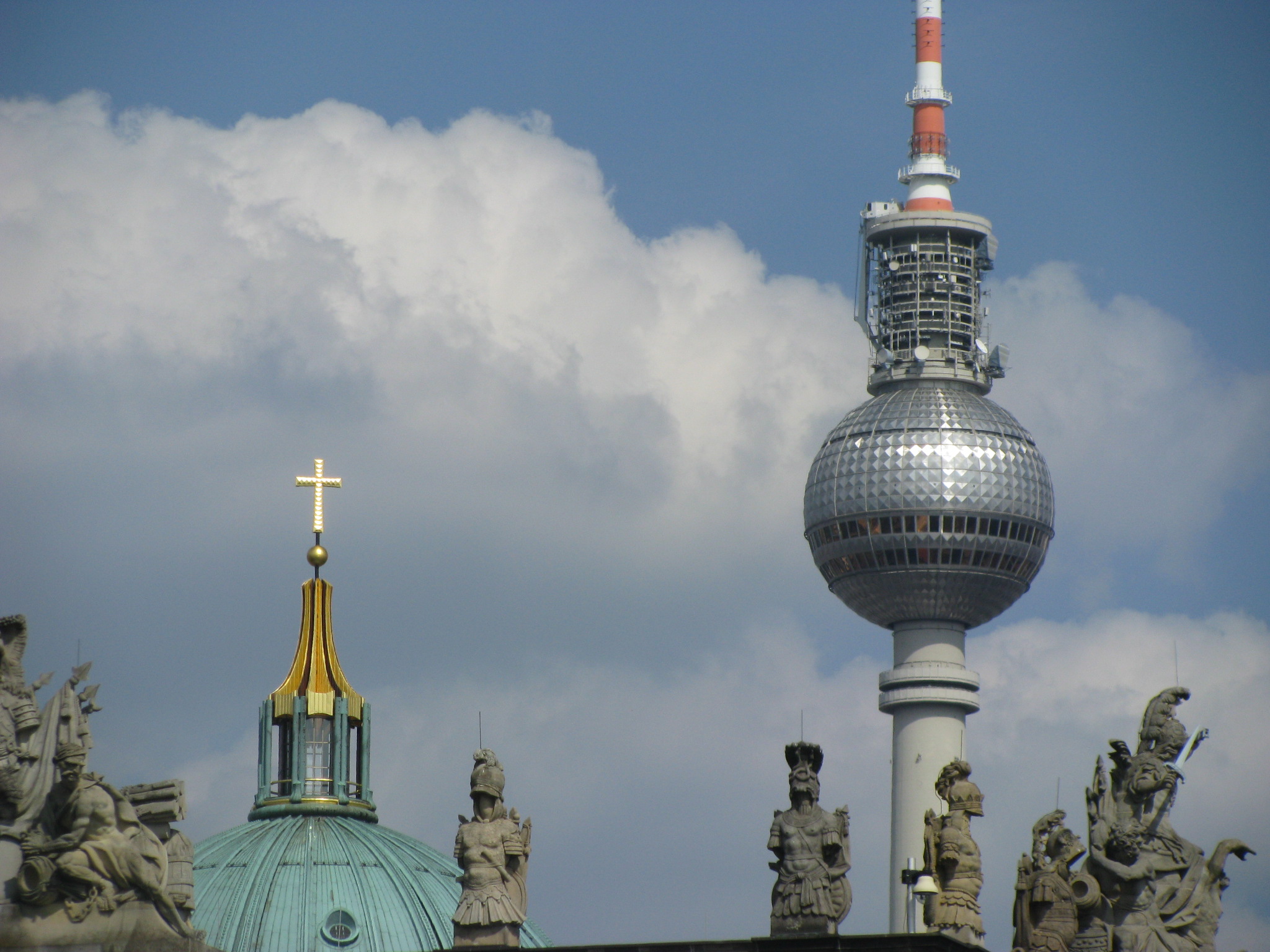
Berliner Fernsehturm
POIThe world's fourth tallest freestanding structure, and the main symbol of the formerly Communist East Germany.
Sources & Further Reading
- [1]Berlin: The Story of a City — H. James. Basic Books (2017)
- [2]Berlin: A Cultural History — Peter Watson. Bloomsbury (2013)
- [3]The Berlin Wall: A World Divided — Frederick Taylor. HarperCollins (2006)