
Country Wiki
Austria
Austria is a landlocked country in Central Europe, renowned for its dramatic Alpine landscapes, rich musical heritage, and profound historical influence. As the former heart of the Habsburg Empire, it serves as a bridge between Western and Eastern Europe, blending imperial grandeur with a modern, high-quality standard of living. Today, Austria is a stable parliamentary republic and a member of the European Union. It is celebrated globally for its contributions to classical music, philosophy, and art, while its mountainous terrain makes it a premier destination for winter sports and outdoor tourism throughout the year.
Early History and the Holy Roman Empire
Prehistory – 1806The region was inhabited by Celtic tribes before becoming part of the Roman Empire. During the Middle Ages, the House of Babenberg and later the House of Habsburg consolidated power, eventually establishing the Archduchy of Austria as a central pillar of the Holy Roman Empire.
The Austro-Hungarian Empire
1867 – 1918Following the Napoleonic Wars, the Austrian Empire emerged as a major European power. In 1867, the Dual Monarchy of Austria-Hungary was formed, creating a vast, multi-ethnic state that dominated Central Europe until its collapse at the end of World War I.
The First Republic and World War II
1918 – 1945After the dissolution of the empire, the First Austrian Republic faced significant political instability. In 1938, the country was annexed by Nazi Germany in the Anschluss, leading to its involvement in World War II and subsequent occupation by Allied forces.
Modern Austria
1945 – presentAustria regained its full sovereignty in 1955 with the signing of the State Treaty, which established the country as a permanently neutral state. Since then, it has developed into a prosperous, democratic nation and joined the European Union in 1995.
Major Cities
6 listedNotable POIs
10 listed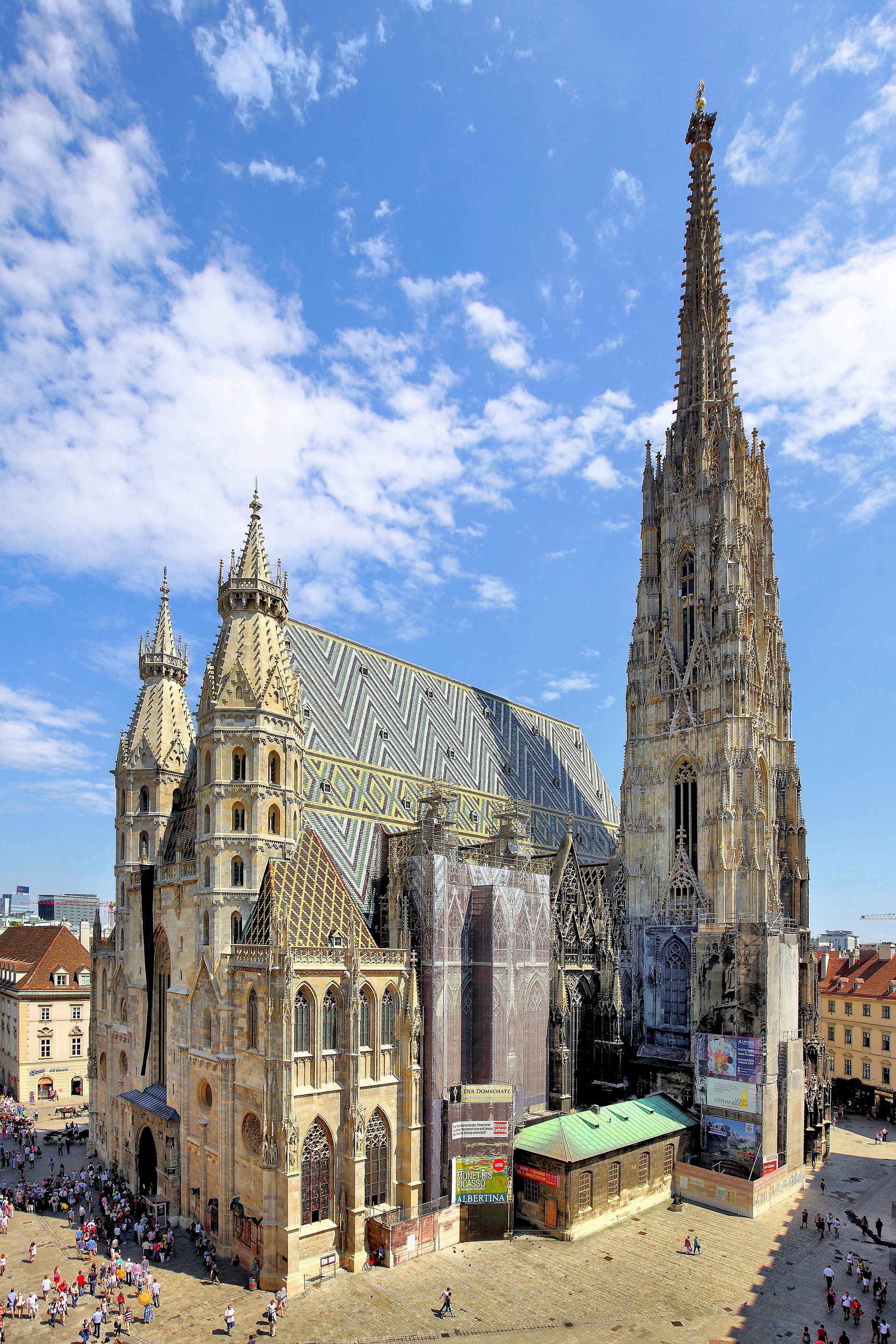
Stephansdom
POIRomanesque and Gothic cathedral that is the mother church of the Archdiocese of Vienna.
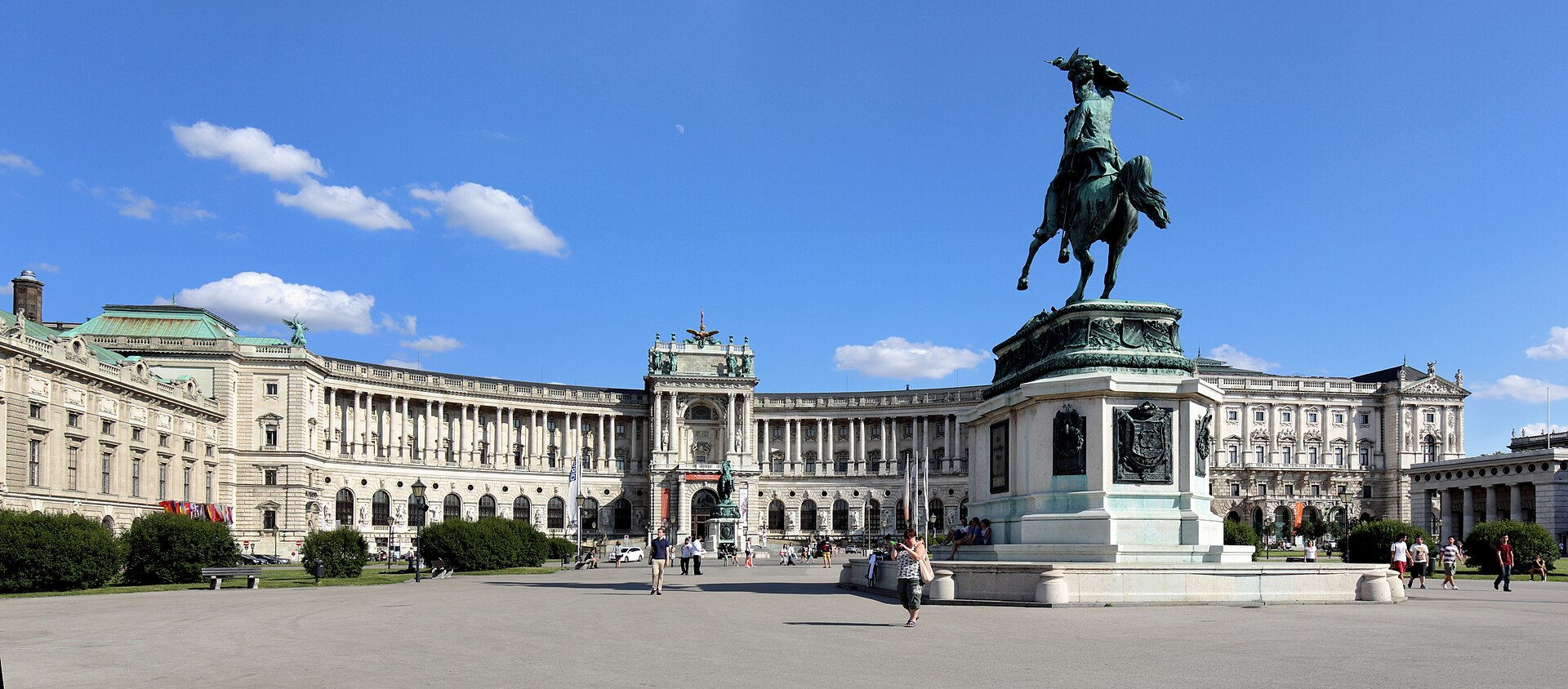
Hofburg
POIThe former imperial palace of the Hapsburgs and the current residence of the president of Austria.
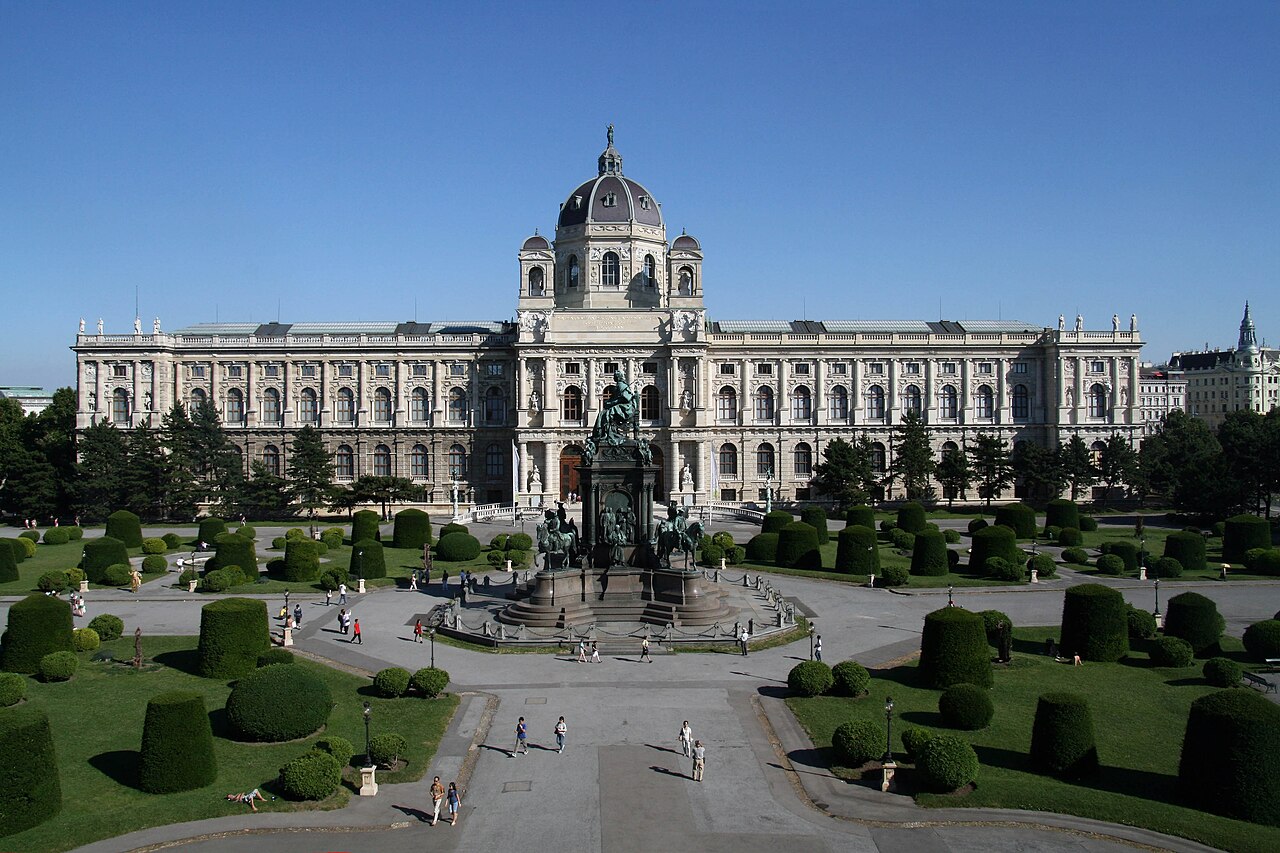
Kunsthistorisches Museum
POIThe largest art museum in Austria, housing the Hapsburg family's extensive art collection.
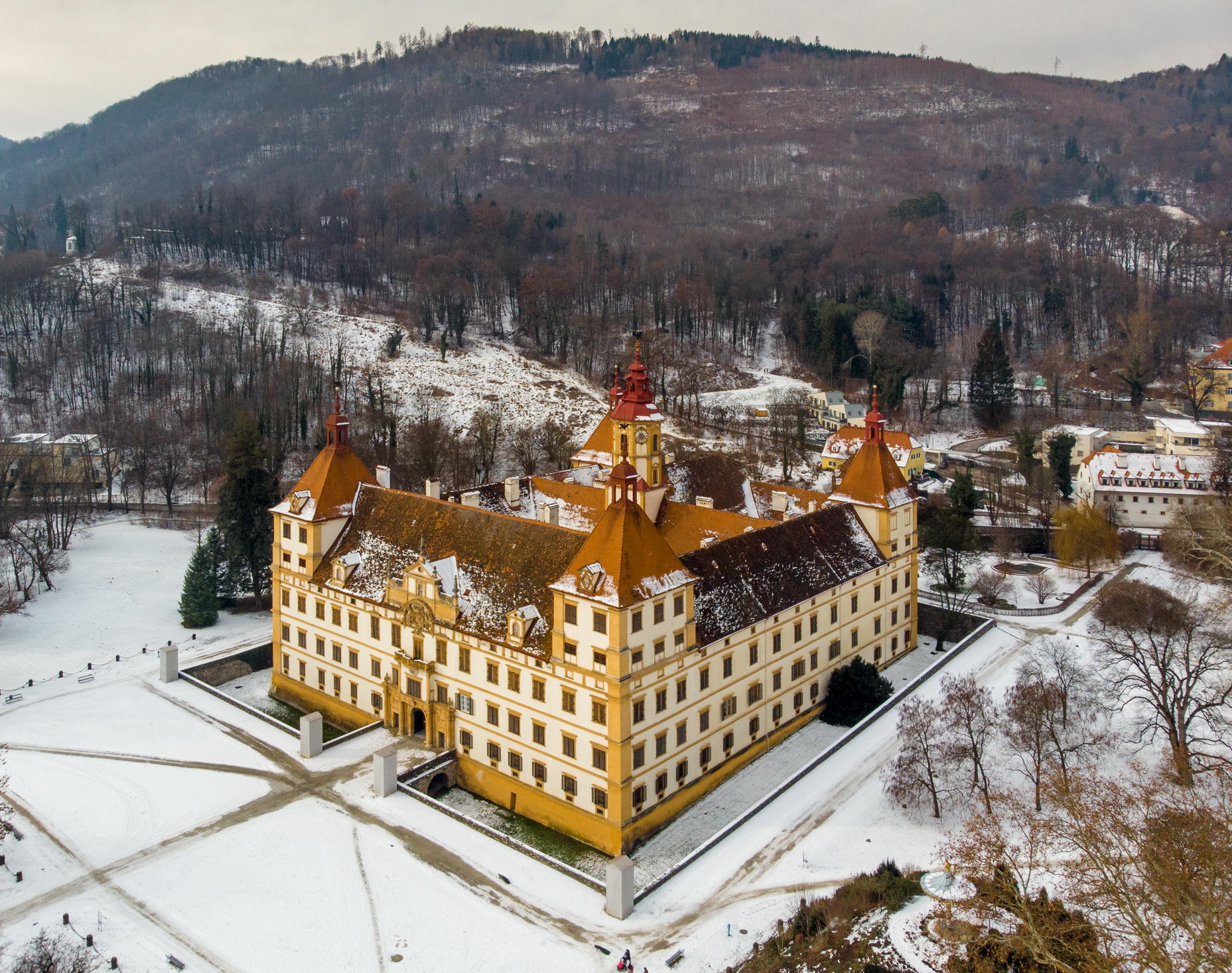
Schloss Eggenberg
POIBaroque residence housing 24 preserved state rooms, art and archaeology museums, and gardens.

Schloss Esterhazy
POIBaroque palace constructed in the late 13th century and converted into its current form by Paul I, 1st Prince Esterházy of Galántha, serving as the principal residence and administrative center of the family for over 300 years.

Carnuntum
POIAncient Roman legionary fortress and civilian city featuring reconstructed structures that provide insight into provincial life along the Danube frontier during the Roman Empire.

Semmering Railway
POIMountain railway completed in 1854, recognized as the world's first high-mountain railway and a pioneering feat of civil engineering through the Alps.
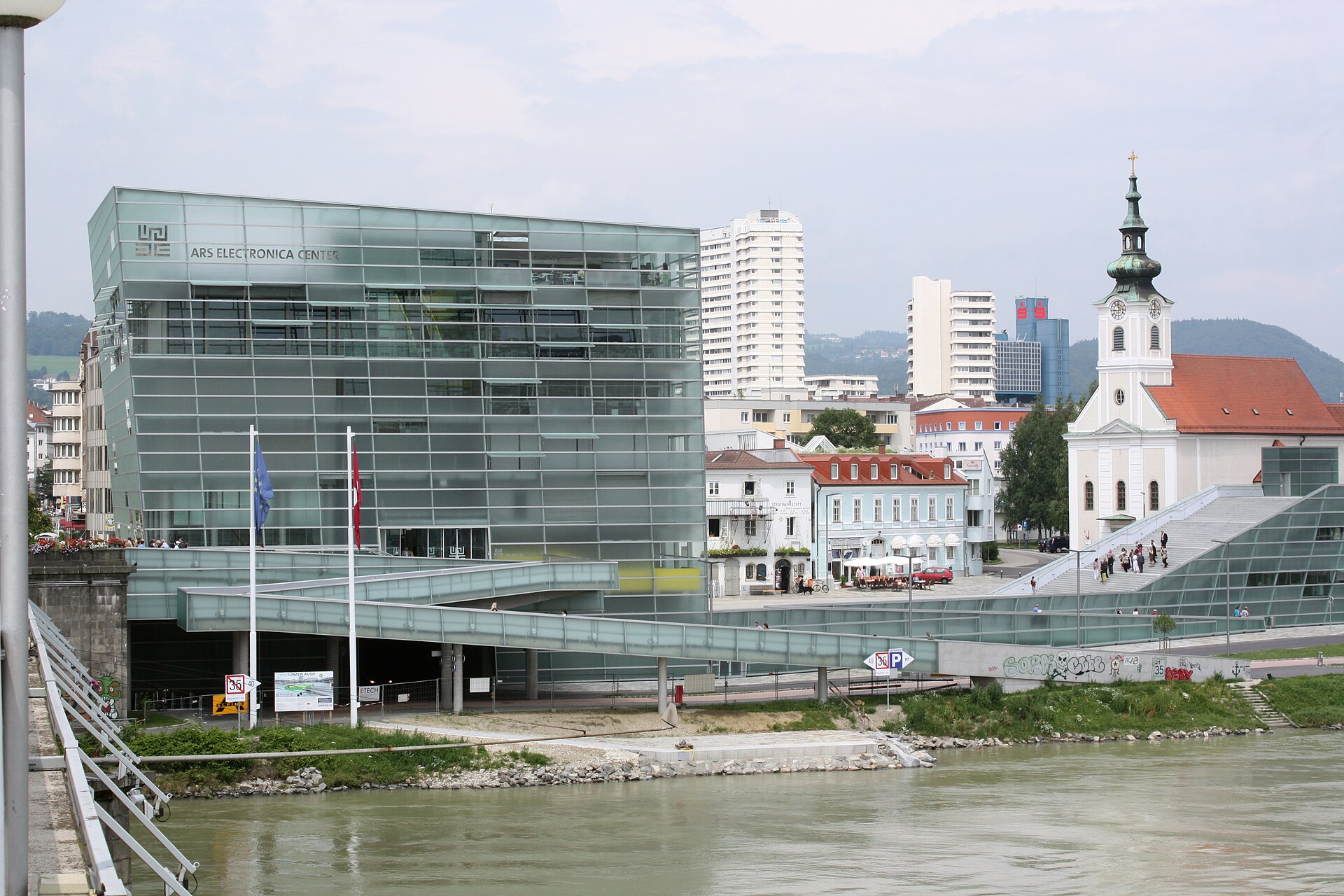
Ars Electronica
POIAustrian cultural, educational and scientific institute active in the field of new media art, and its activities focus on the interlinkages between art, technology and society.
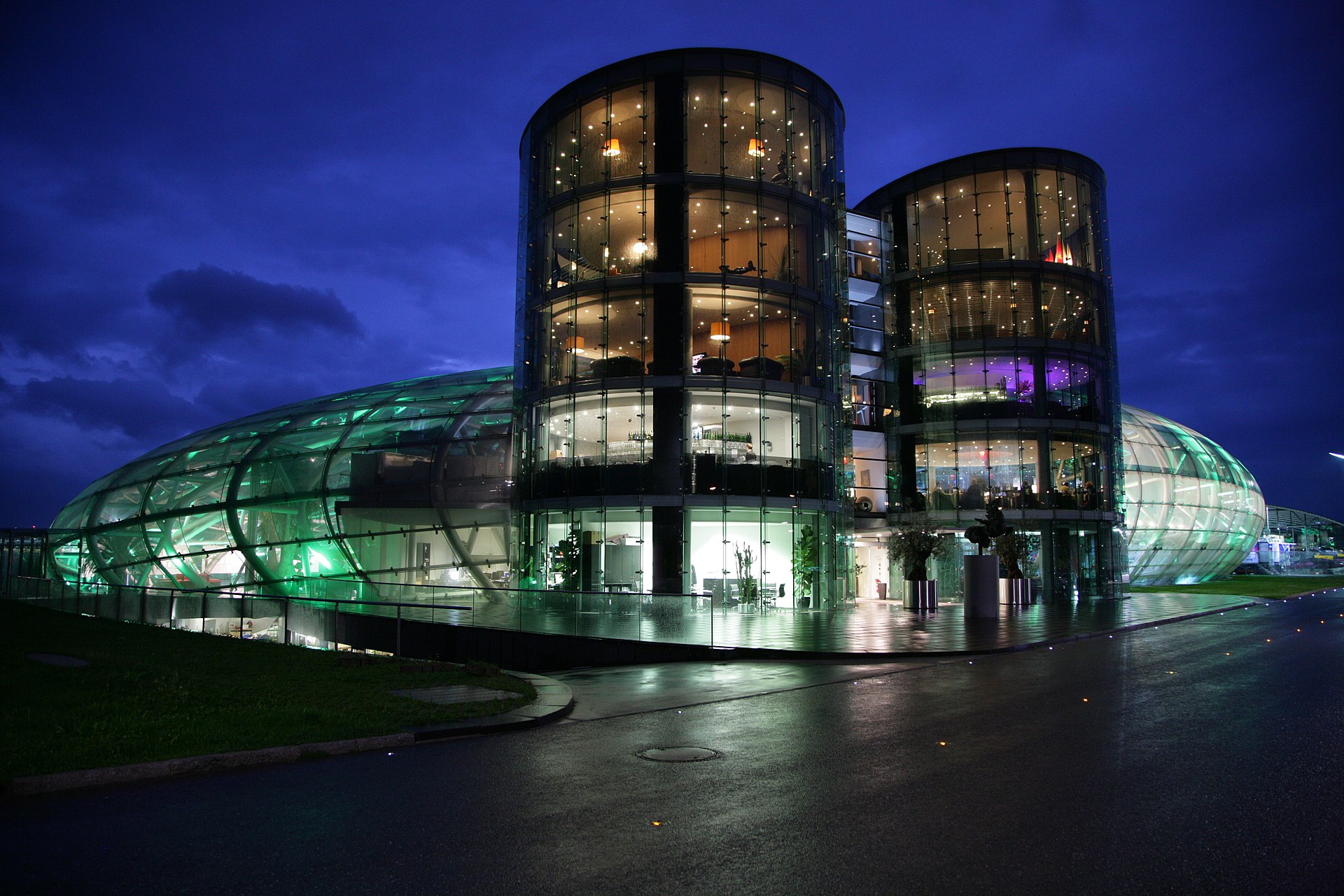
Hangar-7
POIModern exhibition space featuring historic aircraft, Formula 1 cars, and contemporary art.
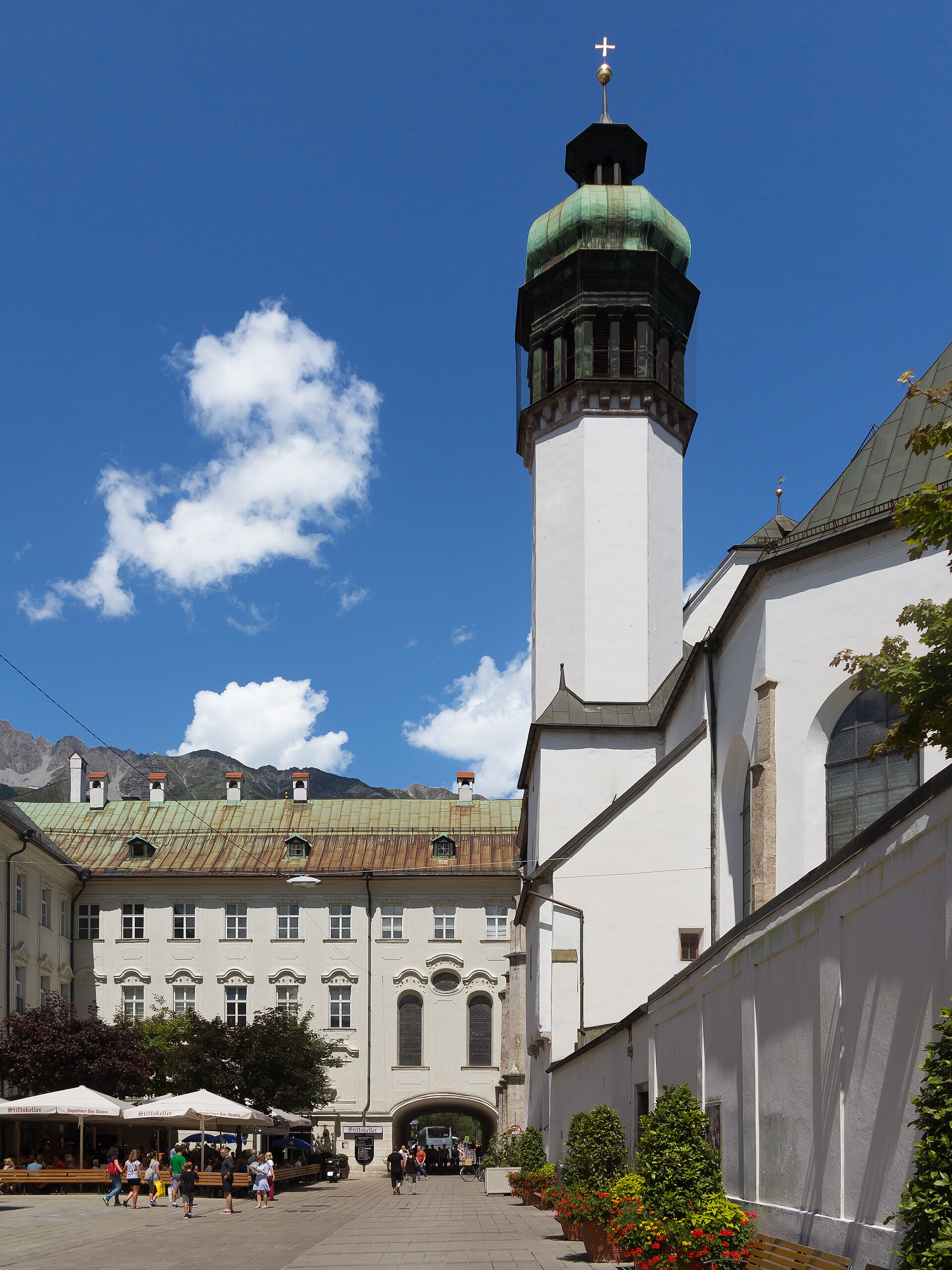
Hofkirche
POIGothic church in Innsbruck featuring Emperor Maximilian I's cenotaph, surrounded by 28 bronze statues, and housing the tomb of Tyrolean hero Andreas Hofer.
Sources & Further Reading
- [1]A Concise History of Austria — Steven Beller. Cambridge University Press (2021)
- [2]The Habsburg Empire: A New History — Pieter M. Judson. Belknap Press (2016)
- [3]Austria: A Country Study — Eric Solsten. Library of Congress (1994)