
Country Wiki
Belgium
Belgium is a Western European country known for its strategic location, cultural diversity, and historical significance as a crossroads of European powers. It borders France, Germany, Luxembourg, and the Netherlands, and has a North Sea coastline. The country is characterized by a mix of linguistic and cultural regions, primarily Dutch-speaking Flanders in the north and French-speaking Wallonia in the south, along with a small German-speaking community. Modern Belgium became independent in 1830 and has since developed into a federal parliamentary monarchy. It plays a central role in European and international affairs, hosting major institutions of the European Union and NATO in its capital, Brussels. Belgium is also recognized for its medieval cities, artistic heritage, and contributions to cuisine, including chocolate, beer, and waffles.
Early Settlements and Roman Rule
Prehistory – 5th century CEThe area of modern Belgium was inhabited by Celtic and Germanic tribes before becoming part of the Roman Empire as Gallia Belgica. Roman influence introduced urbanization, roads, and trade networks that shaped the region’s early development.
Medieval Principalities and Burgundian Rule
5th century – 16th centuryAfter the fall of the Roman Empire, the region fragmented into feudal territories. During the late Middle Ages, much of present-day Belgium came under the control of the Burgundian Netherlands, becoming a center of trade, art, and political power in Europe.
Habsburg Rule and Foreign Dominance
16th century – 1830Belgium was ruled successively by the Spanish and Austrian Habsburgs before being incorporated into the United Kingdom of the Netherlands following the Napoleonic Wars. Religious, linguistic, and political tensions during this period set the stage for independence.
Independence and Modern State
1830–presentBelgium gained independence in 1830 and established a constitutional monarchy. The country experienced significant industrial growth in the 19th century and endured occupation during both World Wars. In the late 20th century, Belgium transitioned into a federal state to accommodate its linguistic and cultural divisions, while also becoming a key center for European governance.
Major Cities
5 listed

Notable POIs
9 listed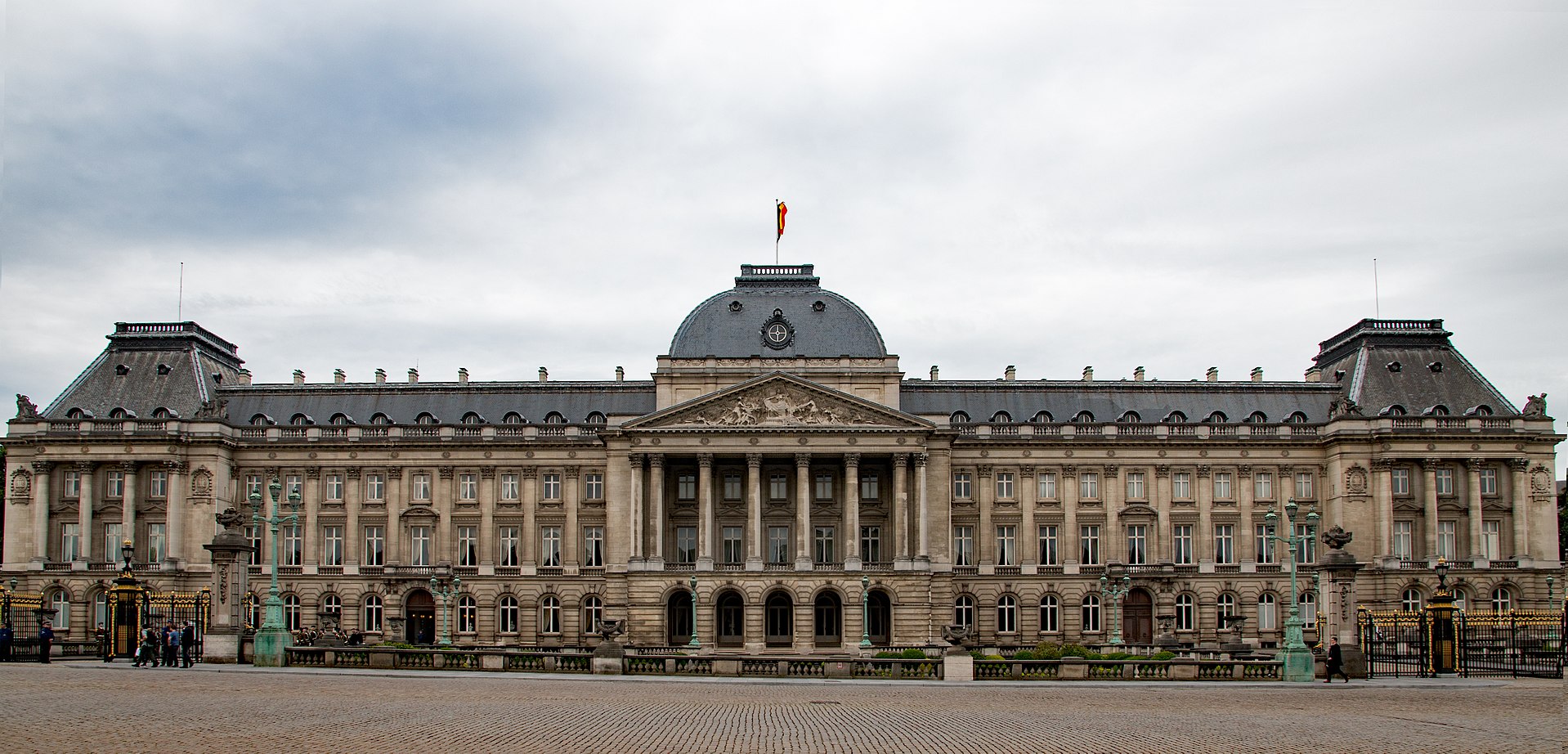
Royal Palace of Brussels
POIOfficial administrative residence of the Belgian monarch featuring over 200 rooms, including a Throne Room with bas-reliefs by Auguste Rodin and a Hall of Mirrors decorated with 1.6 million jewel beetle wings.
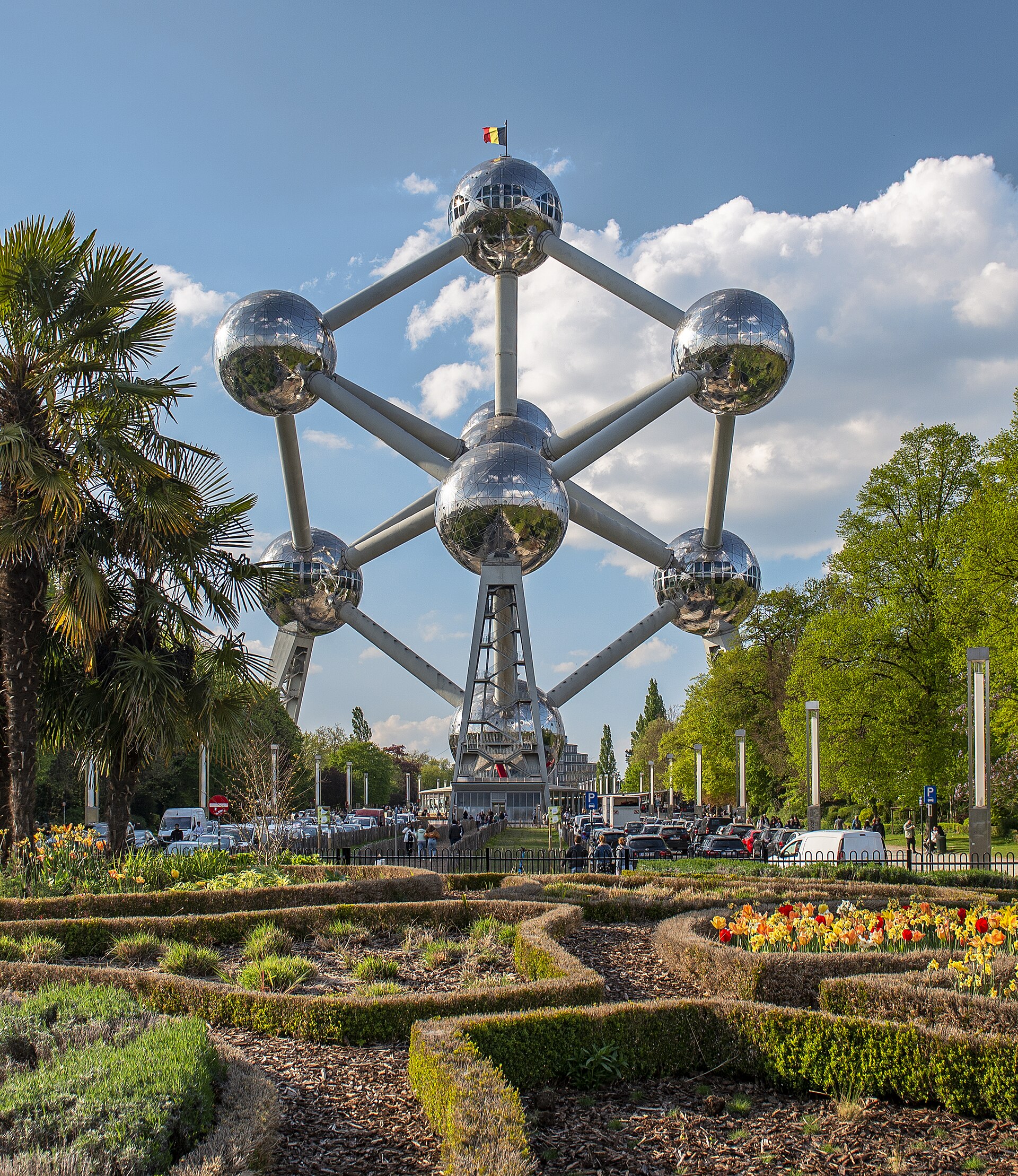
Atomium
POICenterpiece of the 1958 World Expo, symbolizing postwar optimism, scientific progress, and Belgium’s embrace of modernity through its iconic atomic-era design.
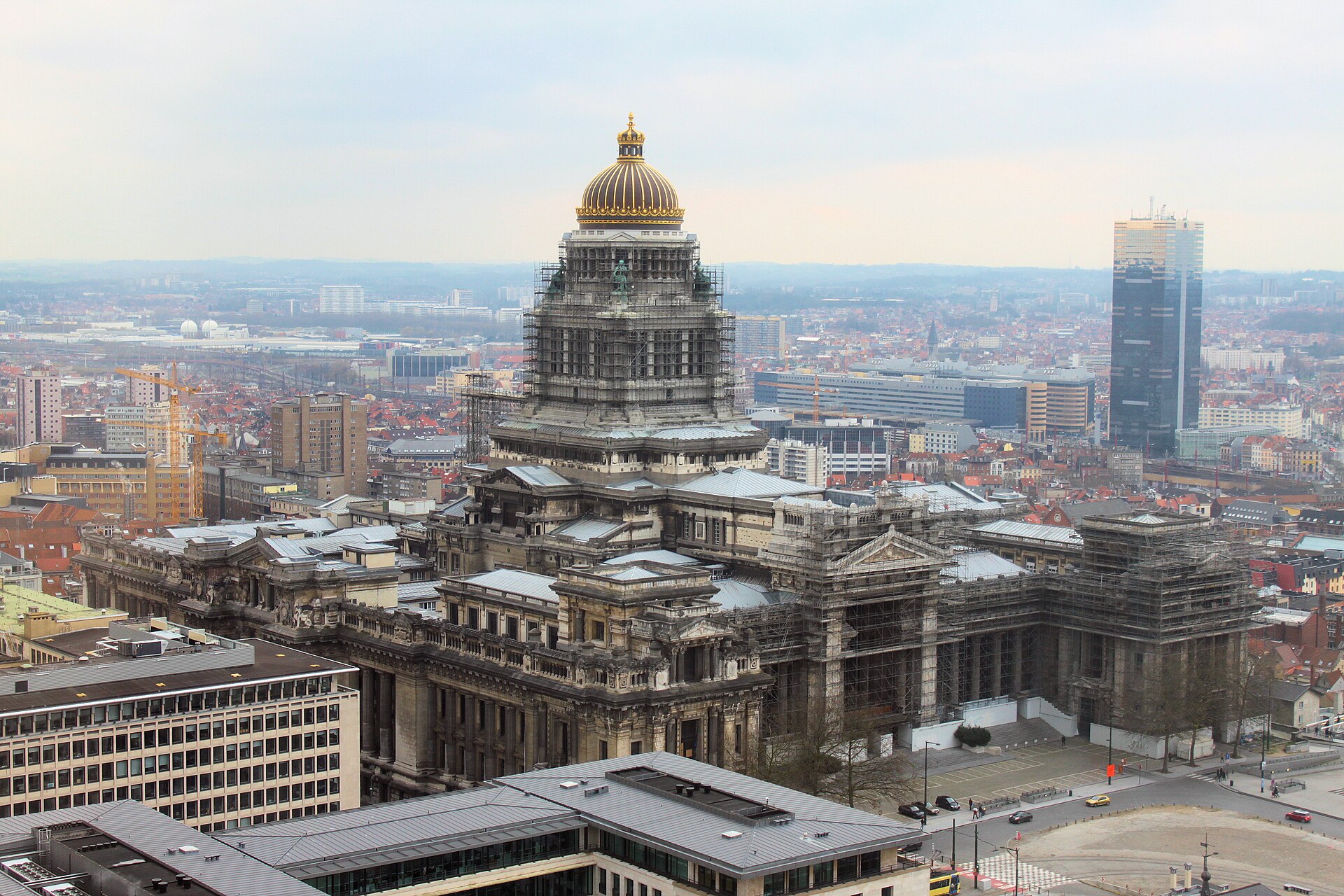
Palace of Justice of Brussels
POINineteenth-century judicial headquarters occupying 26,000 square meters with eight courtyards and a 104-meter dome, containing 27 large courtrooms and 245 smaller rooms utilized for the administration of the Belgian legal system.
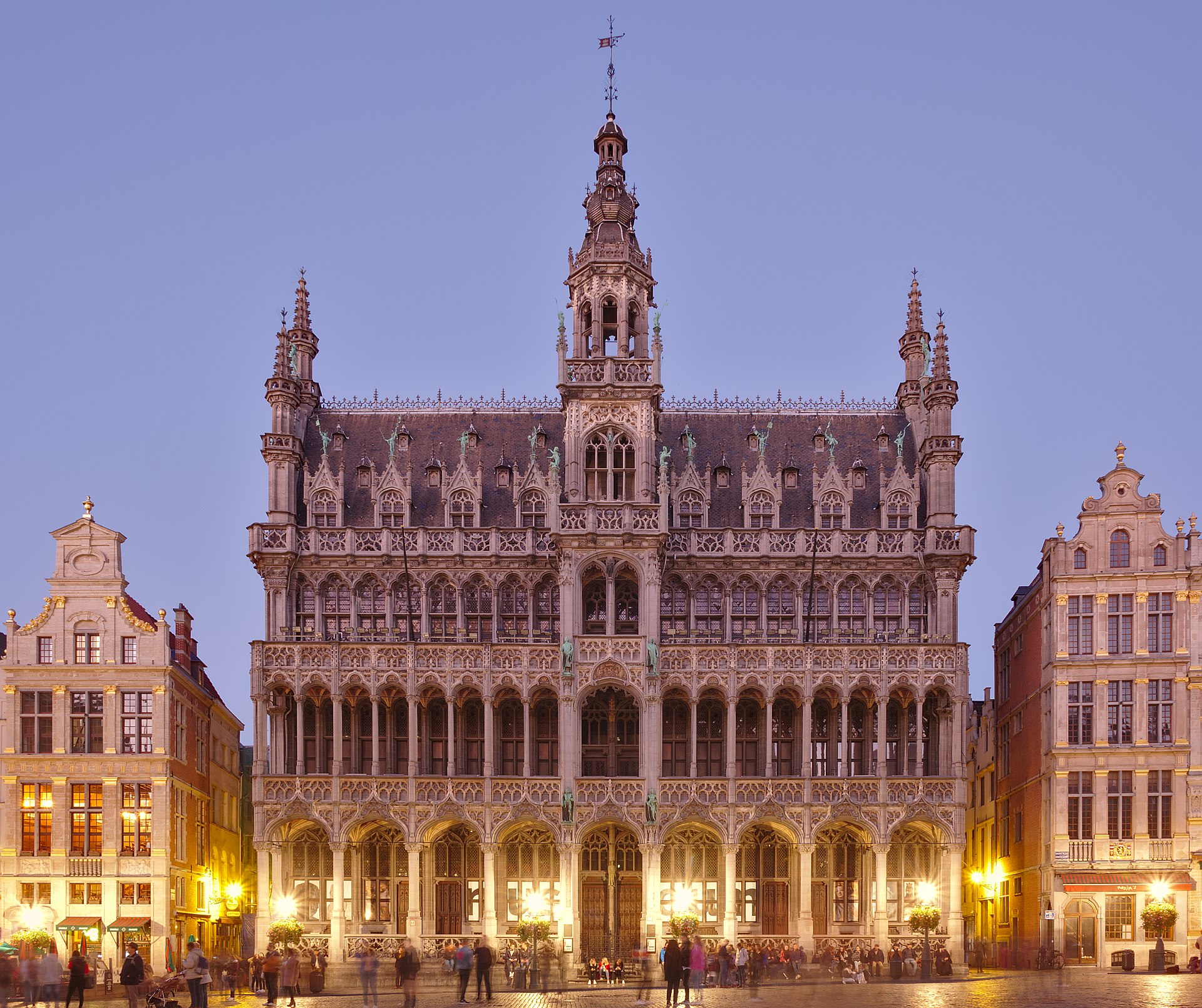
Brussels City Museum
POINeo-Gothic edifice housing 7,000 artifacts, including the original 15th-century stone statues from the Town Hall and a collection of 1,000 distinct costumes belonging to the Manneken Pis statue.

Mini-Europe
POIMiniature park that has reproductions of monuments in the European Union and other countries within the continent of Europe on display, at a scale of 1:25. Roughly 80 cities and 350 buildings are represented.
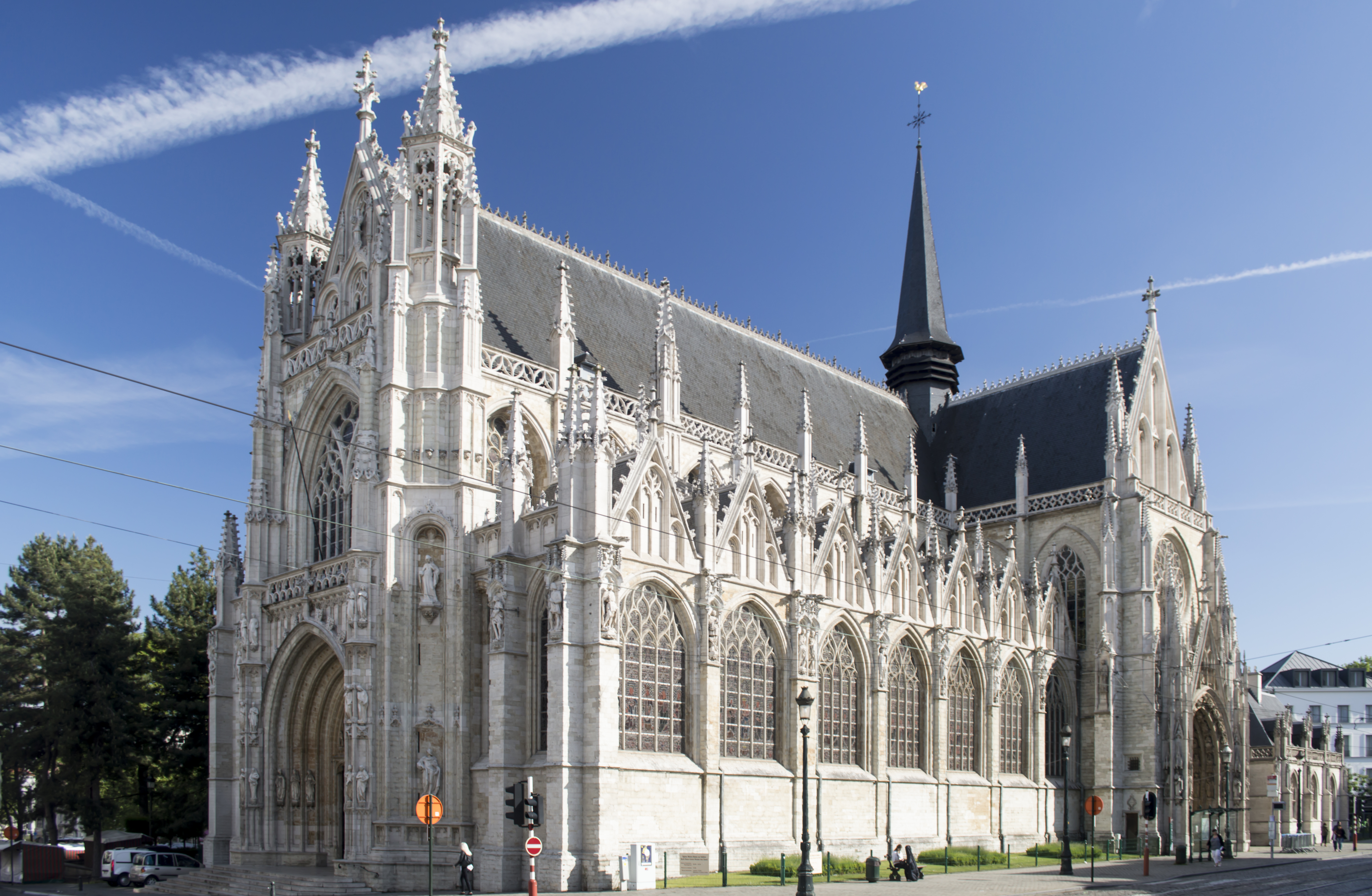
Church of Our Lady of Victories at the Sablon
POIGothic structure featuring 15-meter stained glass windows and two baroque funerary chapels housing the remains of the Thurn und Taxis family, the founders of the international postal service.
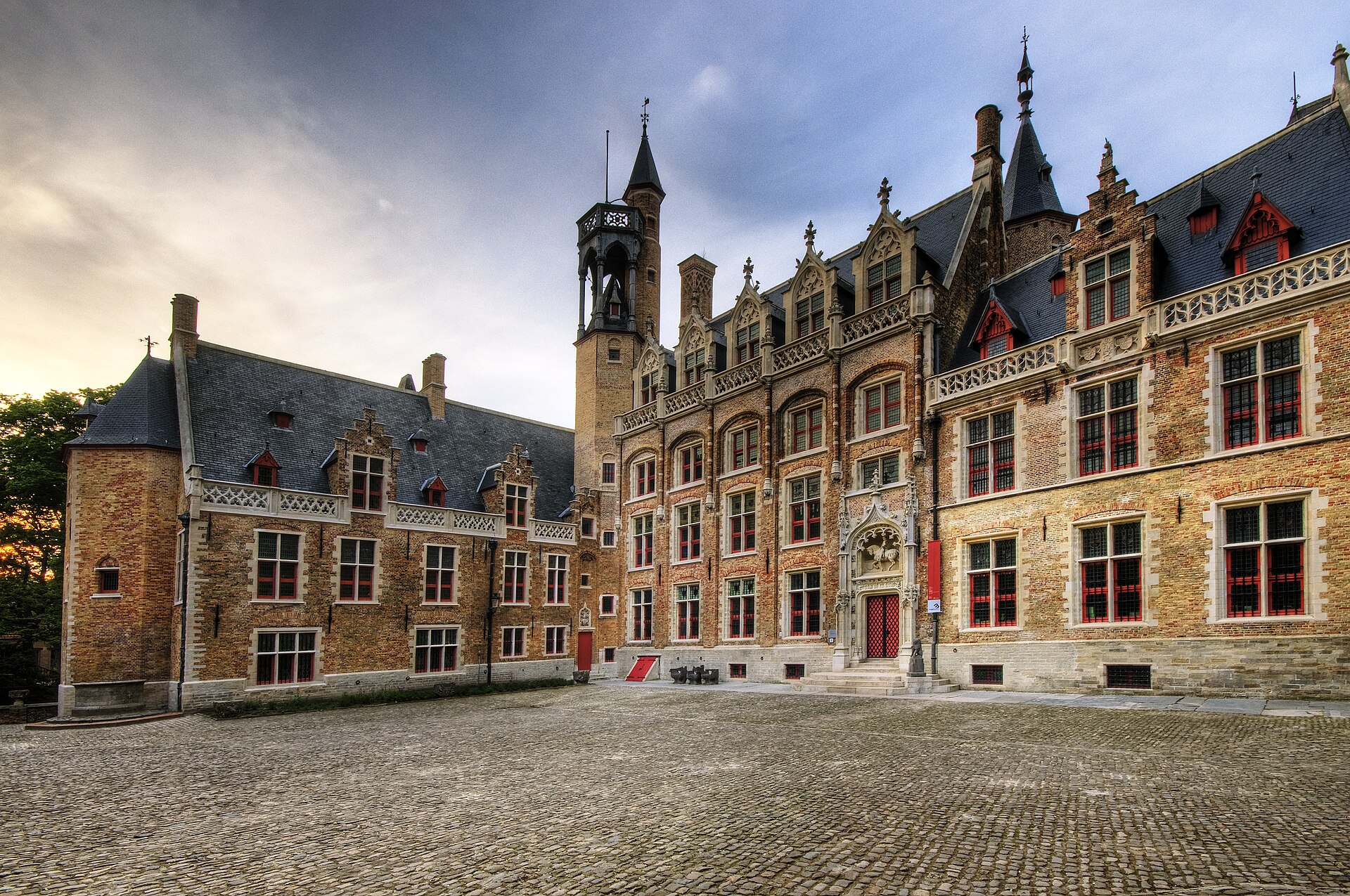
Gruuthusemuseum
POIHistorical residence of the Lords of Gruuthuse containing 600 artifacts from five centuries of municipal history, featuring a 15th-century private oratory that connects directly to the choir of the neighboring Church of Our Lady.
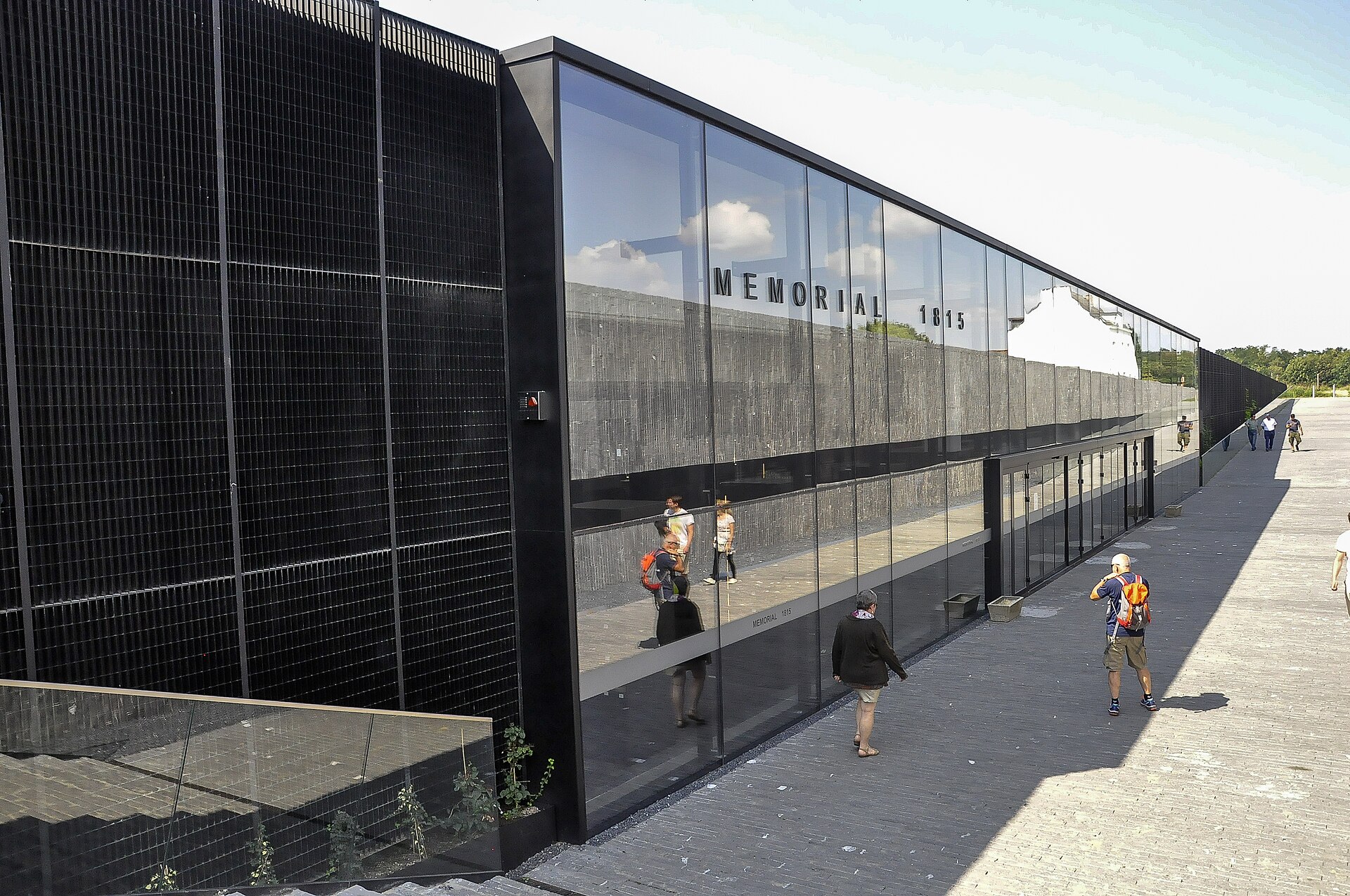
Waterloo 1815 Memorial
POIUnderground museum located at the foot of the Lion's Mound that utilizes 4D cinema and a massive panoramic painting to depict the final defeat of Napoleon Bonaparte.
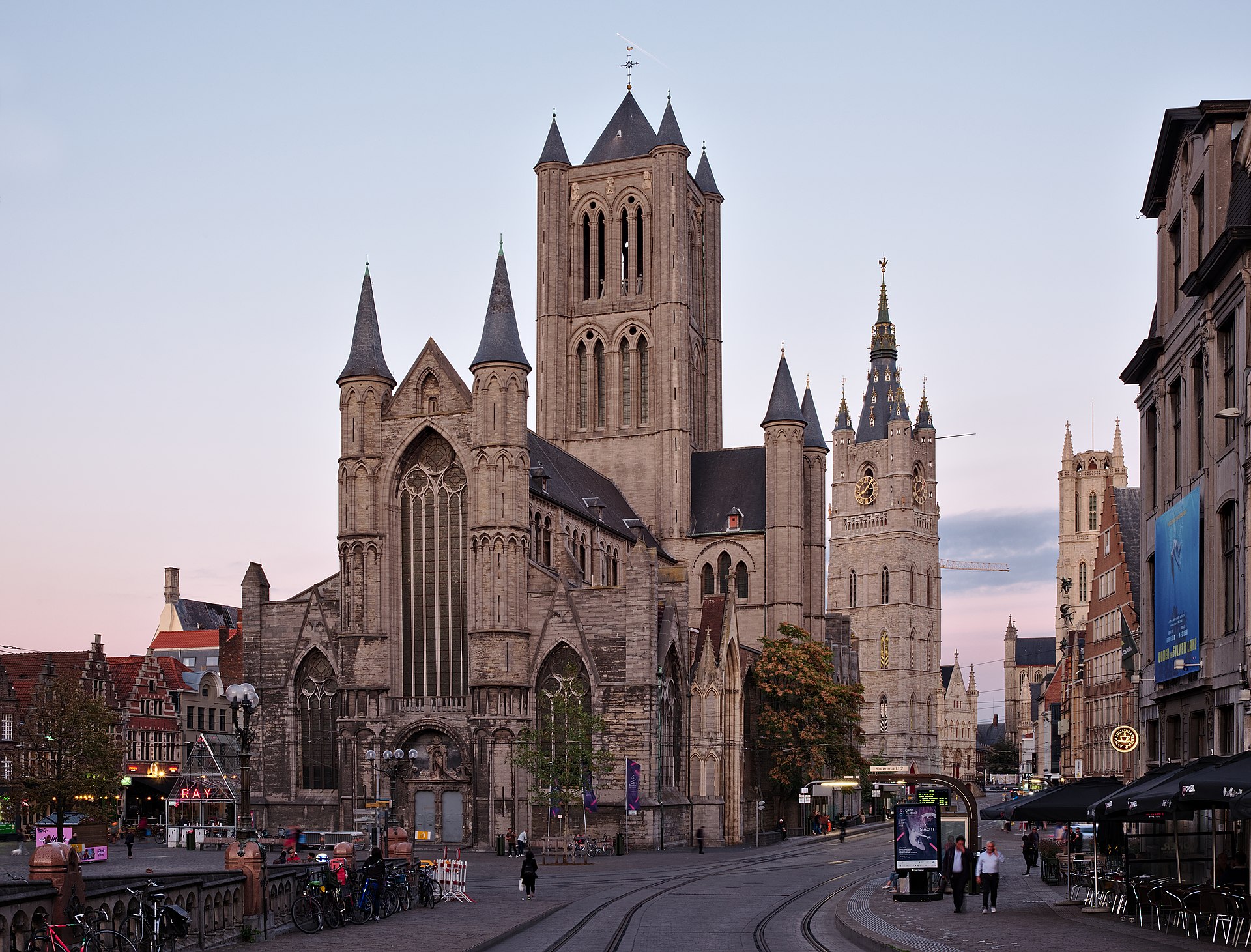
Saint Nicholas Church Ghent
POIGothic church featuring a unique central lantern tower that allows light to flood the transept, constructed with local blue-gray stone from the Tournai region.
Sources & Further Reading
- [1]A History of Belgium — Henri Pirenne. University of Chicago Press (2012)
- [2]Belgium: Long United, Long Divided — Samuel Humes. Longman (2014)
- [3]Official Belgian Government PortalView