Country Wiki
Poland
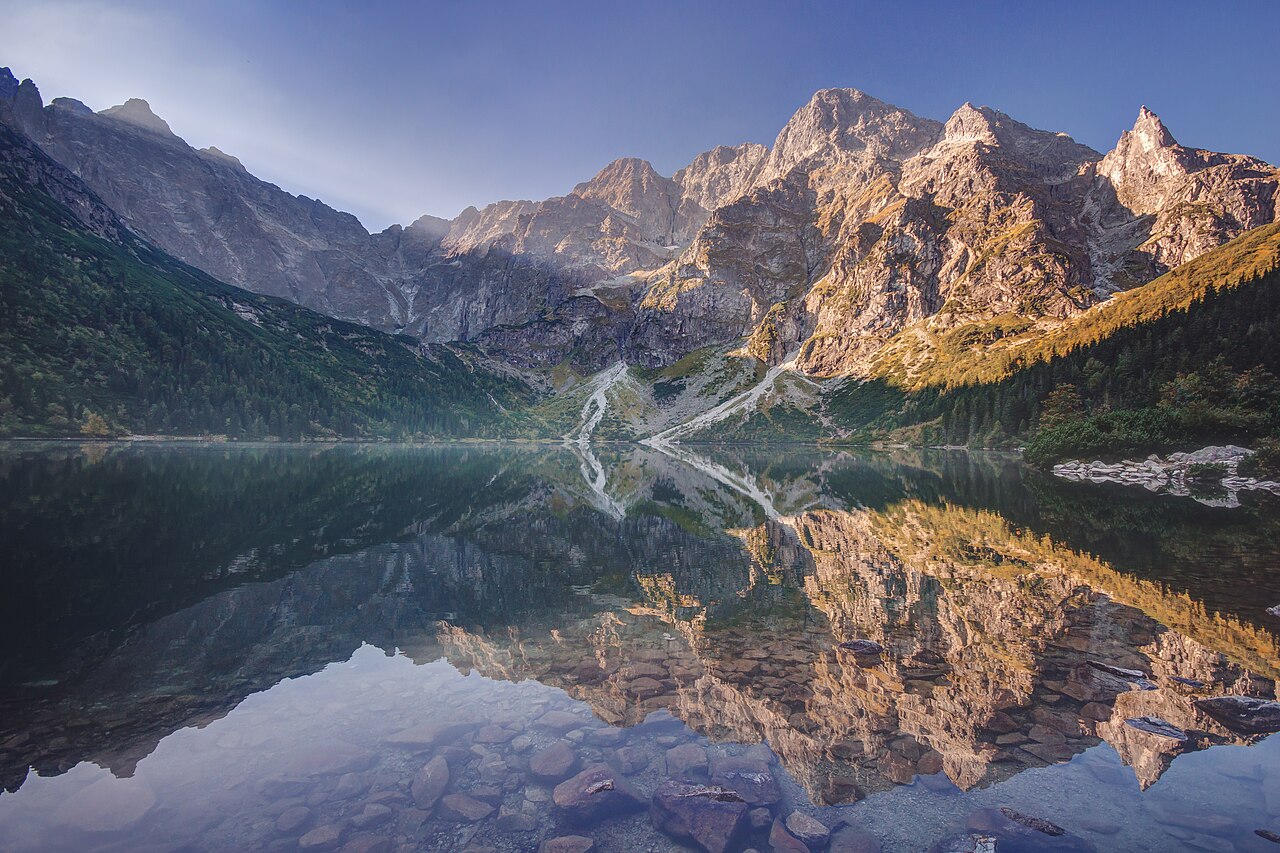
Poland is a Central European country situated between the Baltic Sea and the Carpathian Mountains. It has historically occupied a strategic position between Eastern and Western Europe, serving as both a crossroads of trade and a frontier between major political powers. The country is known for its diverse landscapes, including coastal regions, extensive forests, lake districts, and fertile plains. Modern Poland emerged after a long history marked by periods of independence, partition, occupation, and recovery. Today, it is a parliamentary republic, a member of the European Union and NATO, and one of the largest economies in Central Europe. Polish culture reflects centuries of influences from neighboring regions while maintaining a distinct national identity rooted in language, literature, religion, and historical experience.
Formation of the Polish State
c. 966–1385The Polish state emerged under the Piast dynasty, with the baptism of Duke Mieszko I in 966 marking a foundational moment in Polish history. During the medieval period, Poland expanded territorially and politically, becoming a significant kingdom in Central Europe.
Polish-Lithuanian Commonwealth
1385–1795The Union of Krewo in 1385 began a political partnership between Poland and Lithuania that evolved into the Polish-Lithuanian Commonwealth in 1569. The Commonwealth became one of Europe's largest and most populous states, known for its elected monarchy and relatively broad political rights for the nobility. Internal challenges and pressure from neighboring powers eventually weakened the state.
Partitions and National Revival
1795–1918Poland ceased to exist as an independent state after being partitioned by Russia, Prussia, and Austria in a series of territorial divisions completed in 1795. Despite losing sovereignty, Polish culture and national identity endured through uprisings, intellectual movements, and efforts to preserve the language and traditions.
World Wars and Communist Rule
1918–1989Poland regained independence following World War I in 1918. During World War II, it was invaded by Nazi Germany and the Soviet Union, suffering immense human and material losses. After the war, Poland became a socialist state within the Soviet sphere of influence. Opposition movements, particularly Solidarity in the 1980s, contributed to the decline of communist rule.
Modern Democratic Poland
1989–presentFollowing democratic reforms in 1989, Poland transitioned to a market economy and democratic governance. The country joined NATO in 1999 and the European Union in 2004. Today, Poland plays a significant role in regional politics, European affairs, and international security.
Major Cities
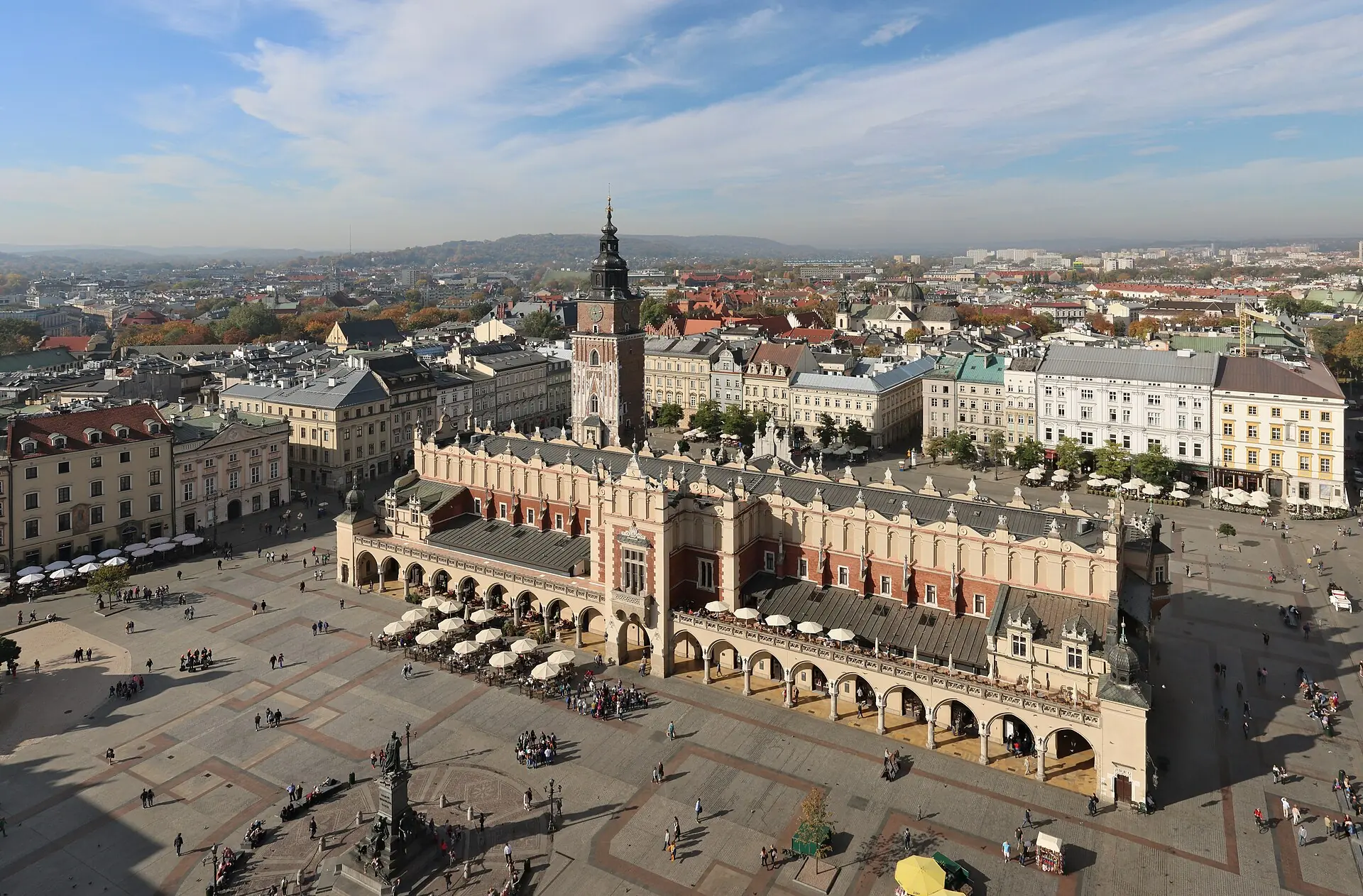
5 listed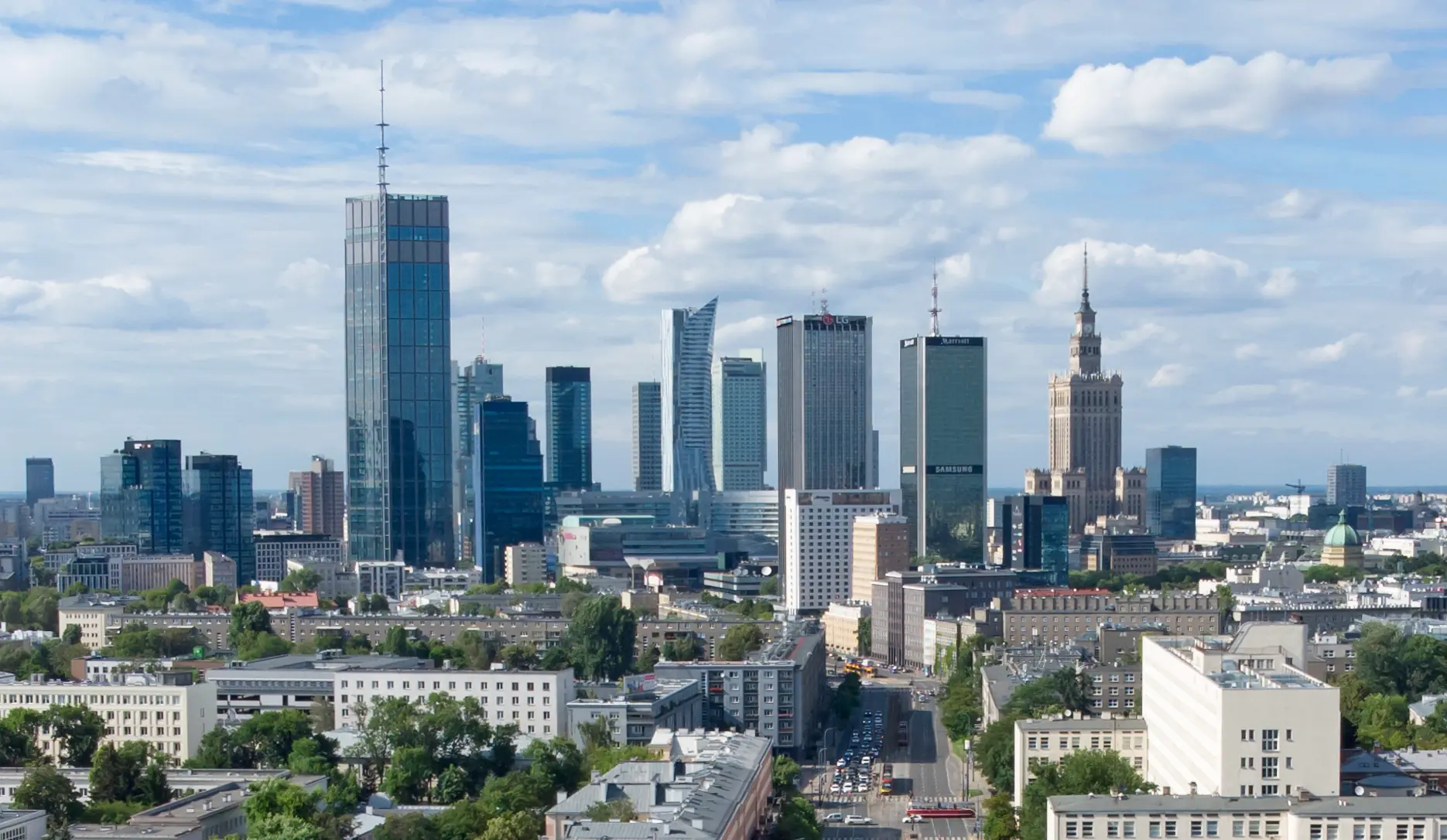
Notable POIs
8 listed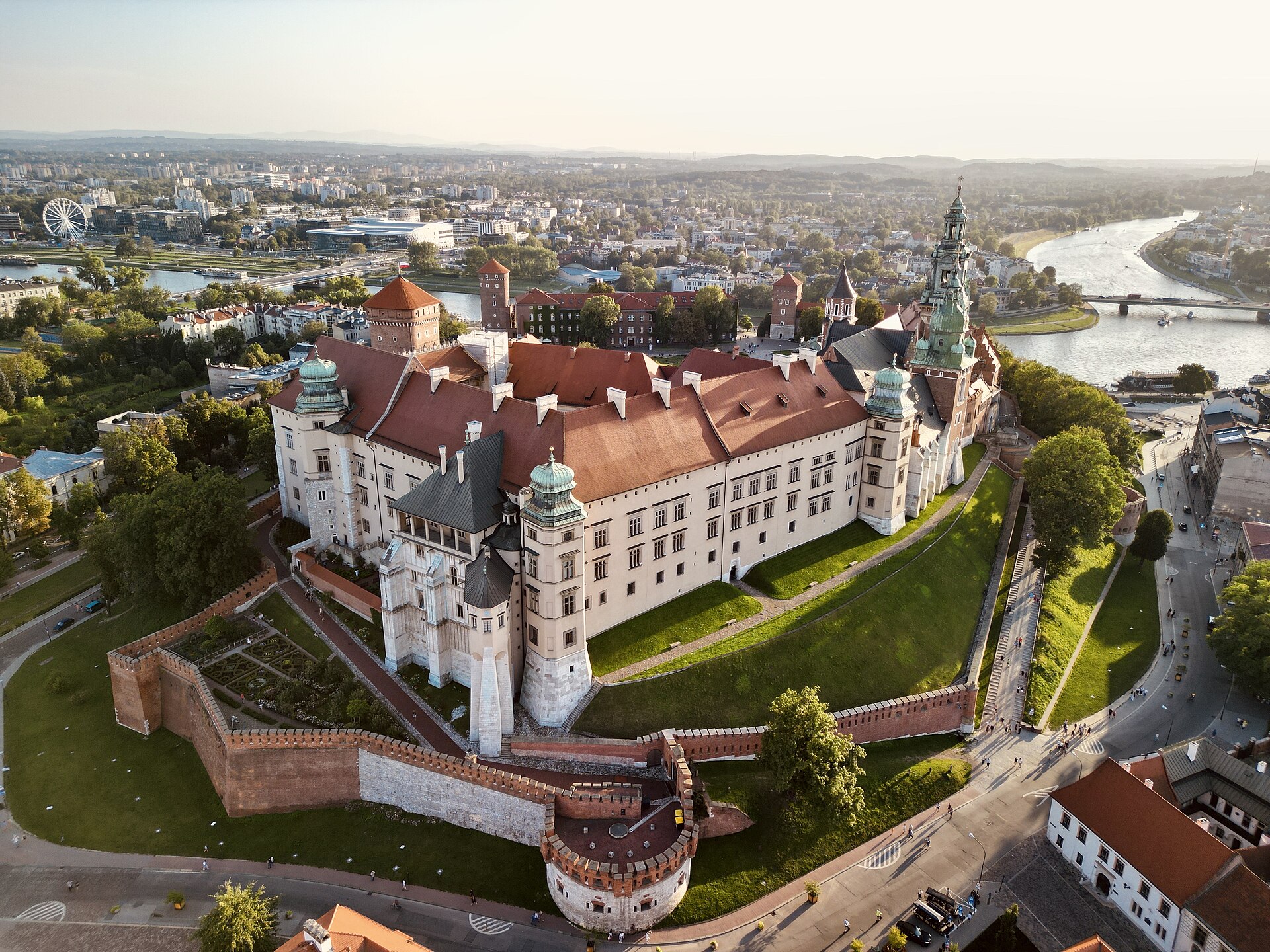
Zamek Krolewski na Wawelu
POIAdministrative complex and residence serving as the political and cultural center for several centuries, containing seventy-one exhibition halls that house five separate permanent collections, including the largest assembly of sixteenth-century tapestries in Europe.
Wieliczka Salt Mine
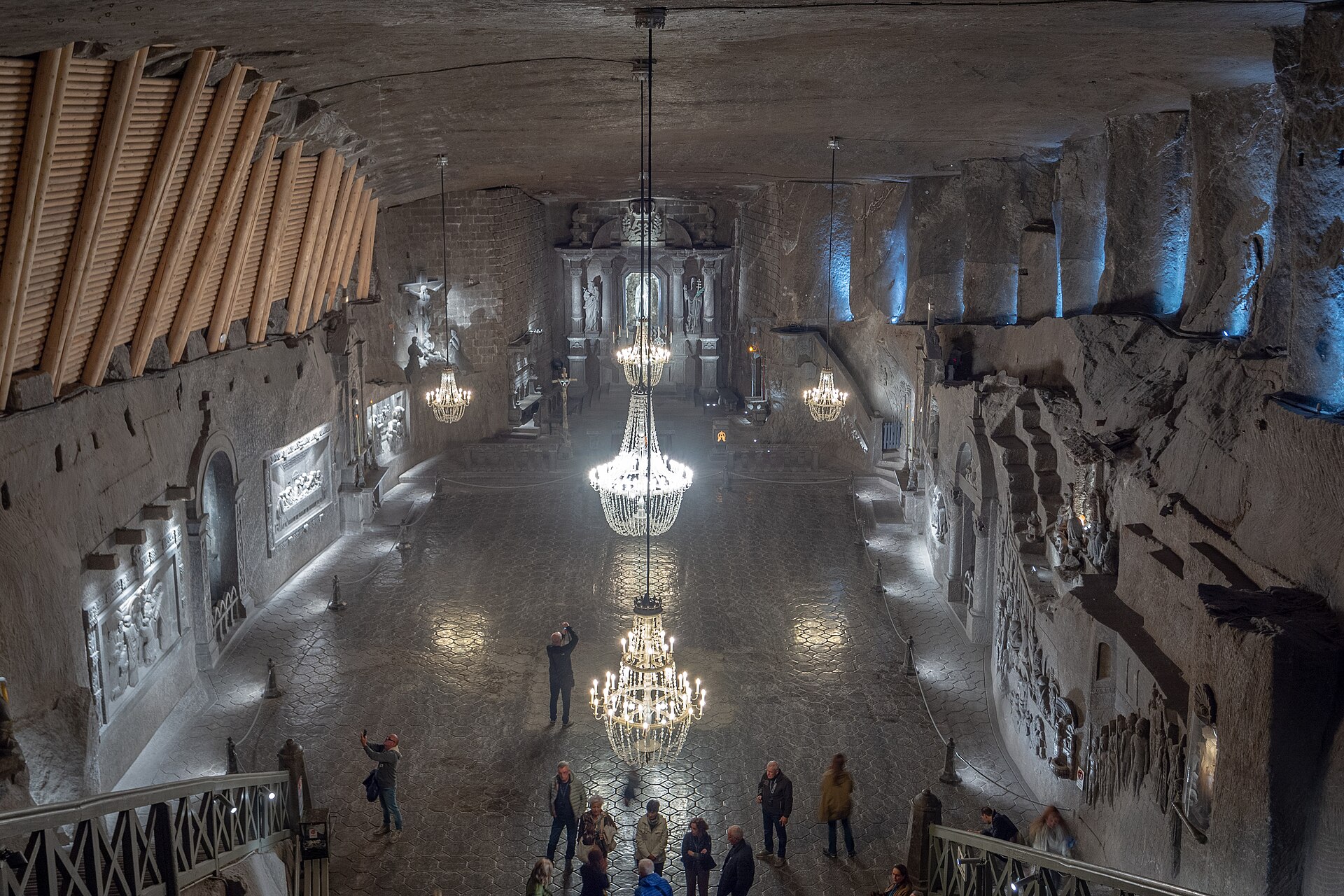
POIAdministrative center and industrial site containing over two thousand chambers and nine levels reaching a depth of three hundred twenty-seven meters, where several million tons of rock salt were extracted over seven centuries.
Malbork Castle
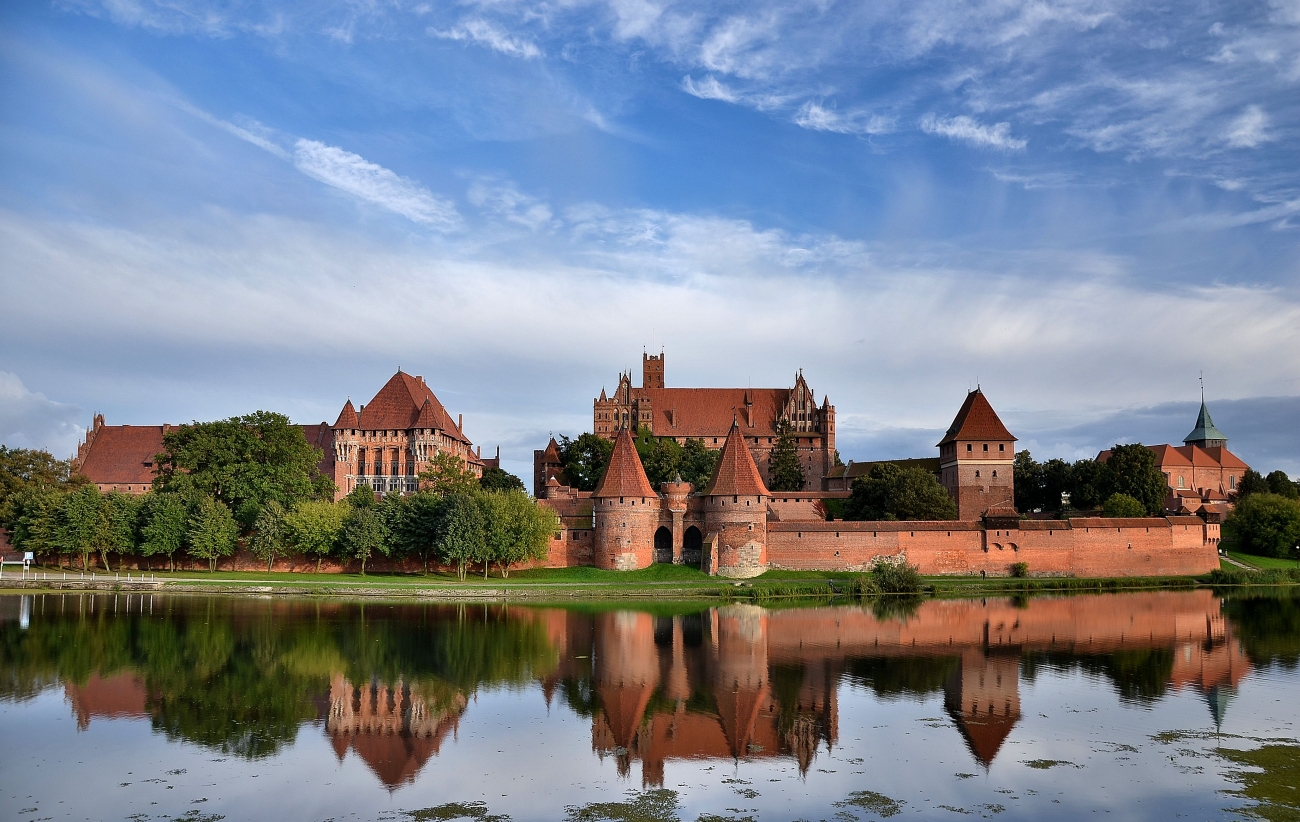
POIBrick Gothic castle built by the Teutonic Knights in the 13th century, serving as the largest castle in the world by land area.
Zamek Krolewski na Wawelu
POIAdministrative complex and residence serving as the political and cultural center for several centuries, containing seventy-one exhibition halls that house five separate permanent collections, including the largest assembly of sixteenth-century tapestries in Europe.
Church of the Assumption of the Blessed Virgin Mary
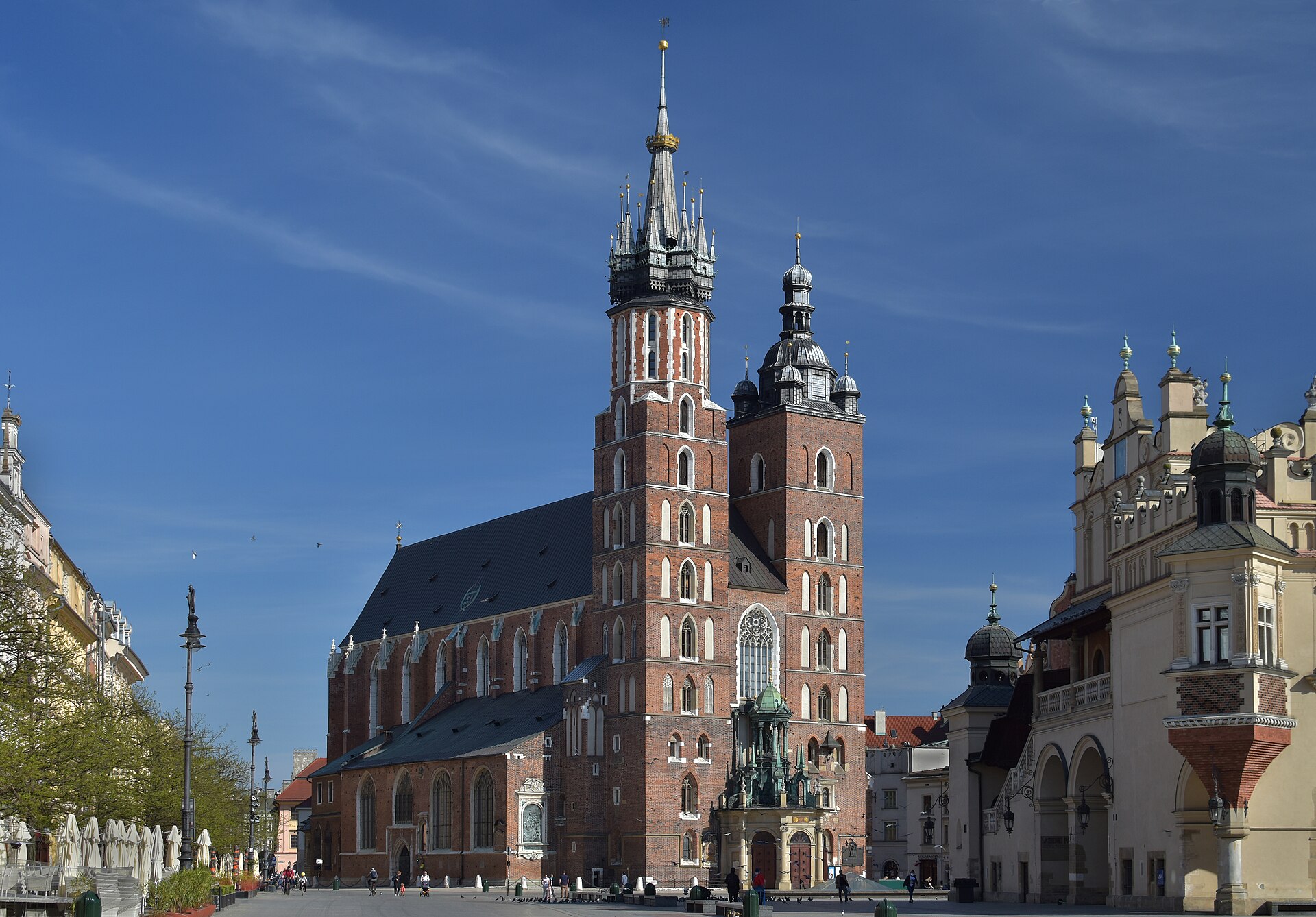
POIChurch housing a wooden altarpiece containing over two hundred carved figures, representing the largest Gothic altar of its type.
Oskar Schindler's Enamel Factory
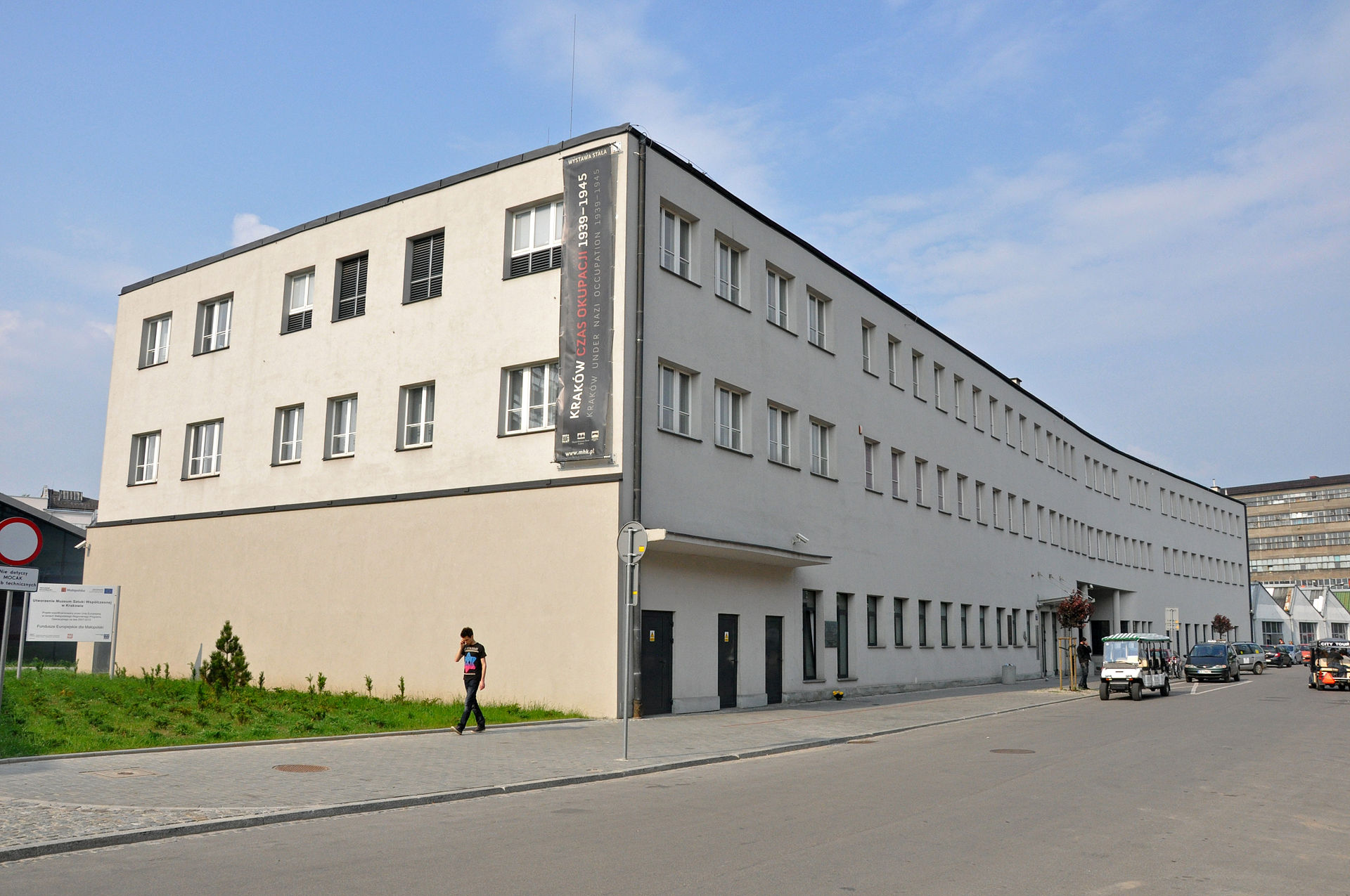
POIMuseum housing documentation of the five-year occupation of a major city and the administrative records of an industrial facility where twelve hundred Jewish laborers were protected from deportation.

Barbakan
POIMilitary defensive outpost containing seven watchtowers and one hundred thirty embrasures, constructed by King John I Albert to protect the primary northern entrance of the city from Ottoman and Wallachian incursions.
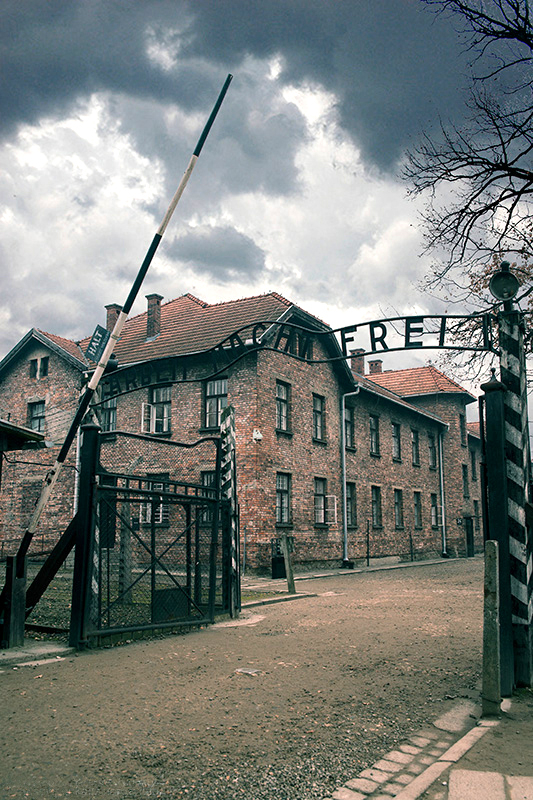
Auschwitz-Birkenau State Museum
POIMuseum and memorial complex containing several hundred barracks and ruins of four gas chambers, serving as the main concentration camp of the Holocaust.
Sources & Further Reading
- [1]God's Playground: A History of Poland, Volume I & II — Norman Davies. Oxford University Press (2005)
- [2]The Reconstruction of Nations: Poland, Ukraine, Lithuania, Belarus, 1569–1999 — Timothy Snyder. Yale University Press (2003)
- [3]
- [4]