
Country Wiki
Czech Republic
The Czech Republic, a landlocked country in Central Europe, is renowned for its rich architectural heritage, medieval castles, and vibrant cultural history. Bordered by Germany, Austria, Slovakia, and Poland, the nation serves as a crossroads of European history, blending influences from the Holy Roman Empire, the Habsburg Monarchy, and the Slavic traditions of Bohemia and Moravia. Modern-day Czechia is a developed, high-income economy with a stable democratic government. It is celebrated globally for its preserved historical centers, particularly in Prague, and its significant contributions to literature, music, and science, maintaining a unique identity that balances its deep-rooted traditions with contemporary European integration.
Early History and the Kingdom of Bohemia
800–1526The region was unified under the Přemyslid dynasty, leading to the establishment of the Kingdom of Bohemia. During the 14th century, under Charles IV, Prague became the capital of the Holy Roman Empire, marking a golden age of cultural and architectural development.
Habsburg Rule and National Revival
1526–1918Following the Battle of Mohács, the Bohemian lands came under the control of the Habsburg Monarchy. The 19th century saw a period of National Revival, where the Czech language and culture were revitalized, eventually leading to the collapse of the Austro-Hungarian Empire at the end of World War I.
Czechoslovakia and the World Wars
1918–1945The independent state of Czechoslovakia was formed in 1918. This period of democratic prosperity was interrupted by the Munich Agreement in 1938 and the subsequent Nazi occupation during World War II, which devastated the country's social and political fabric.
Communist Era and the Velvet Revolution
1948–1989Post-war Czechoslovakia fell under the Soviet sphere of influence, enduring decades of communist rule. In 1989, the peaceful Velvet Revolution led to the restoration of democracy, followed by the 1993 dissolution of the federation into the independent Czech Republic and Slovakia.
Major Cities
5 listed
Notable POIs
9 listed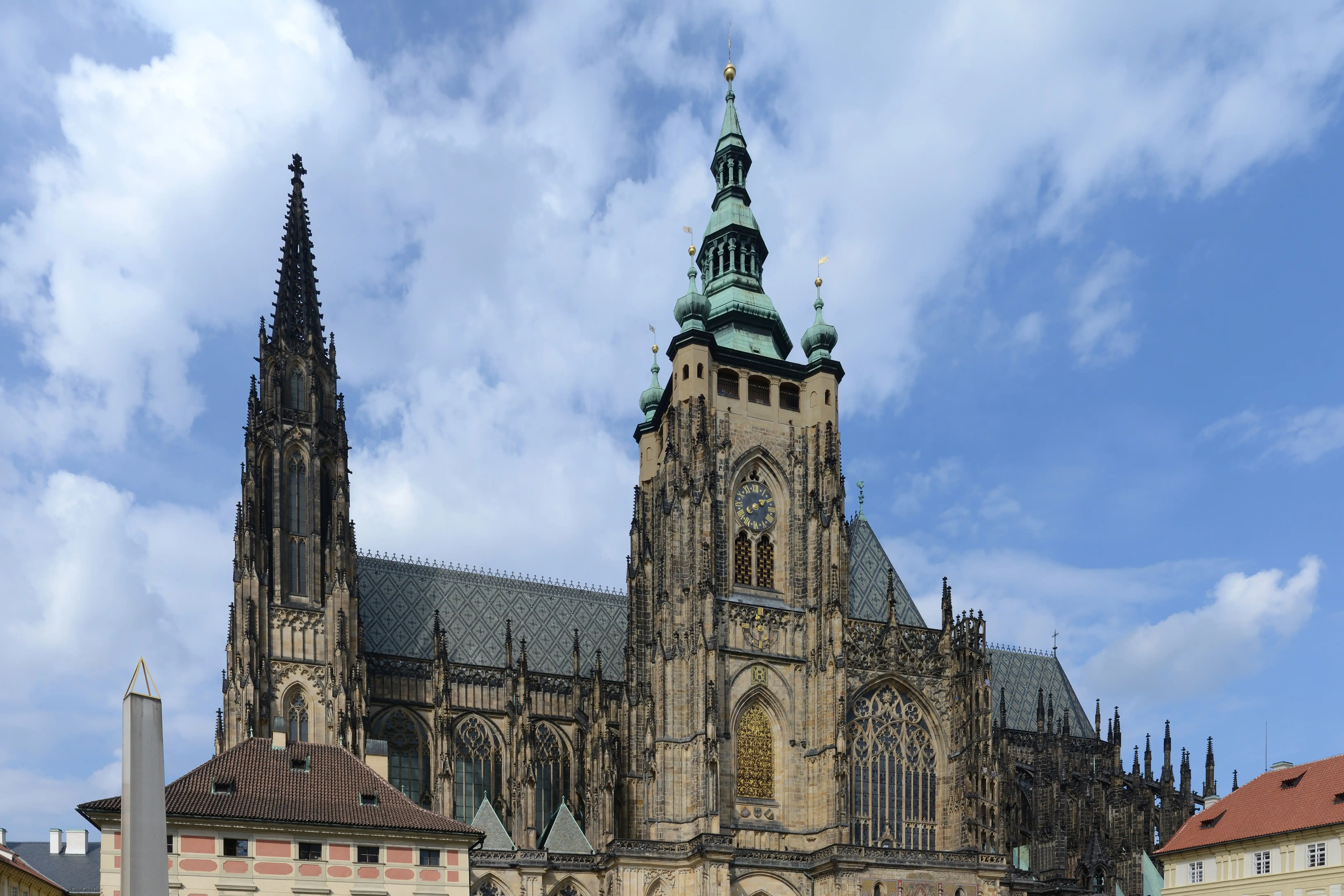
St. Vitus Cathedral
POICathedral housing twenty-one royal tombs and the remains of five Bohemian patrons, serving as the primary site for the coronations of thirty kings and twenty-eight queens over six centuries.
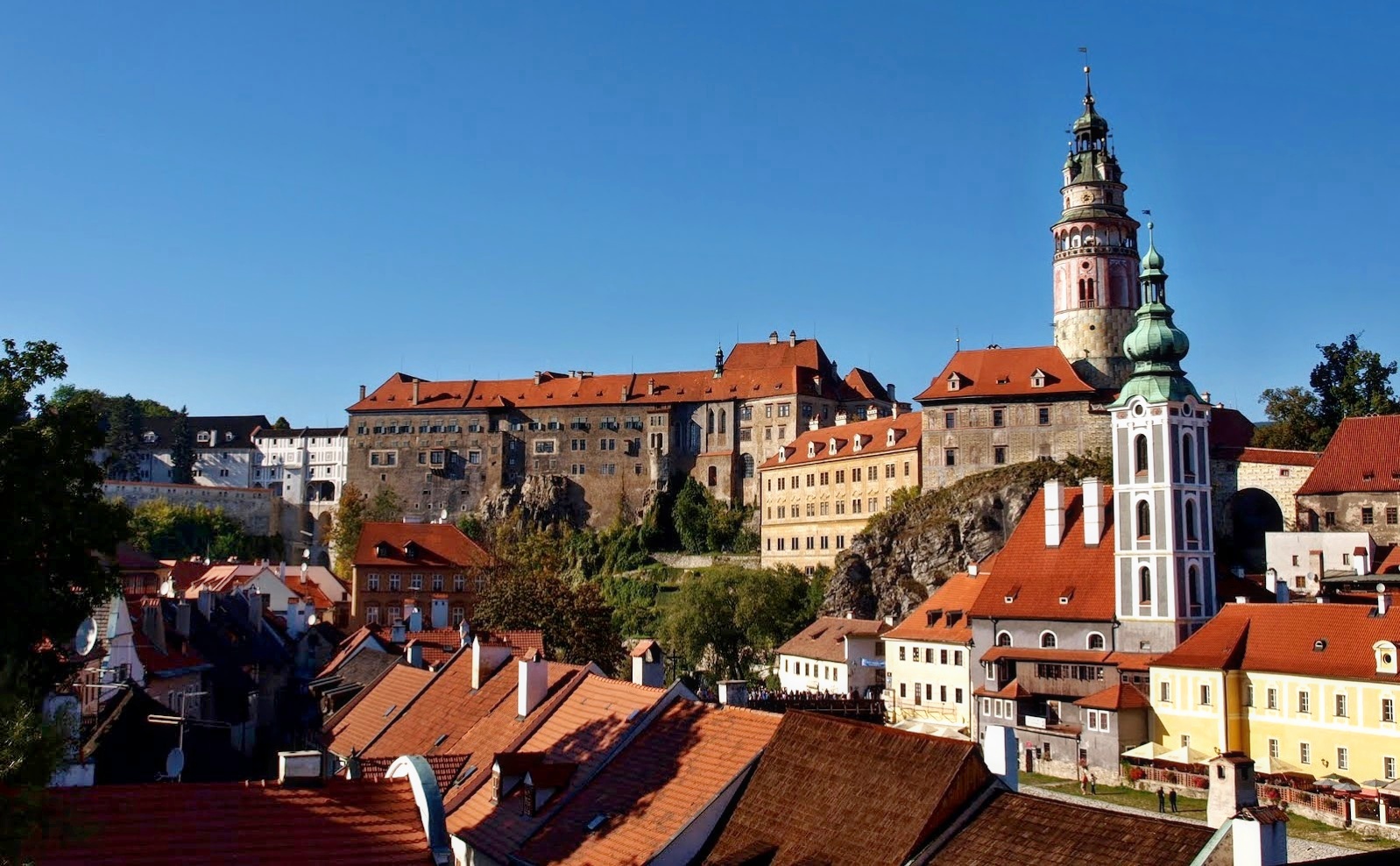
Cesky Krumlov Castle
POIThirteenth-century castle complex featuring a large Gothic and Renaissance palace, 40 distinct buildings, five courtyards, and one of the world's best-preserved Baroque theaters.

Sedlec Ossuary
POIRoman Catholic chapel, located beneath the Cemetery Church of All Saints; estimated to contain the skeletons of between 40,000 and 70,000 people.

Villa Tugendhat
POIFunctionalist villa designed by Ludwig Mies van der Rohe and Walter Gropius, featuring a minimalist interior with a focus on natural light, built between 1930 and 1932 for Fritz and Greta Tugendhat.
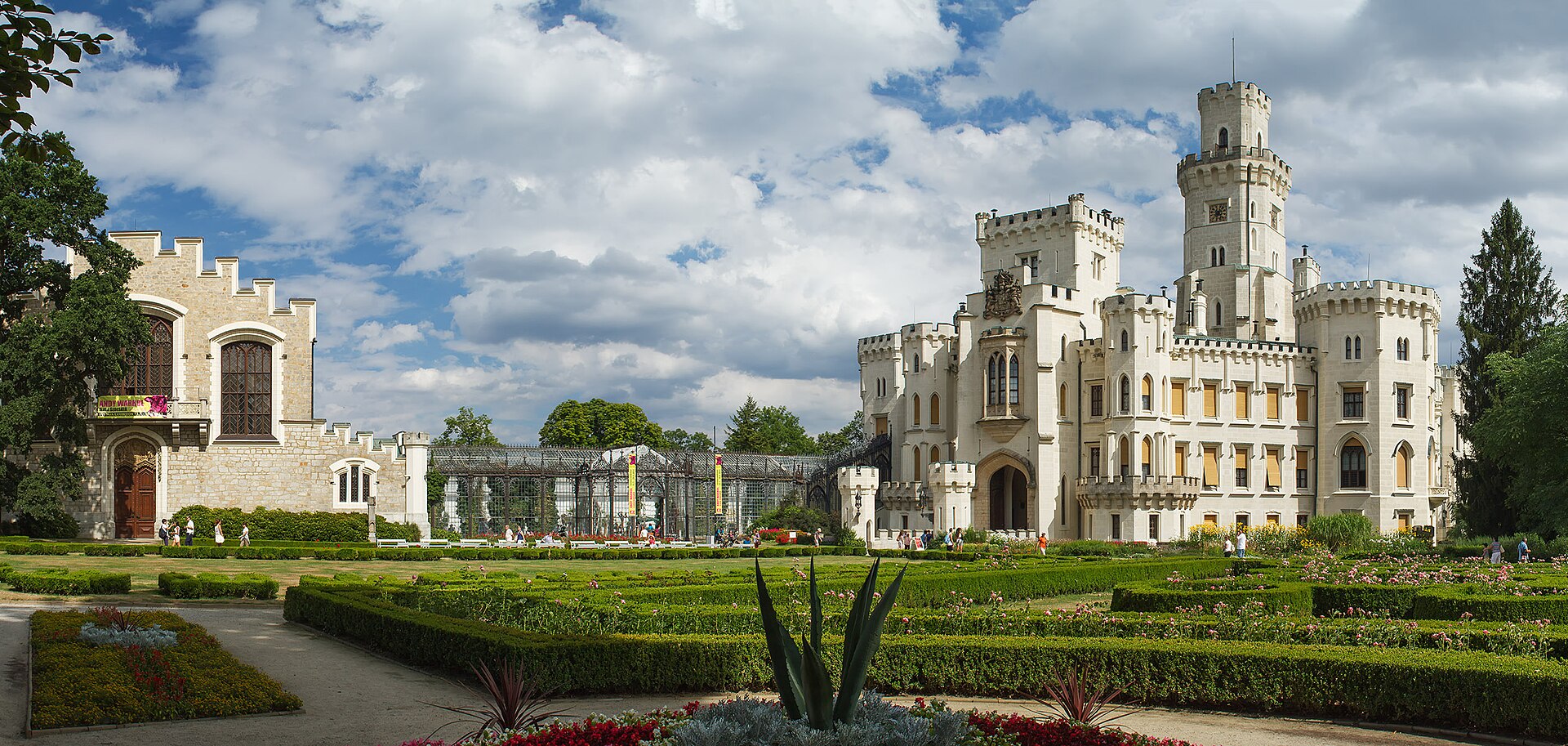
Hluboka Castle
POIHistoric château considered to be one of the most beautiful castles in the Czech Republic, renowned for its ornate interiors, extensive art collections, and English-style gardens.
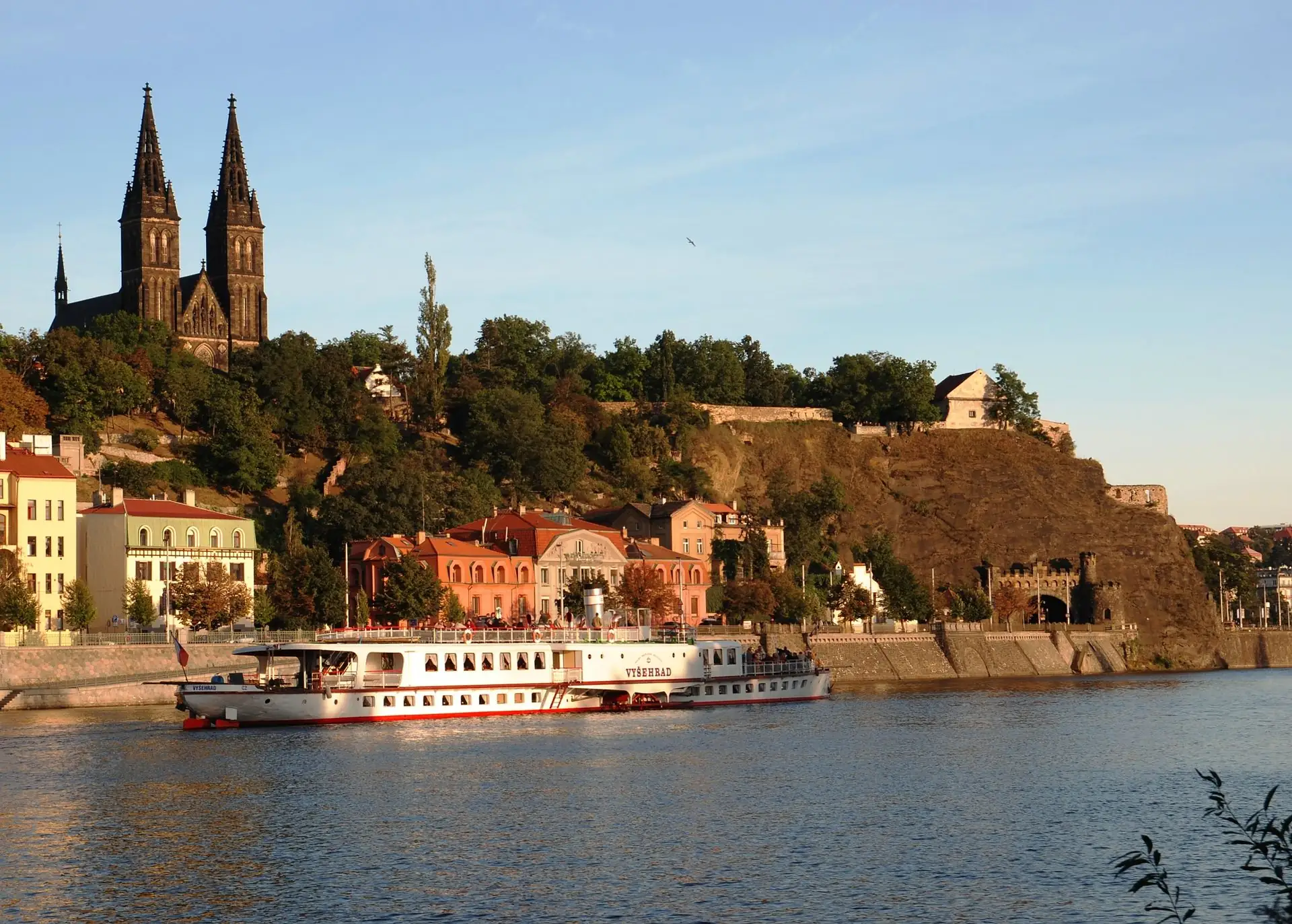
Vysehrad
POIAncient fort containing monumental gates, a rotunda, and a collegiate church serving as the 10th-century seat of the first Bohemian king.

St. Barbara's Church
POICathedral dedicated to the patron saint of miners as a symbol of the wealth and power of Kutná Hora.
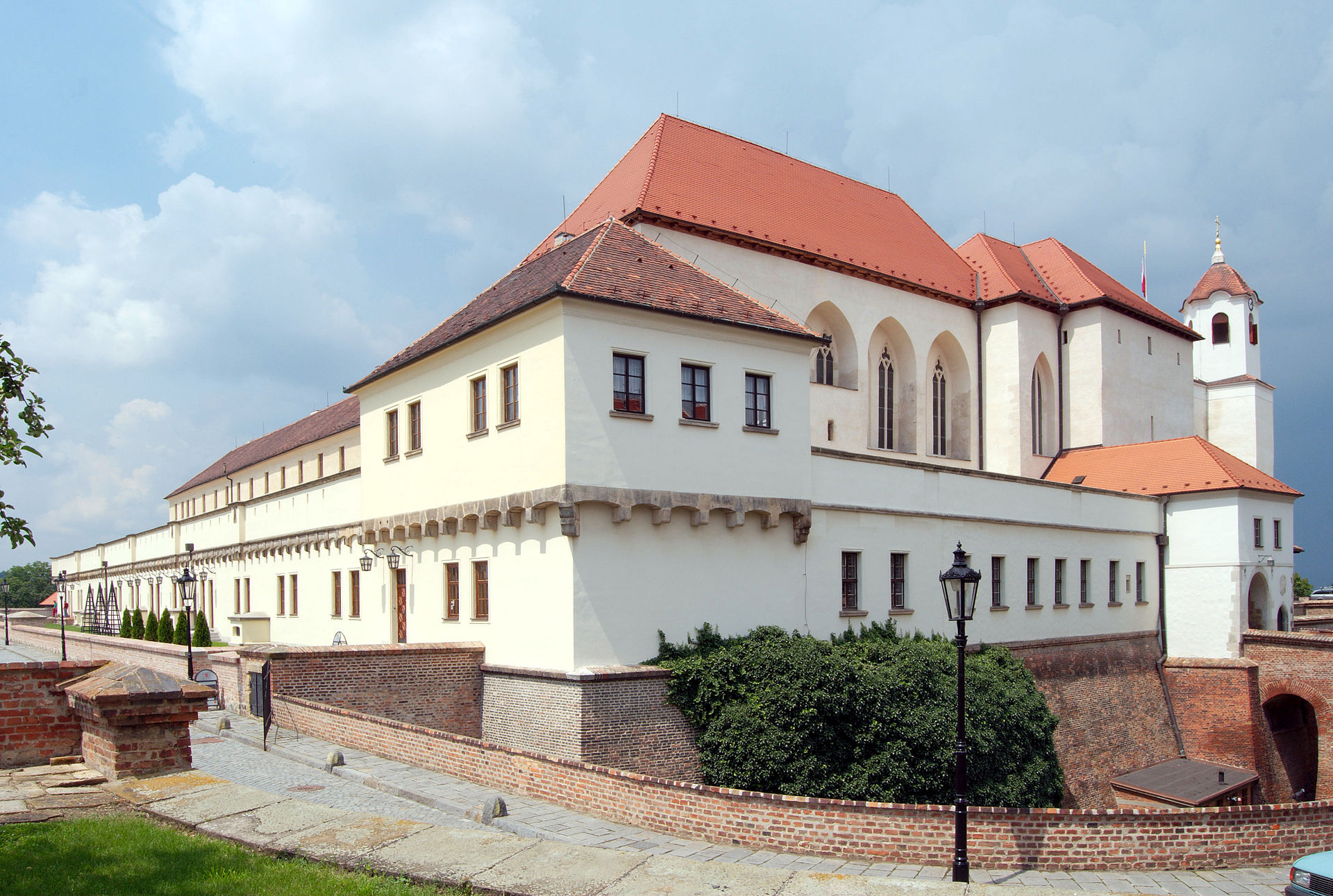
Spilberk Castle
POICastle with a unique history gradually turned into a huge baroque citadel, considered the harshest prison in the Austrian Empire, and then into barracks.

Church of Our Lady before Tyn
POIMain church of Prague's Old City since the 14th century, also housing the tomb of astronomer Tycho Brahe.
Sources & Further Reading
- [1]A History of the Czech Lands — Petr Cornej. Karolinum Press (2018)
- [2]The Czech Republic: A Nation of Stories — Eva Schmidt-Hartmann. Central European University Press (2005)
- [3]