Country Wiki
France
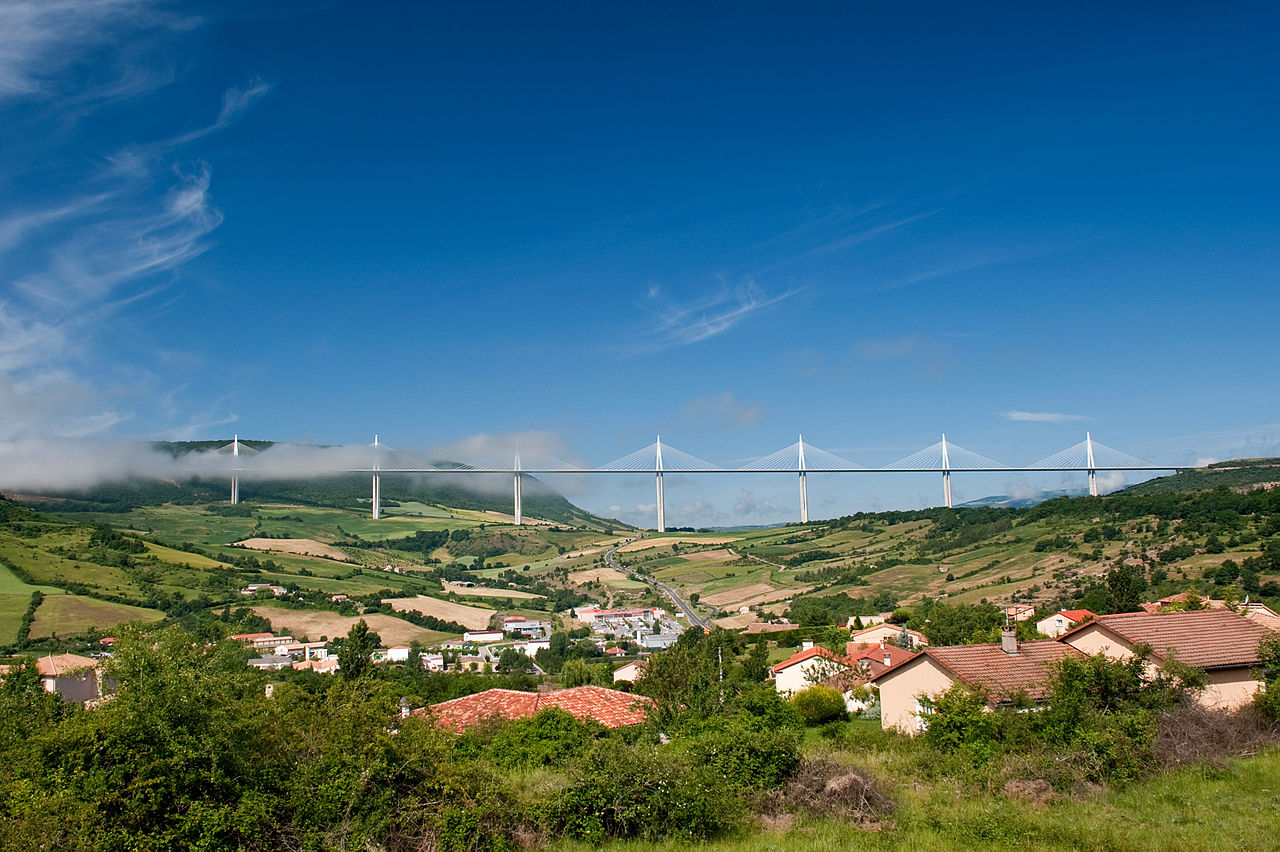
France is a Western European nation known for its profound influence on global art, gastronomy, fashion, and philosophy. Spanning from the Mediterranean Sea to the English Channel and the North Sea, it features a diverse landscape of alpine mountains, fertile river valleys, and extensive coastlines. As a founding member of the European Union and a permanent member of the UN Security Council, France maintains a significant role in international diplomacy. Its capital, Paris, serves as a global center for culture and commerce, while the country's historical depth is reflected in its numerous monuments, cathedrals, and chateaux.
Ancient Gaul and Roman Influence
Prehistory – 486 CEThe region was inhabited by Celtic tribes known as the Gauls before being conquered by Julius Caesar for the Roman Empire in the 1st century BCE. Roman rule introduced Latin, urban infrastructure, and Christianity, which became the dominant religion.
The Middle Ages and Monarchy
486 – 1789Following the collapse of the Roman Empire, the Franks established a kingdom that evolved into the French state. The Capetian dynasty and subsequent monarchs consolidated power, leading to the absolute monarchy of the Ancien Régime, which was characterized by feudalism and the rise of the Catholic Church.
Revolution and Empire
1789 – 1815The French Revolution of 1789 dismantled the monarchy and established the principles of 'Liberté, égalité, fraternité.' This period of radical social and political upheaval led to the rise of Napoleon Bonaparte, whose Napoleonic Code influenced legal systems across the globe.
Modern France
1815 – PresentThe 19th and 20th centuries saw France navigate industrialization, two World Wars, and the decolonization of its overseas territories. Today, the Fifth Republic, established in 1958, emphasizes a strong executive branch and remains a central pillar of European integration.
Major Cities
6 listed
Notable POIs
10 listed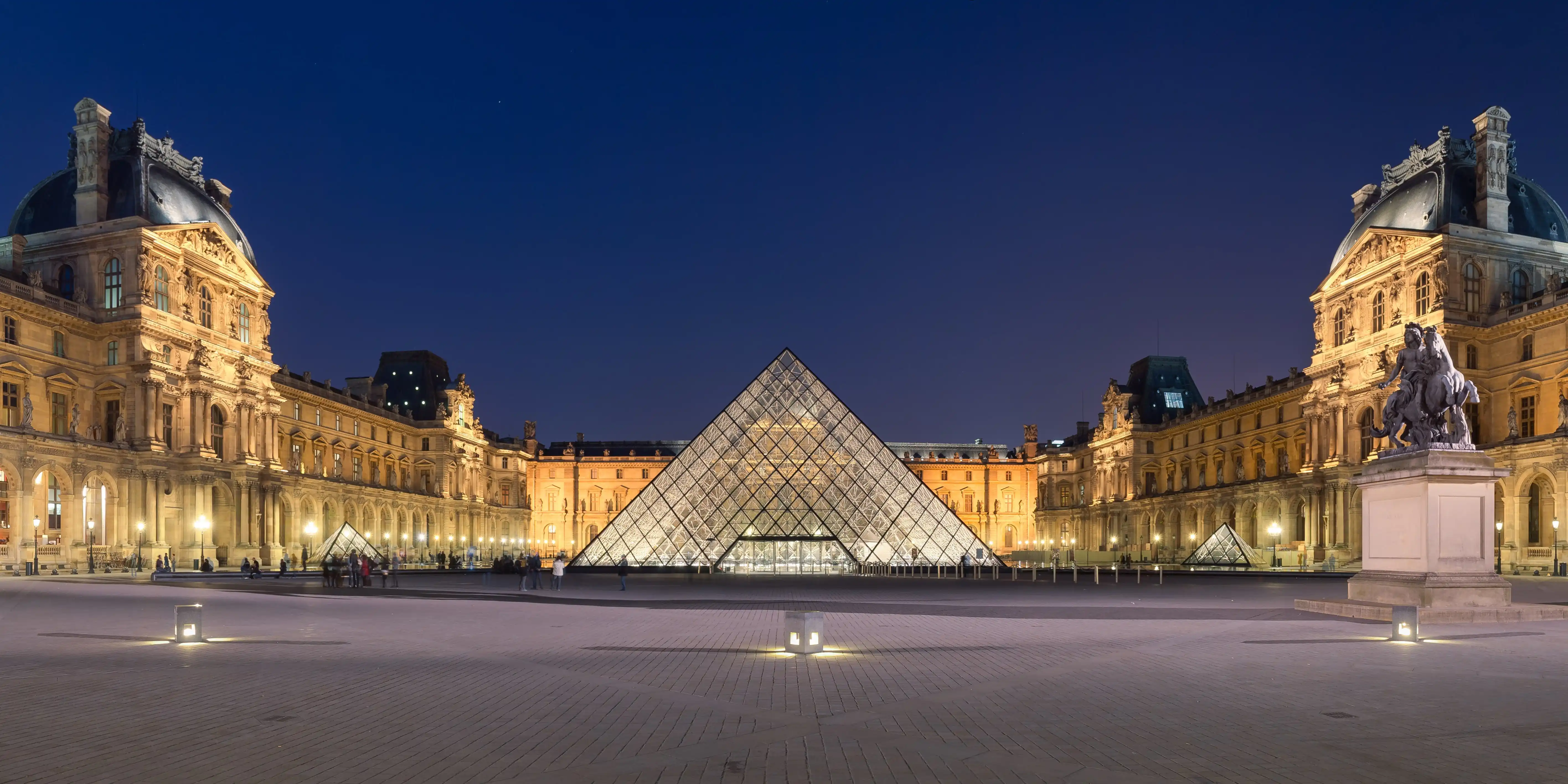
Musee du Louvre
POIFrench national museum housed under a large glass and metal pyramid.
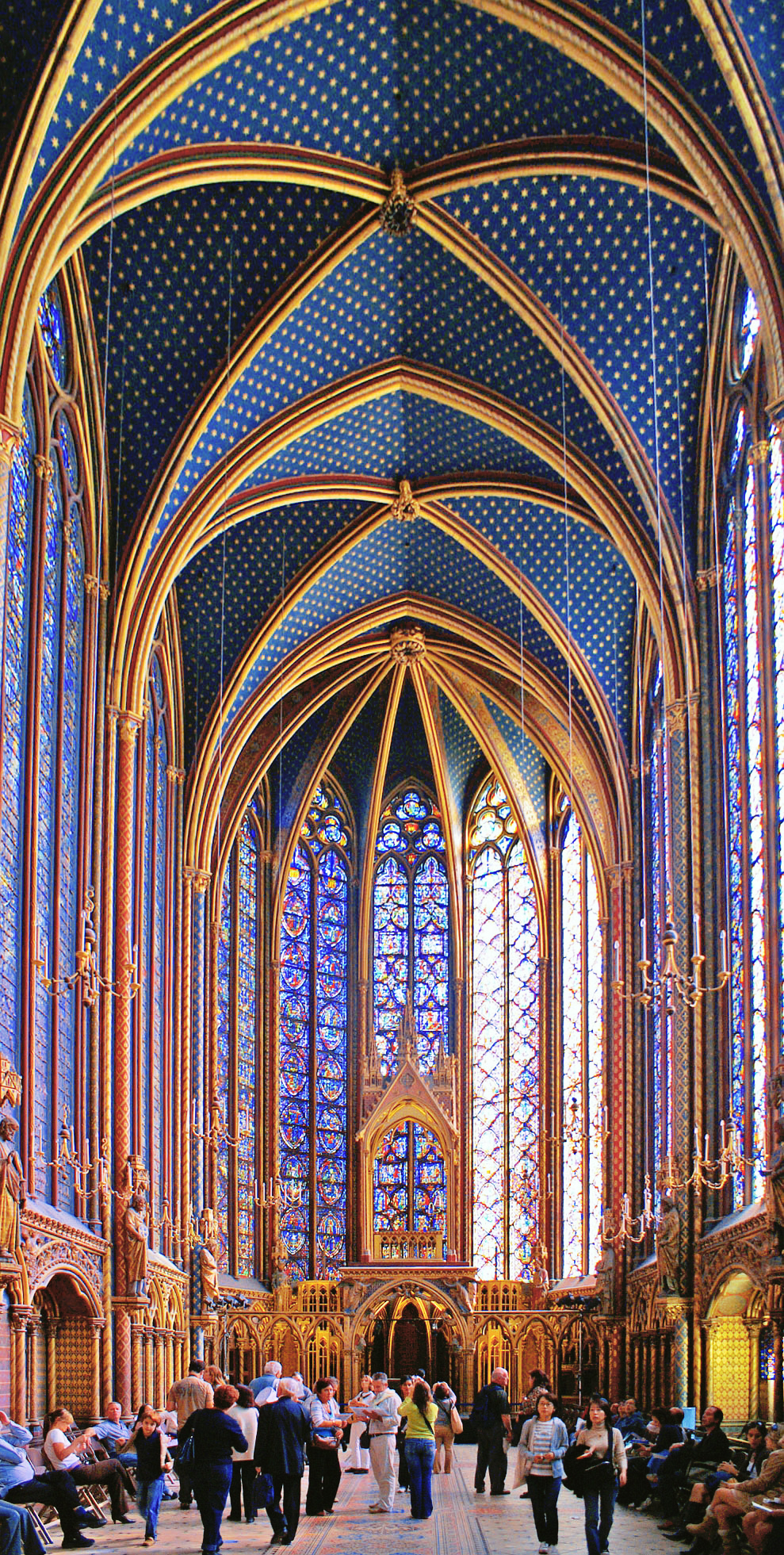
Sainte-Chapelle
POIKing Louis IX’s 13th-century royal chapel built to house the Crown of Thorns and other Passion relics, embodying the political use of sacred artifacts to legitimize Capetian power.

Pantheon
POIMausoleum created during the French Revolution to honor national figures, reflecting France’s shift from monarchical to civic ideals by enshrining leaders like Voltaire, Rousseau, and Marie Curie.

Musee Rodin
POIArt museum primarily dedicated to the works of the French sculptor Auguste Rodin, housing 6,600 sculptures, 8,000 drawings, 8,000 old photographs and 7,000 objets d'art.
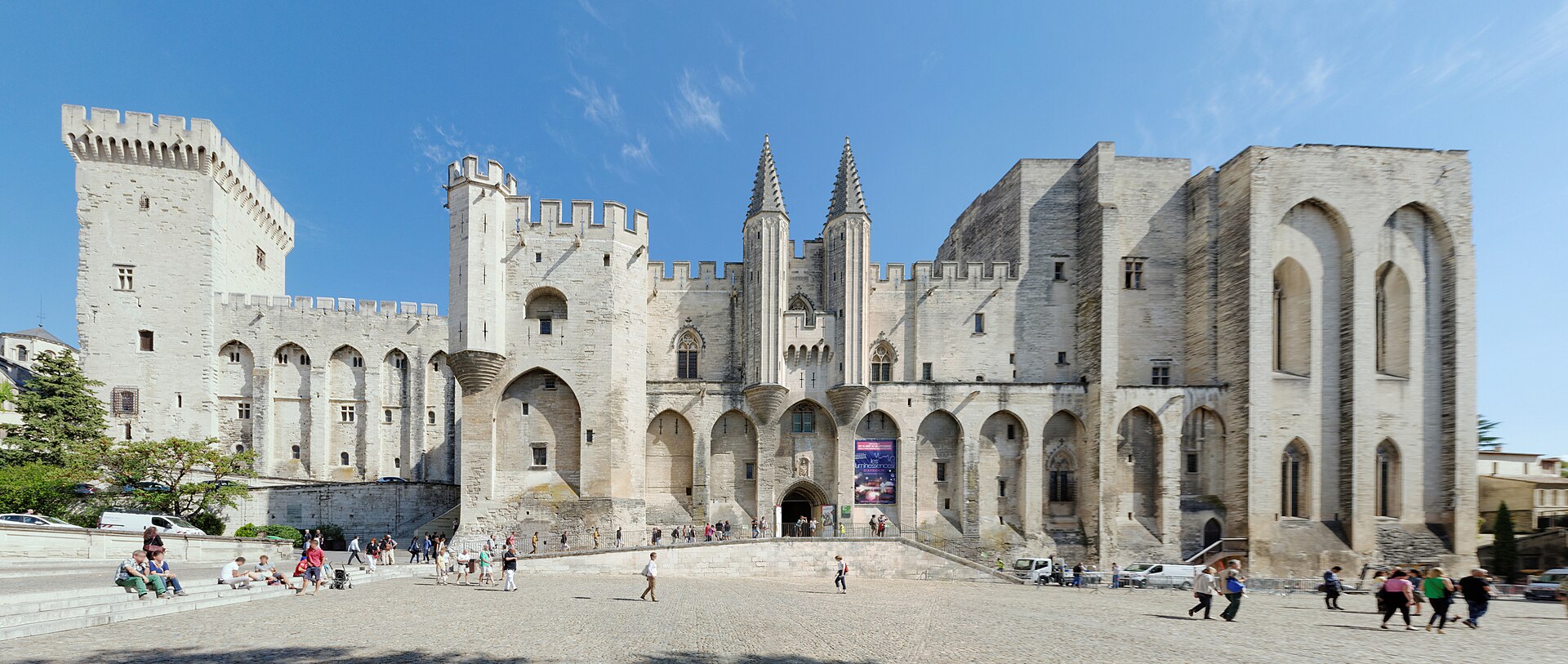
Palais des Papes
POI14th-century seat of the Avignon Papacy, where seven popes governed the Catholic Church and centralized papal administration outside Rome for nearly seventy years.

Petit Palais
POIMuseum showcasing France’s republican commitment to public art education and its efforts to define a national artistic canon at the turn of the 20th century.

Musee Carnavalet
POIHistoric monument and museum containing furnished rooms from different periods of Paris history, historic objects, and a very large collection of paintings of Paris life

La Piscine Museum
POIMuseum notable for transforming a 1930s Art Deco public swimming pool into a museum that preserves the city’s industrial heritage alongside its collection of applied and fine arts.

Luxembourg Palace
POIPalace built in the early 17th century for Marie de’ Medici, known for its role as a royal residence turned revolutionary prison, and later became the seat of the French Senate.

Jacques Chirac Museum of Branly Quay
POIMuseum designed to feature the indigenous art and cultures of Africa, Asia, Oceania, and the Americas, containing more than a million objects (ethnographic objects, photographs, documents, etc.).