
Country Wiki
Netherlands
The Netherlands is a low-lying country in northwestern Europe, bordered by Germany to the east, Belgium to the south, and the North Sea to the northwest. Known for its extensive system of dikes, canals, and reclaimed land (polders), much of the country lies at or below sea level. Its geography has shaped a long history of water management and engineering innovation. Modern Netherlands is a constitutional monarchy with a highly developed economy and a strong tradition of international trade, governance, and cultural influence. It has played a significant role in global history, particularly during the early modern period, and remains an important center for diplomacy, finance, and the arts.
Early Settlements and Roman Era
Prehistory – 5th century CEThe region that is now the Netherlands was inhabited by Germanic and Celtic tribes before becoming part of the northern frontier of the Roman Empire. The Rhine River marked a key boundary, with Roman forts and settlements established in the southern areas.
Medieval Period and Rise of Provinces
5th–16th centuriesFollowing the collapse of Roman authority, the region fragmented into feudal territories under Frankish influence. By the late Middle Ages, various counties and duchies developed into prosperous trading centers, particularly in cities such as Bruges and later Antwerp.
Dutch Golden Age
16th–17th centuriesThe Netherlands gained independence from Spanish rule during the Eighty Years’ War (1568–1648), forming the Dutch Republic. The 17th century marked a period of immense wealth and cultural achievement, with global trade networks, naval dominance, and advancements in art and science.
French Influence and Kingdom Formation
18th–19th centuriesThe Dutch Republic declined in the 18th century and was eventually incorporated into the French Empire under Napoleon. After his defeat, the Kingdom of the Netherlands was established in 1815, initially including Belgium, which later separated in 1830.
Modern Netherlands
20th century–presentThe Netherlands remained neutral during World War I but was occupied by Nazi Germany during World War II. After liberation in 1945, it became a founding member of key international organizations including NATO and the European Union, developing into a stable, prosperous, and globally connected nation.
Major Cities
6 listed

Notable POIs
10 listed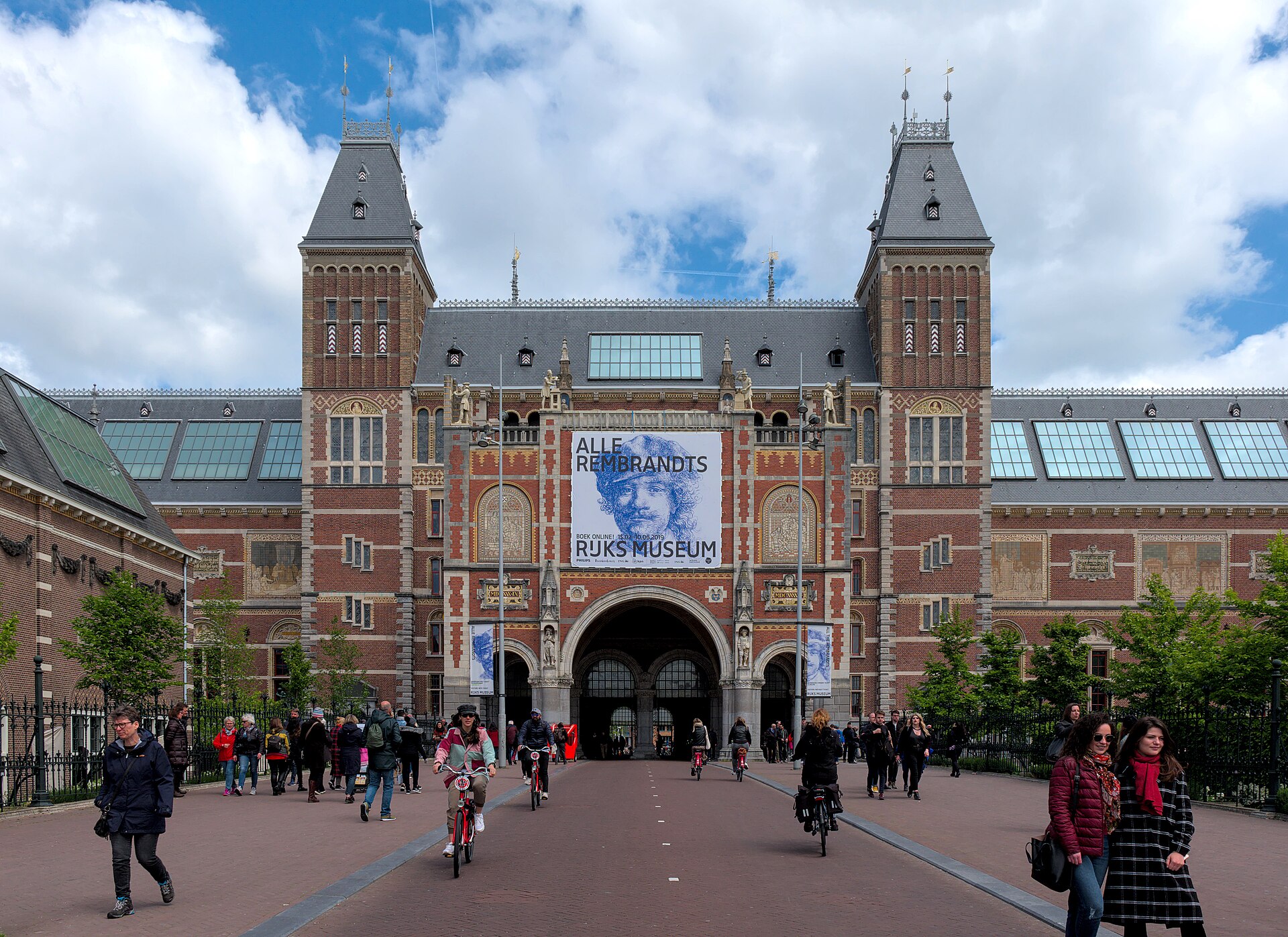
Rijksmuseum
POINational museum of the Netherlands housing world-renowned masterpieces such as Rembrandt’s *The Night Watch* and Vermeer’s *The Milkmaid* within a building that combines Gothic and Renaissance architectural styles.
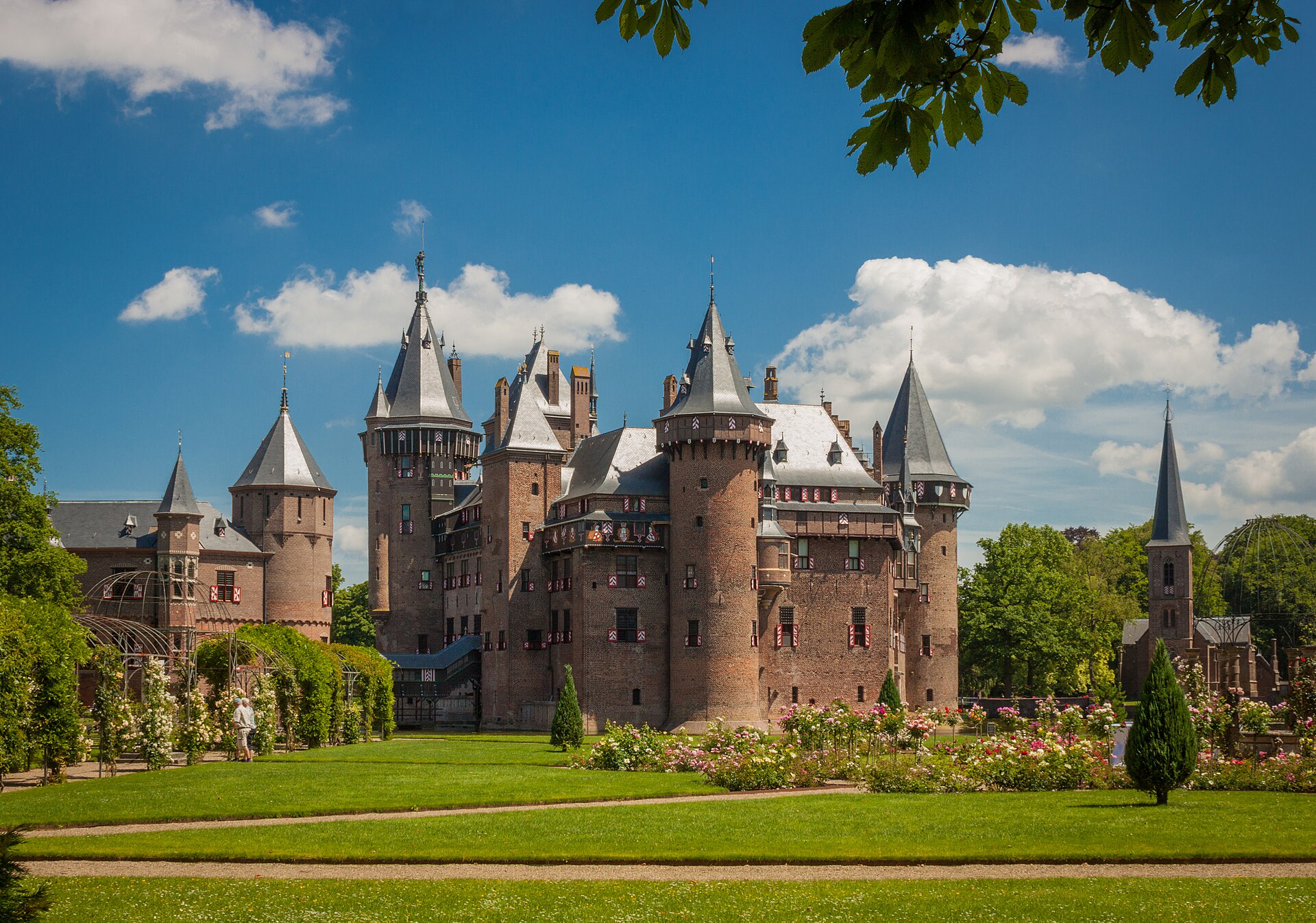
Kasteel de Haar
POILargest castle in the Netherlands featuring neo-Gothic towers and surrounding parkland, rebuilt in the late nineteenth century to showcase opulent medieval-style architecture and extensive decorative arts.
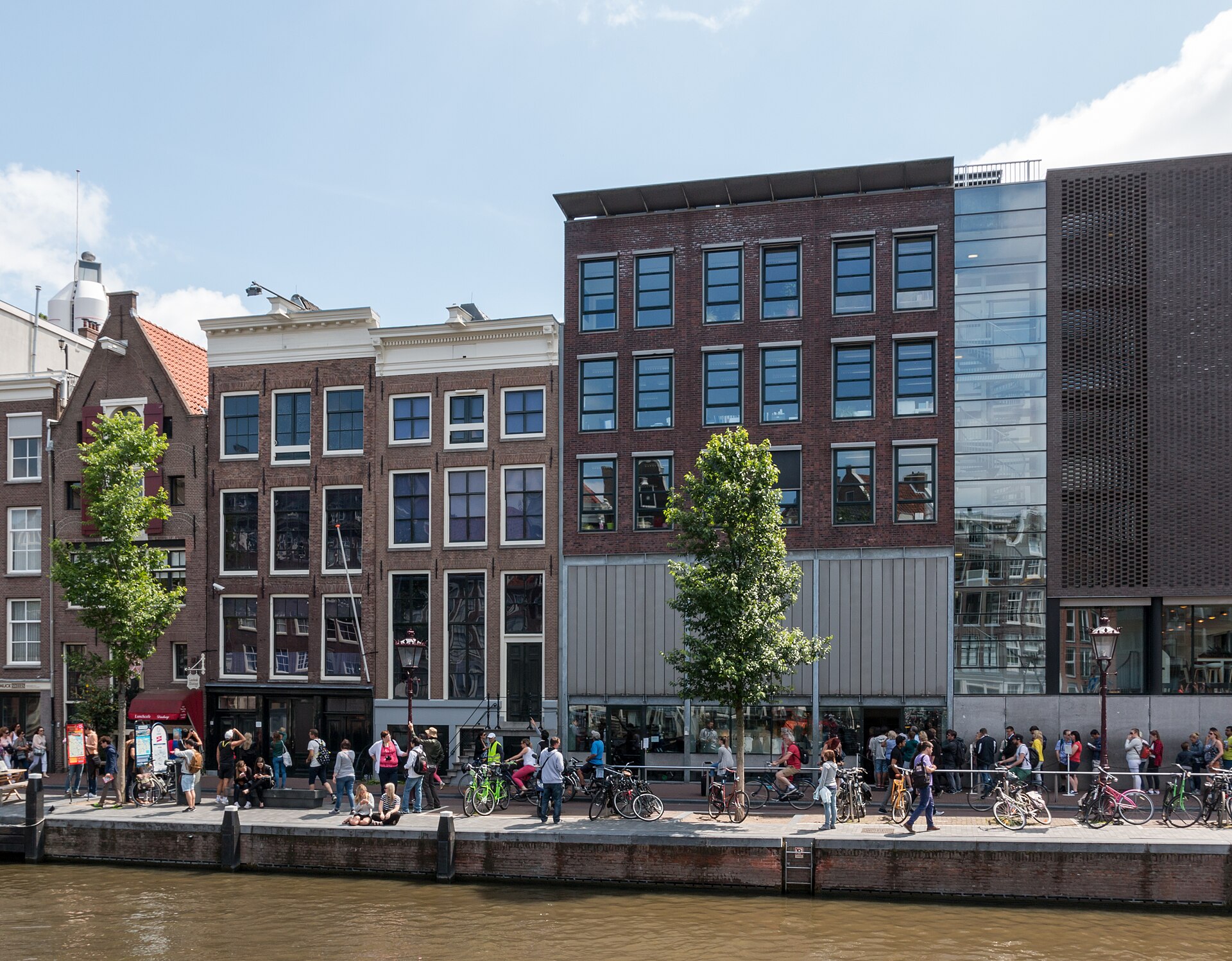
Anne Frank House
POIBiographical museum located in the canal house where Anne Frank and her family hid during World War II, preserving the secret annex and showcasing her original diary.
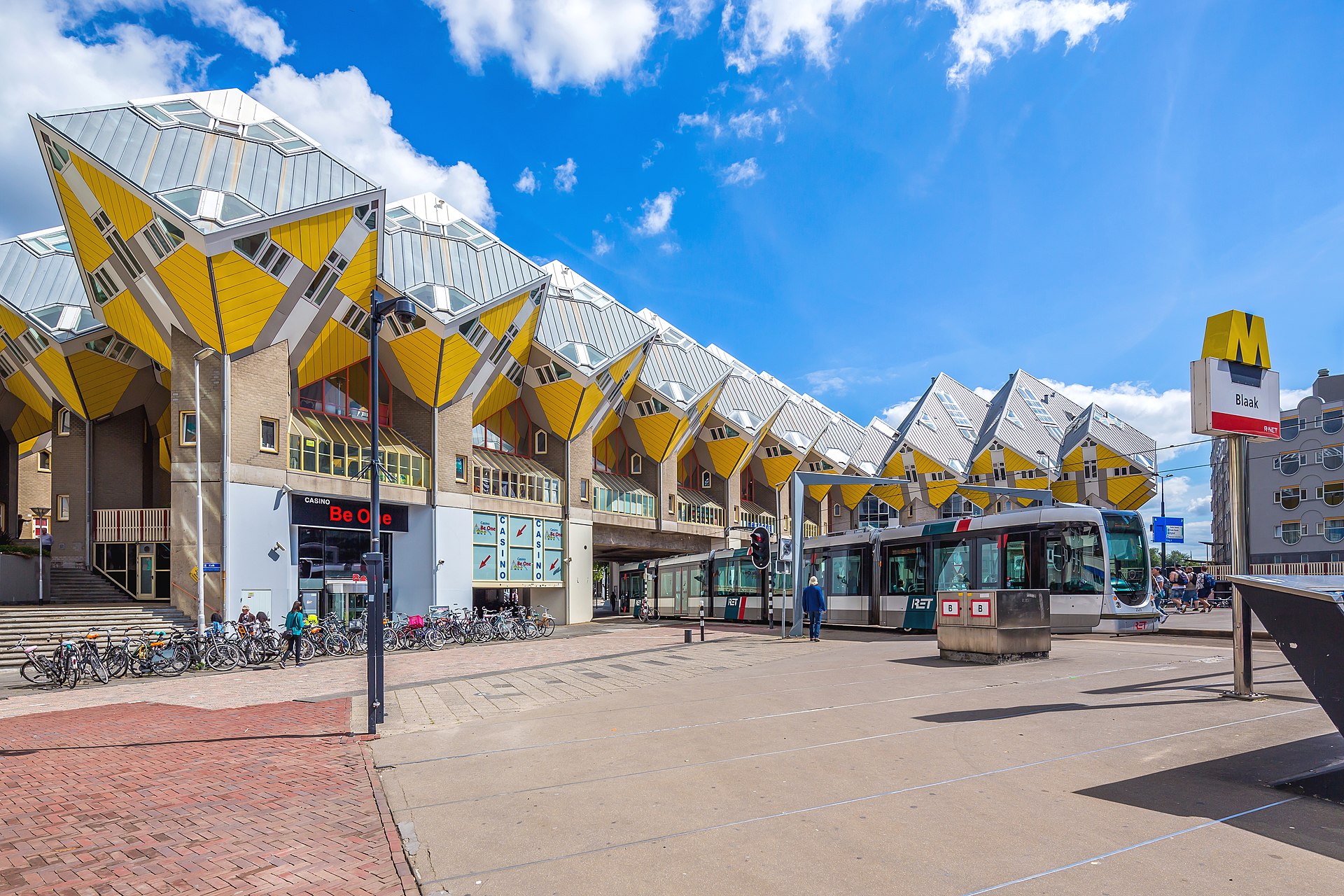
Kubuswoningen
POIDesigned by architect Piet Blom, these unconventional "Cube Houses" are tilted 45 degrees and perched atop hexagonal pylons to represent an urban forest where each house acts as a stylized tree.
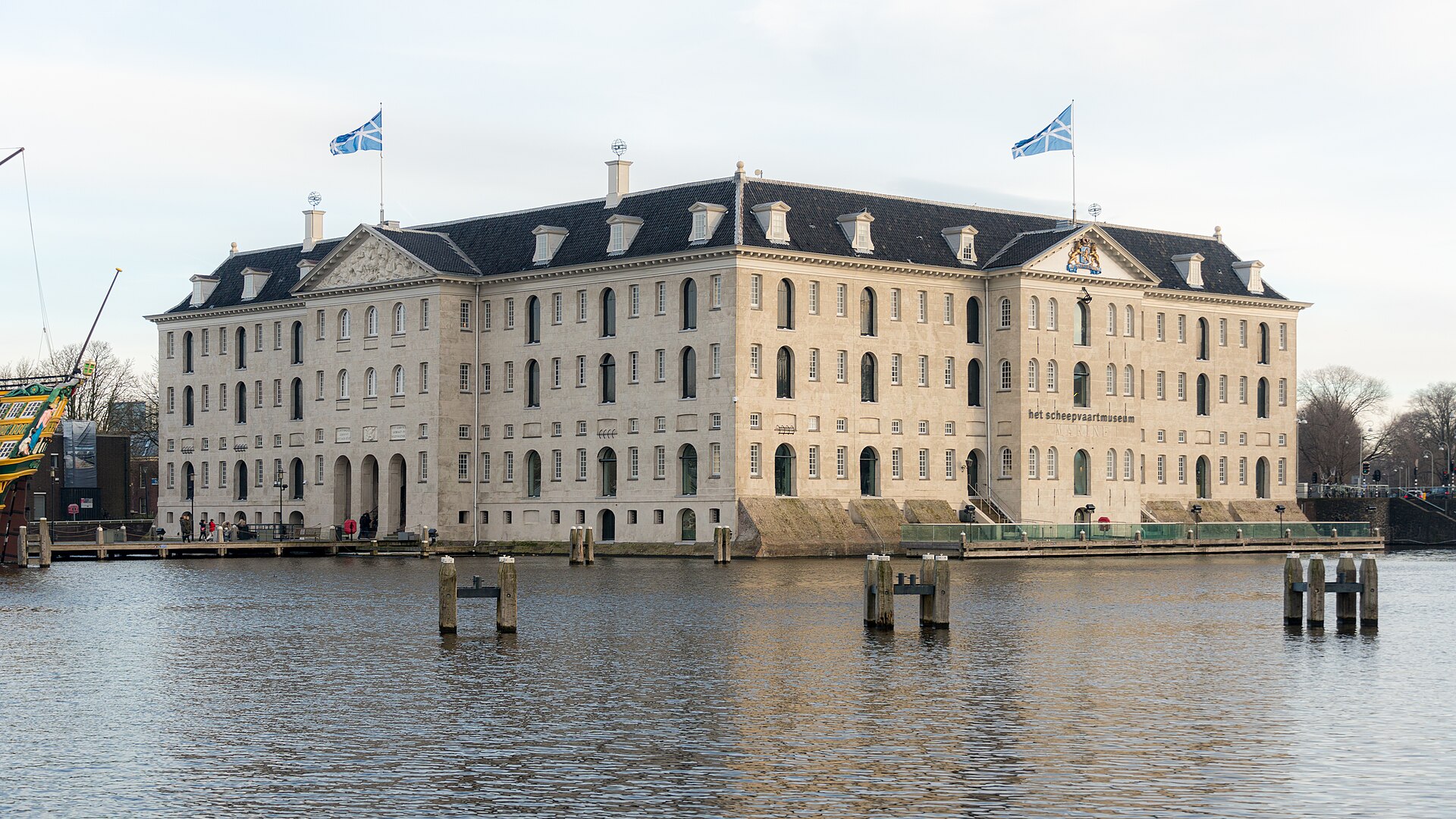
Het Scheepvaartmuseum
POIMaritime museum housed in a former naval storehouse that features a full-scale replica of the Dutch East India Company ship Amsterdam and showcases one of the world's largest collections of nautical artifacts.

Binnenhof
POIComplex of buildings serving as the world's oldest parliament still in use, featuring a central courtyard and Gothic halls that have functioned as the primary center of Dutch political life and administration for many centuries.
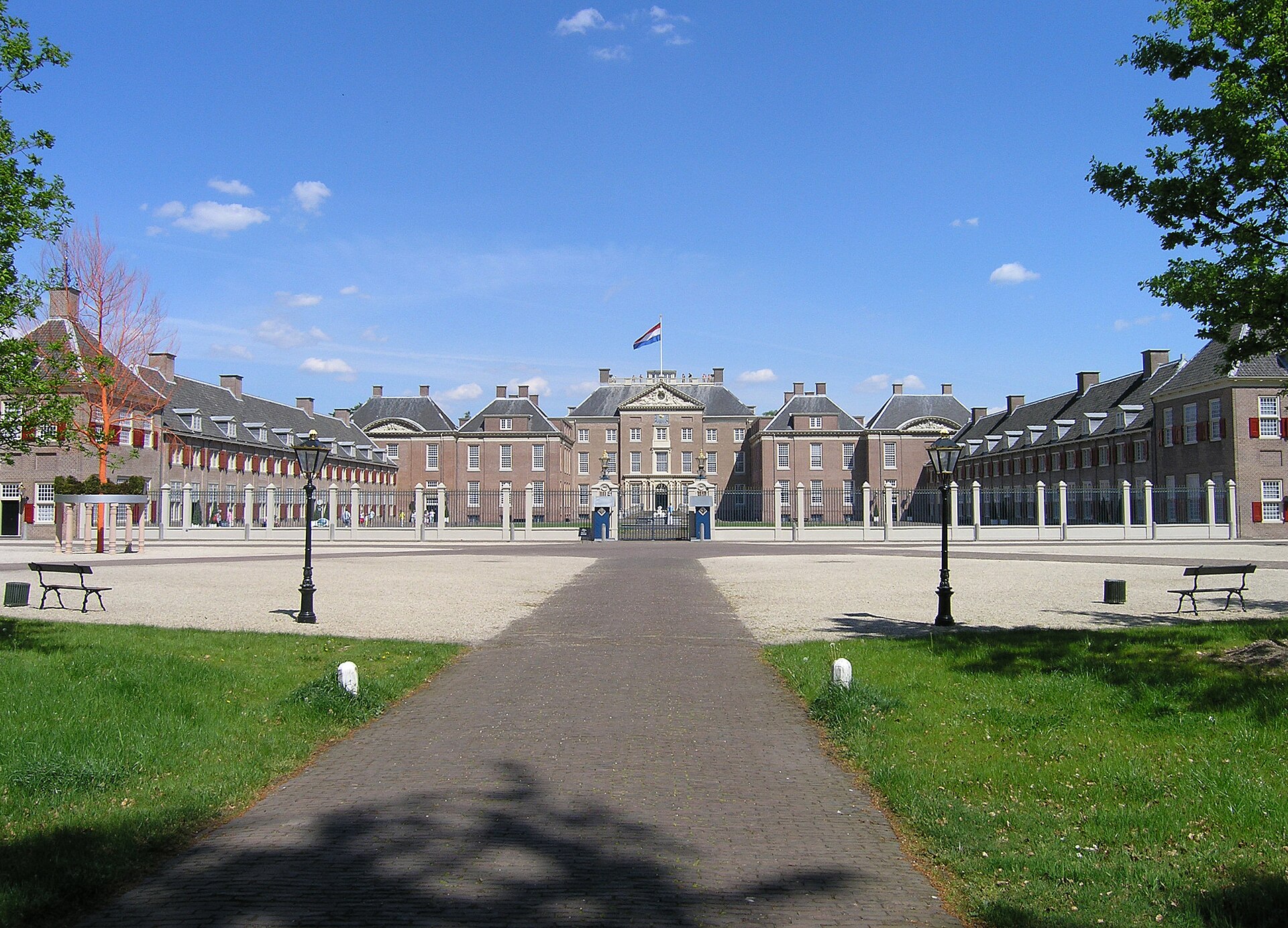
Paleis het Loo
POIFormer summer residence of House of Orange-Nassau built in Dutch Baroque style, featuring symmetrical parterre gardens and meticulously restored interiors that illustrate three centuries of royal history and administrative life.

Evoluon
POIUFO-shaped landmark and former science museum designed by architect Louis Kalff, currently functioning as a future-oriented museum and conference center that explores the intersection of nature, technology, and humanity.
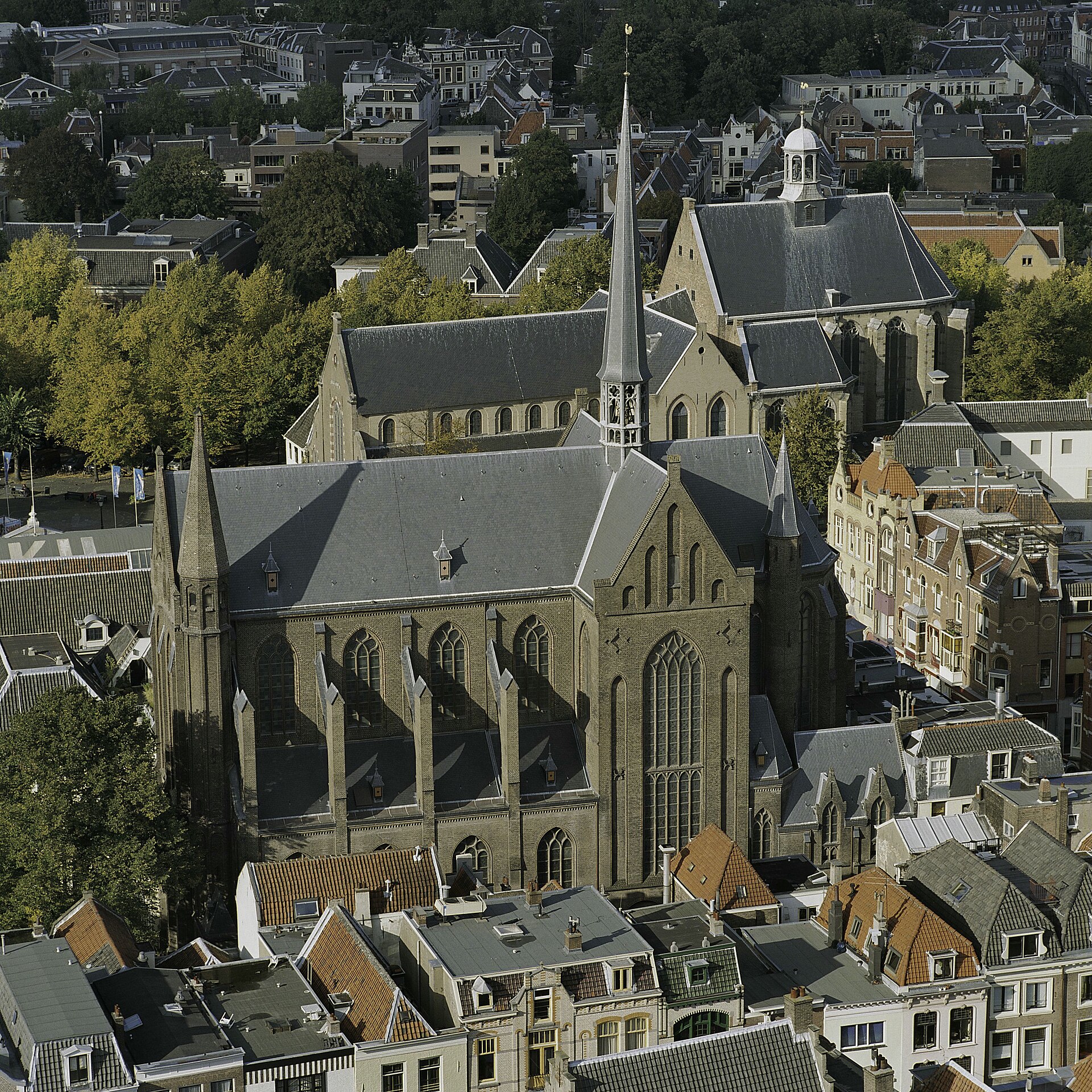
Sint-Willibrordkerk
POINeo-Gothic structure featuring elaborate interior decorations and colorful wall paintings that represent some of most complete examples of nineteenth-century religious artistry in Netherlands.
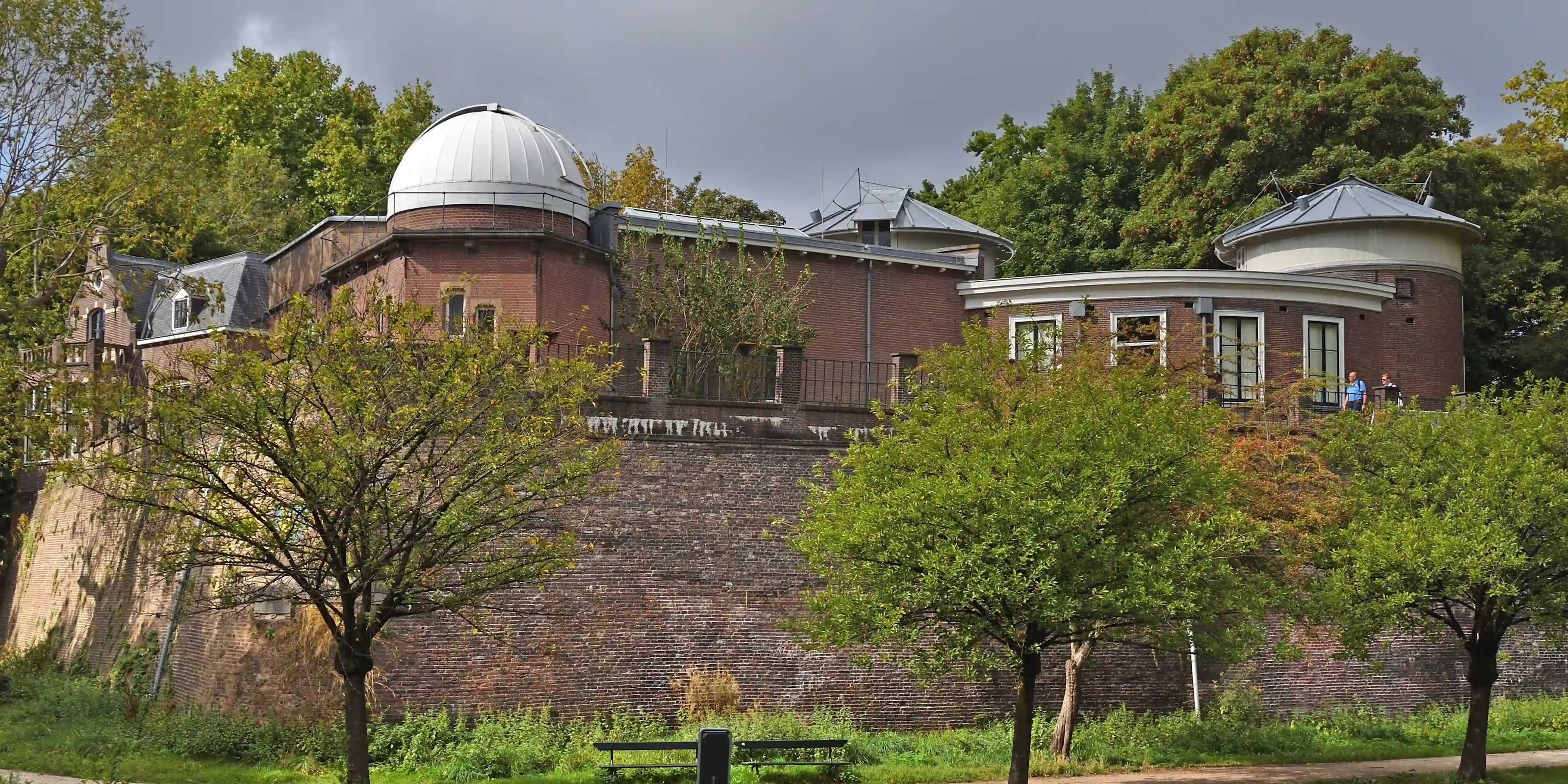
Sterrenwacht Sonnenborgh
POIObservatory and museum housed within sixteenth-century bastion, featuring professional telescopes and historical meridian circle to demonstrate progress of astronomical research and weather forecasting.
Sources & Further Reading
- [1]The Dutch Republic: Its Rise, Greatness, and Fall 1477–1806 — Jonathan Israel. Oxford University Press (1995)
- [2]A History of the Netherlands — Friso Wielenga. Bloomsbury Academic (2015)
- [3]World Bank Data – NetherlandsView