
Country Wiki
Switzerland
Switzerland is a landlocked country in Central Europe known for its mountainous landscapes, political neutrality, and strong financial sector. Dominated by the Alps and dotted with lakes, it shares borders with France, Germany, Italy, Austria, and Liechtenstein, placing it at the crossroads of major European cultural regions. The country is a federal republic composed of 26 cantons, each with significant autonomy. Switzerland is notable for its multilingual society, with German, French, Italian, and Romansh as official languages, and for its long-standing tradition of direct democracy and neutrality in international affairs.
Early Settlements and Roman Era
Prehistory – 5th century CEThe region of present-day Switzerland was inhabited by Celtic tribes before becoming part of the Roman Empire in the 1st century BCE. Roman influence introduced infrastructure, urbanization, and trade networks that shaped early development.
Formation of the Swiss Confederation
1291–1648Switzerland traces its origins to a defensive alliance formed in 1291 among rural cantons. Over time, additional regions joined, forming a loose confederation that gradually gained independence from the Holy Roman Empire, formally recognized in 1648.
Napoleonic Era and Federal State
1798–1848The French invasion in 1798 led to the centralized Helvetic Republic, which was later replaced by a restored confederation. Political tensions between conservative and liberal cantons culminated in the Sonderbund War (1847), leading to the establishment of the modern federal state in 1848.
Neutrality and Modern Development
1848–presentSwitzerland maintained neutrality during both World Wars, avoiding direct conflict while serving as a center for diplomacy and humanitarian efforts. In the modern era, it has developed into a highly prosperous nation known for banking, precision manufacturing, and international organizations.
Major Cities
5 listed
Notable POIs
10 listed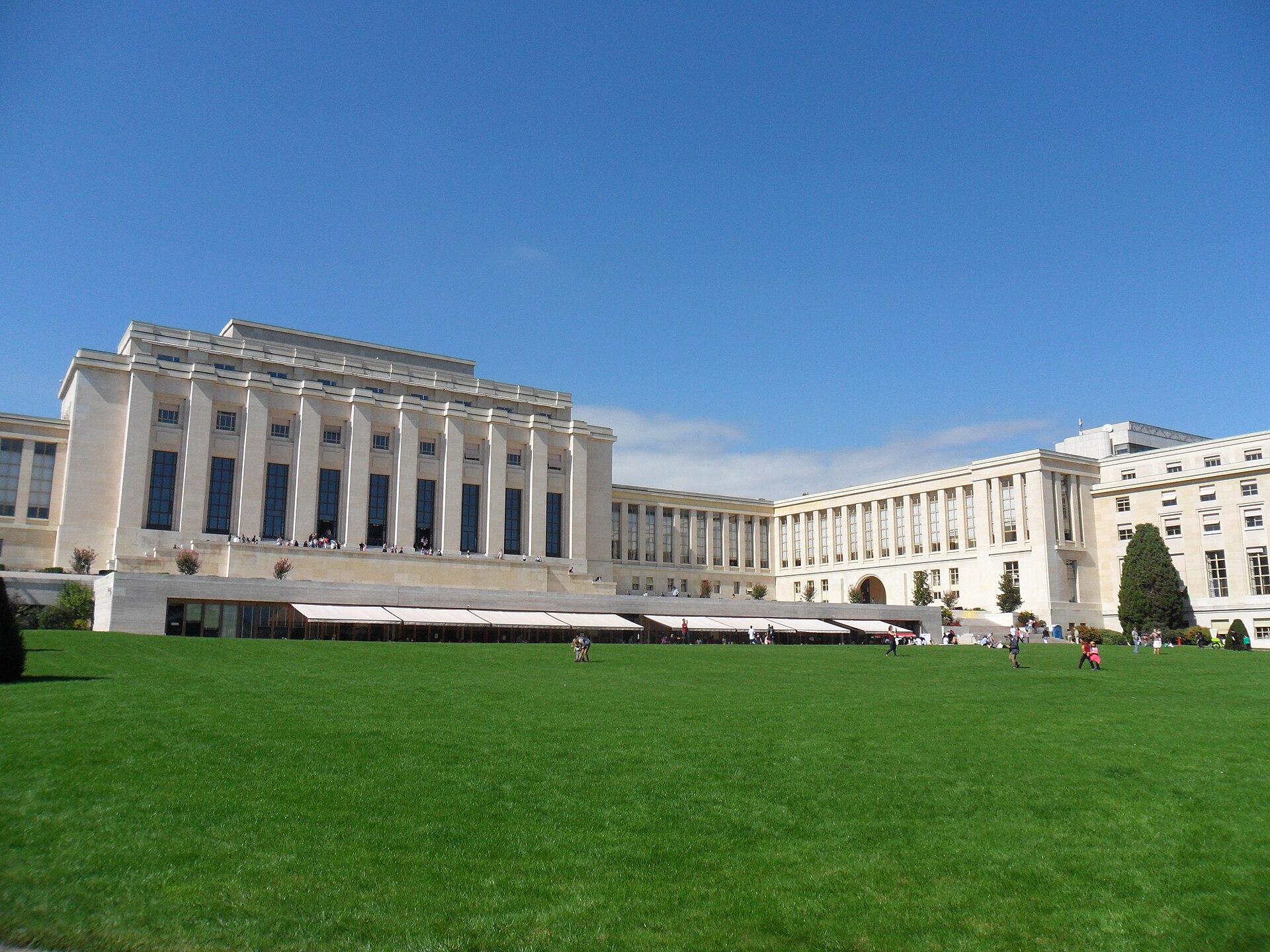
Palace of Nations
POINeoclassical and Art Deco complex featuring expansive assembly halls and international territory status to serve as the European headquarters of the United Nations and a global center for multilateral diplomacy.
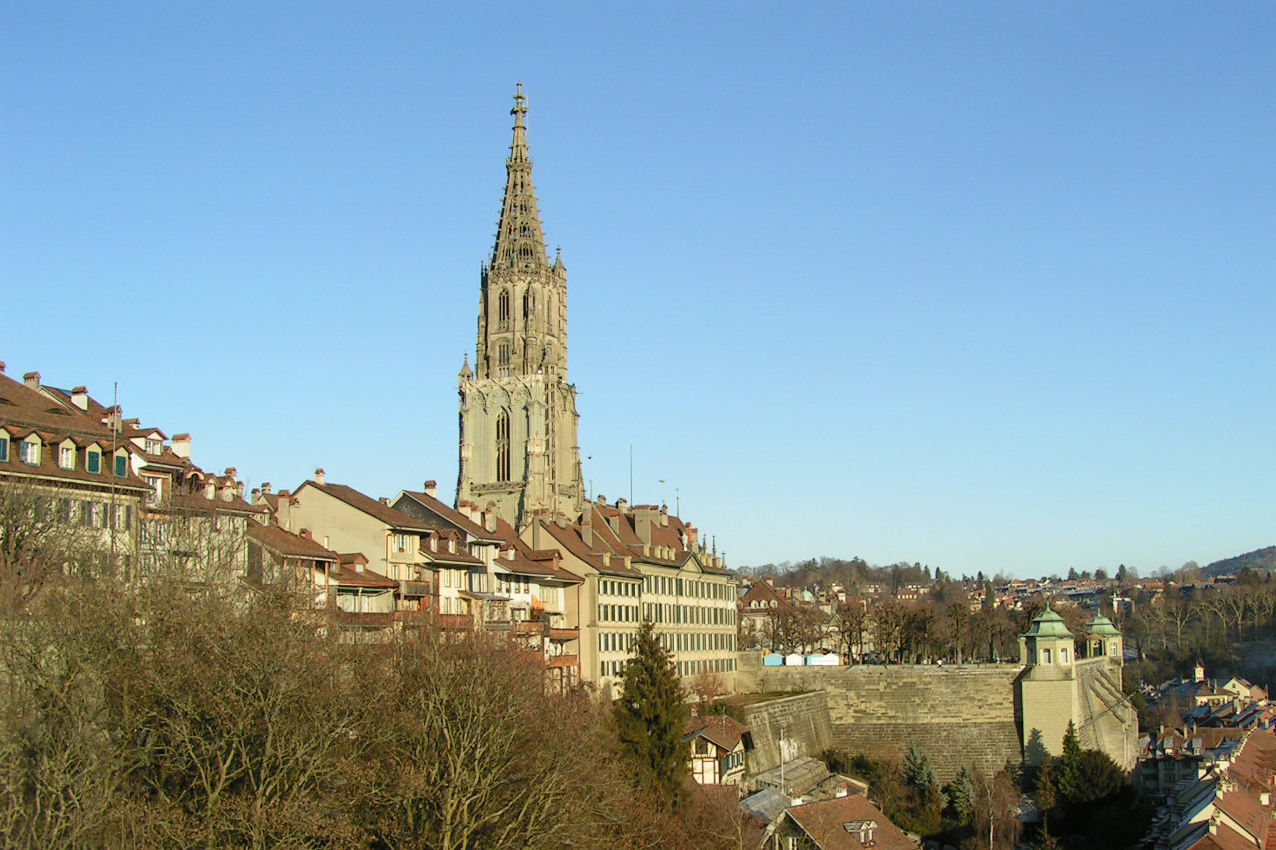
Berner Munster
POILate Gothic structure featuring highest church tower in Switzerland and intricate Last Judgment portal to serve as most impressive example of ecclesiastical architecture in the capital.

Federal Palace of Switzerland
POIRenaissance-style structure featuring a central dome and turquoise-green roof to serve as the seat of the Swiss Federal Assembly and the Federal Council.
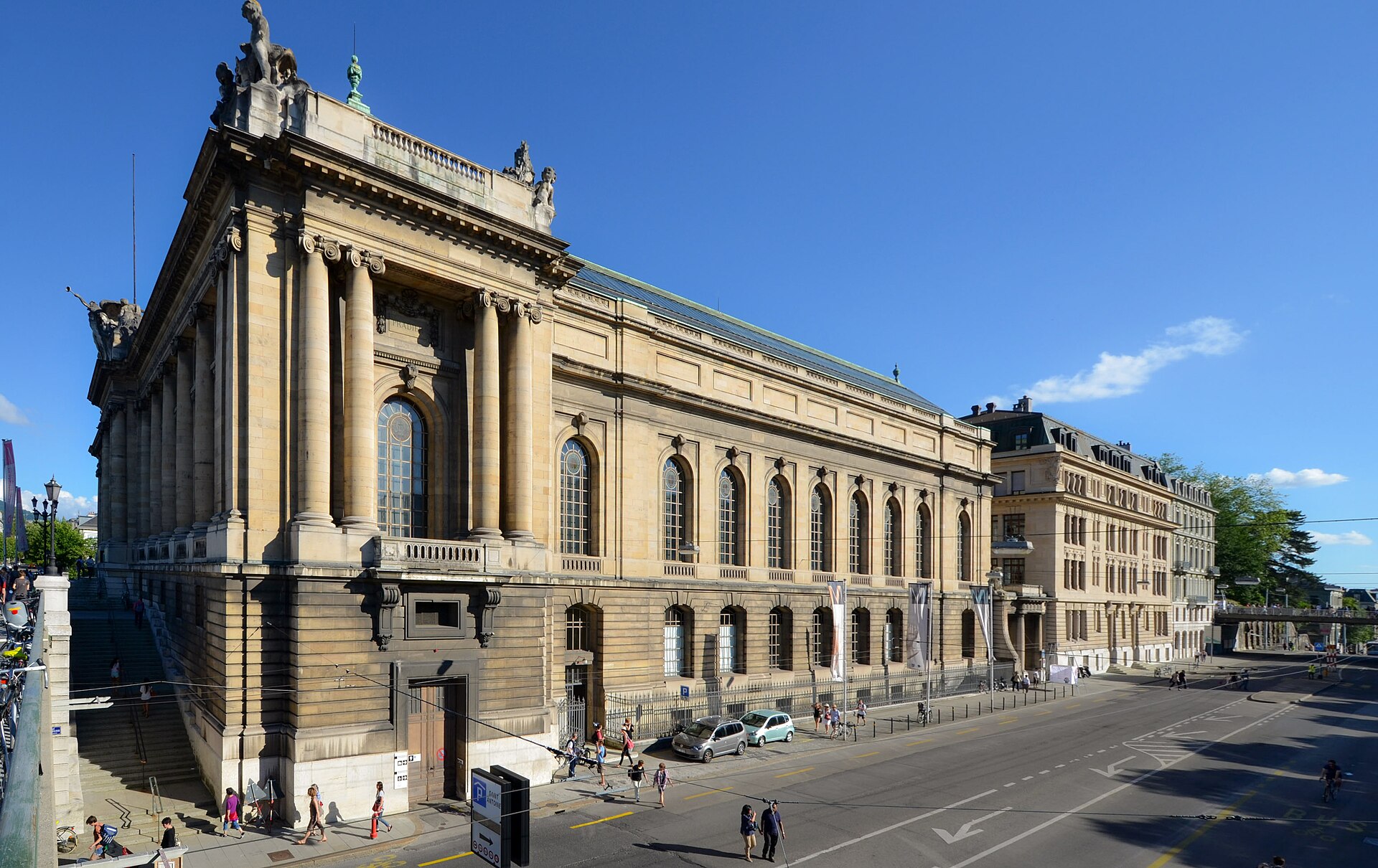
Musee d'Art et d'Histoire
POINineteenth-century structure featuring neoclassical architecture and comprehensive collections of over six hundred thousand objects to serve as the largest multidisciplinary museum in Geneva.
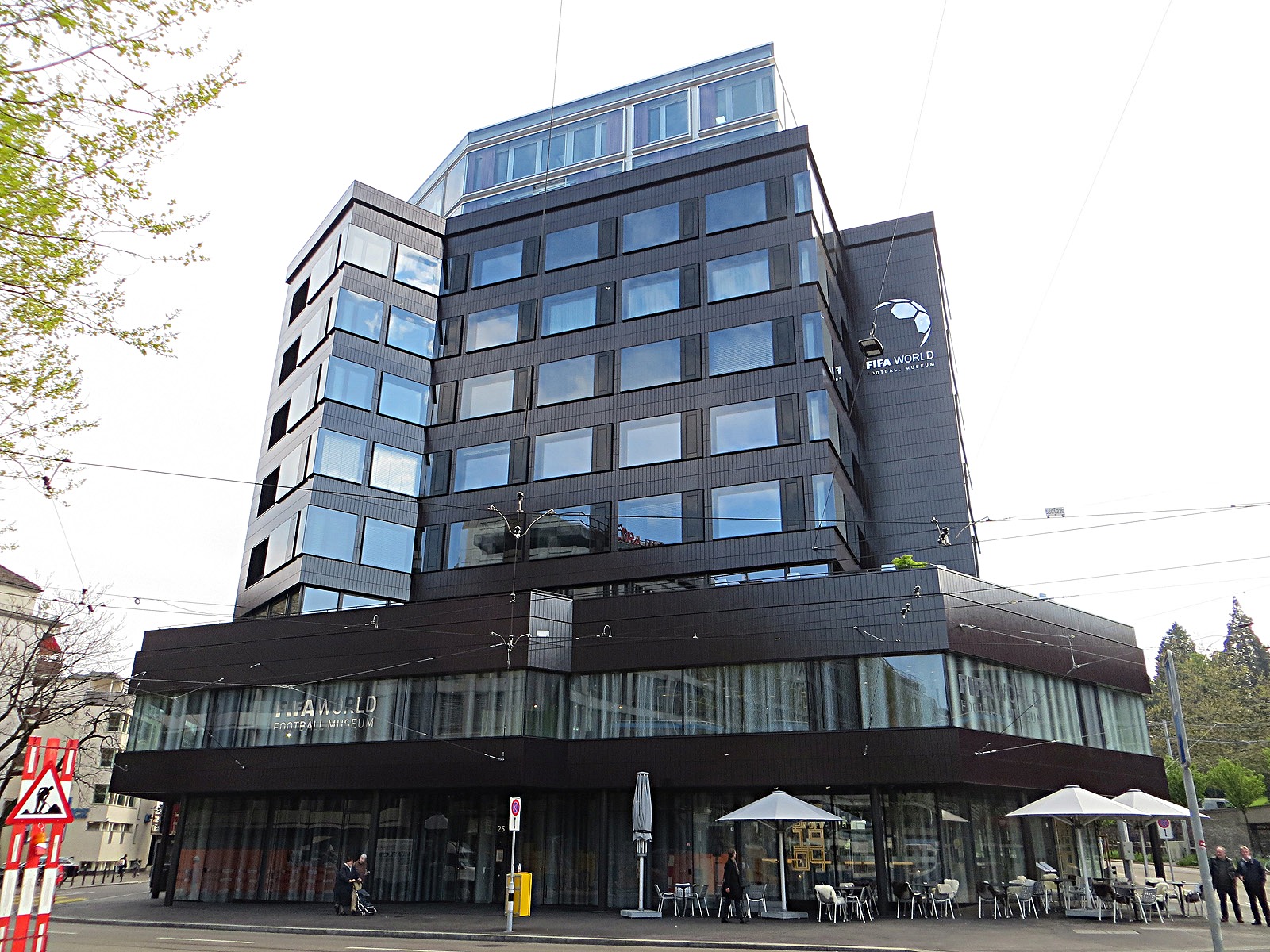
FIFA Museum
POIModern facility featuring over one thousand exhibits related to international football history and culture to document global development of the sport and impact of World Cup tournaments.
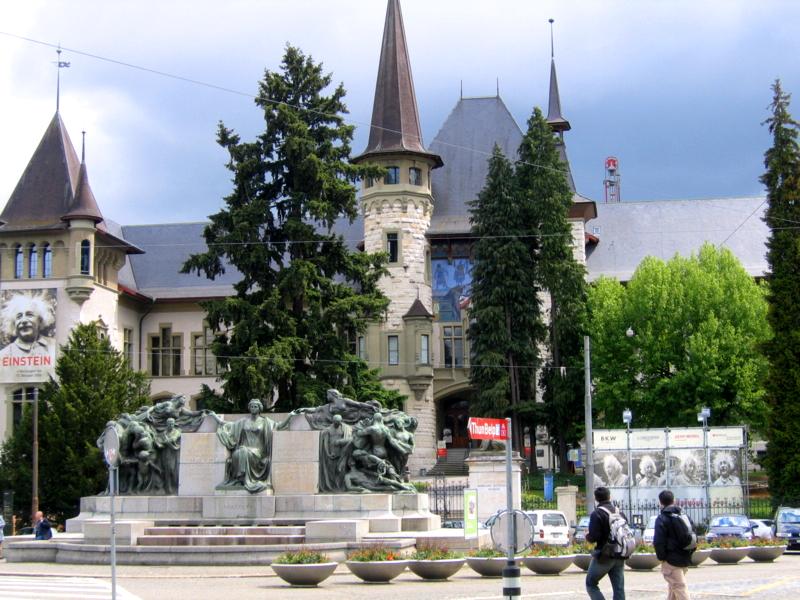
Bern Historical Museum
POISecond largest historical institution in Switzerland housed within nineteenth-century castle-like structure featuring diverse collections of over five hundred thousand objects to document cultural history from Stone Age to present day.
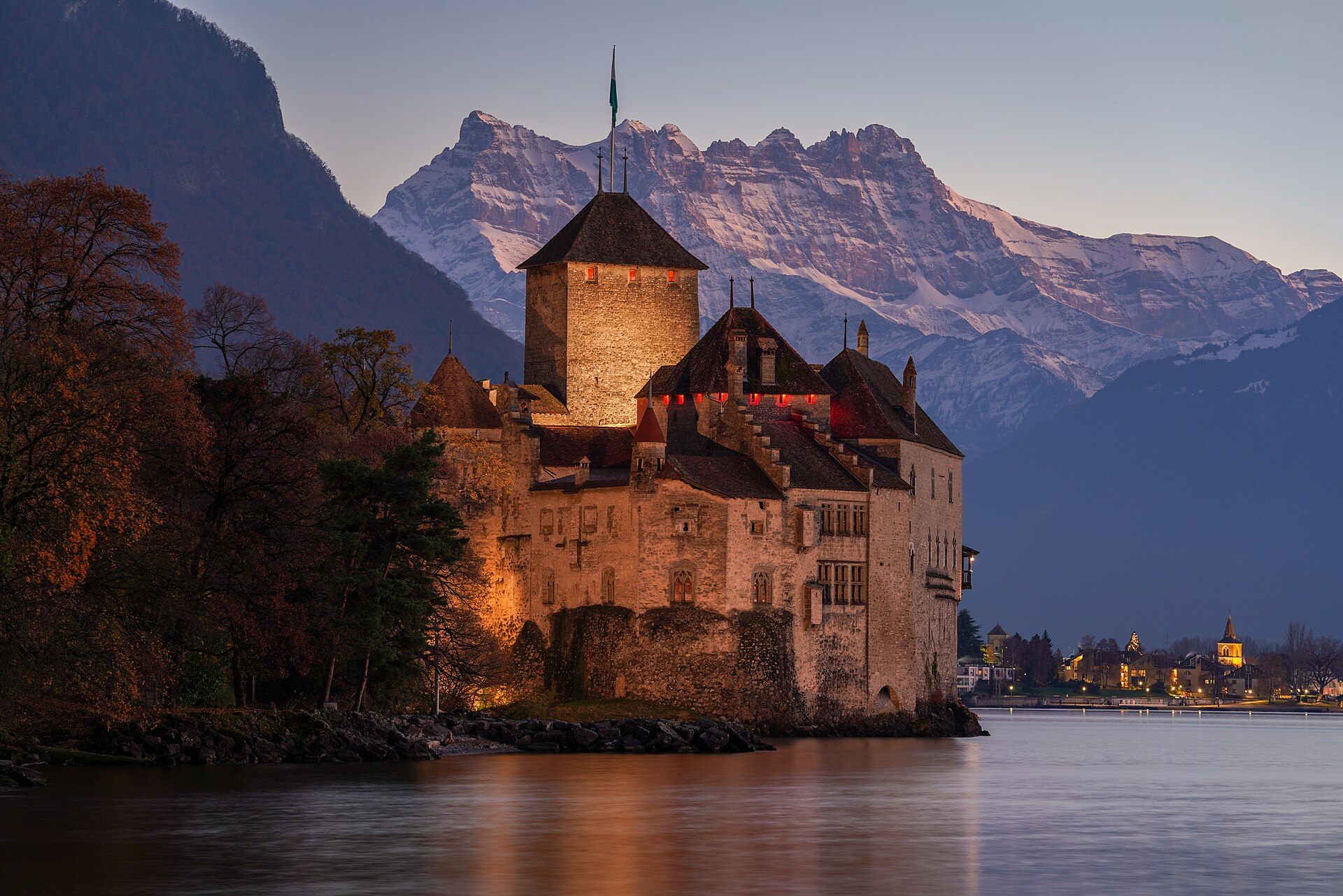
Chateau de Chillon
POIThirteenth-century island fortress featuring a series of interconnected courtyards and subterranean vaults to serve as a strategic defensive position and former residence of the Counts of Savoy.

Musee Ariana
POIItalian Renaissance-style palace featuring vaulted ceilings and extensive collections of ceramic and glass to serve as the Swiss Museum of Ceramics and Glass and document seven centuries of international kiln-based craftsmanship.
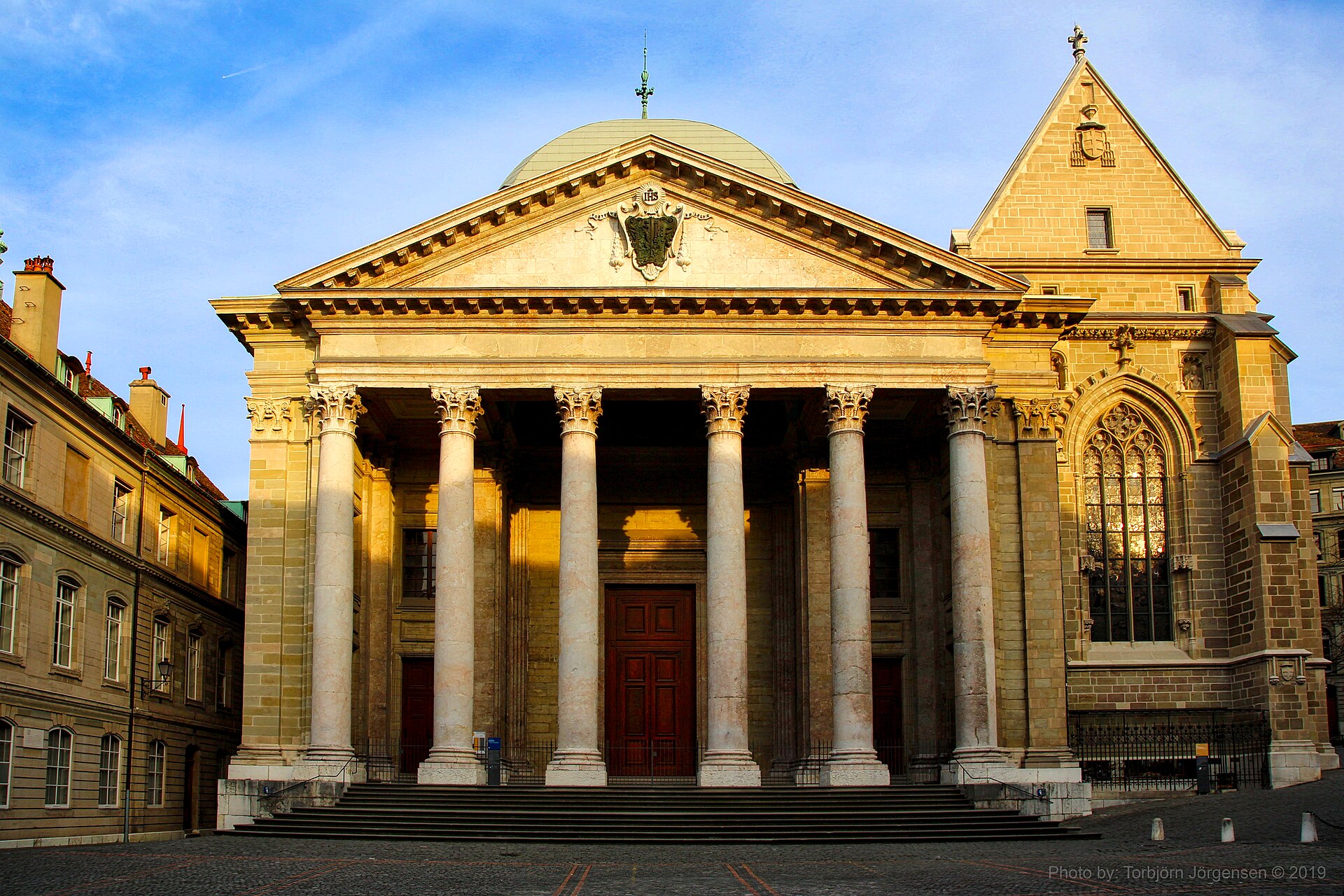
St. Pierre Cathedral
POIGothic structure featuring neoclassical facade and historical role as spiritual home of John Calvin to serve as primary site of Protestant Reformation and architectural landmark in Geneva's old town.
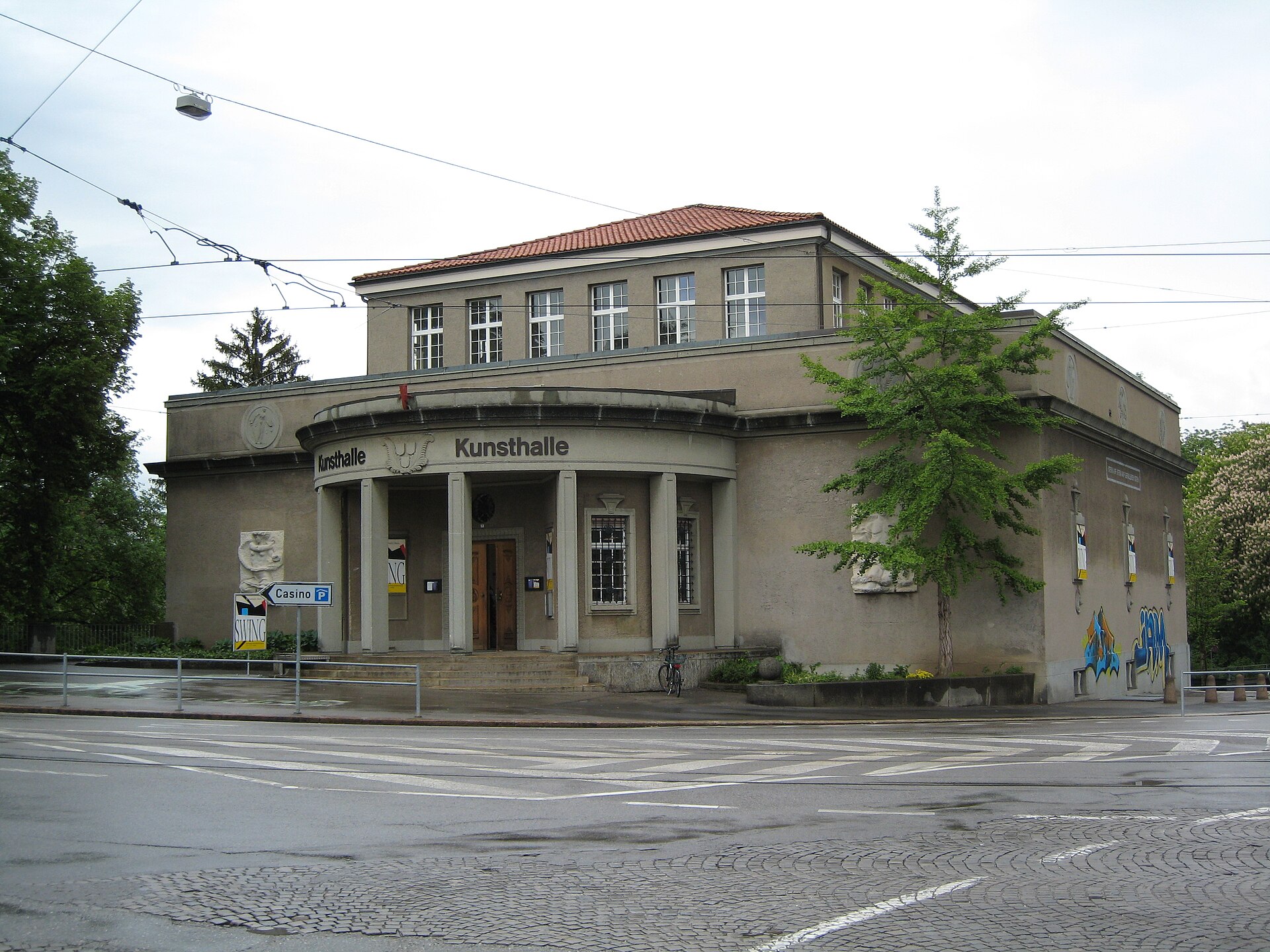
Kunsthalle Bern
POINineteenth-century structure featuring white cube galleries and distinctive skylights to serve as a world-renowned platform for contemporary artistic experimentation and institutional critique.
Sources & Further Reading
- [1]Switzerland: A History — Maarten Prak. Oxford University Press (2015)
- [2]A Concise History of Switzerland — Clive H. Church and Randolph C. Head. Cambridge University Press (2013)
- [3]Swiss Democracy: Possible Solutions to Conflict in Multicultural Societies — Wolf Linder. Palgrave Macmillan (2010)