Budapest: Thermal Waters, Imperial Grandeur, and the Pearl of the Danube
From Buda’s medieval heights to Pest’s vibrant boulevards, discover the architectural marvels, historic thermal baths, and resilient spirit of Hungary’s capital.
 Daniel Romanov
Budapest: Thermal Waters, Imperial Grandeur, and the Pearl of the Danube
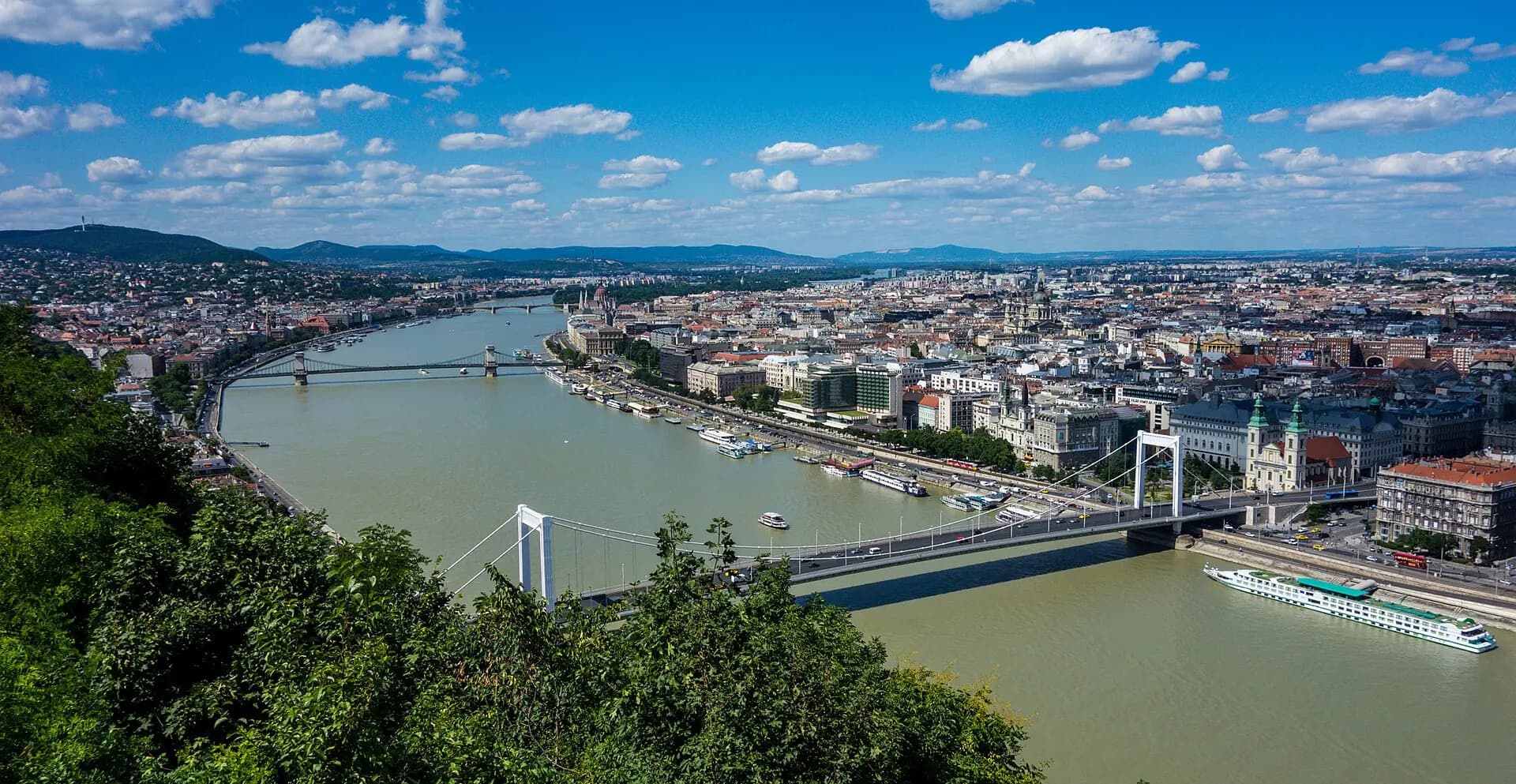
Budapest, the majestic capital of Hungary, stretches gracefully along both banks of the Danube River. Formed in 1873 by the unification of hilly Buda, historic Óbuda, and sprawling Pest, the city unites dramatic geography with rich imperial heritage. Roman ruins, medieval fortress walls, Turkish thermal baths, and grand Austro-Hungarian boulevards create one of Europe's most captivating urban landscapes.
Divided by the waters of the Danube, Budapest presents two distinct personalities. On the western bank, Buda offers rolling hills, cobblestone lanes, and royal monuments overlooking the river. On the eastern bank, Pest bustles with broad avenues, neo-Gothic civic architecture, vibrant cafés, and thriving cultural life.
Ancient Origins and Thermal Legacy
Long before the unification of Buda and Pest, the region's unique thermal springs attracted human settlement. In the first century AD, the Romans established Aquincum as a key military garrison and administrative center of Pannonia province.
Visitors to the Aquincum Museum can walk among excavated streets, public baths, and courtyards that reveal the city's ancient roots. The mineral-rich thermal waters that supplied Roman baths were later harnessed by Ottoman rulers in the sixteenth century, establishing a bathing culture that remains central to Hungarian life today.
The Citadel and Royal Heights of Buda
Perched high above the Danube, Castle Hill forms the historical heart of Buda. For centuries, this fortified plateau served as the seat of Hungarian kings and defended the city against external invasions.
Dominating the hilltop is Buda Castle, a monumental complex originally constructed in the thirteenth century and repeatedly rebuilt in Gothic, Renaissance, and Baroque styles. Today, the palace houses major cultural institutions, including the Hungarian National Gallery and the Budapest History Museum, preserving centuries of artistic and historical treasures.
Nearby stands Matthias Church, celebrated for its colorful tiled roof and striking Gothic tower. The church served as the site of royal coronations, including that of Emperor Franz Joseph I. Framing the church along the castle walls is the neo-Romanesque Fisherman's Bastion, whose fairy-tale towers offer sweeping panoramic views across the Danube toward Pest.
Imperial Pest and Civic Splendor
Across the river, Pest developed into a thriving commercial and political metropolis during the nineteenth century, particularly following the Austro-Hungarian Compromise of 1867.
The defining landmark of the waterfront is the Hungarian Parliament Building. Designed in the revivalist neo-Gothic style, it is one of Europe's largest legislative structures. Its symmetrical façade, grand central dome, and intricate stonework reflect the national pride and ambitions of late nineteenth-century Hungary.
Further inland along the elegant Andrássy Avenue stands St. Stephen's Basilica, named in honor of Hungary's first king. Its massive dome dominates Pest's skyline, and its ornate interior houses the Holy Right, a revered relic of Saint Stephen.
Monuments to National Identity
At the termination of Andrássy Avenue lies Heroes' Square, the monumental gateway to the City Park. Constructed for Hungary's 1896 Millennial celebrations, the square features the Millennium Monument, flanked by statues of chieftain Arpád, Hungarian kings, and national leaders.
Adjacent to the square, the romantic Vajdahunyad Castle displays architectural elements from Romanesque, Gothic, Renaissance, and Baroque periods, celebrating the country's diverse architectural history.
Nearby in the waters of the Danube, Margaret Island provides a serene retreat featuring thermal gardens, medieval ruins, and shaded paths, illustrating Budapest's harmonious connection between urban life and nature.
Traces of Twentieth-Century Struggles
The twentieth century brought severe trials to Budapest, from wartime destruction to foreign occupation.
The House of Terror Museum, situated on Andrássy Avenue, documents the dark chapters of fascist and communist regimes in Hungary. Its exhibits provide a poignant reminder of the struggles for freedom faced by citizens during the Cold War era.
Secret underground installations, such as the Hospital in the Rock beneath Castle Hill, served as emergency medical facilities and nuclear bunkers during World War II and the 1956 Hungarian Revolution. On the city's outskirts, Memento Park displays giant statues of Lenin, Marx, and communist leaders removed from public squares after 1989.
Tastes of Hungary
Hungarian cuisine is famed for its rich flavors, generous use of paprika, and hearty culinary traditions.
No visit is complete without tasting gulyás (goulash), a savory meat and vegetable soup spiced with sweet Hungarian paprika. Other classic dishes include csirke paprikás (paprika chicken served with tender egg noodles), lángos (crispy deep-fried flatbread topped with garlic butter, sour cream, and cheese), and kürtőskalács (chimney cake roasted over open coals and dusted with cinnamon sugar).
Budapest's historic coffeehouses and bustling ruin bars in the Jewish Quarter offer inviting spaces to experience the city's evolving gastronomic and social culture.
A City of Endless Renewal
Budapest is a city where grand imperial heritage coexists with modern vitality. Its thermal springs continue to rejuvenate residents, its architectural treasures illuminate the banks of the Danube, and its resilient spirit shapes a dynamic future. Every bridge, boulevard, and hilltop vantage point offers travelers a profound journey through the heart of Central Europe.