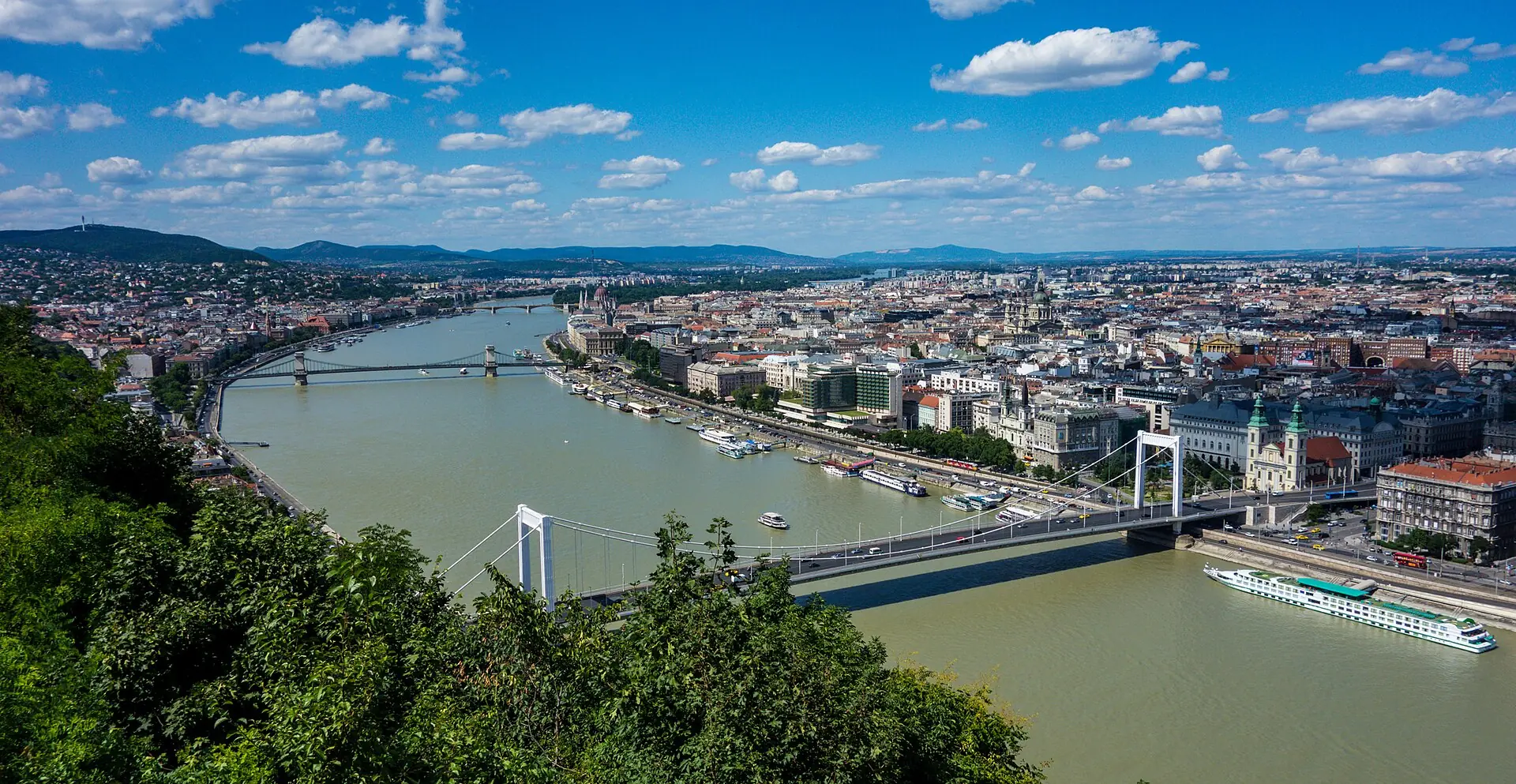
Budapest
Budapest is the capital and largest city of Hungary, located along the Danube River in the central part of the country. Formed in 1873 through the unification of Buda, Pest, and Óbuda, the city has long served as a political, economic, and cultural center in the Carpathian Basin. Its position along key trade routes contributed to its historical importance within the Kingdom of Hungary and later the Austro-Hungarian Empire. Today, Budapest is known for its architectural heritage, including a mix of medieval, Ottoman, and 19th-century imperial structures. The city remains a major hub for government, finance, and tourism in Central Europe, with its historic center, including the banks of the Danube, designated as a UNESCO World Heritage Site.
Roman and Early Settlements
1st-9th centuriesThe area of modern Budapest was first inhabited by Celtic tribes before becoming part of the Roman Empire, which established the settlement of Aquincum in Óbuda. Following the decline of Roman authority, the region saw successive waves of migration, including Germanic and Avar groups.
Medieval Kingdom of Hungary
10th-15th centuriesWith the establishment of the Kingdom of Hungary, Buda emerged as a royal residence and administrative center, while Pest developed as a commercial hub. The cities flourished during the reign of King Matthias Corvinus, becoming important centers of Renaissance culture.
Ottoman Rule and Habsburg Control
16th-18th centuriesBuda fell to the Ottoman Empire in 1541, leading to over a century of Ottoman administration. The region was recaptured by Habsburg forces in the late 17th century, after which reconstruction and integration into the Habsburg monarchy reshaped the cities.
Unification and Imperial Growth
19th centuryThe unification of Buda, Pest, and Óbuda in 1873 created Budapest. Rapid industrialization and urban development followed, transforming the city into a major European capital within the Austro-Hungarian Empire, marked by the construction of boulevards, bridges, and public buildings.
20th Century Turmoil and Modern Era
20th-21st centuriesBudapest experienced significant upheaval during World War II, including the Siege of Budapest, and later became part of socialist Hungary under Soviet influence. Since the end of communist rule in 1989, the city has transitioned into a modern European capital with a diversified economy and growing international presence.
Notable POIs in Budapest
6 listed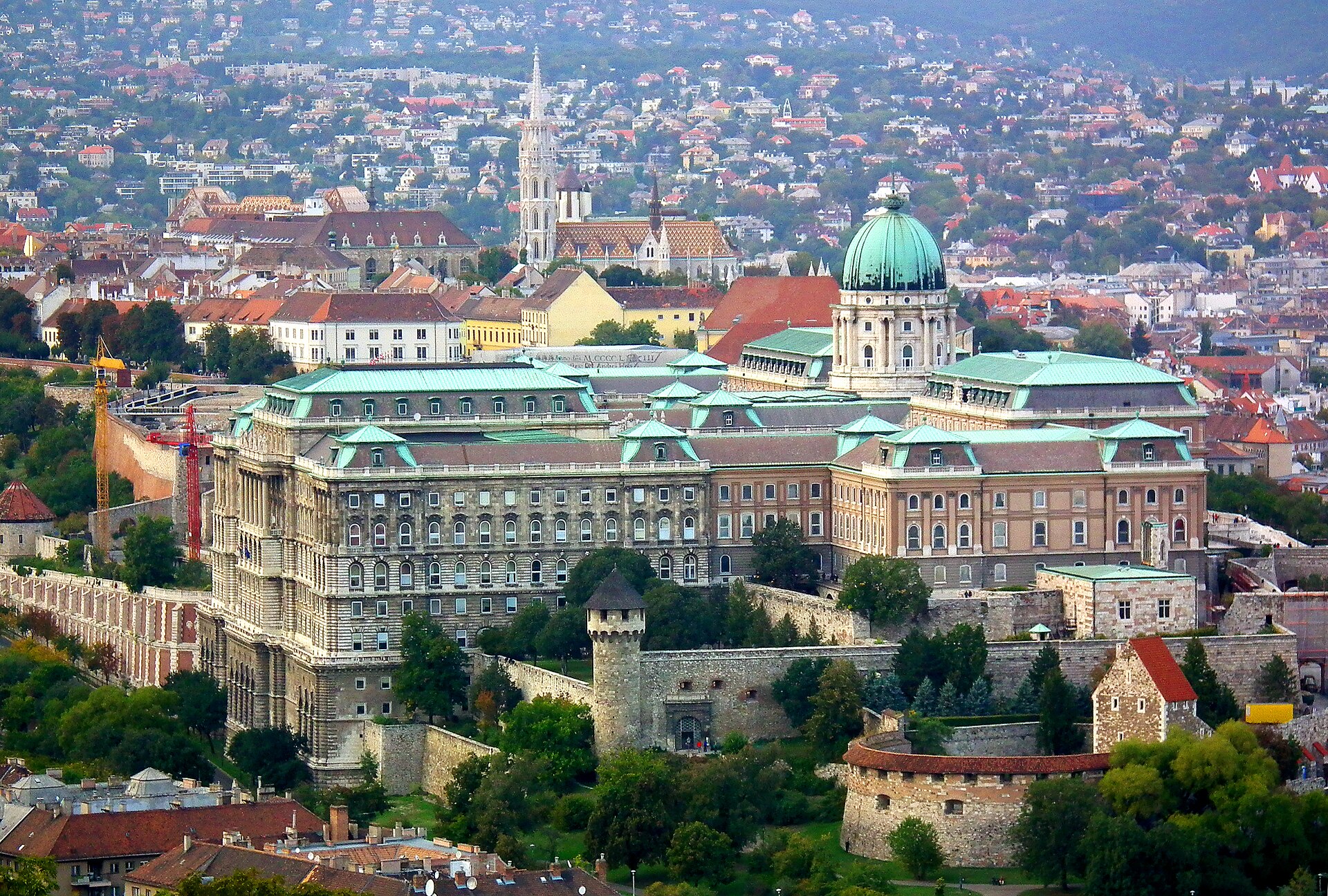
Buda Castle
POIThe former palace of Hungarian kings, and now home to a historical complex.
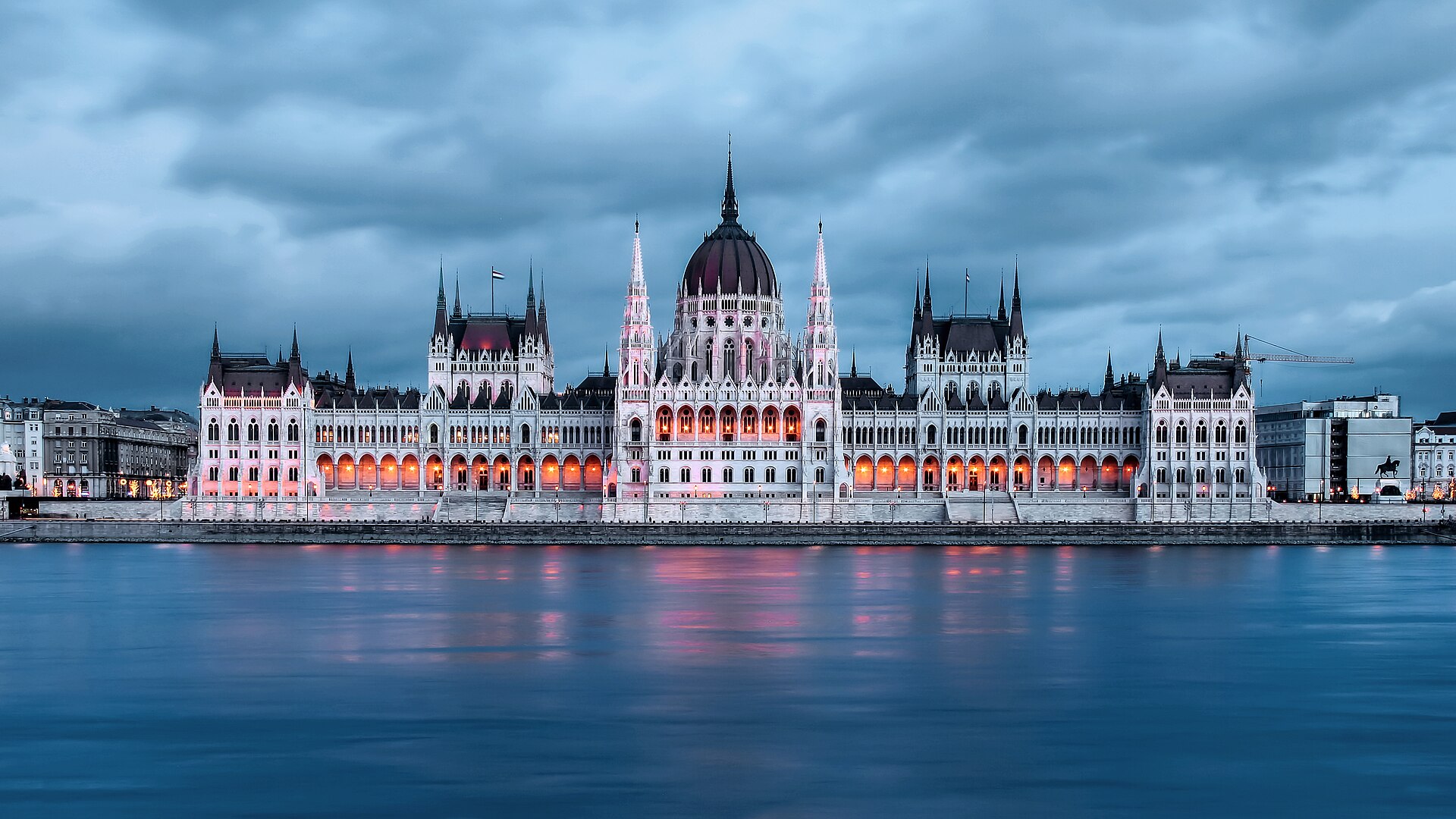
Hungarian Parliament Building
POIThe largest building in Hungary and the seat of the National Assembly of Hungary.
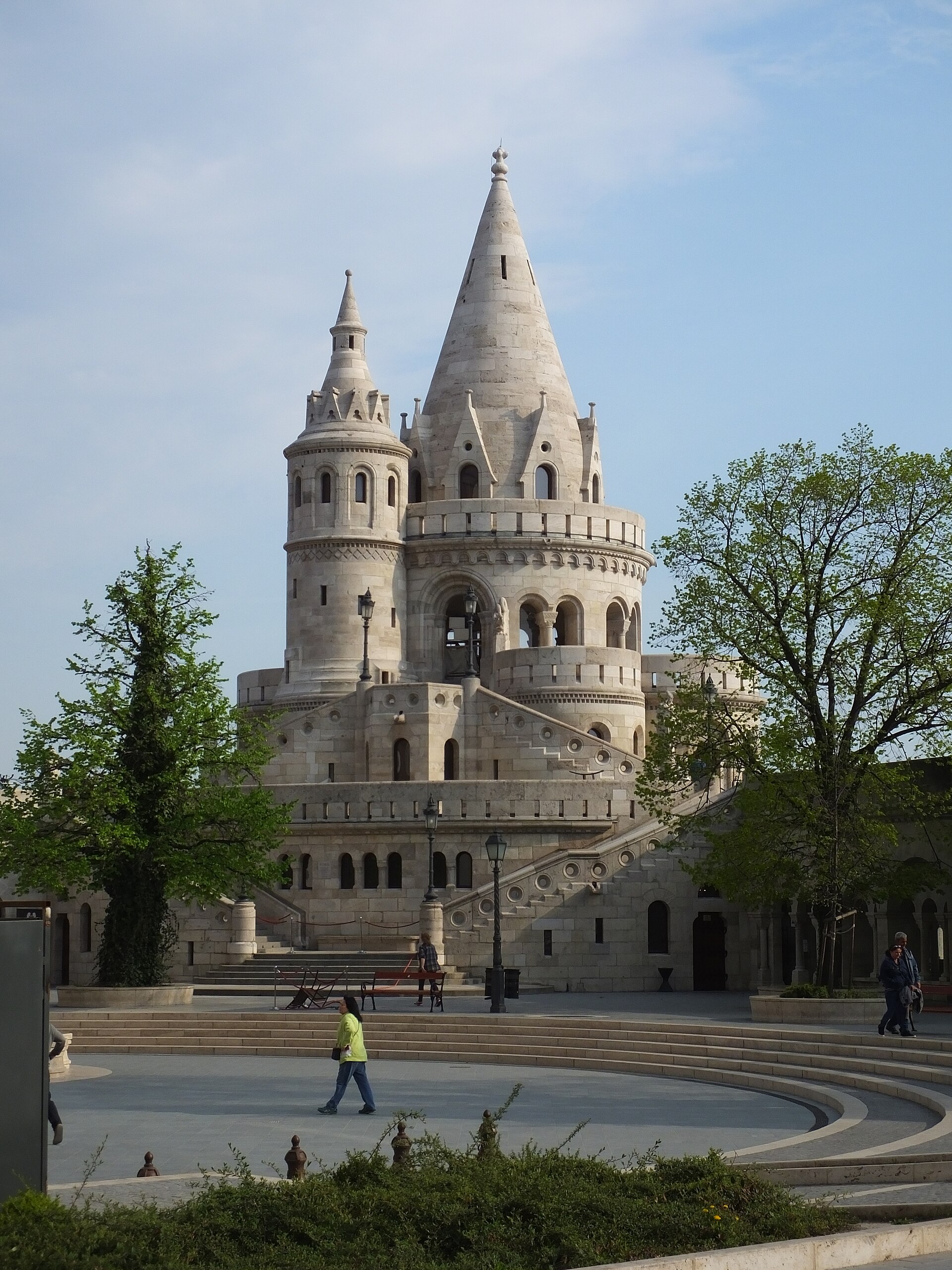
Fisherman's Bastion
POIHistorical monument to the founding Hungarian chieftains offering views of all of Budapest.
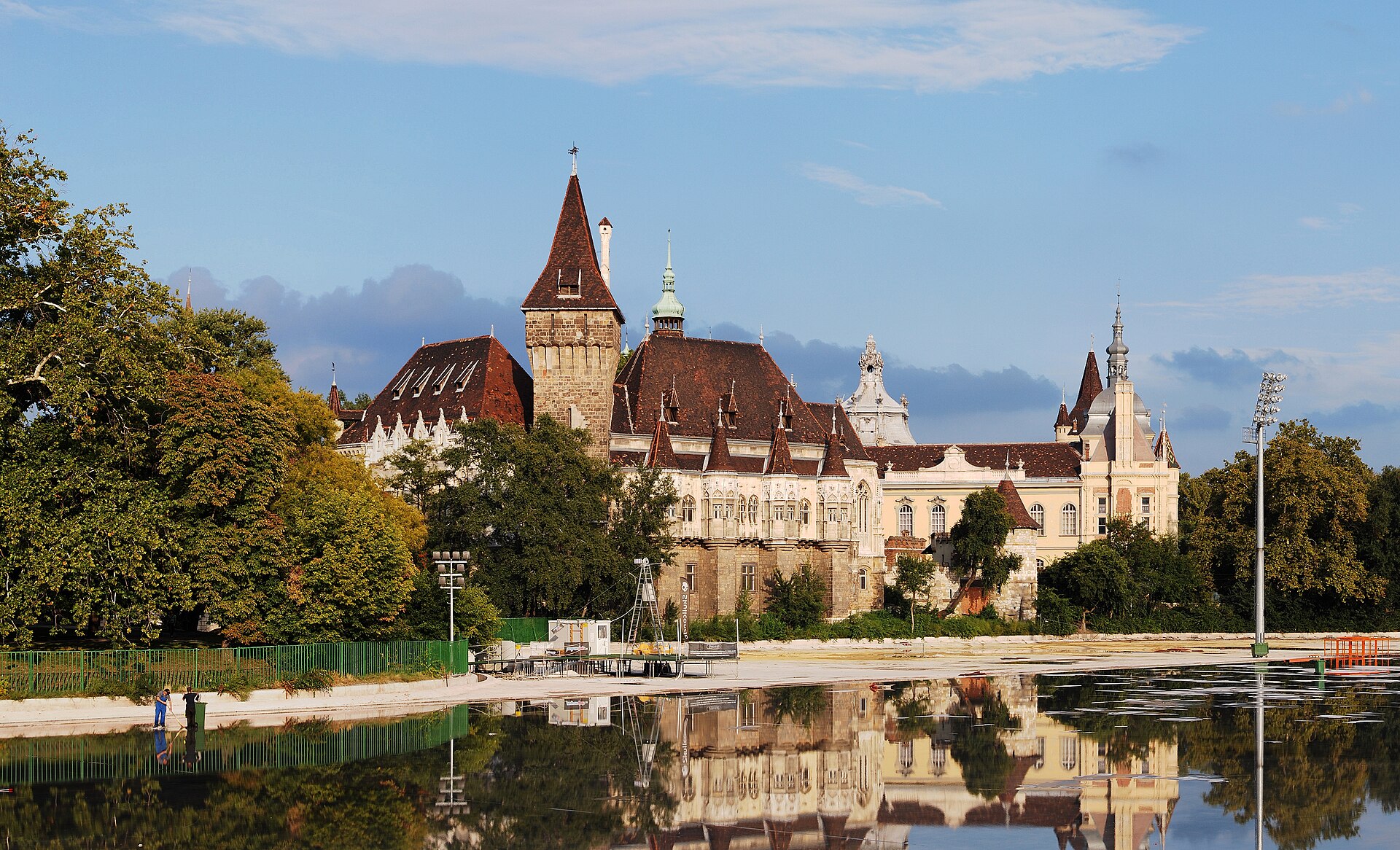
Vajdahunyad Castle
POICastle that displays a multitude of iconic buildings from around Hungary, showing off different architectural styles.
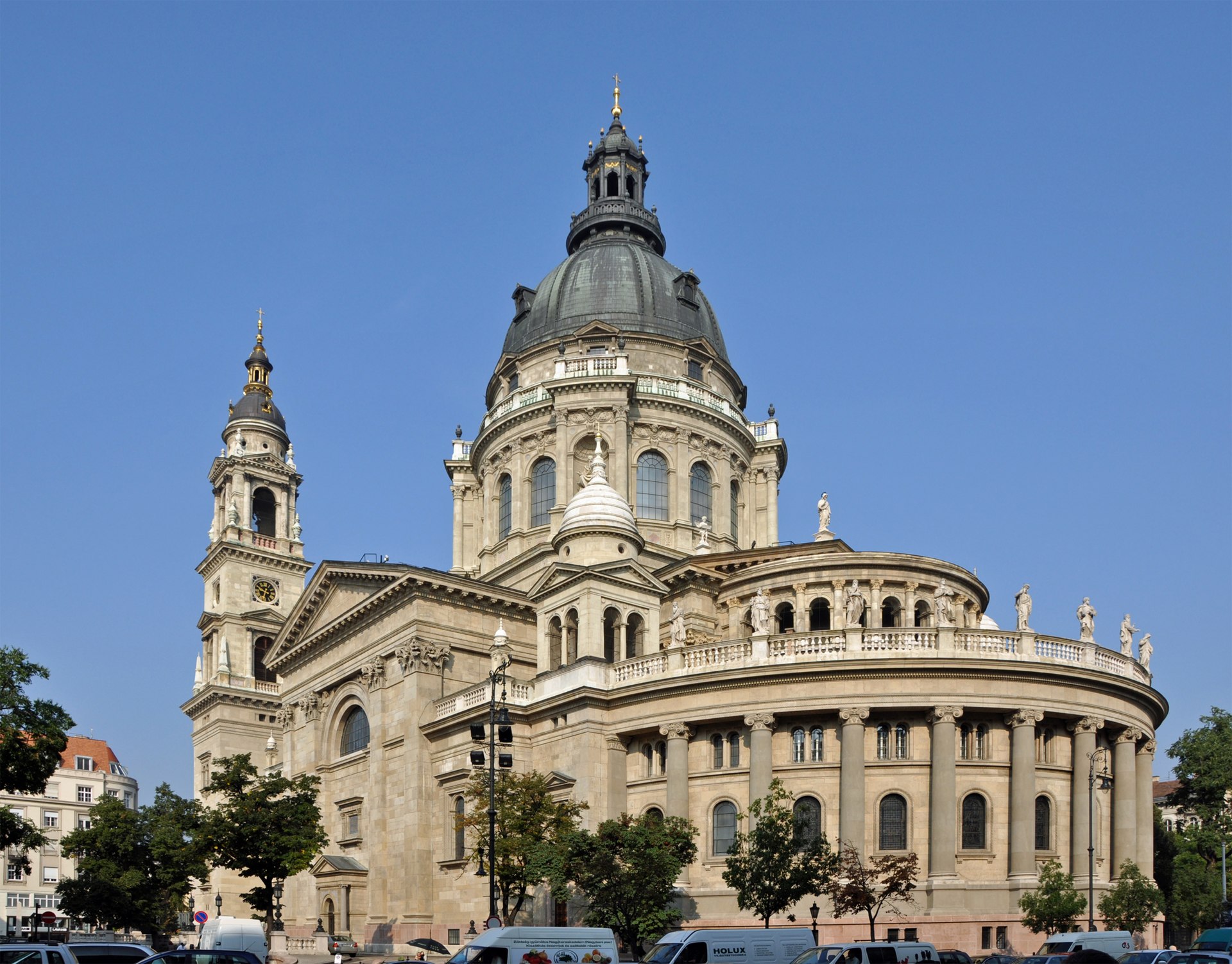
St. Stephen's Basilica
POIRoman Catholic basilica named after the first King of Hungary, whose right hand is housed in the reliquary.
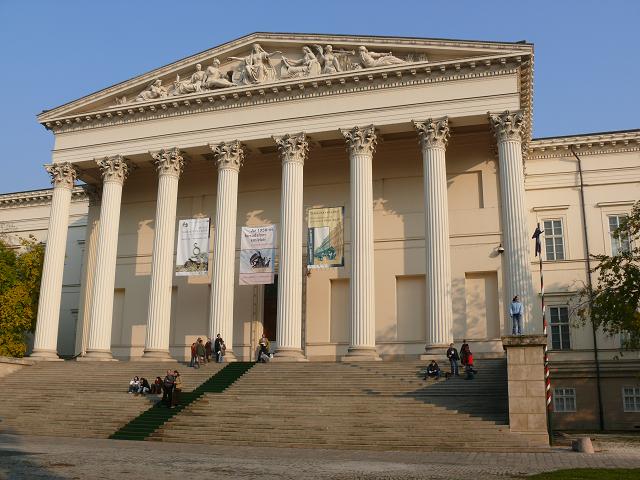
Hungarian National Museum
POINational museum for the history, art, and archaeology of Hungary and some surrounding areas.
Sources & Further Reading
- [1]Budapest: A History from Its Beginnings to 1998 — András Gerő. Atlantic Research and Publications (1997)
- [2]The Habsburg Empire: A New History — Pieter M. Judson. Harvard University Press (2016)
- [3]Budapest, including the Banks of the Danube, the Buda Castle Quarter and Andrássy Avenue. UNESCO World Heritage Centre (1987)View