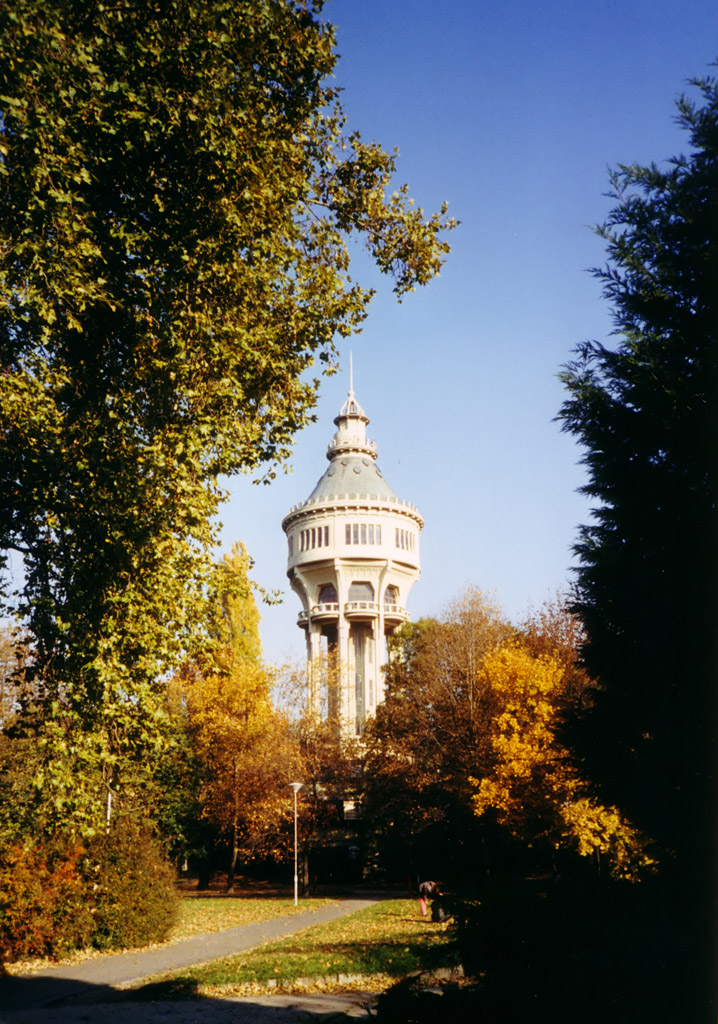
Margaret Island is a 2.5-kilometer-long island located in the middle of the Danube River in Budapest. Historically known as the Island of Rabbits, it was renamed in the 13th century after Princess Margaret, the daughter of King Béla IV, who lived in the Dominican convent established on the island.
Today, the island serves as a major recreational park for the city, featuring landscaped gardens, thermal baths, and significant medieval ruins. The site preserves the remains of the 13th-century Dominican convent and the Romanesque church of St. Michael, offering a layered view of Budapest's ecclesiastical and royal history.
Key Facts
- Materials
- Limestone, Brick
- Civilization
- Kingdom of Hungary
- Accessibility
- Accessible by pedestrian bridge and public bus
- Date(s)
- 13th century CE
- Condition
- Ruined structures within a public park
- Original Function
- Monastic complex and royal retreat
- Key Figures
- King Béla IV, Saint Margaret of Hungary
Medieval Foundations
13th centuryFollowing the Mongol invasion, King Béla IV commissioned the construction of a Dominican convent on the island, fulfilling a vow to dedicate his daughter, Margaret, to religious life. The island became a significant center of spiritual and political influence.
Ottoman Occupation and Decline
16th-17th centuryDuring the Ottoman occupation of Buda, the monastic buildings were largely abandoned and fell into disrepair. The island remained sparsely populated and largely neglected for several centuries.
Transformation into Public Park
19th centuryIn the 1860s, the island was landscaped into a public park under the direction of the Archduke Joseph. During this period, the ruins were excavated and stabilized, and the island was connected to the mainland via the Margaret Bridge.
Modern Era
20th century - presentThe island was integrated into the city's infrastructure as a primary green space. It now hosts various cultural facilities, including an open-air theater and the Palatinus thermal baths, while maintaining the protected medieval ruins as a historical monument.
Cultural Significance
Margaret Island is a symbol of Hungarian national identity, deeply linked to the legend of Saint Margaret. It represents the transition of Budapest from a collection of historical settlements into a modern European capital, balancing its role as a leisure destination with the preservation of its medieval religious heritage.
Interpretive Notes
Scholarly debates and areas of uncertainty
There is ongoing discussion regarding the extent of the original convent complex, as archaeological surveys have been limited by the island's modern landscaping and the construction of recreational facilities over potential subterranean structures.
Visiting Information
Entry Rules
The island is a public park and is open 24 hours a day. Access to the island is free. Some specific facilities, such as the thermal baths and the water tower, operate on seasonal schedules and require paid admission.
Best Times to Visit
Spring and autumn are ideal for visiting the ruins and gardens. Weekdays are recommended to avoid the high volume of local recreational traffic experienced on weekends.
Photography
Personal photography is permitted throughout the island. Commercial photography requires prior authorization from the Budapest municipal authorities.
Preservation Notes
The medieval ruins are protected heritage sites. Visitors are strictly prohibited from climbing on the masonry or removing stones. Please remain on designated paths to protect the surrounding archaeological strata.
Nearby POIs
11 shownSources & Further Reading
- [1]Budapest: A History of the City — Károly Kocsis. Geographical Research Institute (2006)
- [2]The Medieval Dominican Convent on Margaret Island — Edit Szentesi. Budapest History Museum (2015)
Key Facts
- Materials
- Limestone, Brick
- Civilization
- Kingdom of Hungary
- Accessibility
- Accessible by pedestrian bridge and public bus
- Date(s)
- 13th century CE
- Condition
- Ruined structures within a public park
- Original Function
- Monastic complex and royal retreat
- Key Figures
- King Béla IV, Saint Margaret of Hungary