
Country Wiki
Hungary
Hungary is a landlocked country in Central Europe, situated in the Carpathian Basin and defined by the Danube River, which divides its capital, Budapest. Its geography consists largely of plains, including the Great Hungarian Plain, alongside low mountain ranges and fertile agricultural land. Hungary has long served as a crossroads between Eastern and Western Europe, shaping its cultural and historical development. The modern Hungarian state traces its origins to the Kingdom of Hungary, established in the year 1000. Today, Hungary is a parliamentary republic and a member of the European Union. Its cultural identity reflects a blend of Magyar traditions, Central European influences, and a distinctive language that is unrelated to most neighboring tongues.
Early Settlement and Kingdom Formation
c. 895–1526The Magyar tribes settled in the Carpathian Basin around 895 CE under the leadership of Árpád. The Kingdom of Hungary was established in 1000 CE with the coronation of Stephen I, who introduced Christianity and consolidated the state. Over the following centuries, Hungary became a significant European kingdom, though it faced repeated invasions, including the Mongol invasion of 1241.
Ottoman and Habsburg Rule
1526–1867After the Battle of Mohács in 1526, much of Hungary fell under Ottoman control, while the western and northern regions came under Habsburg rule. The country remained divided for over a century. By the late 17th century, the Habsburgs expelled the Ottomans and integrated Hungary into their empire, leading to periods of resistance and reform movements.
Austria-Hungary and World Wars
1867–1945The Austro-Hungarian Compromise of 1867 created the dual monarchy of Austria-Hungary, granting Hungary significant autonomy. This period saw industrialization and cultural growth. Following World War I and the collapse of the empire, Hungary lost significant territory under the Treaty of Trianon. During World War II, Hungary allied with Nazi Germany before falling under Soviet occupation.
Communist Era and Modern Republic
1945–presentAfter World War II, Hungary became a socialist state within the Eastern Bloc under Soviet influence. The 1956 Hungarian Revolution was a major uprising against Soviet control but was suppressed. Democratic reforms began in 1989, leading to the establishment of the modern republic. Hungary joined NATO in 1999 and the European Union in 2004.
Major Cities
2 listed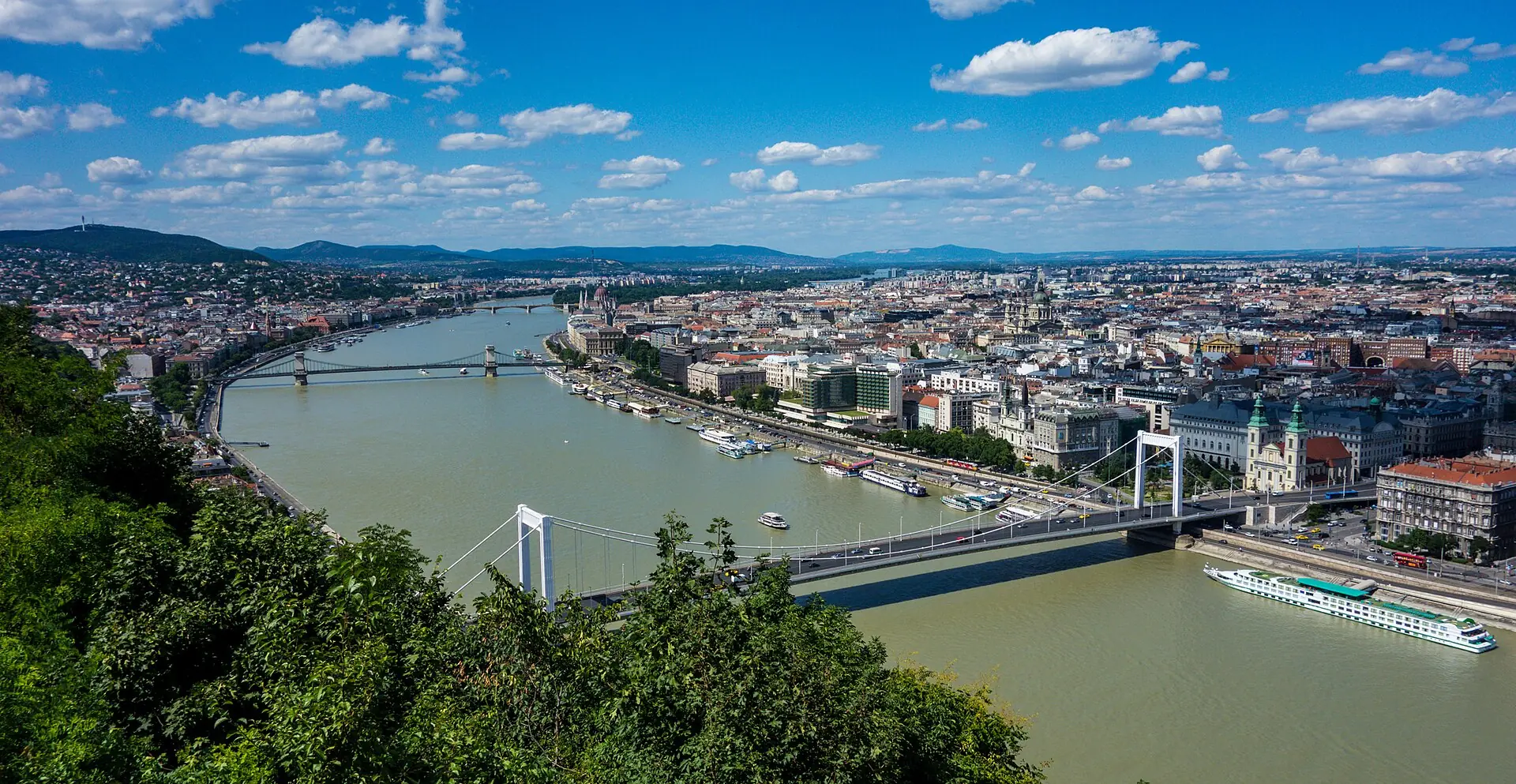
Notable POIs
10 listed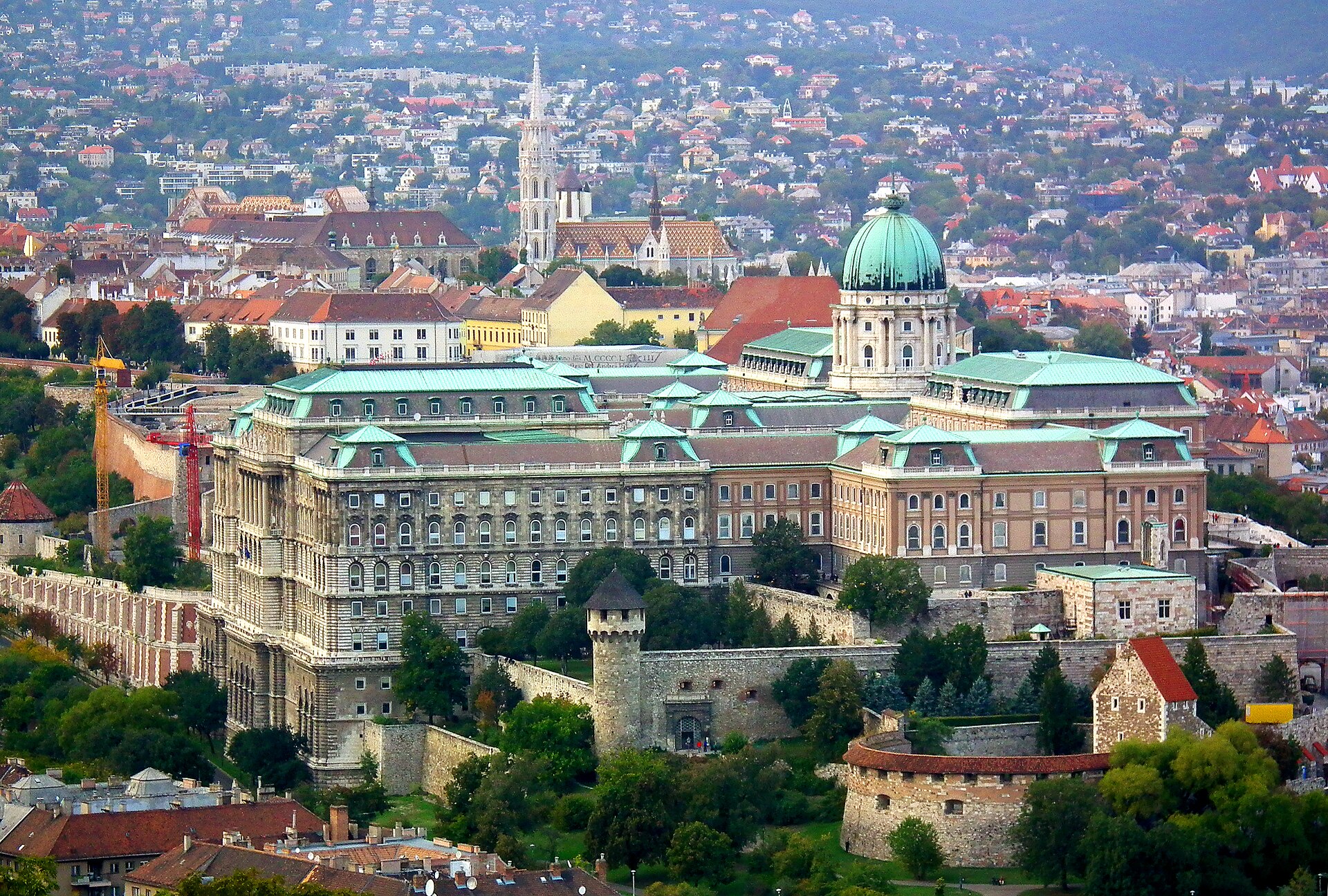
Buda Castle
POIThe former palace of Hungarian kings, and now home to a historical complex.
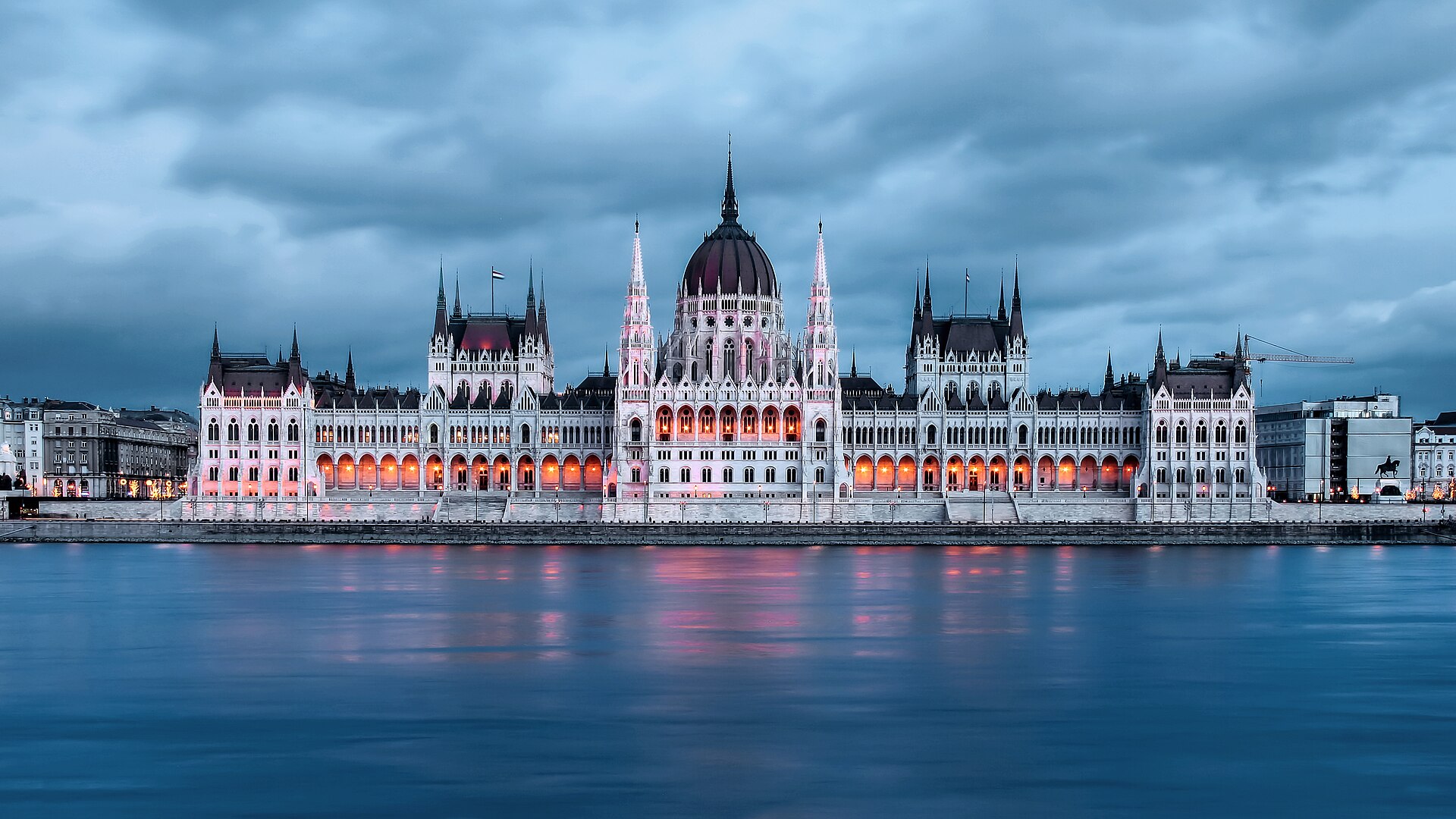
Hungarian Parliament Building
POIThe largest building in Hungary and the seat of the National Assembly of Hungary.
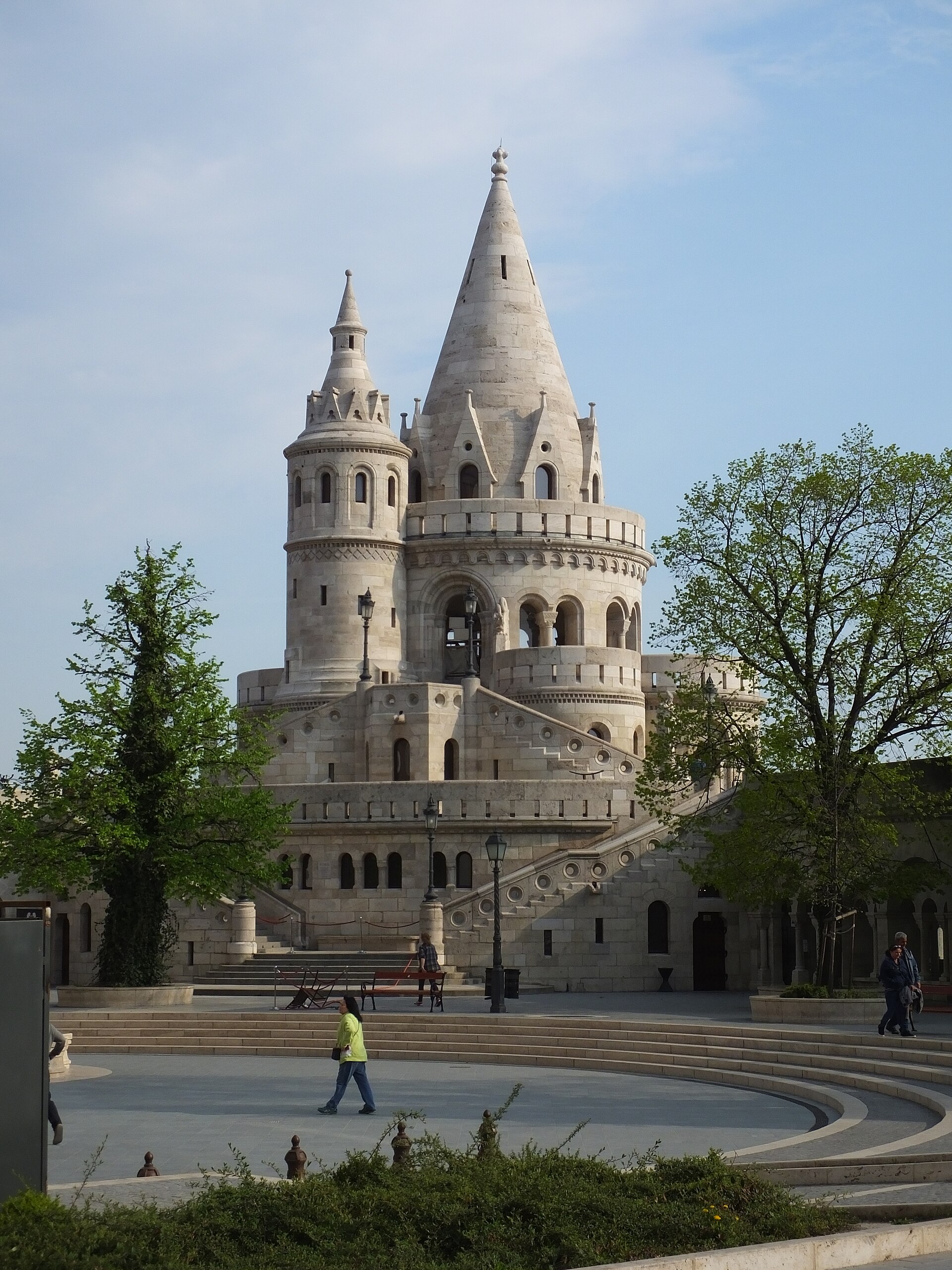
Fisherman's Bastion
POIHistorical monument to the founding Hungarian chieftains offering views of all of Budapest.
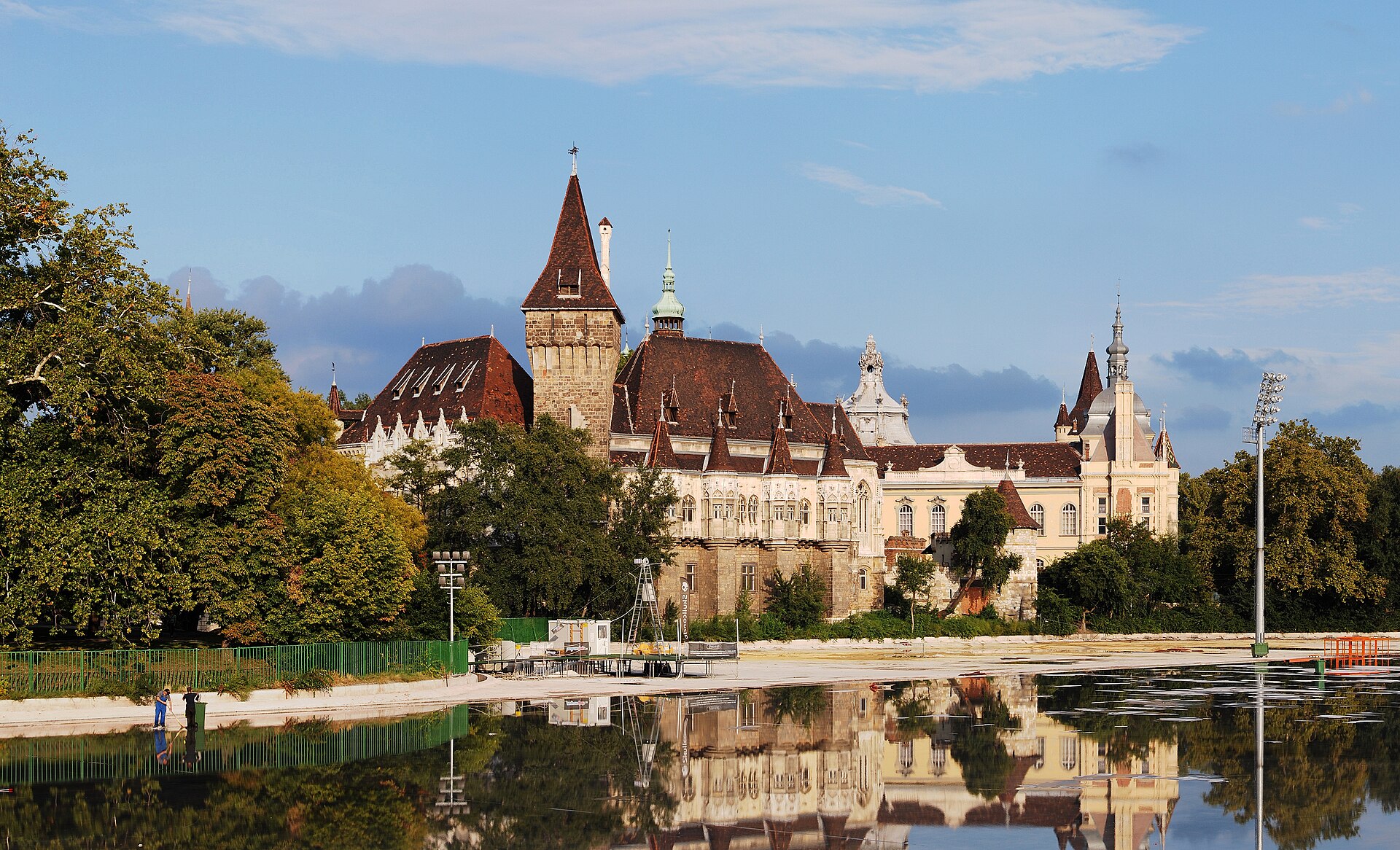
Vajdahunyad Castle
POICastle that displays a multitude of iconic buildings from around Hungary, showing off different architectural styles.
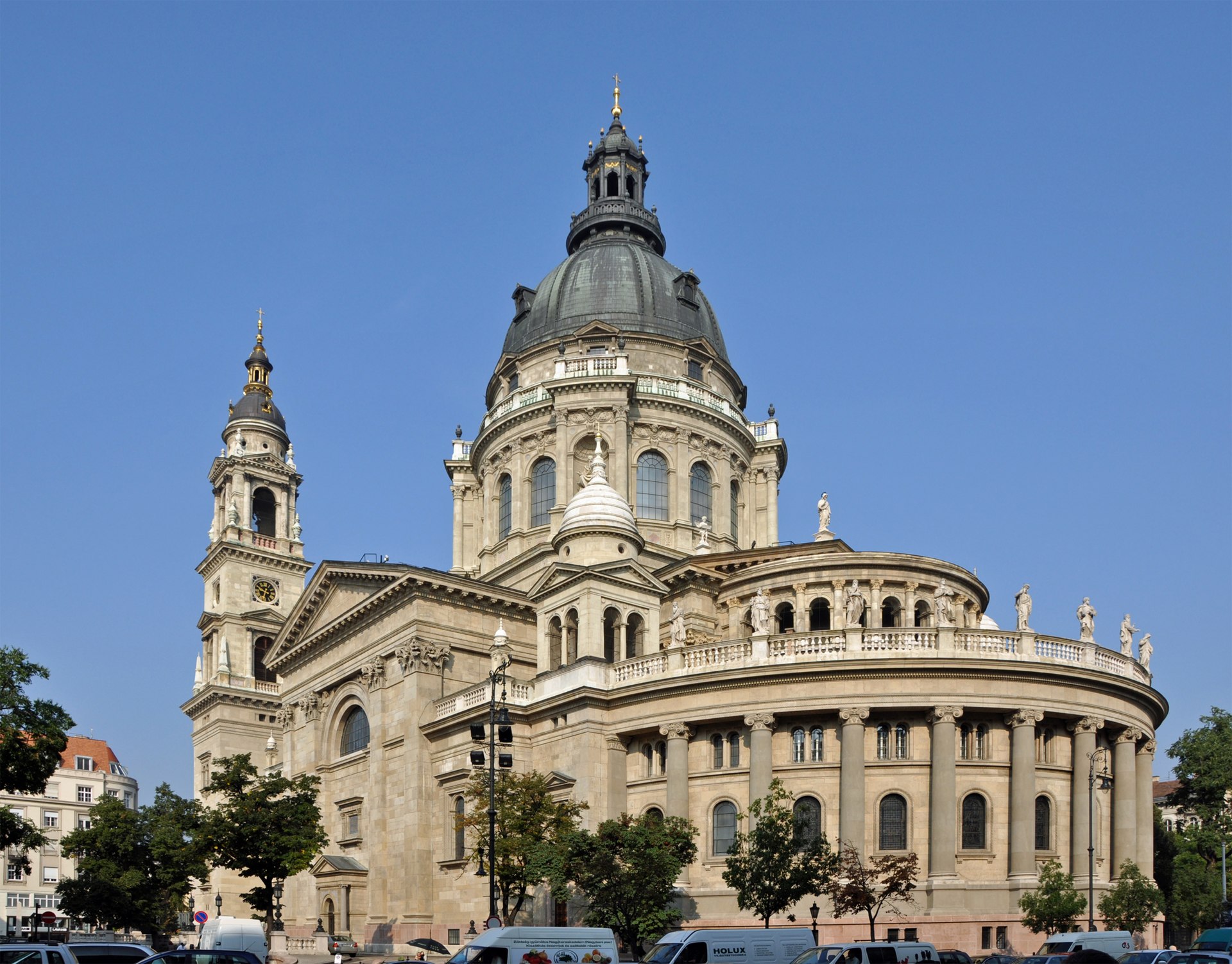
St. Stephen's Basilica
POIRoman Catholic basilica named after the first King of Hungary, whose right hand is housed in the reliquary.
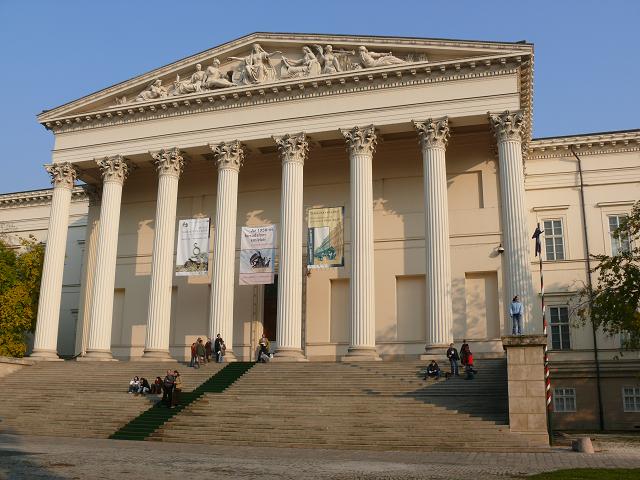
Hungarian National Museum
POINational museum for the history, art, and archaeology of Hungary and some surrounding areas.
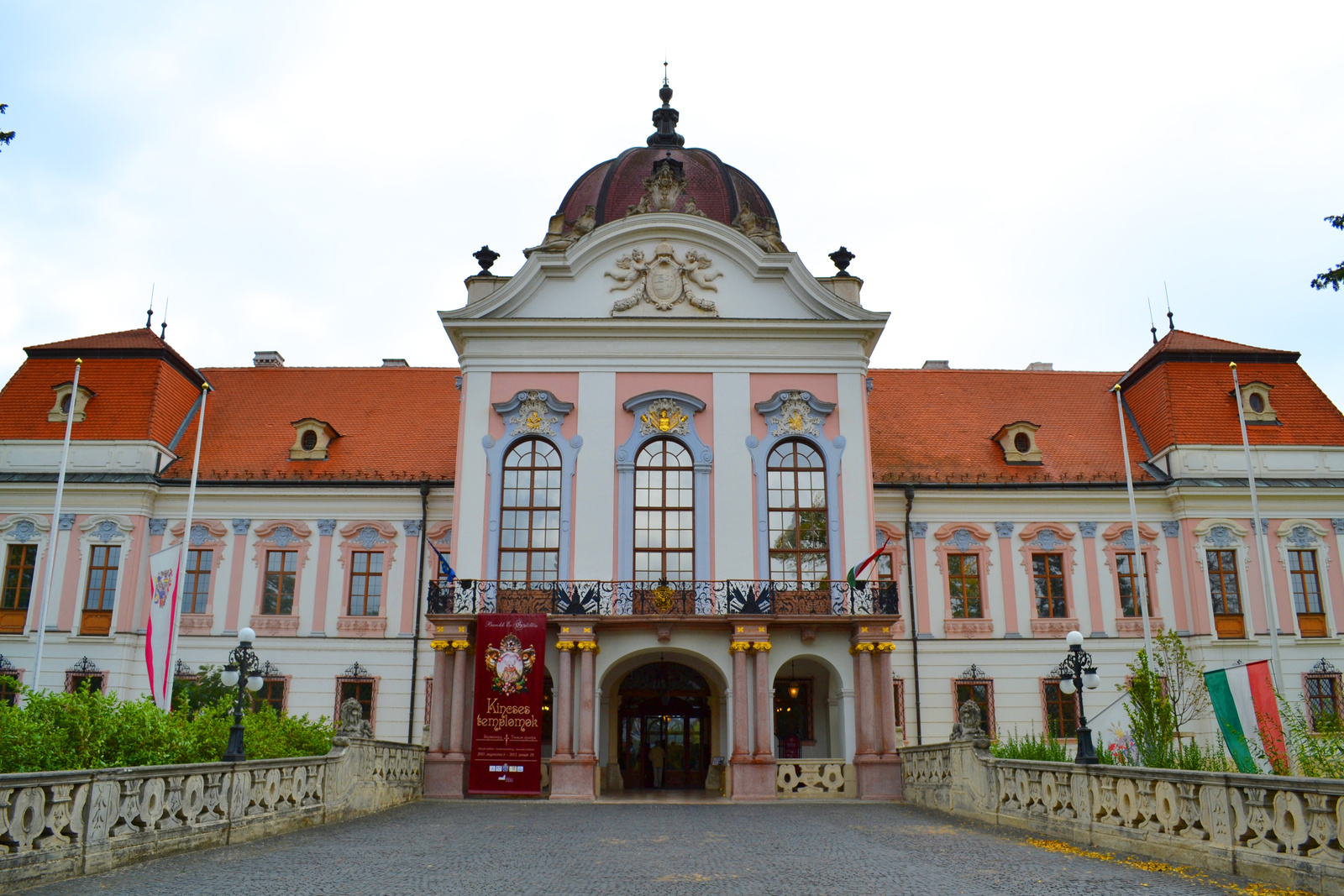
Royal Palace of Godollo
POIBaroque palace near Budapest, once a royal residence for Emperor Franz Joseph I and Empress Elisabeth, featuring restored royal suites, a historic theatre, and expansive gardens.
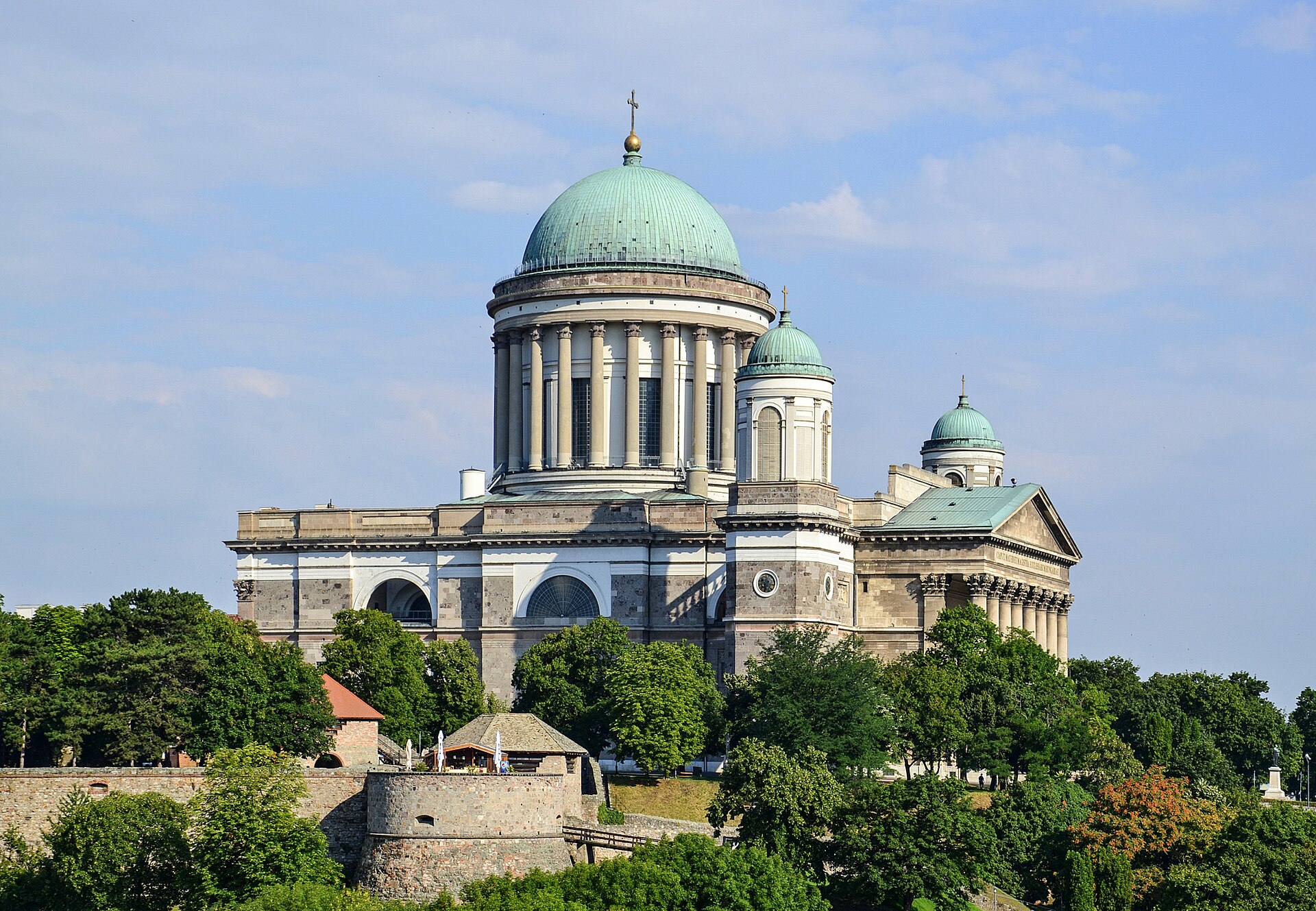
Esztergom Basilica
POILargest church in Hungary, the mother church of the Archdiocese of Esztergom-Budapest, and the seat of the Catholic Church in Hungary.

Castle of Sumeg
POIConsidered to be Hungary's most well-preserved fortress, featuring restored medieval architecture, panoramic views, and live historical reenactments.
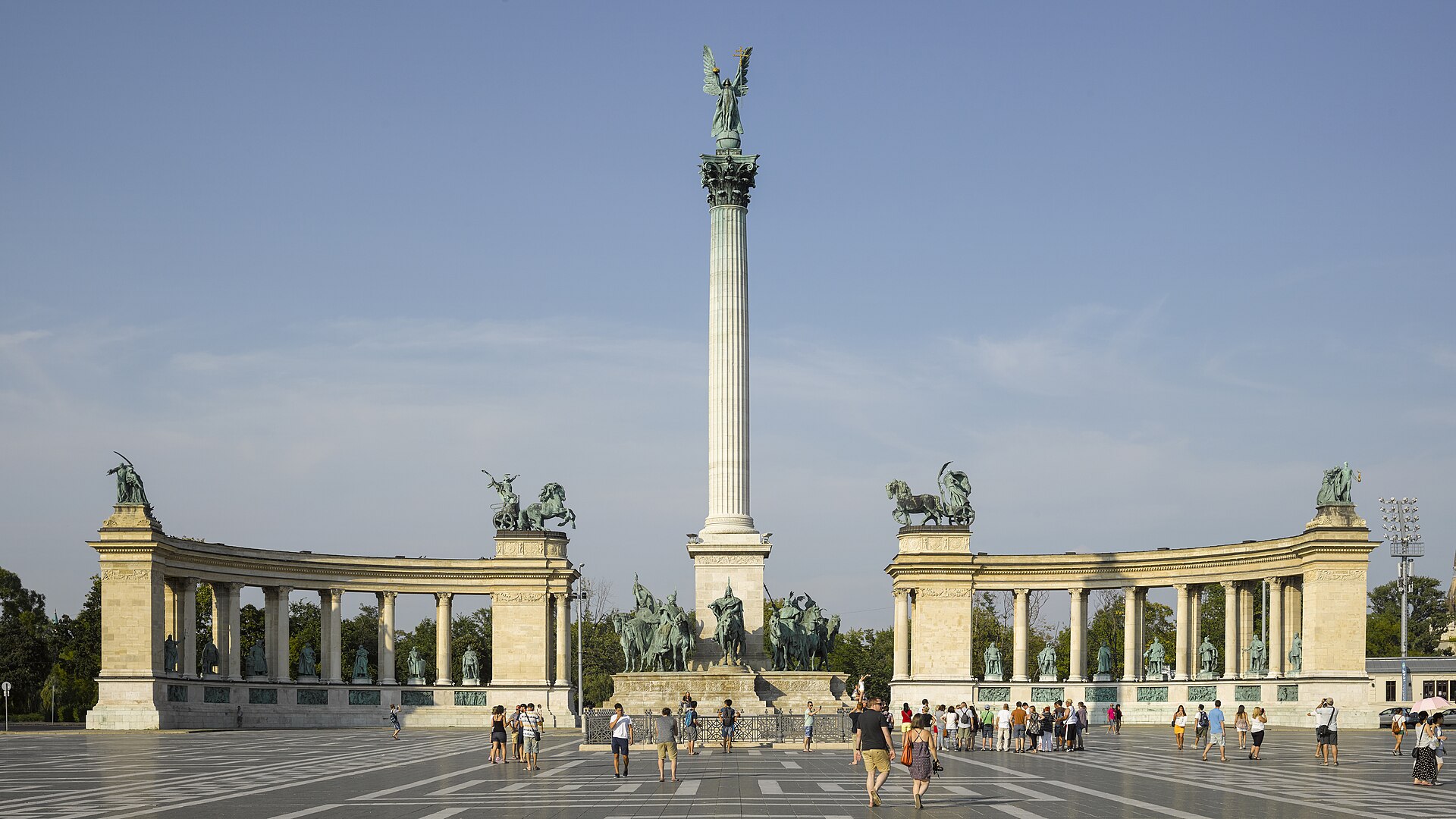
Heroes' Square
POIHistoric square that hosts the Millennium Monument and statues of the original chieftains of Hungary.
Sources & Further Reading
- [1]A Concise History of Hungary — Miklós Molnár. Cambridge University Press (2001)
- [2]Hungary in the Twentieth Century — Ignác Romsics. Corvina (1999)
- [3]