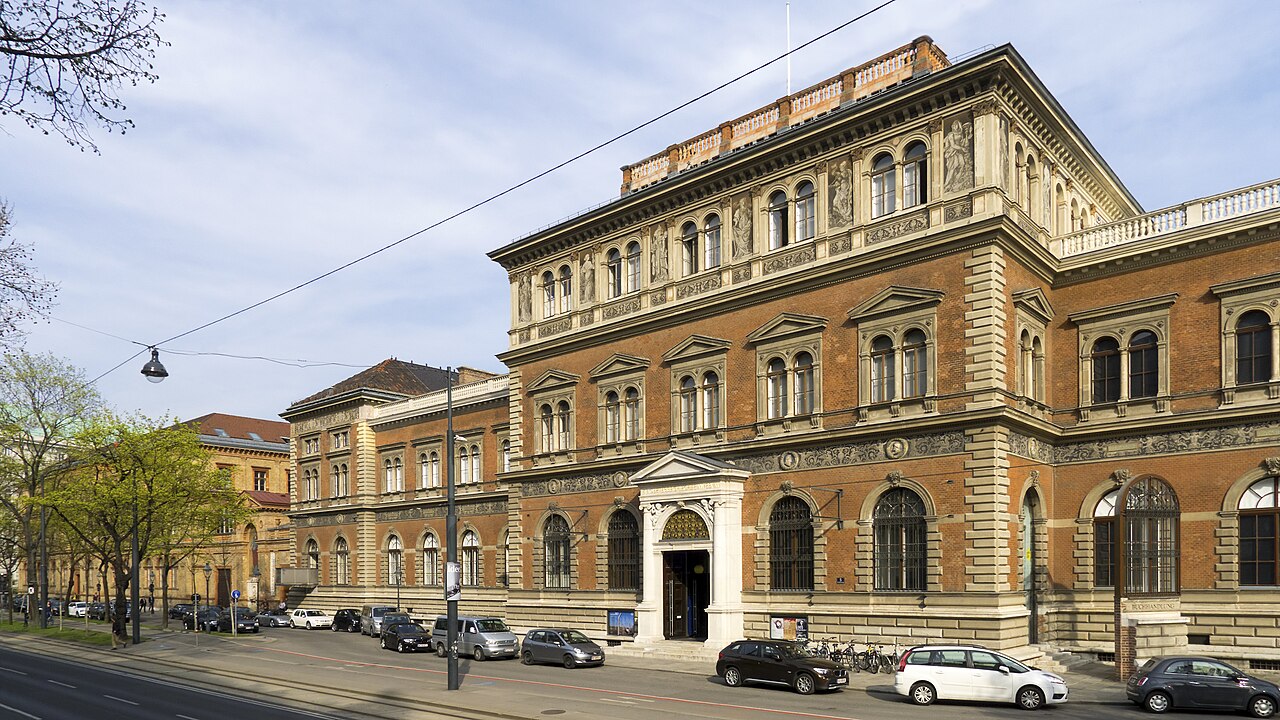
The Museum of Applied Arts (MAK) in Vienna is a center for applied arts, design, architecture, and contemporary art. Founded in 1863 as the Imperial Royal Austrian Museum of Art and Industry, it was intended to serve as a source of inspiration for designers and manufacturers, bridging the gap between historical craftsmanship and industrial production.
The museum building, designed by Heinrich von Ferstel in the Neo-Renaissance style, was completed in 1871. It houses an extensive collection ranging from medieval textiles and Renaissance furniture to iconic pieces of the Vienna Secession and contemporary design, reflecting the evolution of aesthetic and functional standards in Central Europe.
Key Facts
- Materials
- Brick, Sandstone, Iron
- Civilization
- Austrian
- Accessibility
- Fully wheelchair accessible
- Date(s)
- 1867-1871
- Condition
- Well-preserved, active museum
- Original Function
- Museum of Art and Industry
- Key Figures
- Heinrich von Ferstel, Rudolf von Eitelberger, Josef Hoffmann
Founding and Vision
1863The museum was established by Emperor Franz Joseph I to improve the quality of Austrian industrial products through the study of historical art and design, following the model of the South Kensington Museum in London.
Architectural Completion
1871The purpose-built museum on the Ringstraße was designed by Heinrich von Ferstel. It was one of the first public buildings on the Ringstraße and remains a significant example of Viennese historicist architecture.
The Secessionist Influence
Early 20th centuryUnder the influence of the Vienna Secession and the Wiener Werkstätte, the museum became a focal point for modern design. Figures like Josef Hoffmann played a pivotal role in shaping the museum's collection and exhibition philosophy.
Post-War and Contemporary Era
1945-PresentFollowing World War II, the museum underwent significant modernization. In the 1990s, the interior was redesigned by artists such as Barbara Bloom and James Wines, integrating contemporary art installations into the historical exhibition spaces.
Cultural Significance
The MAK is central to the history of the Vienna Secession and the development of modern design. It serves as a vital link between the historical decorative arts and the contemporary design scene, influencing both academic research and industrial practice in Austria.
Interpretive Notes
Scholarly debates and areas of uncertainty
Debates often center on the balance between the museum's role as a historical archive of decorative arts versus its mandate to promote contemporary design and experimental art installations within a historicist architectural shell.
Visiting Information
Entry Rules
Open Tuesday to Sunday. Tickets can be purchased online or at the museum entrance. Free admission for visitors under 25.
Best Times to Visit
Weekday mornings are generally quieter. The museum often hosts late-night events on Tuesdays.
Photography
Personal photography without flash or tripods is permitted for non-commercial use. Specific temporary exhibitions may prohibit photography.
Preservation Notes
Maintain distance from exhibits. Large bags and backpacks must be stored in lockers.
Nearby POIs
11 shownSources & Further Reading
- [1]The MAK: 150 Years of Applied Arts — Peter Noever. Hatje Cantz (2014)
Key Facts
- Materials
- Brick, Sandstone, Iron
- Civilization
- Austrian
- Accessibility
- Fully wheelchair accessible
- Date(s)
- 1867-1871
- Condition
- Well-preserved, active museum
- Original Function
- Museum of Art and Industry
- Key Figures
- Heinrich von Ferstel, Rudolf von Eitelberger, Josef Hoffmann