
Country Wiki
England
England is the largest and most populous country within the United Kingdom, occupying the southern and central parts of the island of Great Britain. It is a nation defined by its profound global influence, having served as the birthplace of the Industrial Revolution and the center of the former British Empire, which significantly shaped modern legal, linguistic, and political systems worldwide. Characterized by a temperate maritime climate and a landscape of rolling hills, historic market towns, and major urban centers, England maintains a unique cultural identity. It is home to a diverse population and a rich heritage of literature, science, and architecture, ranging from prehistoric monuments to iconic Victorian and contemporary urban landmarks.
Prehistoric and Roman Britain
Prehistory – 410 CEThe region was inhabited by various Celtic tribes before the Roman conquest in 43 CE. Roman rule introduced urban planning, road networks, and the foundation of cities like Londinium, lasting until the early 5th century.
Anglo-Saxon and Medieval England
410 – 1485Following the Roman withdrawal, Germanic tribes established the Anglo-Saxon kingdoms. The Norman Conquest of 1066 fundamentally altered the social and political structure, leading to the development of the English monarchy and the Magna Carta.
The Tudor and Stuart Eras
1485 – 1714This period saw the English Reformation, the expansion of naval power, and the rise of the British Empire. The English Civil War led to the temporary abolition of the monarchy and the establishment of a parliamentary system.
Industrialization and Modernity
1760 – PresentEngland became the world's first industrial nation, driving global economic change. In the 20th century, the country transitioned through two World Wars and the decolonization process, evolving into the modern, multicultural society it is today.
Major Cities
6 listed
Notable POIs
10 listed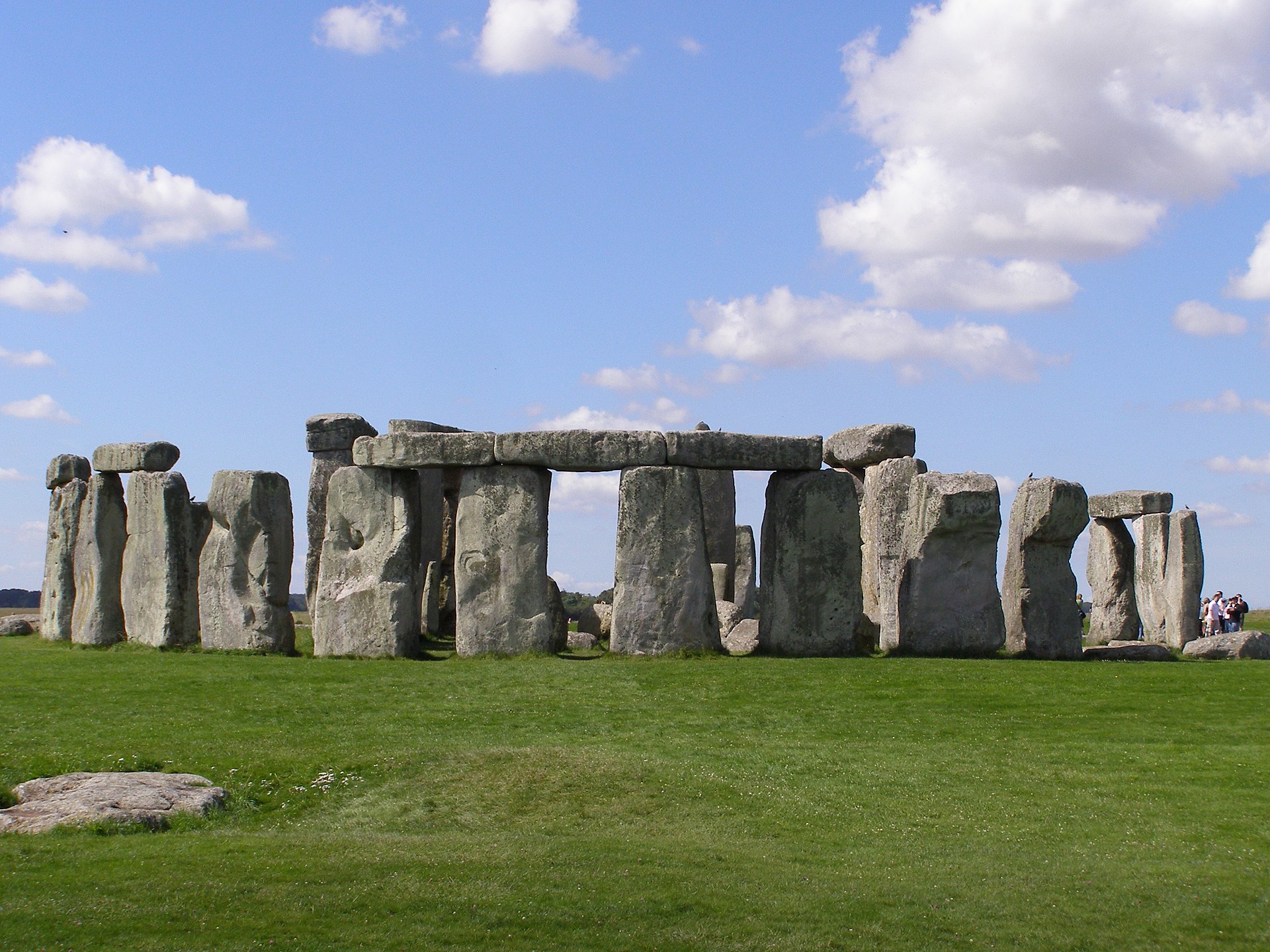
Stonehenge
POIA prehistoric monument in Wiltshire.
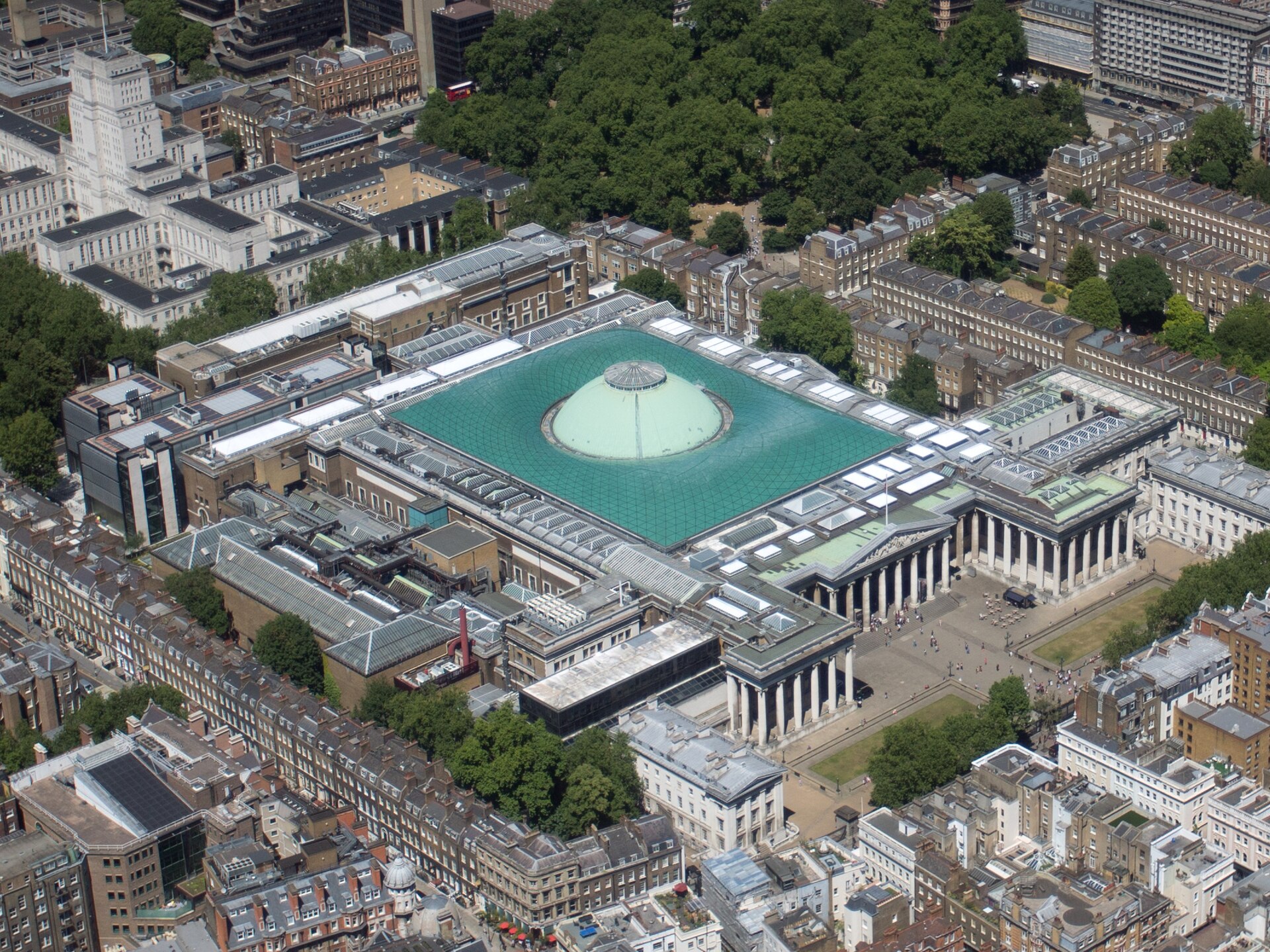
British Museum
POIWorld's first public national museum, with the largest permanent collection on the planet.

Buckingham Palace
POIRoyal residence and the administrative headquarters of the monarch of the United Kingdom.

Westminster Abbey
POIAnglican church that has been the location of the coronations, weddings, and burial sites of several British monarchs.

Palace of Westminster
POILong-standing seat of the English and British Parliaments, where key constitutional developments such as the emergence of the modern parliamentary system and major legislative reforms were shaped.

Tate Modern
POIArt gallery housing the United Kingdom's national collection of international modern and contemporary art.

Hampton Court Palace
POITudor and later Stuart royal residence where Henry VIII centralized court life and where key events of the English Reformation and early-modern monarchy unfolded.

Royal Albert Dock
POIDock complex built for the city’s global trade network, pioneering iron-frame warehouse construction and serving as a major hub of Britain’s maritime commerce during the industrial era.

Liverpool Cathedral
POILargest cathedral and religious building in Britain, seat of the bishop of Liverpool, and the mother church of the diocese of Liverpool.
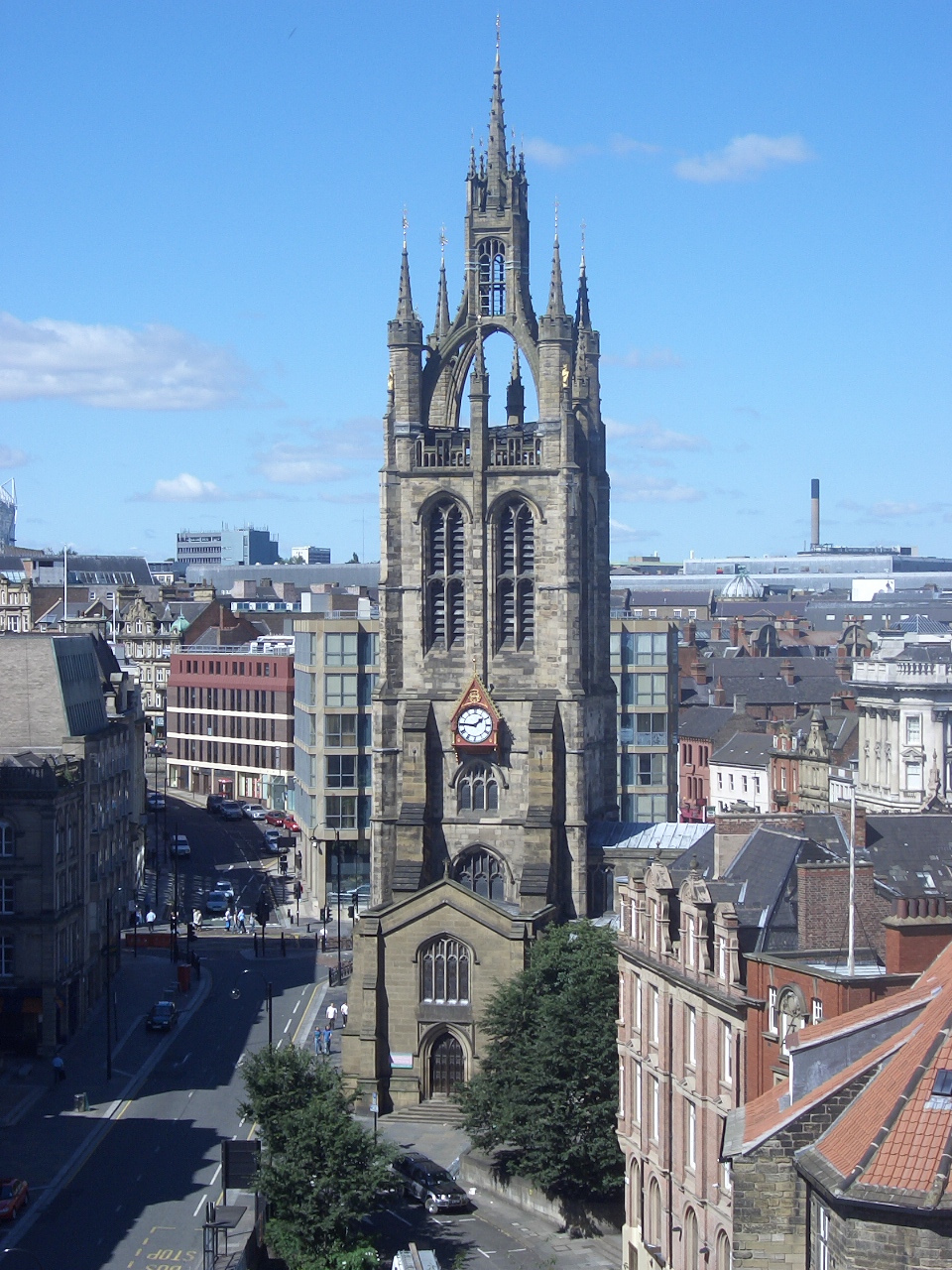
Newcastle Cathedral
POI14th–15th-century parish church elevated to cathedral status in 1882, preserving medieval fabric that reflects the city’s development as a regional religious and commercial center.
Sources & Further Reading
- [1]The Oxford History of England — Kenneth O. Morgan. Oxford University Press (2010)
- [2]A History of Britain — Simon Schama. Hyperion (2000)
- [3]England: A Short History — Norman Cantor. Harper Perennial (2001)