
Amsterdam
Amsterdam is the capital of the Netherlands and the country’s largest city, located in the western region known as North Holland. Originating as a small fishing settlement along the Amstel River in the late 12th century, it developed into one of Europe’s most important commercial and maritime centers during the Dutch Golden Age of the 17th century. Today, Amsterdam is known for its historic canal system, dense urban fabric, and cultural institutions. The city functions as a major financial and cultural hub, with a diverse population and a global reputation for trade, art, and progressive urban planning. Its UNESCO-listed canal ring reflects centuries of careful expansion and engineering in a low-lying landscape.
Early Settlement and Medieval Growth
12th–15th centuriesAmsterdam began as a small fishing village built around a dam on the Amstel River. By the 14th century, it had gained trading privileges and became part of the Hanseatic trading network, establishing itself as a regional commercial center.
Dutch Golden Age
17th centuryAmsterdam became one of the wealthiest cities in the world during the Dutch Golden Age. Its port facilitated global trade through the Dutch East India Company, while the city expanded with the construction of its iconic canal ring. Art, science, and finance flourished during this period.
Decline and Industrial Transformation
18th–19th centuriesEconomic decline followed the Golden Age as global trade patterns shifted. In the 19th century, industrialization revitalized the city, bringing infrastructure improvements such as railways and new canals, along with population growth.
Modern Era and Global City
20th–21st centuriesAmsterdam experienced significant challenges during World War II, including occupation and the persecution of its Jewish population. In the postwar period, the city rebuilt and expanded, becoming a global center for finance, tourism, and culture while maintaining its historic urban character.
Notable POIs in Amsterdam
6 listed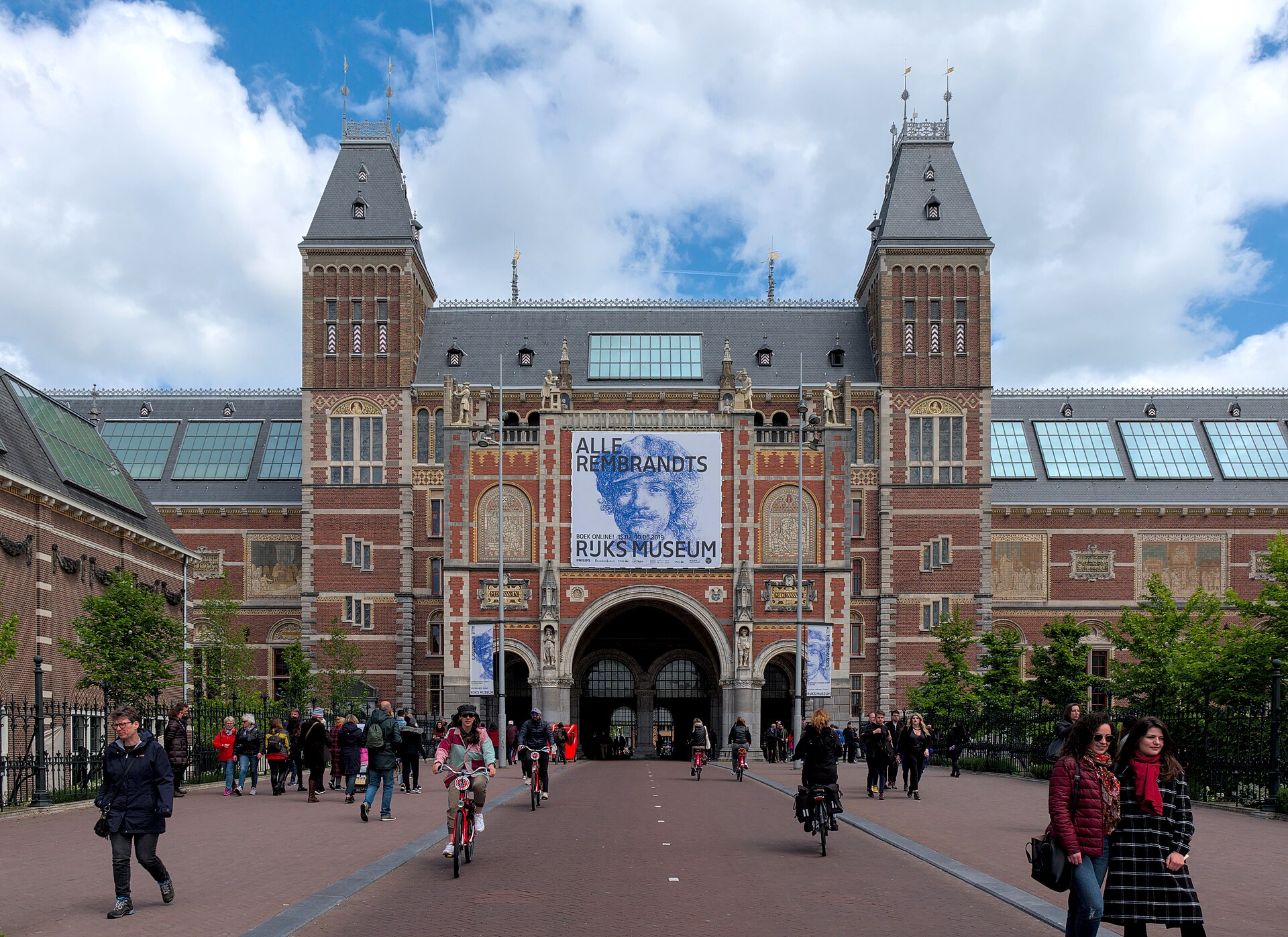
Rijksmuseum
POINational museum of the Netherlands housing world-renowned masterpieces such as Rembrandt’s *The Night Watch* and Vermeer’s *The Milkmaid* within a building that combines Gothic and Renaissance architectural styles.
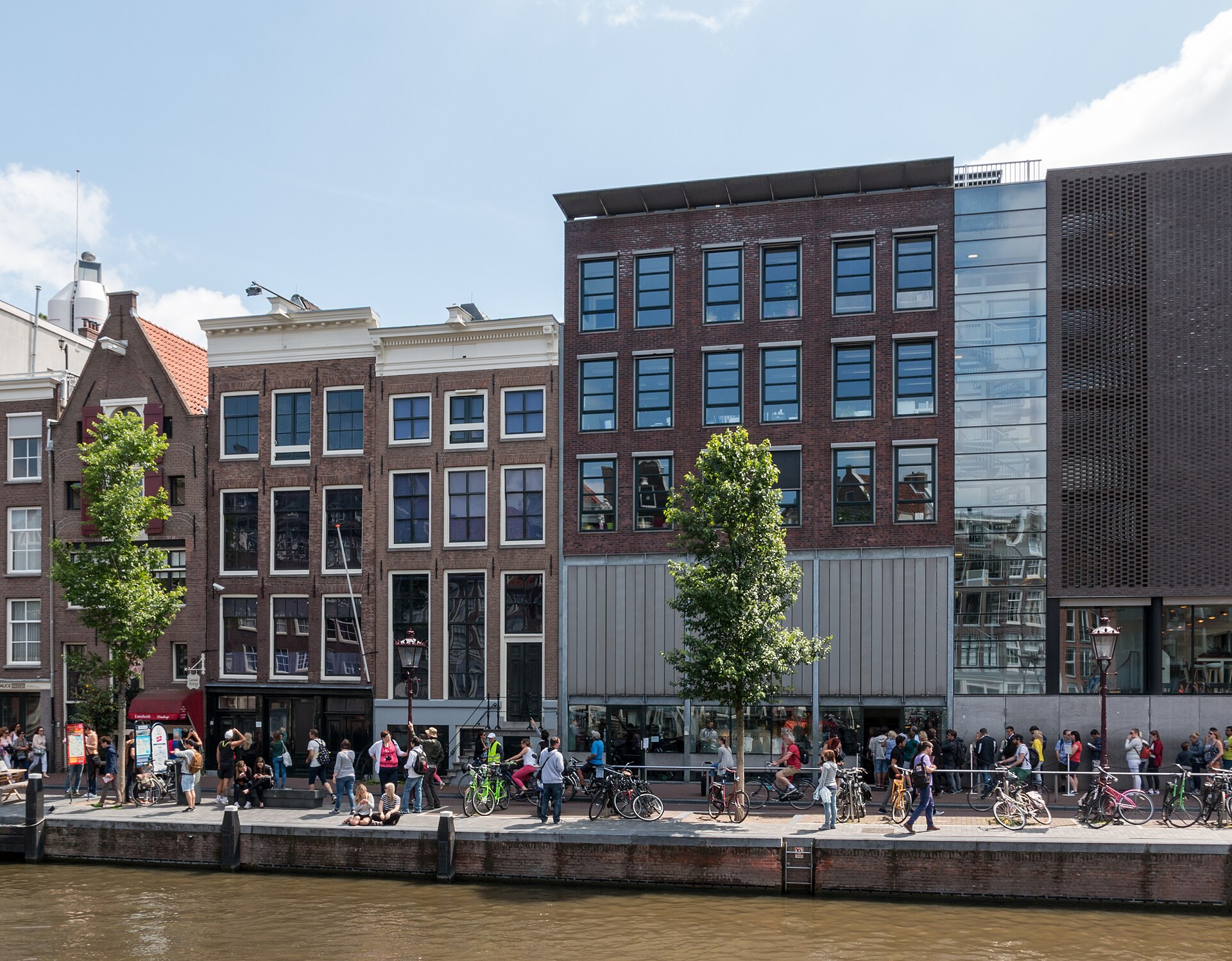
Anne Frank House
POIBiographical museum located in the canal house where Anne Frank and her family hid during World War II, preserving the secret annex and showcasing her original diary.
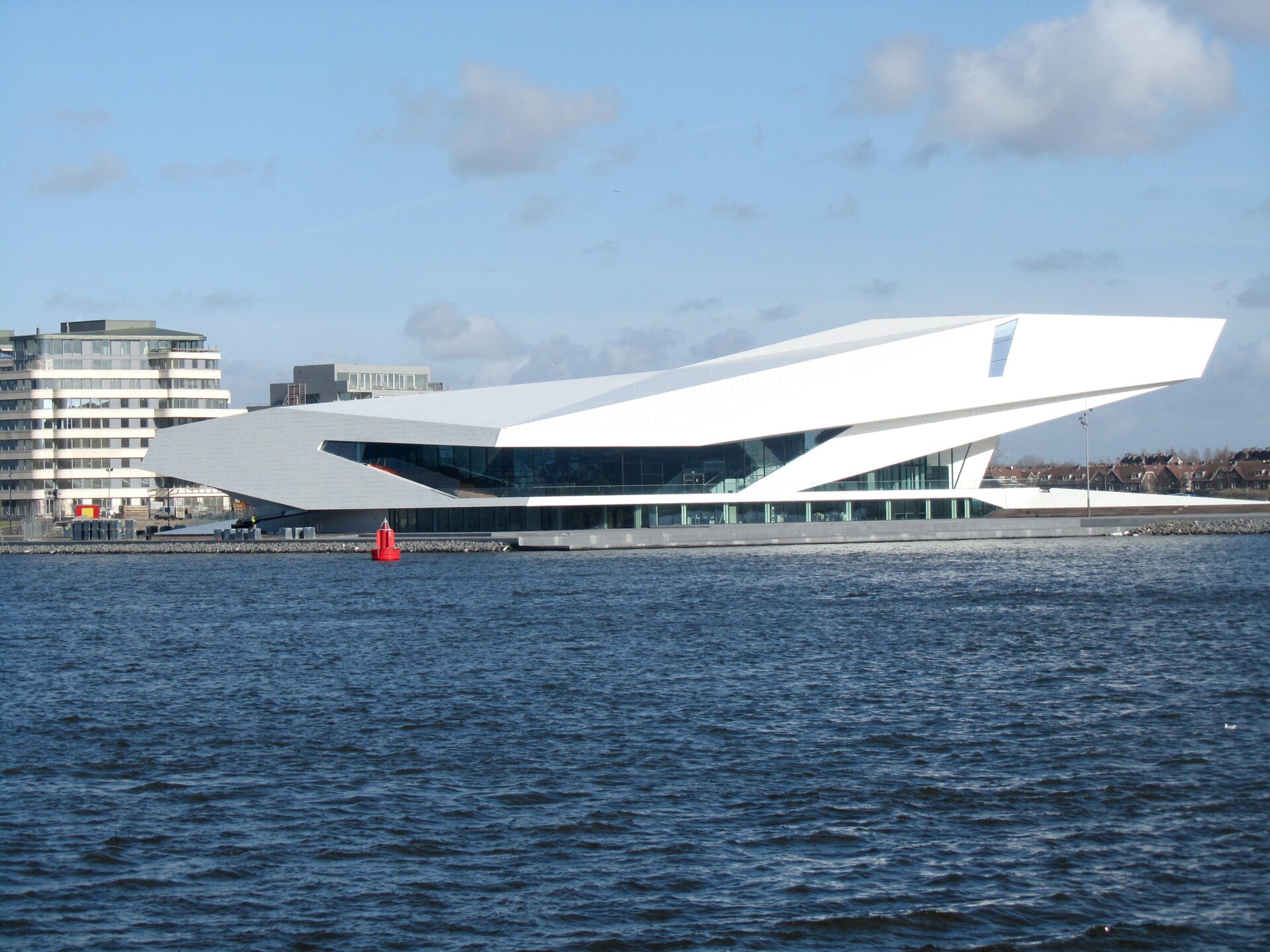
Eye Filmmuseum
POILocated in a futuristic building on the banks of the IJ, this museum serves as the national center for cinematography, featuring an extensive collection of films and posters that celebrate the history and art of cinema.
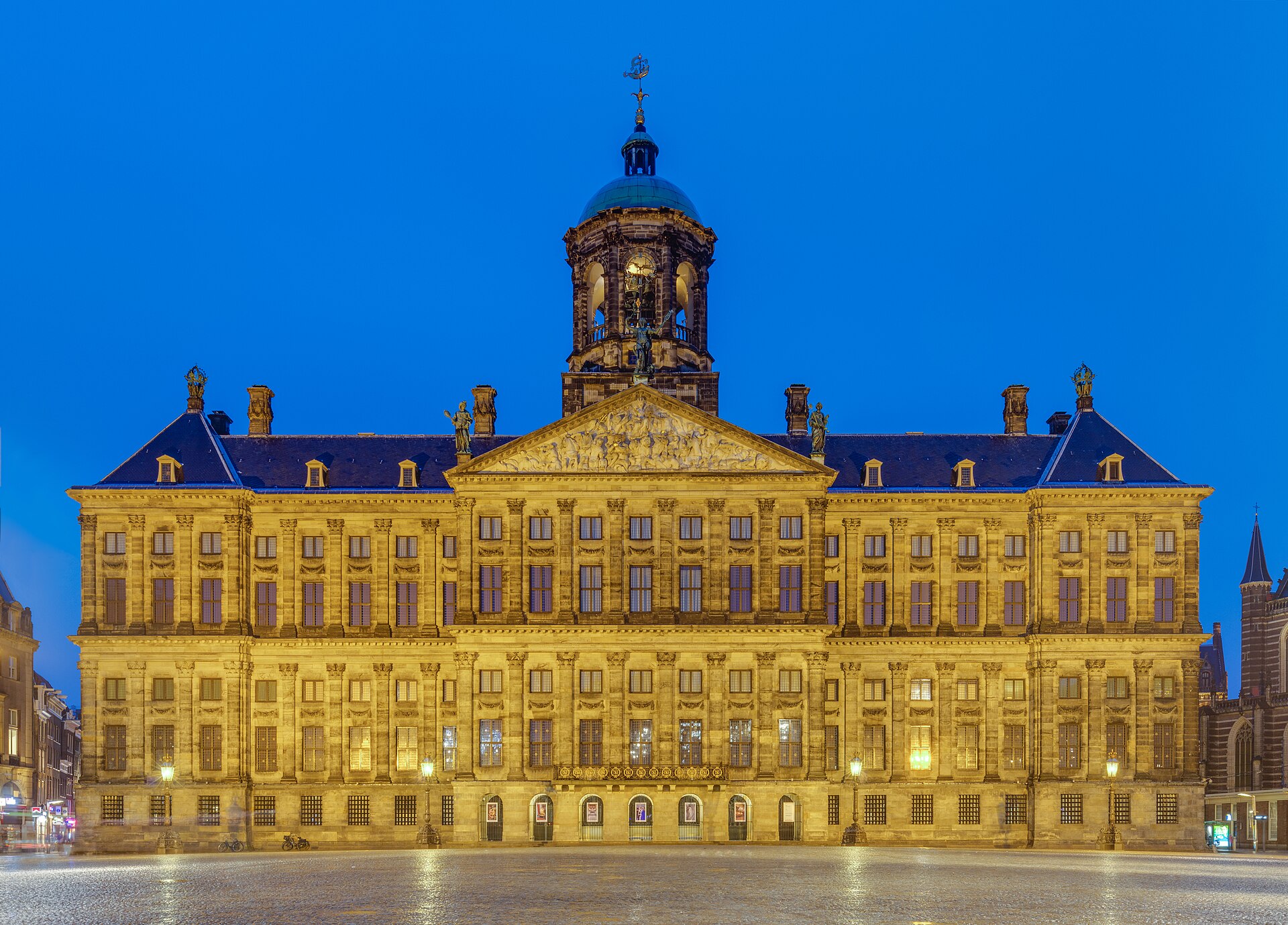
Royal Palace of Amsterdam
POIGrand civic building originally constructed as a town hall that serves as one of three palaces at the disposal of the Dutch monarch, featuring an interior decorated with marble and sculptures that reflect the city's historical global influence.
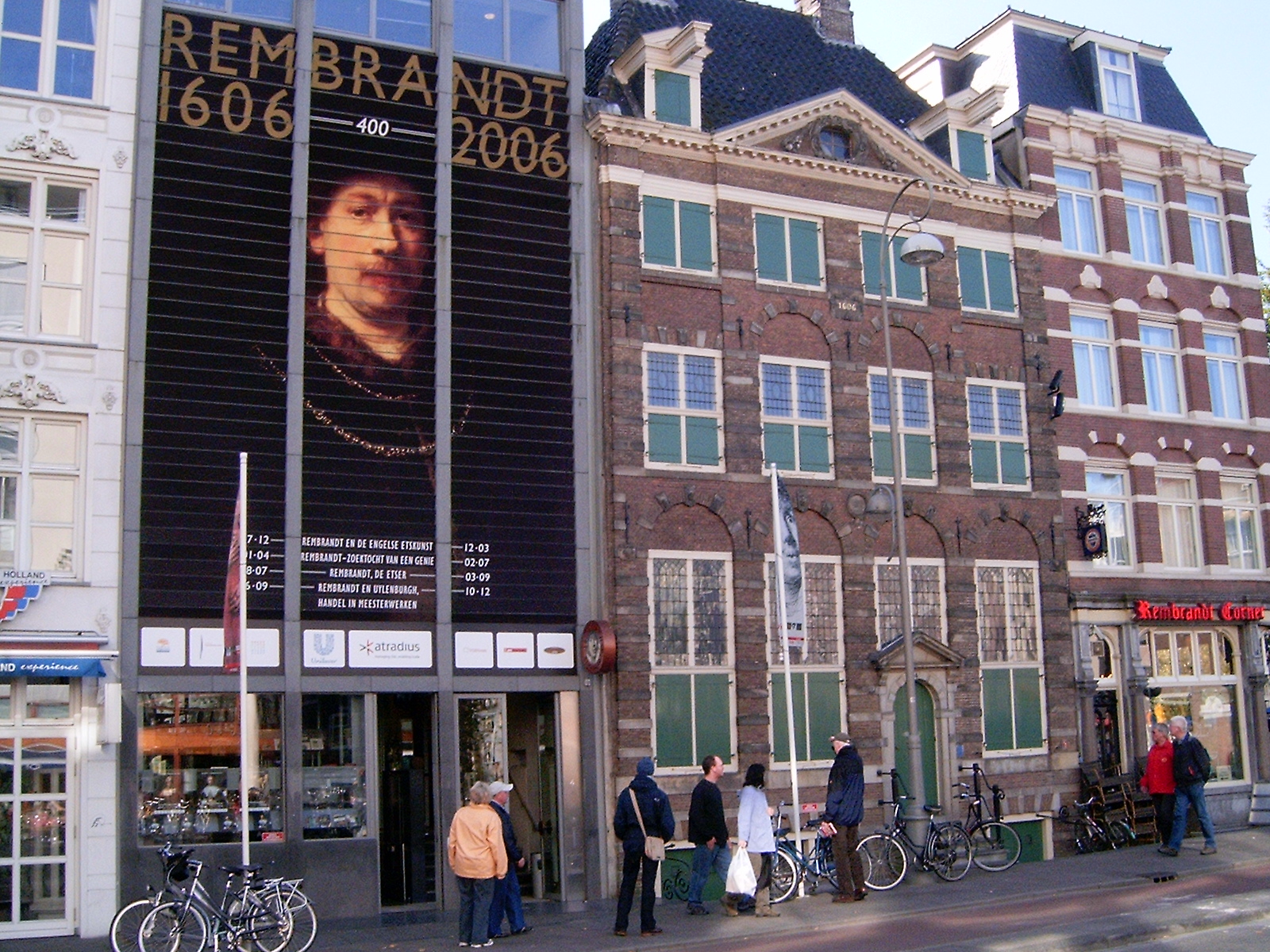
Rembrandt House Museum
POIHistoric residence where Rembrandt lived and worked for nearly twenty years, featuring a meticulously reconstructed 17th-century studio and an extensive collection of nearly all his original etchings.
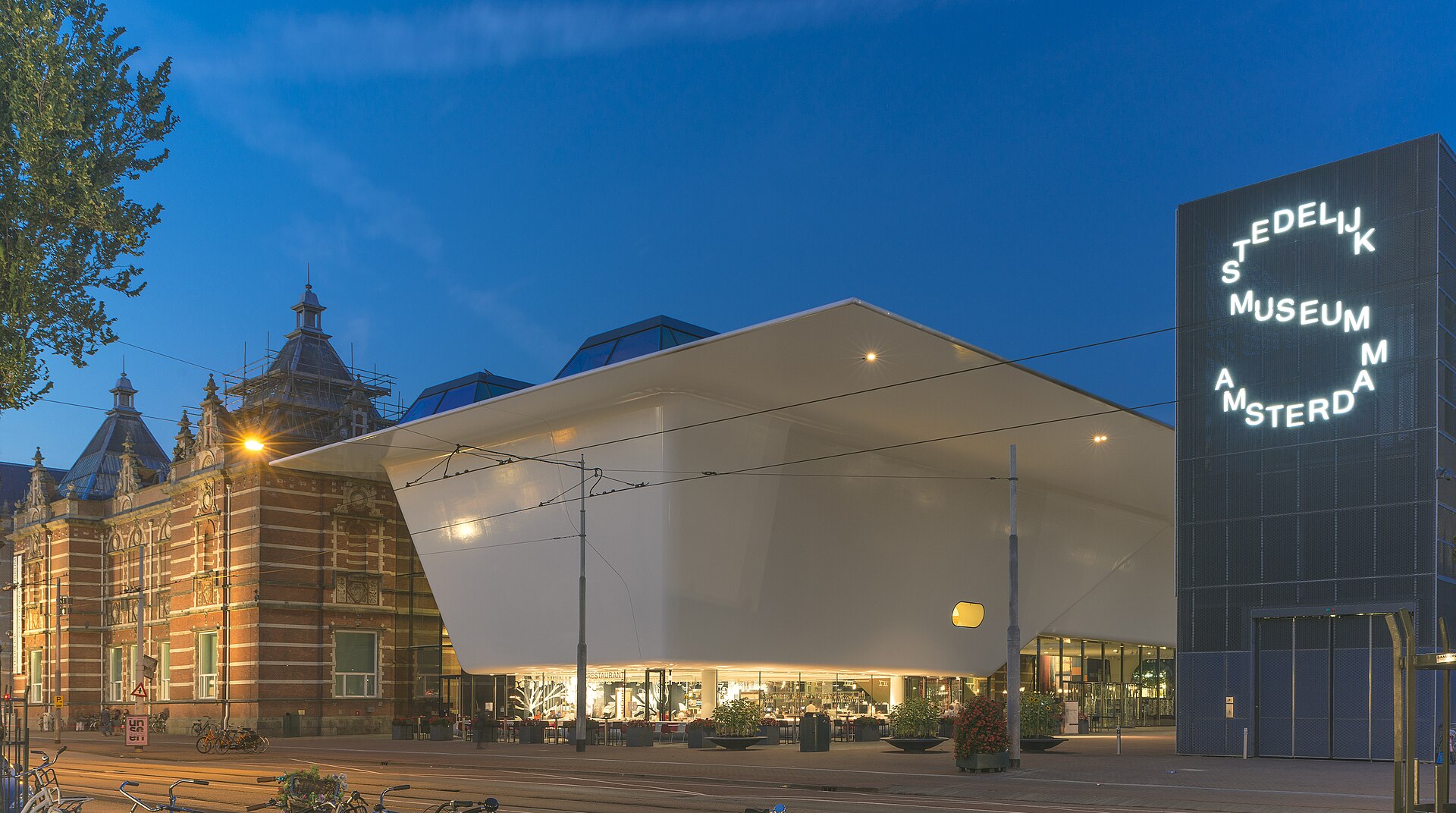
Stedelijk Museum Amsterdam
POIMuseum dedicated to modern and contemporary art and design, featuring a landmark bathtub-shaped wing and a permanent collection that includes works by masters such as Matisse, Picasso, and Mondrian.
Sources & Further Reading
- [1]Amsterdam: A History of the World's Most Liberal City — Russell Shorto. Vintage (2014)
- [2]The Dutch Republic: Its Rise, Greatness, and Fall 1477–1806 — Jonathan Israel. Oxford University Press (1995)
- [3]