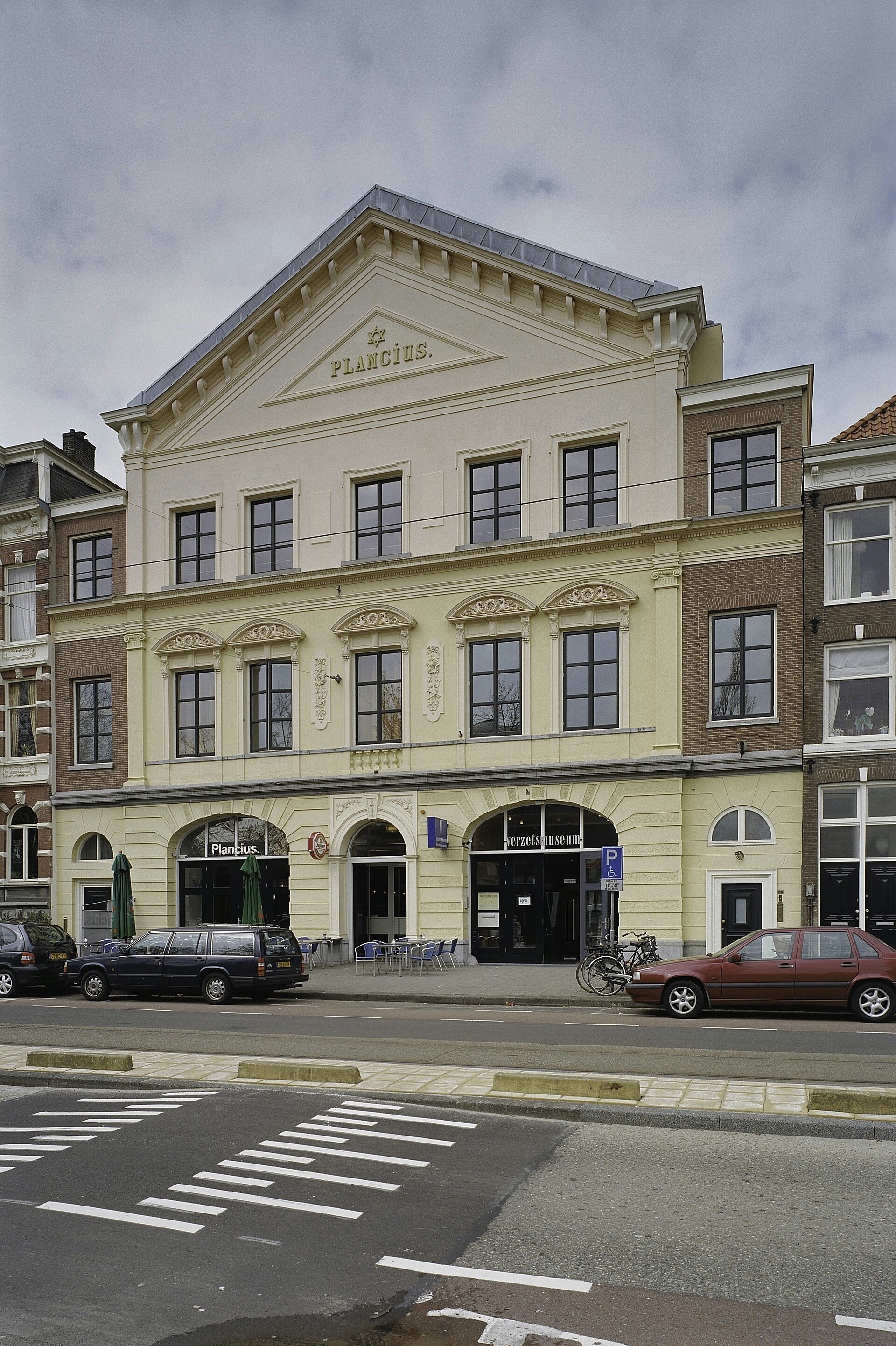
The Verzetsmuseum, or Dutch Resistance Museum, is located in the historic Plantage district of Amsterdam. It provides a comprehensive overview of the Dutch experience during the German occupation from 1940 to 1945, focusing on the spectrum of responses ranging from active resistance and passive defiance to collaboration and accommodation.
The museum utilizes an extensive collection of authentic artifacts, photographs, documents, and personal testimonies to illustrate the complexities of life under occupation. Through immersive exhibits, it explores how ordinary citizens navigated the constraints of wartime existence, the persecution of the Jewish population, and the eventual liberation of the Netherlands.
Key Facts
- Materials
- Brick, Glass, Steel
- Civilization
- Dutch
- Accessibility
- Fully wheelchair accessible
- Date(s)
- 1984
- Condition
- Active
- Original Function
- Museum
- Key Figures
- Liesbeth van der Horst
Establishment
1984The museum was founded in 1984 by members of the Dutch resistance who sought to preserve the history of the underground movement and educate future generations about the moral dilemmas faced during the occupation.
Relocation to the Plantage
1999In 1999, the museum moved to its current location in the Plancius building, a former concert hall and meeting place in the Plantage district, which provided significantly more space for its growing collection and educational programs.
Modern Expansion
2013-PresentThe museum has continued to modernize its exhibitions, including the addition of a dedicated section for children and the integration of digital archives to better contextualize the personal stories of those who lived through the war.
Cultural Significance
The Verzetsmuseum serves as a critical site for national memory, challenging the simplified post-war narrative of a nation united in resistance. By highlighting the nuances of collaboration and the difficult choices forced upon the population, it encourages public reflection on democracy, human rights, and the dangers of extremism.
Interpretive Notes
Scholarly debates and areas of uncertainty
Debates often center on the historiography of the 'grey zone'—the space between active resistance and collaboration. Scholars and museum curators continuously refine how to present the actions of the Dutch administrative authorities and the extent of civilian complicity in the Holocaust.
Visiting Information
Entry Rules
Open daily. Tickets can be purchased online or at the entrance. Concessions are available for students and museum card holders.
Best Times to Visit
Weekday mornings are generally quieter. The museum is popular with school groups, so visiting outside of peak academic hours is recommended.
Photography
Photography is permitted for personal use without flash. Tripods and professional equipment require prior authorization.
Preservation Notes
Visitors are requested to refrain from touching artifacts and to maintain a respectful volume, as the museum contains sensitive historical content.
Nearby POIs
11 shownKey Facts
- Materials
- Brick, Glass, Steel
- Civilization
- Dutch
- Accessibility
- Fully wheelchair accessible
- Date(s)
- 1984
- Condition
- Active
- Original Function
- Museum
- Key Figures
- Liesbeth van der Horst