Country Wiki
Italy
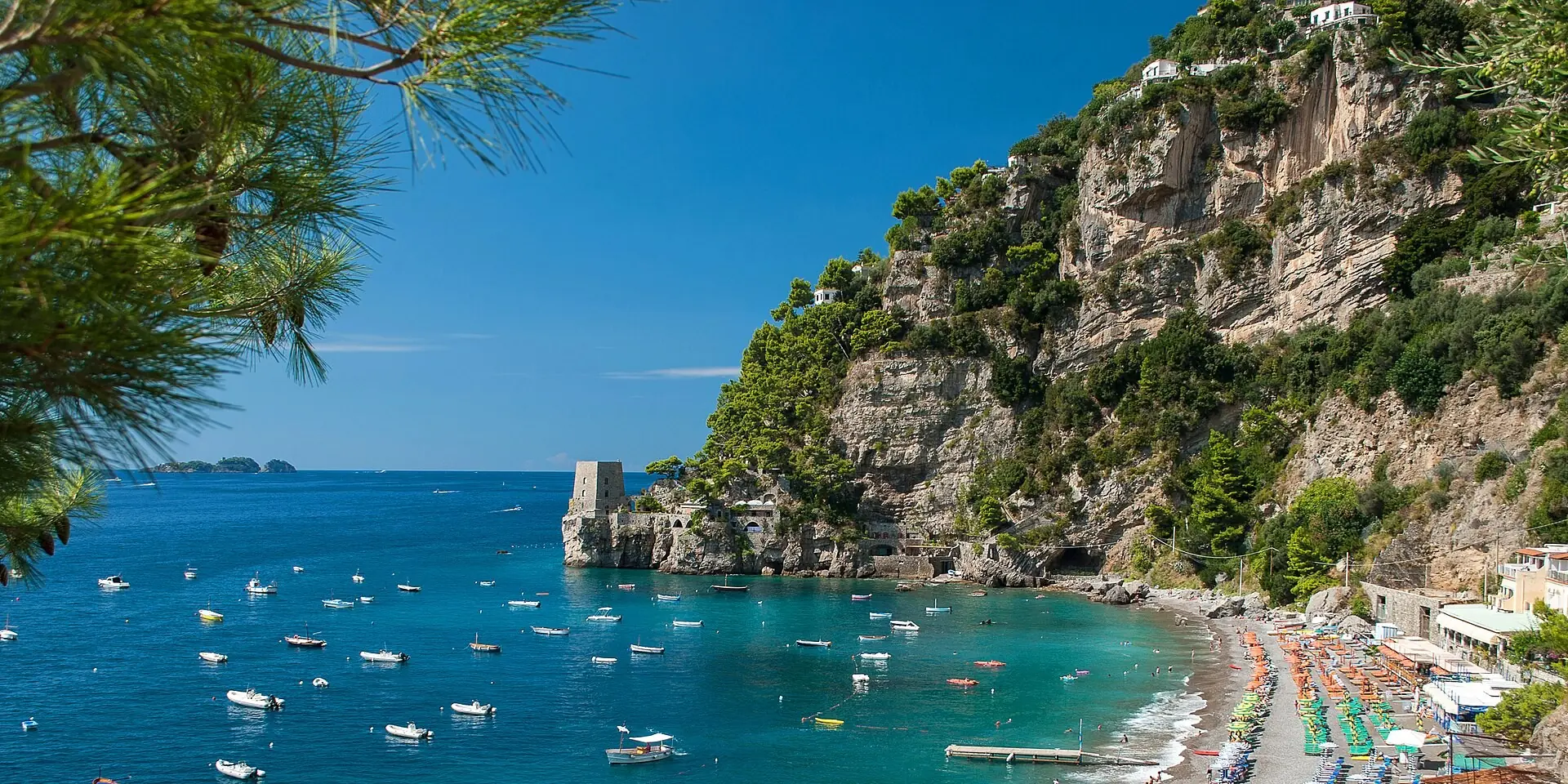
Italy is a Mediterranean nation in Southern Europe, renowned for its profound influence on Western culture, art, and history. From the remnants of the Roman Empire to the artistic achievements of the Renaissance, the country serves as a living museum of human civilization, boasting more UNESCO World Heritage sites than any other nation. Modern Italy is a democratic republic characterized by its regional diversity, world-class culinary traditions, and significant contributions to fashion, design, and industry. Its geography ranges from the rugged Alpine peaks in the north to the sun-drenched coastal landscapes of the south, creating a unique environment that continues to shape global cultural trends.
Ancient Foundations
8th century BCE – 476 CEThe Italian peninsula was the heart of the Roman Empire, which expanded from a small city-state to a dominant Mediterranean power. This era established the foundations of Western law, architecture, and governance that persist to this day.
Middle Ages and Renaissance
476 – 1600 CEFollowing the fall of Rome, Italy became a collection of independent city-states. The 14th-century Renaissance began in Florence, sparking a massive revival of art, science, and philosophy that transformed European intellectual life.
Unification and World Wars
1815 – 1945The Risorgimento movement led to the unification of Italy as a kingdom in 1861. The 20th century brought significant turmoil, including the rise of Fascism, participation in two World Wars, and the eventual transition to a republic.
Modern Republic
1946 – presentSince the 1946 referendum, Italy has evolved into a stable parliamentary republic and a founding member of the European Union, focusing on economic modernization and cultural preservation.
Major Cities
6 listed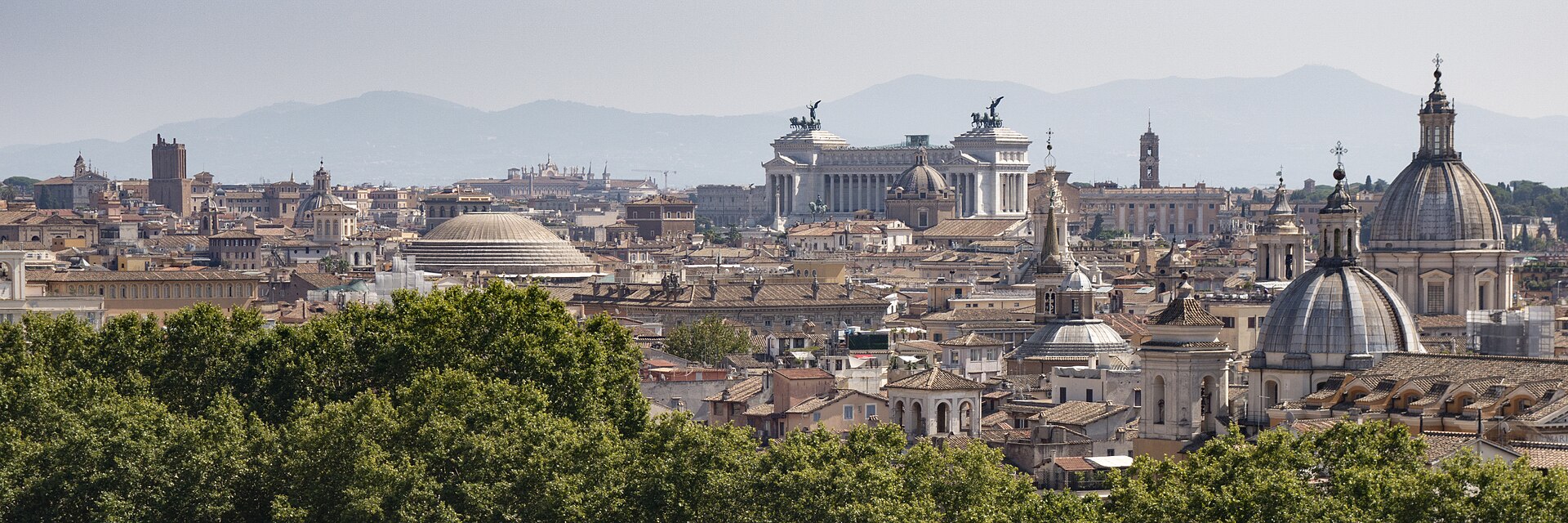
Notable POIs
10 listed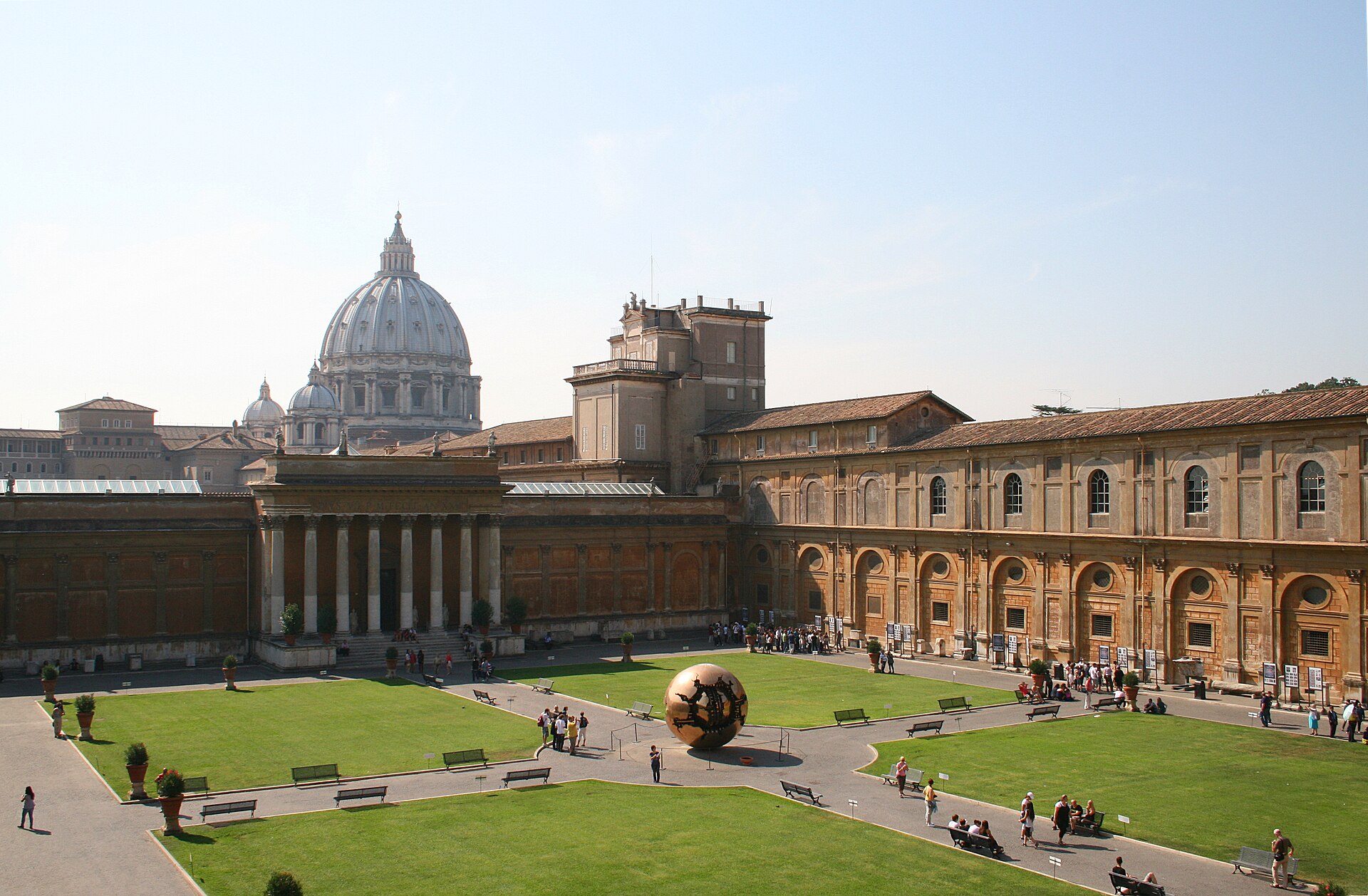
Musei Vaticani
POIPublic museums of the Catholic Church and the papacy, housing over 70,000 works.
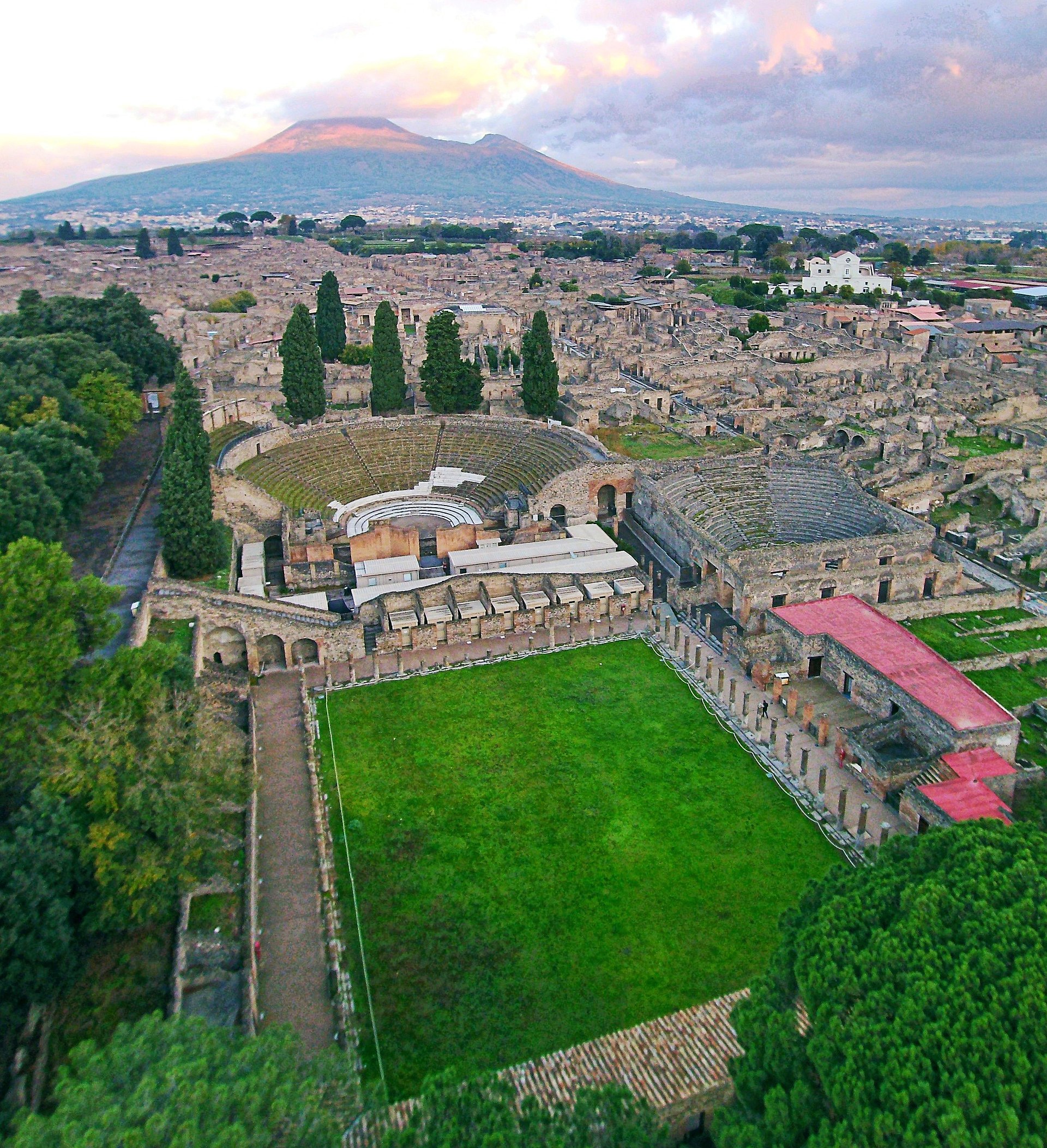
Pompeii
POIRoman city buried by ash and pumice after the eruption of Mt. Vesuvius.
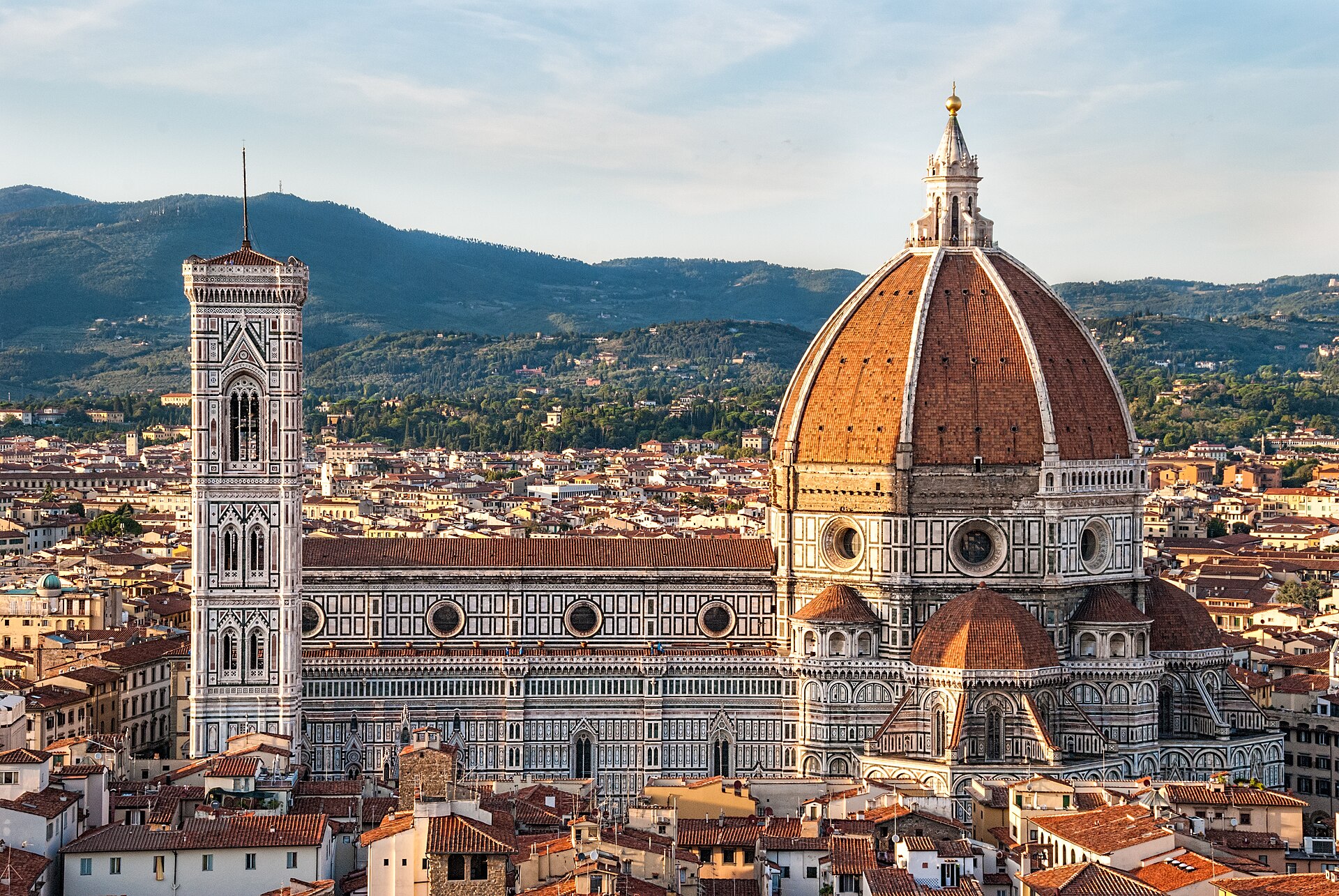
Duomo di Firenze
POIGothic Cathedral, whose dome is the largest masonry dome ever constructed.
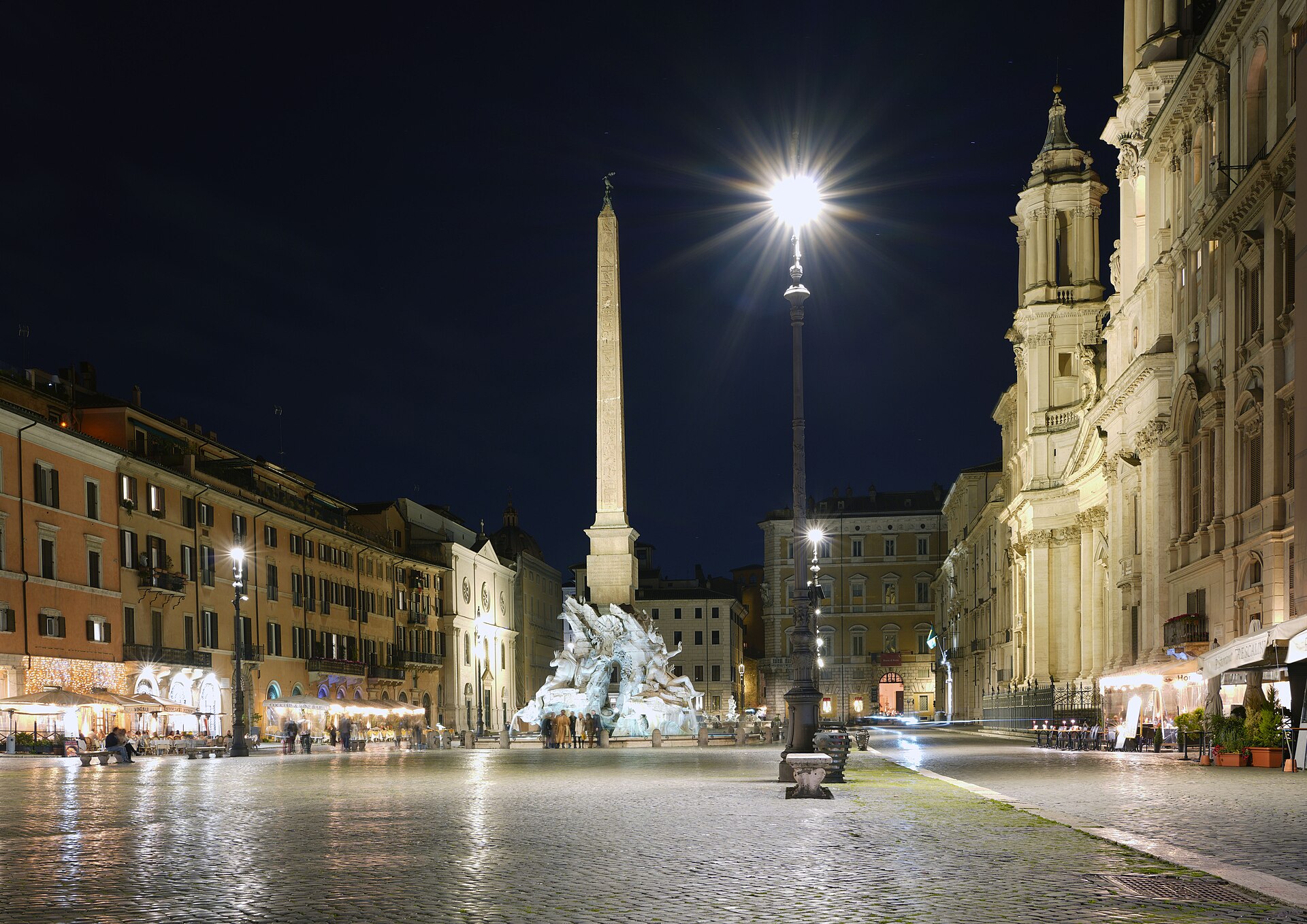
Piazza Navona
POISquare that is built on the site of the Stadium of Domitian.
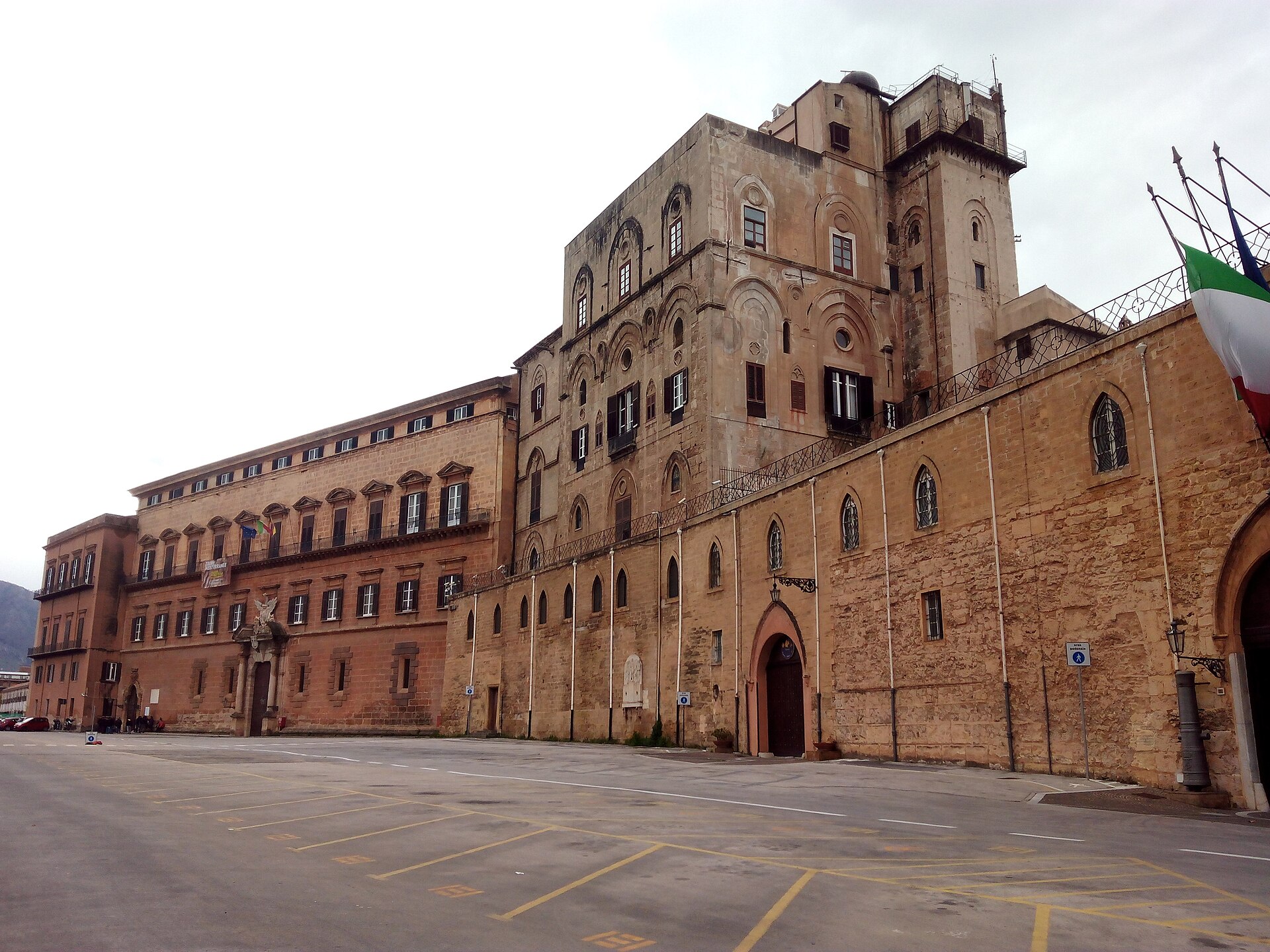
Palazzo dei Normanni
POIOldest royal residence in Europe, standing in the highest point of the ancient centre of Palermo.
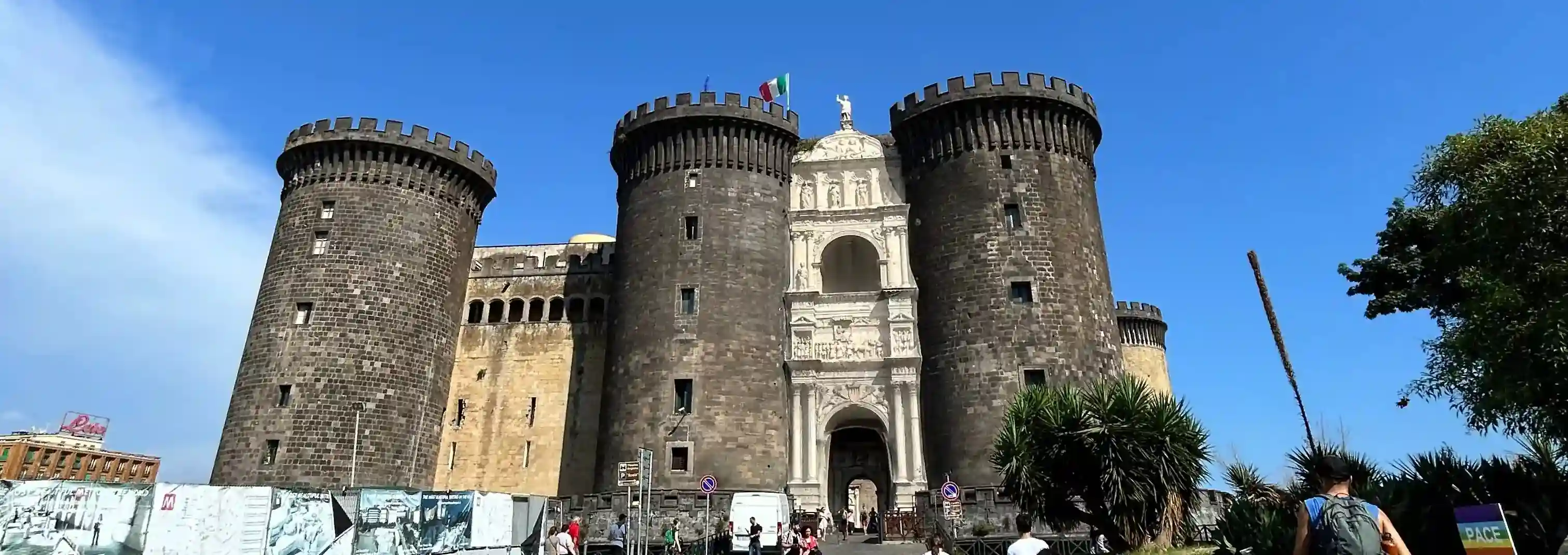
Castel Nuovo
POIMedieval castle and the former royal seat for kings of Naples, Aragon, and Spain
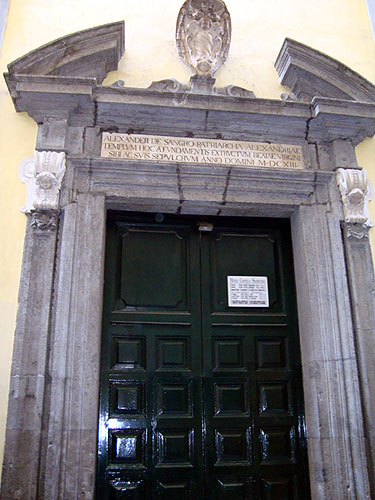
Cappella Sansevero
POIChapel displaying works of Rococo art by some of the leading Italian artists of the 18th century.
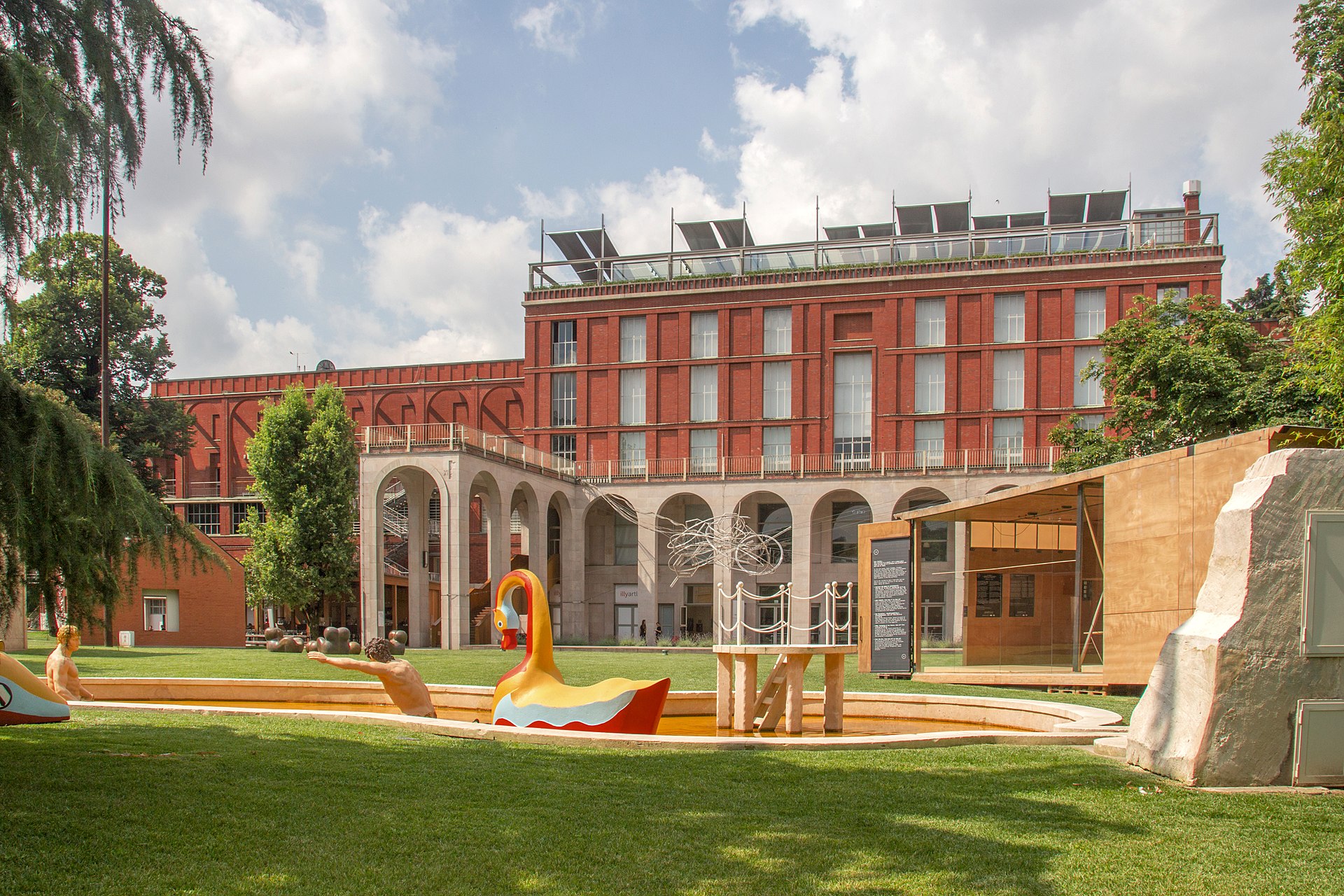
Triennale di Milano
POIMuseum of art and design housed in a palace, which also contains a theater.
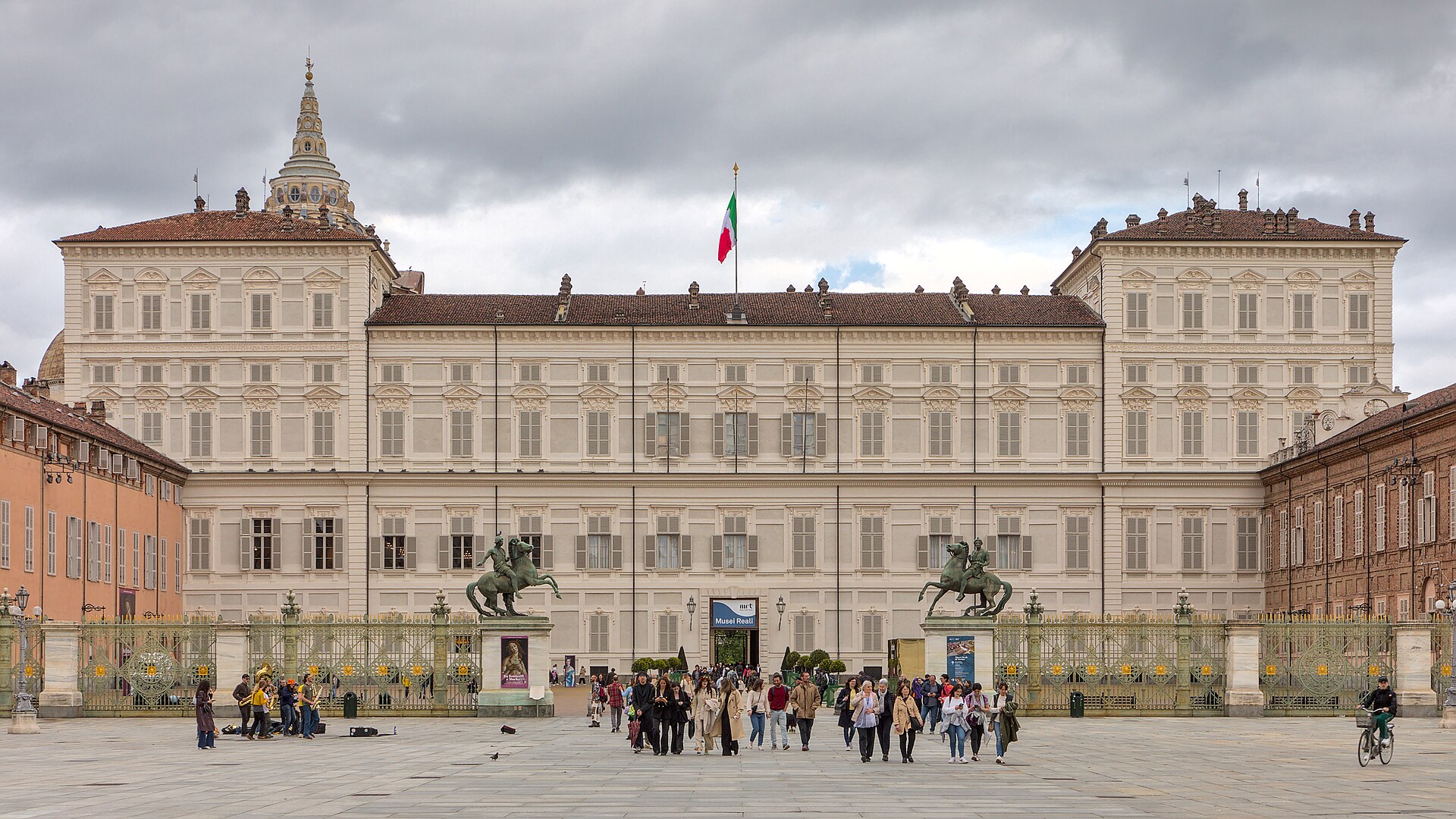
Palazzo Reale di Torino
POIHistoric palace housing the Palazzo Chiablese and the Chapel of the Holy Shroud, the latter of which was built to house the famous Shroud of Turin.
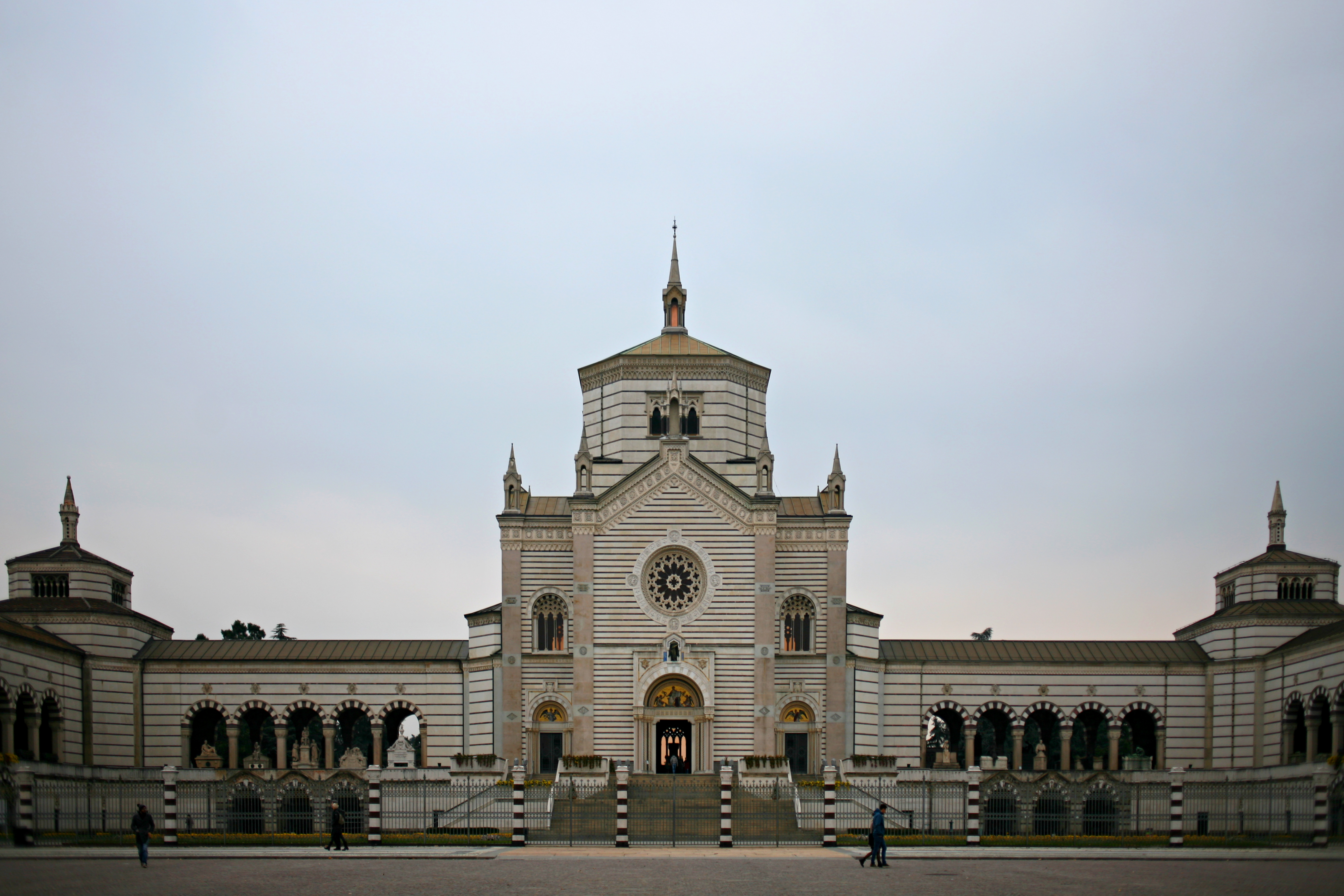
Cimitero Monumentale di Milano
POIOne of the two largest cemeteries in Milan, noted for the abundance of artistic tombs and monuments.