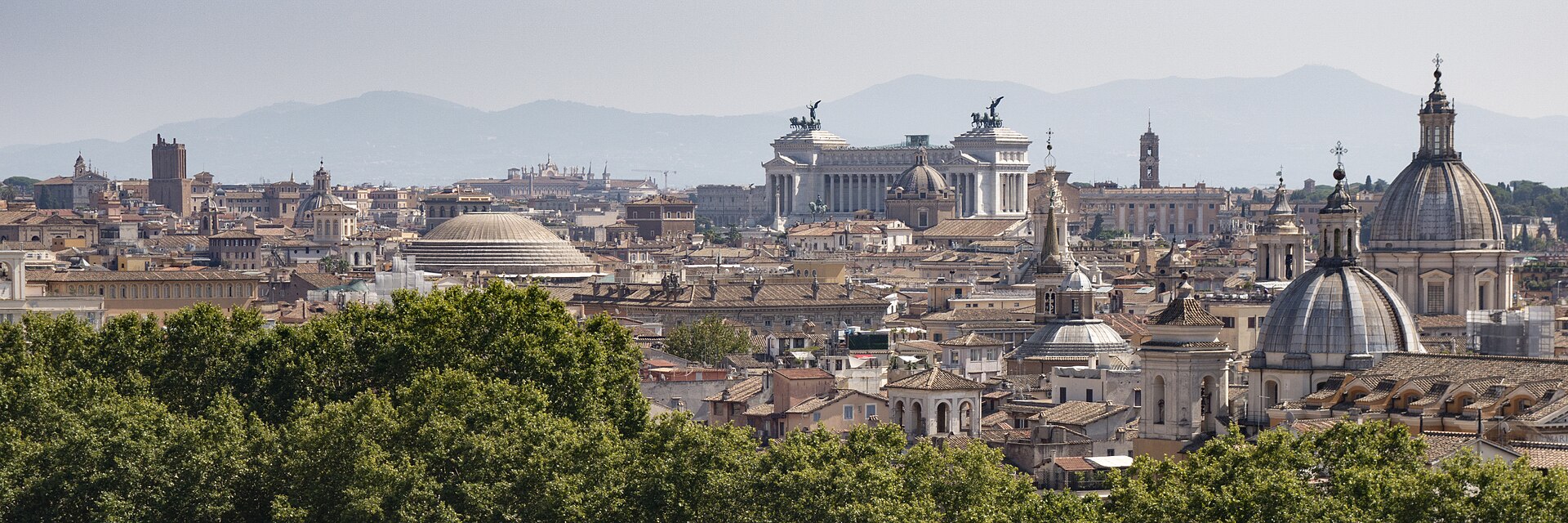
Rome
Rome, the capital of Italy, is a sprawling cosmopolitan city with nearly 3,000 years of globally influential art, architecture, and culture on display. Known as the 'Eternal City,' it serves as the heart of the Roman Empire and the seat of the Catholic Church, characterized by its dense layering of ancient ruins, Renaissance palazzos, and Baroque fountains. Today, Rome functions as a major political, economic, and cultural hub, balancing its status as a living museum with the demands of a modern European capital. The city remains a focal point for international tourism, archaeology, and religious pilgrimage, maintaining a unique urban fabric where contemporary life unfolds amidst monumental history.
Founding and the Roman Republic
753 BCE – 27 BCEAccording to legend, Rome was founded by Romulus in 753 BCE. It evolved from a small settlement on the Palatine Hill into a powerful Republic that dominated the Mediterranean, establishing the foundations of Western law, governance, and engineering.
The Imperial Zenith
27 BCE – 476 CEUnder Augustus and his successors, Rome became the center of a vast empire. This era saw the construction of iconic structures like the Colosseum and the Pantheon, cementing the city's status as the 'Caput Mundi' or capital of the world.
Papal Rome and the Renaissance
14th – 17th centuriesFollowing the Middle Ages, the Papacy returned to Rome, initiating a period of massive urban renewal. Popes commissioned artists like Michelangelo and Bernini, transforming the city into the epicenter of the High Renaissance and Baroque movements.
Modern Capital
1870 – PresentRome became the capital of the unified Kingdom of Italy in 1870. The 20th century brought significant urban expansion and modernization, while the city simultaneously solidified its role as a global center for diplomacy, fashion, and historical preservation.
Notable POIs in Rome
6 listed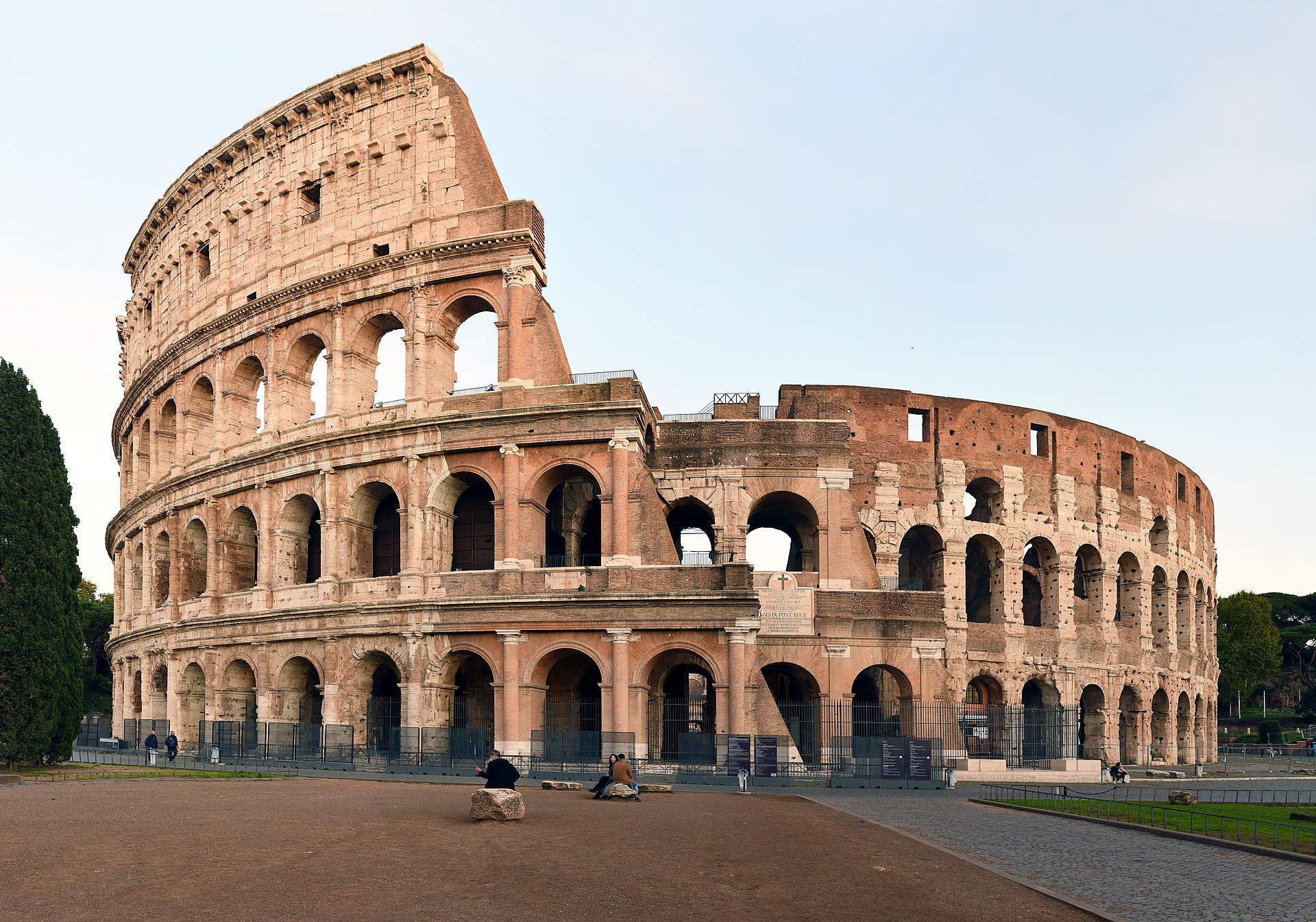
Colosseum
POIThe world's largest amphitheater and one of the New Seven Wonders of the World.
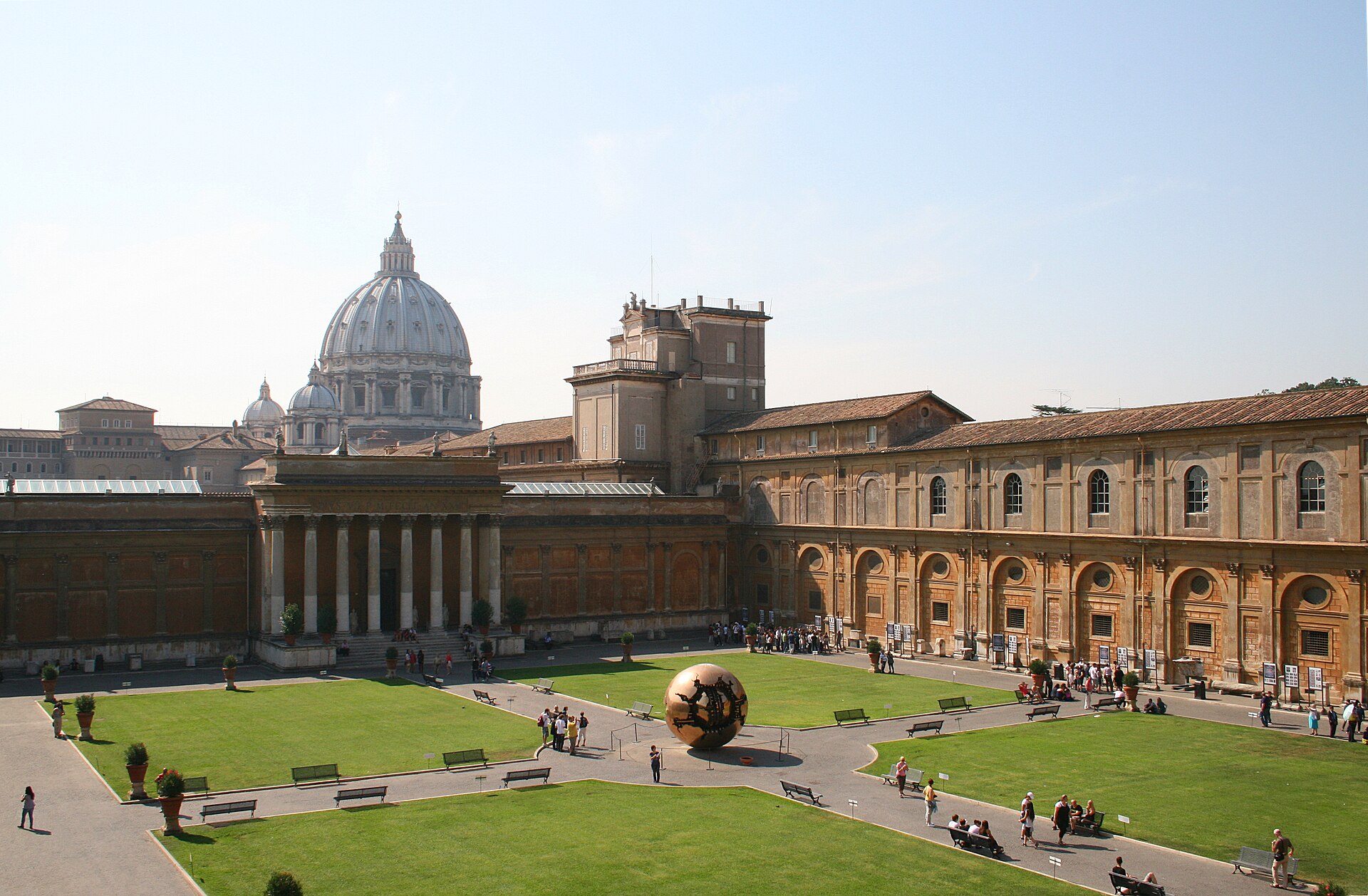
Musei Vaticani
POIPublic museums of the Catholic Church and the papacy, housing over 70,000 works.
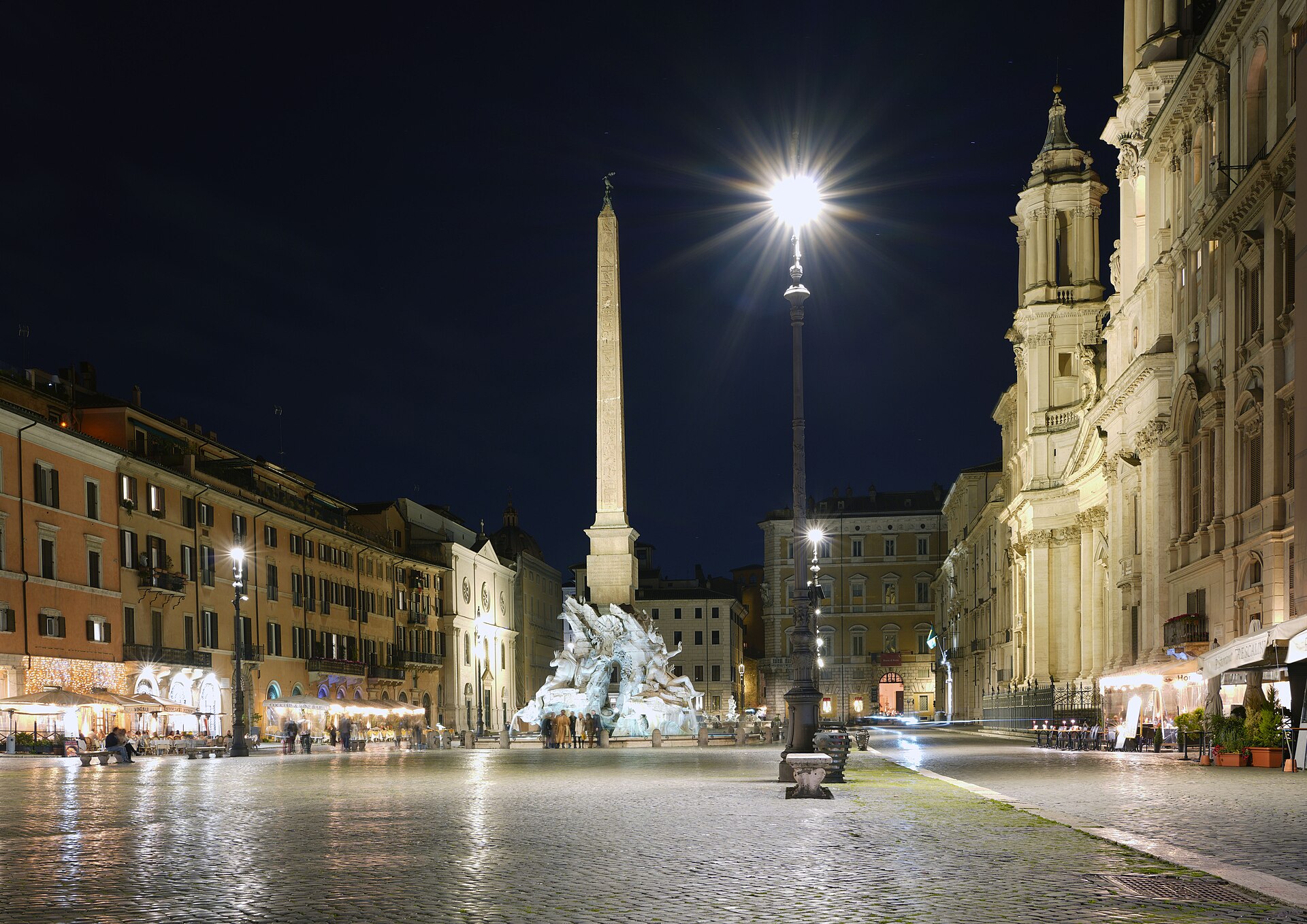
Piazza Navona
POISquare that is built on the site of the Stadium of Domitian.
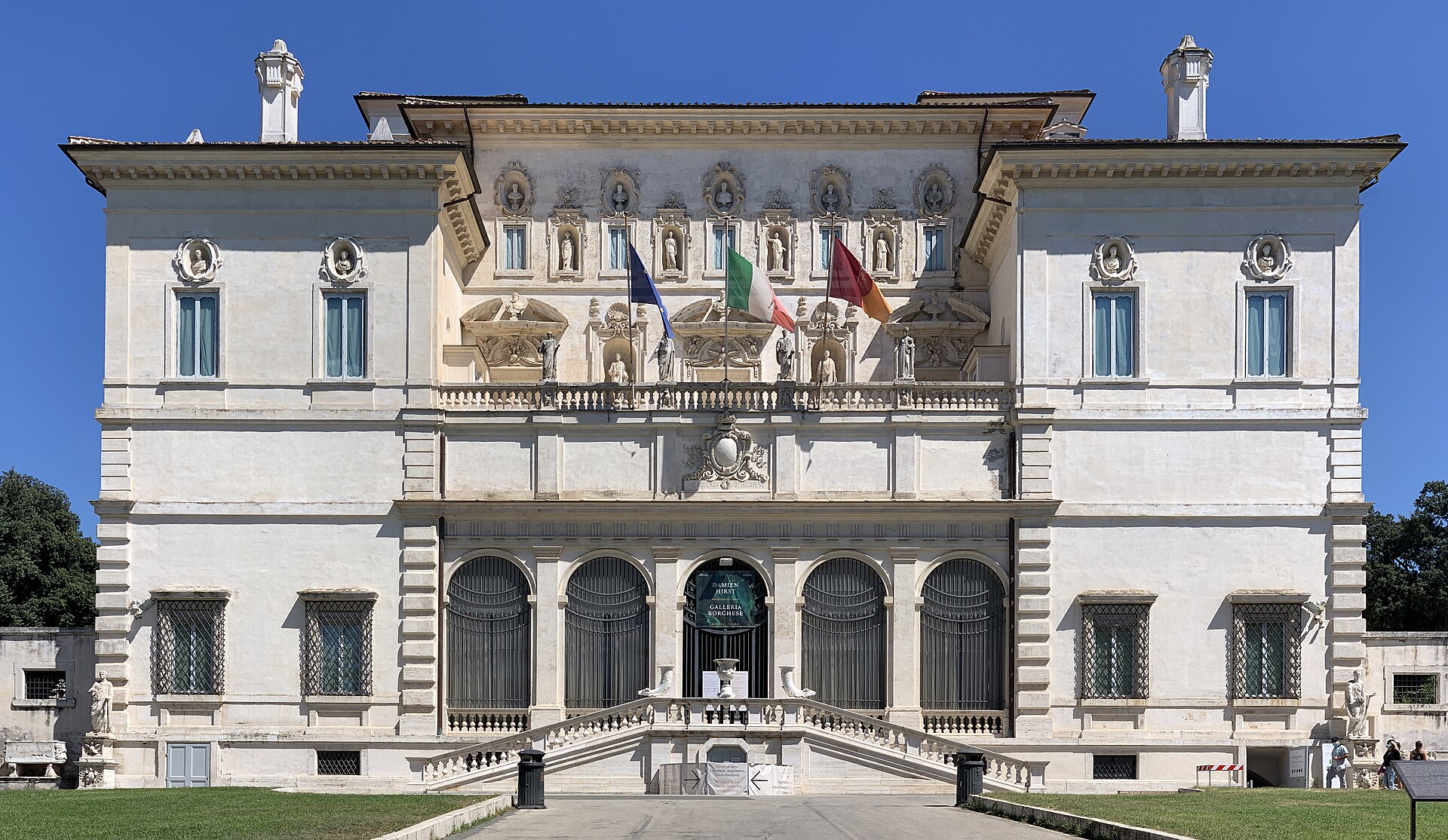
Galleria Borghese
POIArt gallery house on the grounds of the former Villa Borghese Pinciana.
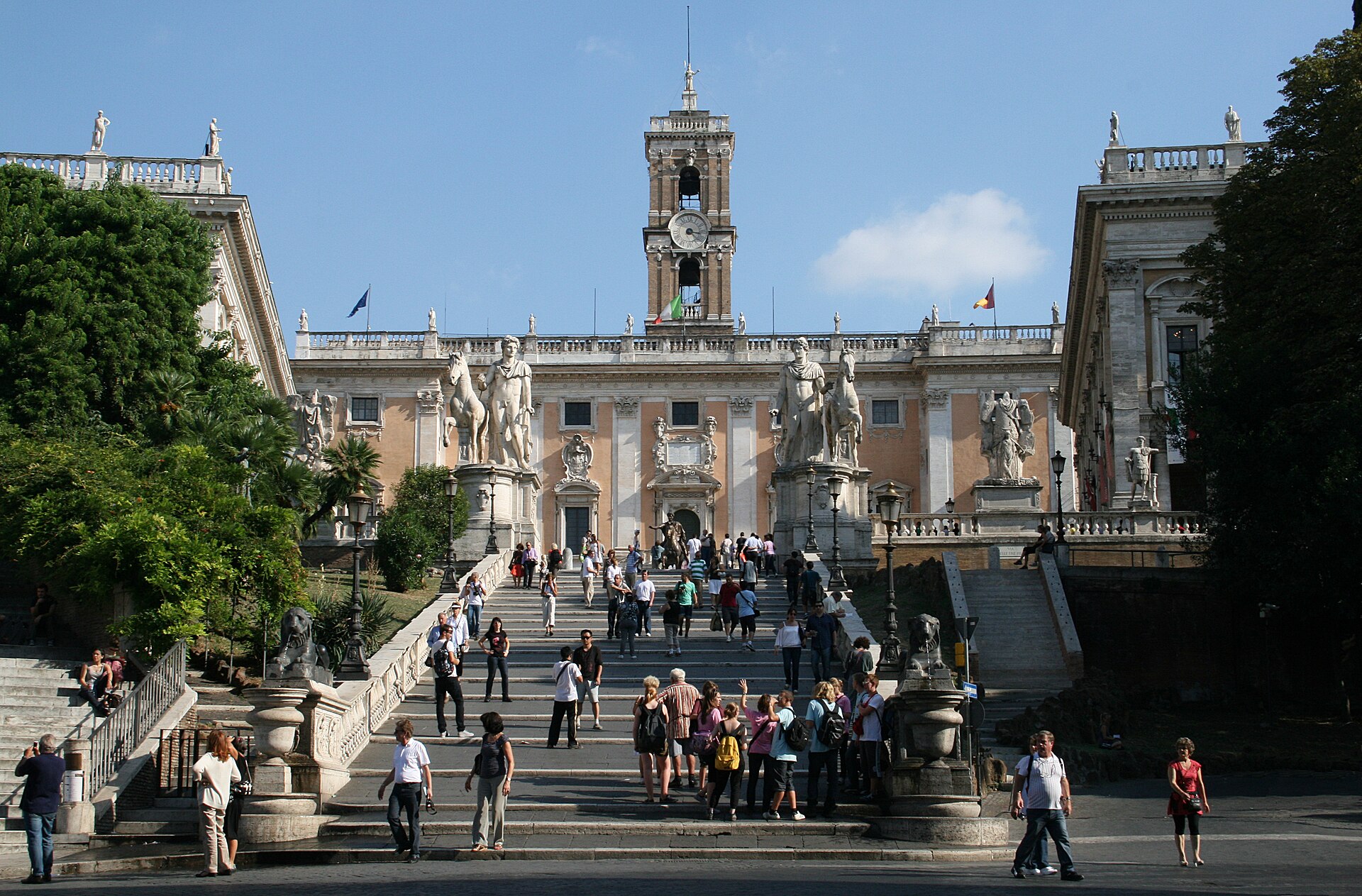
Musei Capitolini
POIGroup of art and archaeological museums on top of the Capitoline Hill.
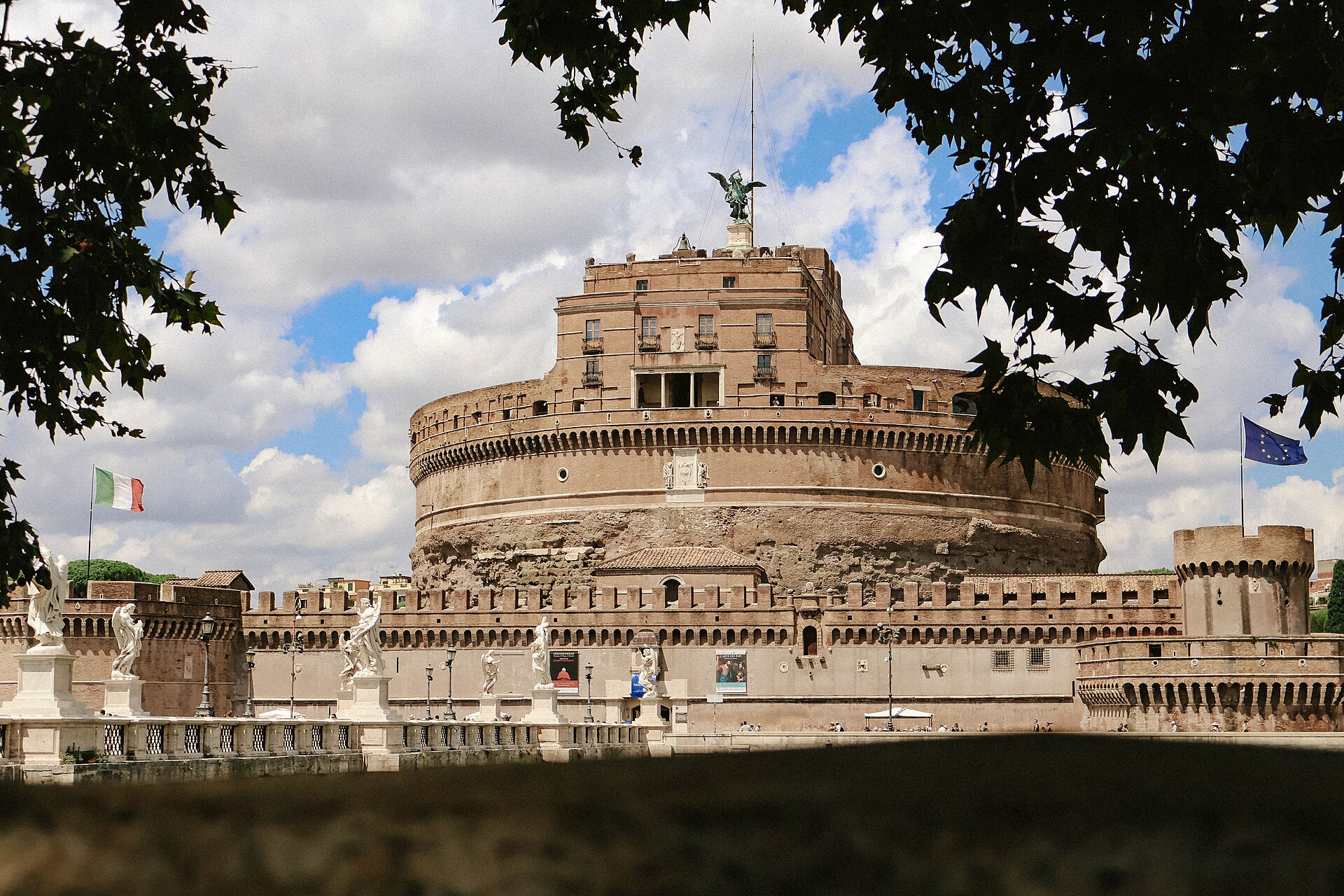
Castel Sant'Angelo
POIRotunda on the River Tiber, former tallest building in Rome and is now a museum.