
Brussels
Brussels is the capital of Belgium and serves as the de facto capital of the European Union, hosting key institutions such as the European Commission and the Council of the European Union. Located in central Belgium, the city has developed from a medieval settlement into a major political, economic, and cultural hub in Europe. Historically bilingual, Brussels reflects a complex linguistic and cultural identity shaped by both French and Dutch influences. Today, it is known for its international population, administrative importance, and historic architecture, including guild houses, royal palaces, and Art Nouveau landmarks.
Medieval Origins
10th-15th centuriesBrussels was founded as a fortress settlement in the 10th century and grew into an important commercial center in the Duchy of Brabant. Its location along trade routes contributed to its early prosperity, and it developed into a regional political and economic hub.
Burgundian and Habsburg Rule
15th-18th centuriesUnder Burgundian and later Habsburg control, Brussels became a key administrative center in the Low Countries. The city experienced cultural and architectural growth, though it also faced destruction, notably during the 1695 bombardment by French forces.
From Independence to Industrialization
19th centuryFollowing Belgian independence in 1830, Brussels became the capital of the new state. The city expanded rapidly during the Industrial Revolution, with major urban development projects reshaping its infrastructure and appearance.
World Wars and Reconstruction
20th centuryBrussels was occupied during both World War I and World War II. After the wars, reconstruction and modernization efforts transformed the city, while preserving key historic areas. The city’s role in international politics grew in the postwar period.
European Capital
Late 20th century-presentBrussels emerged as a center of European governance, hosting major EU institutions and international organizations such as NATO. Its global role has attracted a diverse population, reinforcing its position as a cosmopolitan and politically significant city.
Notable POIs in Brussels
6 listed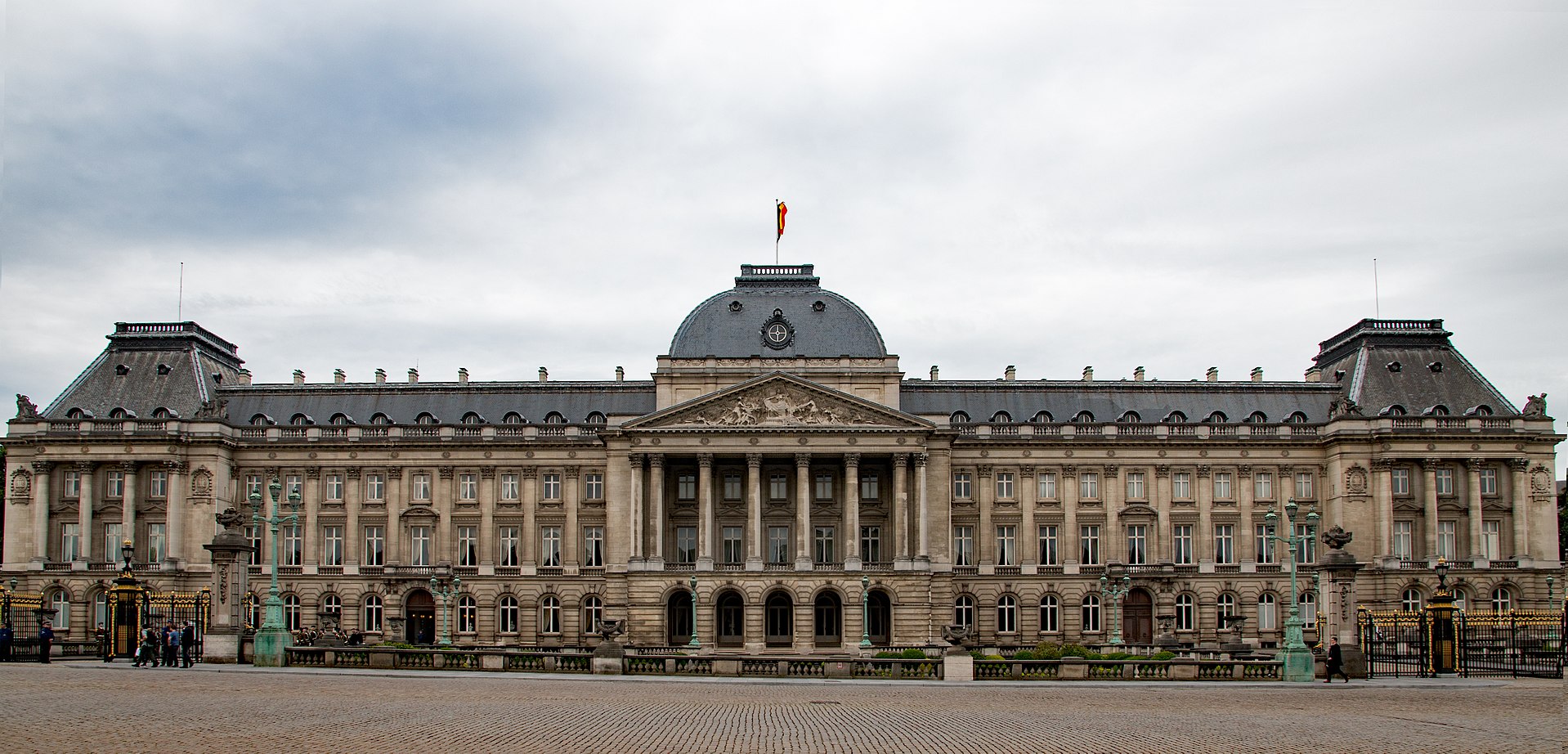
Royal Palace of Brussels
POIOfficial administrative residence of the Belgian monarch featuring over 200 rooms, including a Throne Room with bas-reliefs by Auguste Rodin and a Hall of Mirrors decorated with 1.6 million jewel beetle wings.
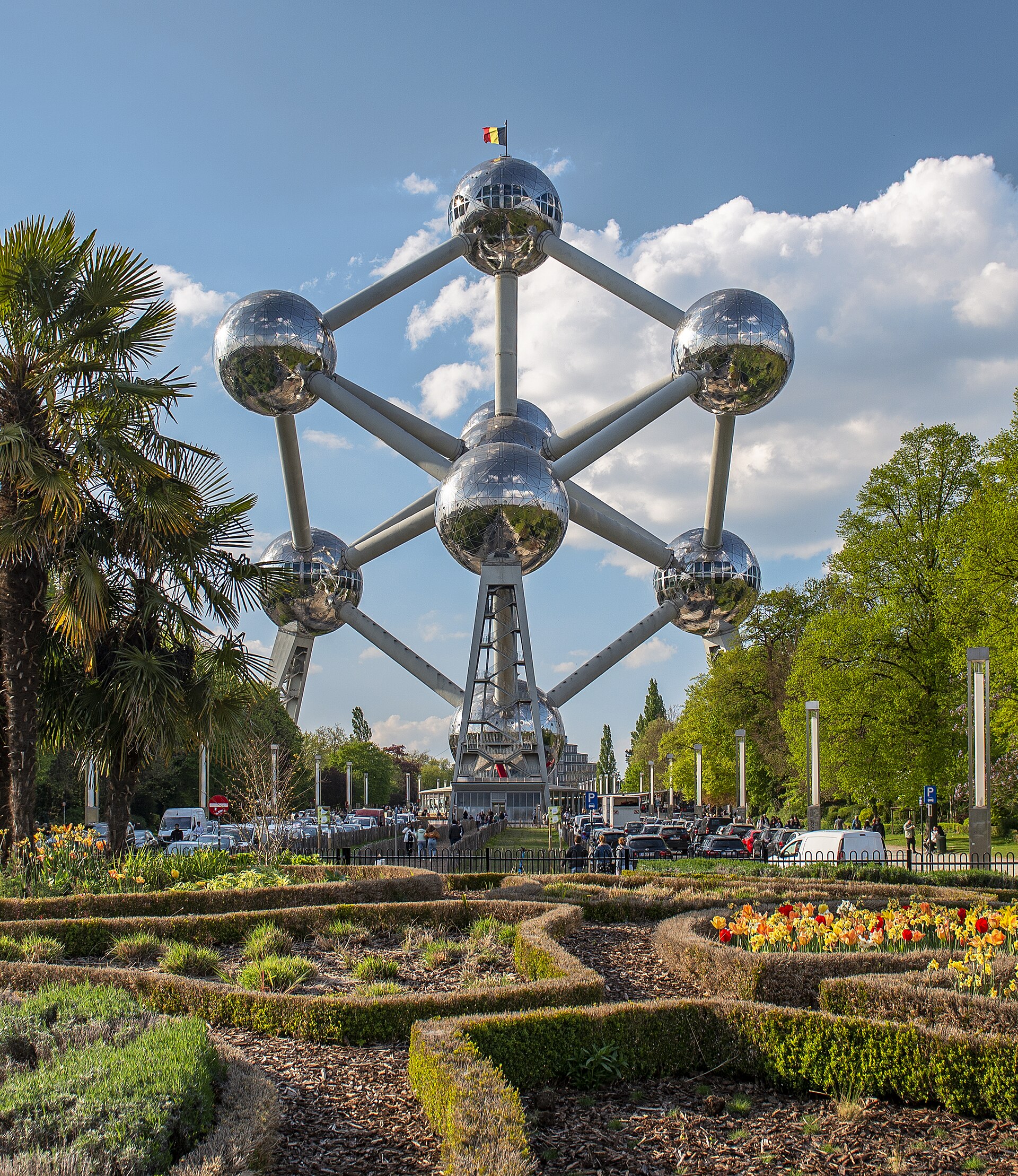
Atomium
POICenterpiece of the 1958 World Expo, symbolizing postwar optimism, scientific progress, and Belgium’s embrace of modernity through its iconic atomic-era design.
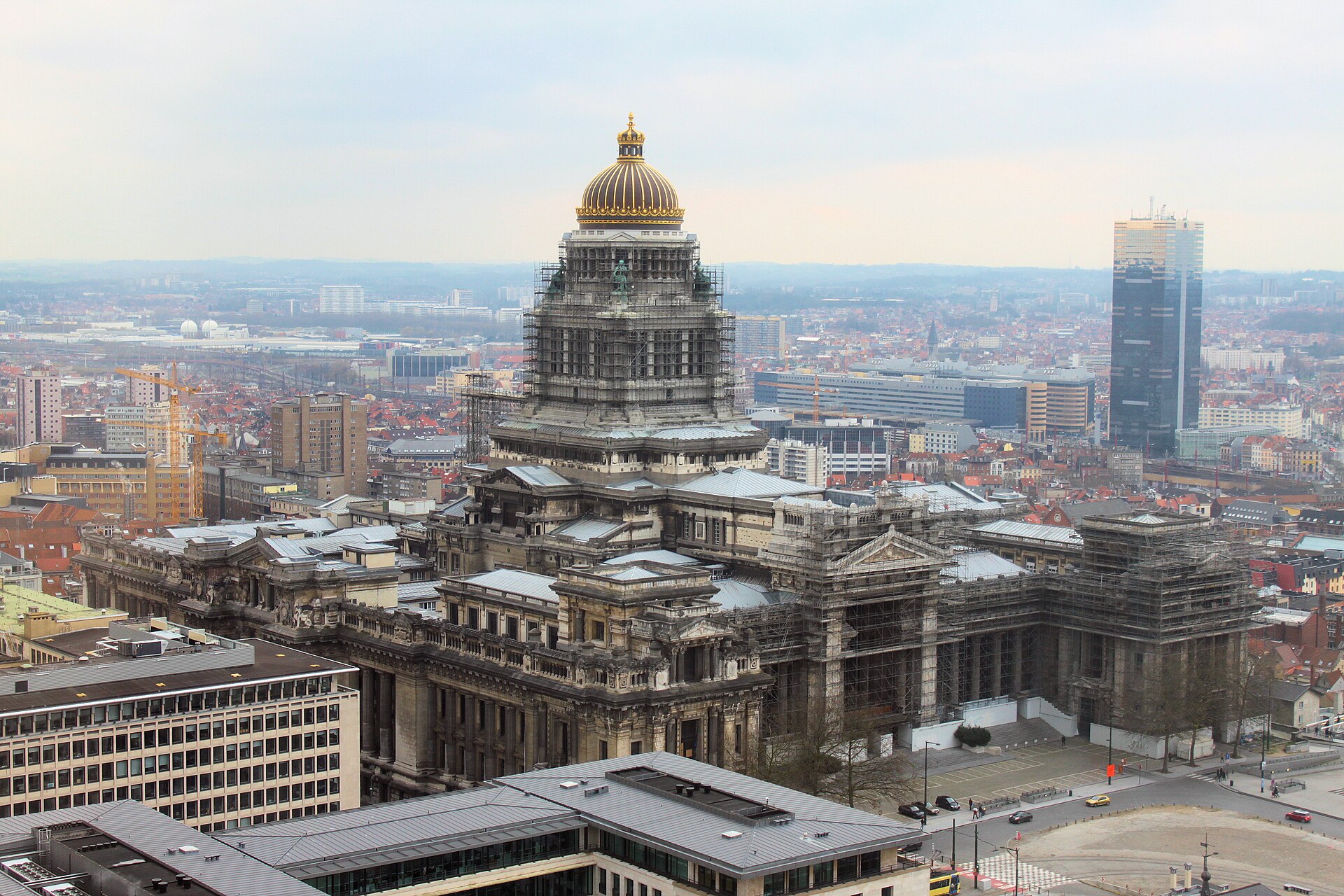
Palace of Justice of Brussels
POINineteenth-century judicial headquarters occupying 26,000 square meters with eight courtyards and a 104-meter dome, containing 27 large courtrooms and 245 smaller rooms utilized for the administration of the Belgian legal system.
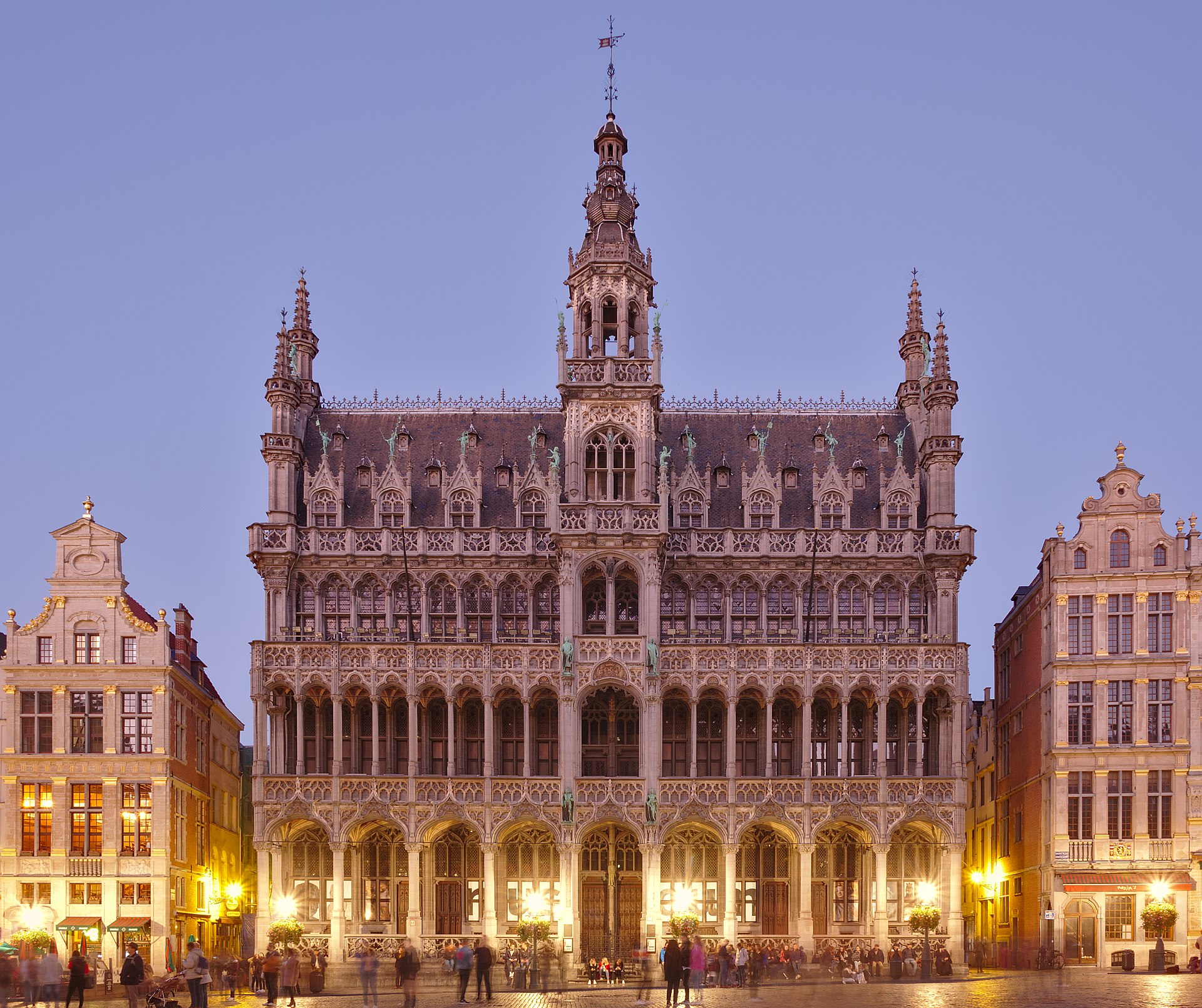
Brussels City Museum
POINeo-Gothic edifice housing 7,000 artifacts, including the original 15th-century stone statues from the Town Hall and a collection of 1,000 distinct costumes belonging to the Manneken Pis statue.

Mini-Europe
POIMiniature park that has reproductions of monuments in the European Union and other countries within the continent of Europe on display, at a scale of 1:25. Roughly 80 cities and 350 buildings are represented.
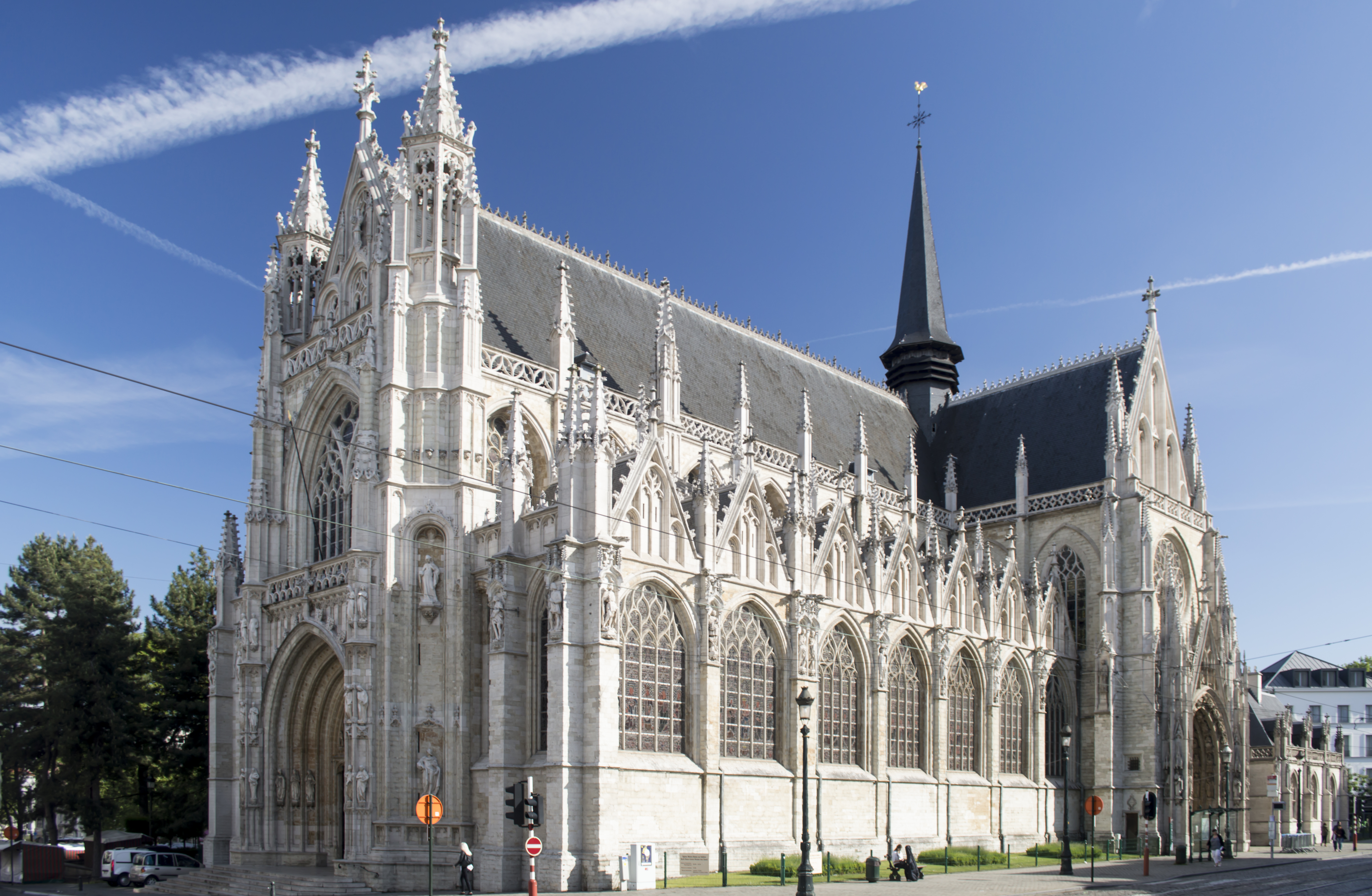
Church of Our Lady of Victories at the Sablon
POIGothic structure featuring 15-meter stained glass windows and two baroque funerary chapels housing the remains of the Thurn und Taxis family, the founders of the international postal service.
Sources & Further Reading
- [1]Brussels: A Cultural and Literary History — André de Vries. Signal Books (2003)
- [2]A History of Modern Belgium — Martin Conway. Cambridge University Press (2012)
- [3]Brussels and Europe: The Positioning of a Capital. European Commission (2018)