
Brugge
Brugge (Bruges) is a historic city in northwestern Belgium and the capital of West Flanders, known for its well-preserved medieval architecture, canals, and role as a major commercial hub in northern Europe during the Middle Ages. Founded in the early medieval period, Brugge developed into a leading center of trade, particularly through its connection to the Hanseatic League and its access to the North Sea via the Zwin channel. Today, Brugge is recognized as a UNESCO World Heritage Site, reflecting its exceptional preservation and cultural significance. While tourism plays a central role in its modern economy, the city also maintains regional administrative functions and a strong cultural identity rooted in Flemish traditions.
Early Development
9th-11th centuriesBrugge originated as a fortified settlement during the early Middle Ages, benefiting from its strategic location near the North Sea. It grew steadily as a trading post, supported by access to the Zwin estuary, which connected the city to maritime routes.
Medieval Golden Age
12th-15th centuriesBrugge became one of the most important commercial cities in Europe, serving as a key center for trade in textiles, banking, and international commerce. Merchants from across Europe, including members of the Hanseatic League, established trading houses in the city, contributing to its economic and cultural prosperity.
Decline and Economic Shift
16th-18th centuriesThe silting of the Zwin channel gradually reduced Brugge’s access to the sea, leading to a decline in its commercial importance. Trade activity shifted to nearby Antwerp, and Brugge entered a period of relative economic stagnation while retaining its historical infrastructure.
Modern Revival and Preservation
19th-21st centuriesInterest in Brugge’s medieval heritage grew in the 19th century, leading to restoration efforts and renewed cultural significance. In the 20th century, tourism became a major economic driver, and the historic city center was designated a UNESCO World Heritage Site in 2000.
Notable POIs in Brugge
6 listed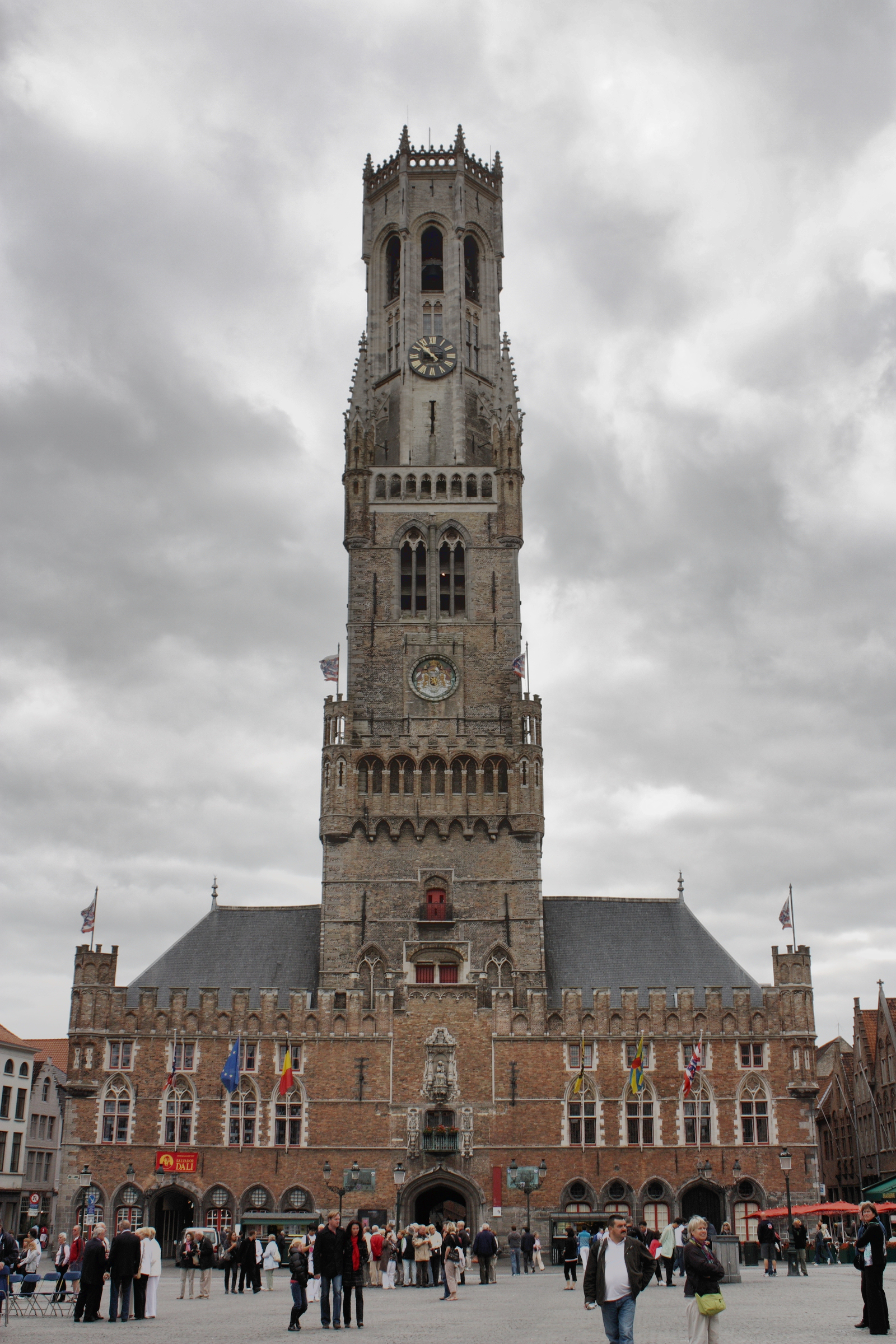
Belfry of Bruges
POICivic bell tower standing 83 meters tall, containing a 47-bell carillon that has signaled municipal regulations and time for seven centuries and featuring a treasury that once housed the city's medieval charters and seal.
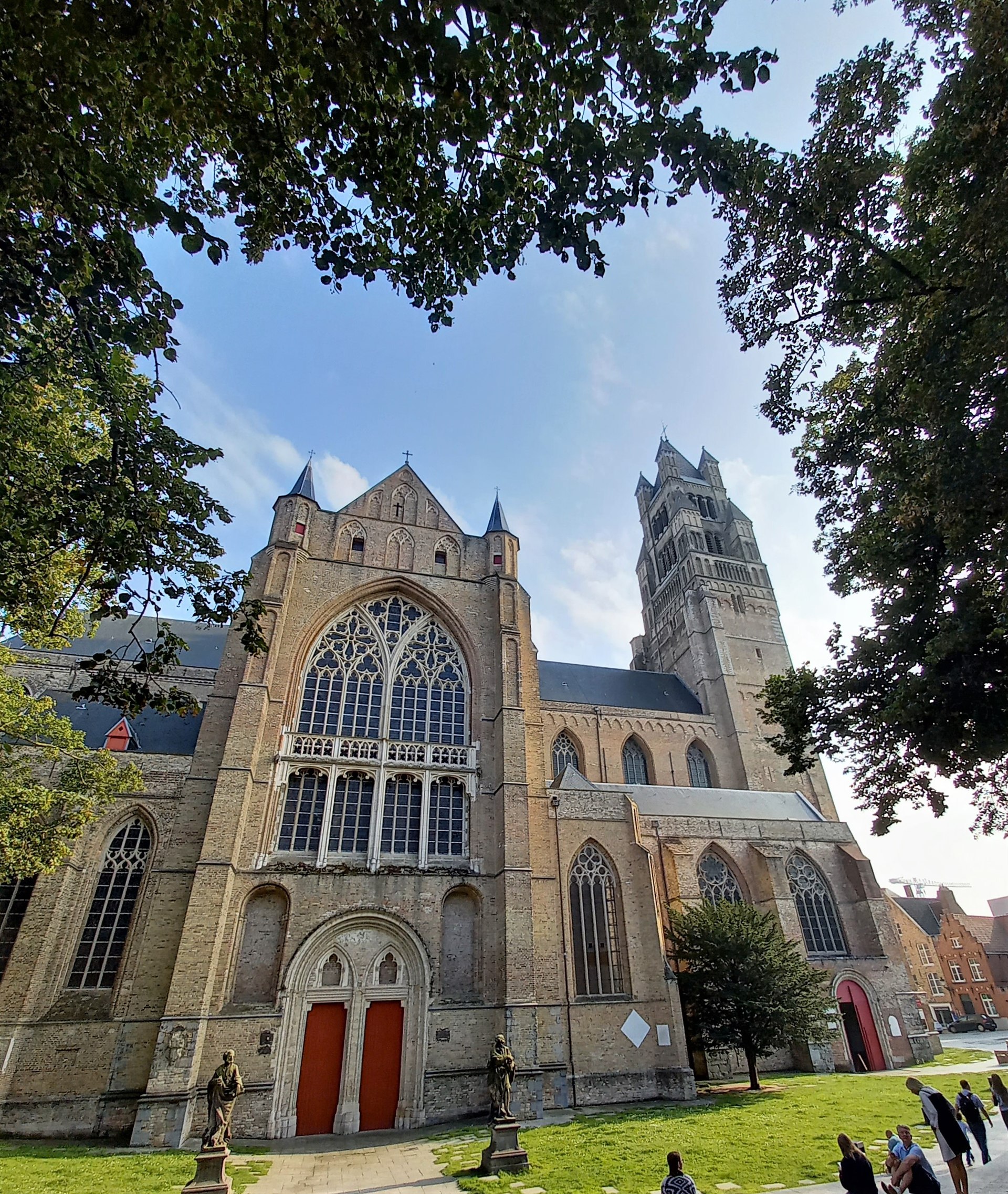
St. Salvator's Cathedral
POI13th century religious structure serving as the oldest parish church in the city, containing 17th-century Brussels tapestries and 14th-century choir stalls that house the heraldic coats of arms for the Knights of the Golden Fleece.
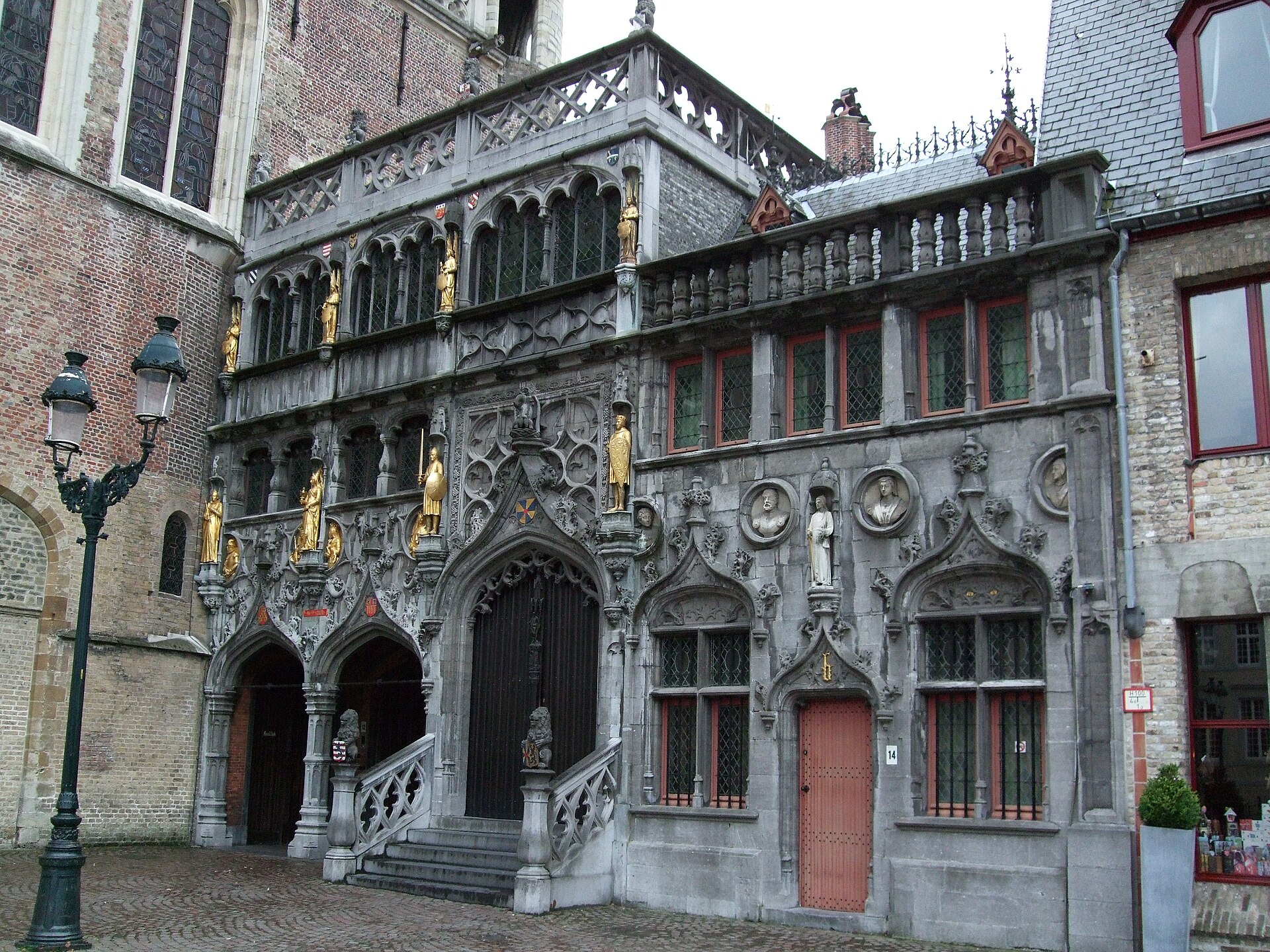
Basilica of the Holy Blood
POIDouble chapel consisting of a Romanesque lower level and a Gothic upper level that houses a crystal phial containing a cloth relic documented since 1150 as being stained with the blood of Jesus Christ.
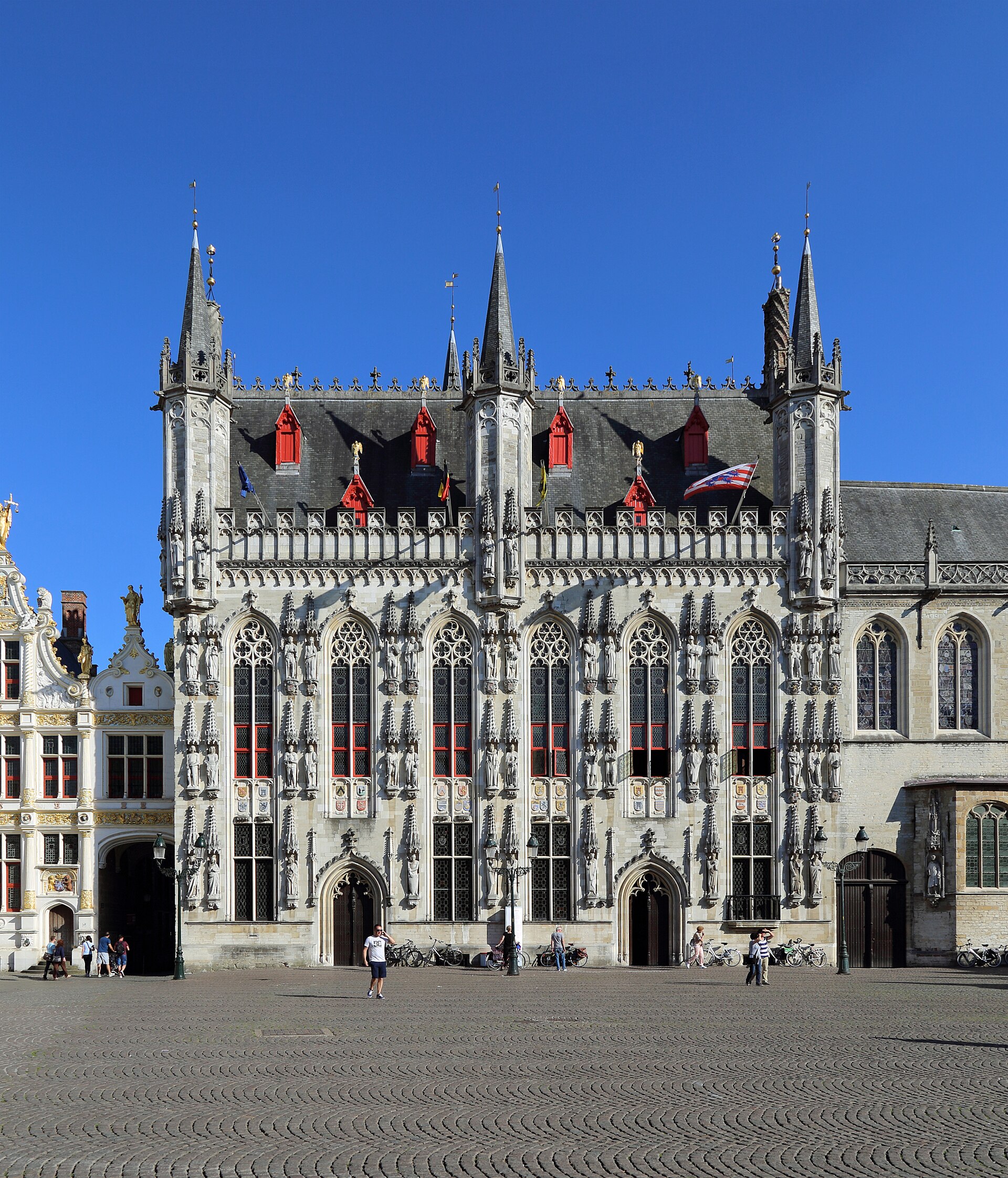
Bruges City Hall
POICivic building featuring a Gothic hall with a 19th-century vaulted wooden ceiling and a series of murals that depict the history of the city's municipal administration.
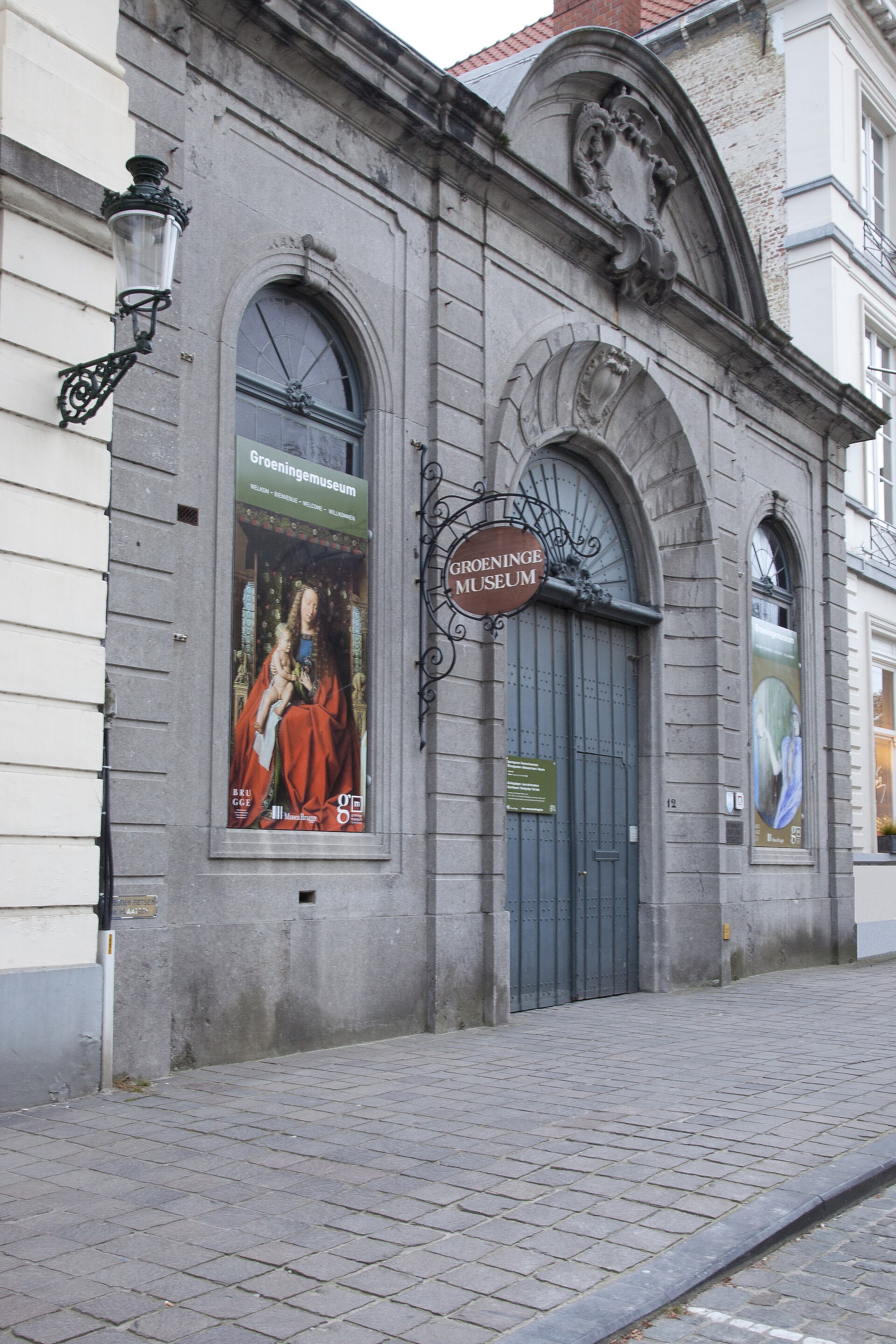
Groeningemuseum
POIFine arts museum housing a collection of six centuries of Flemish and Belgian paintings, including world-renowned 15th-century masterpieces by Jan van Eyck and Hans Memling alongside works of 18th-century neoclassicism and 20th-century expressionism.
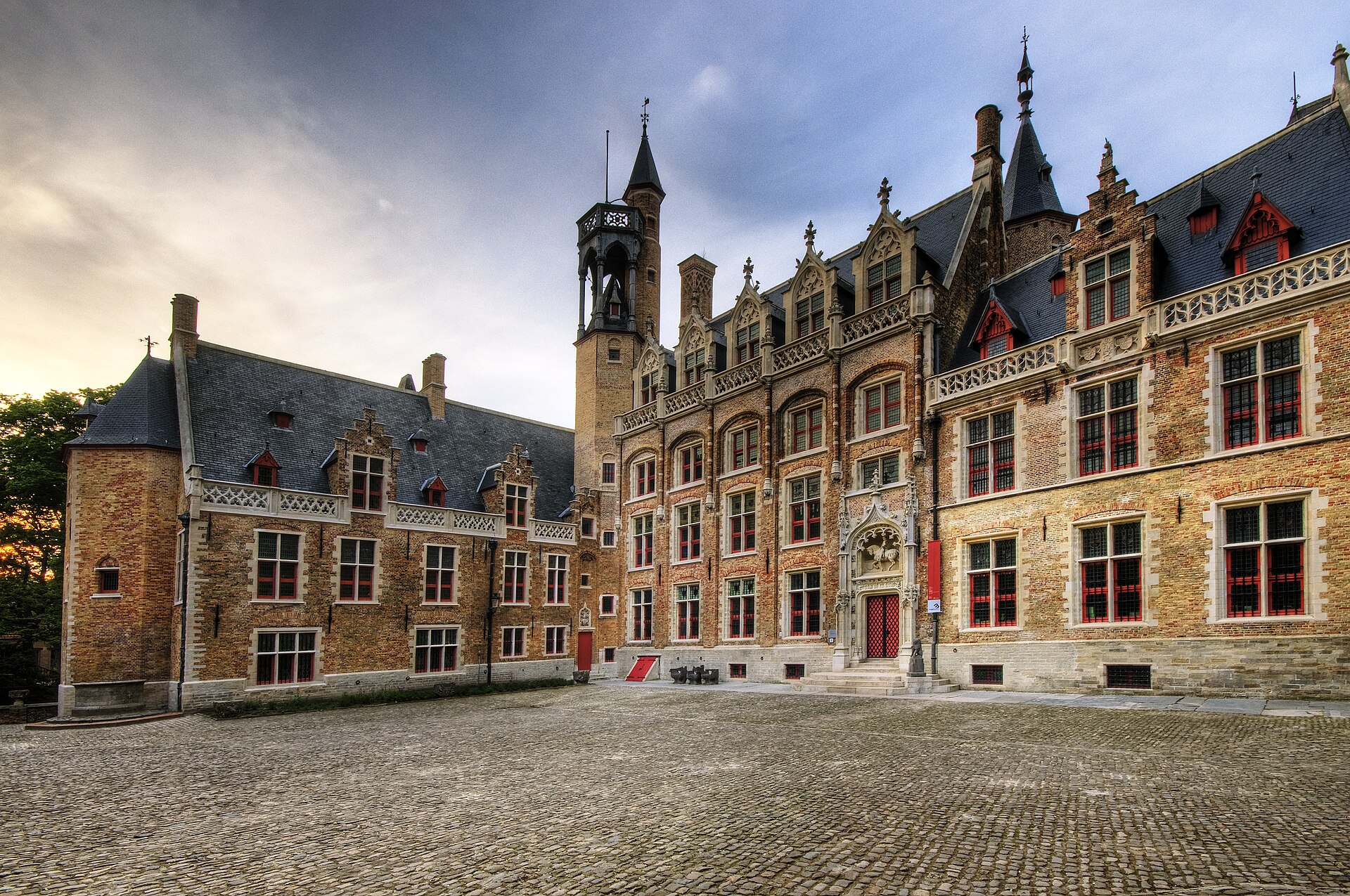
Gruuthusemuseum
POIHistorical residence of the Lords of Gruuthuse containing 600 artifacts from five centuries of municipal history, featuring a 15th-century private oratory that connects directly to the choir of the neighboring Church of Our Lady.
Sources & Further Reading
- [1]Bruges: A Cultural History — Andrew McClellan. Oxford University Press (2008)
- [2]The Burgundian Netherlands — Wim Blockmans. Cambridge University Press (1999)
- [3]