Washington D.C.,United States of America
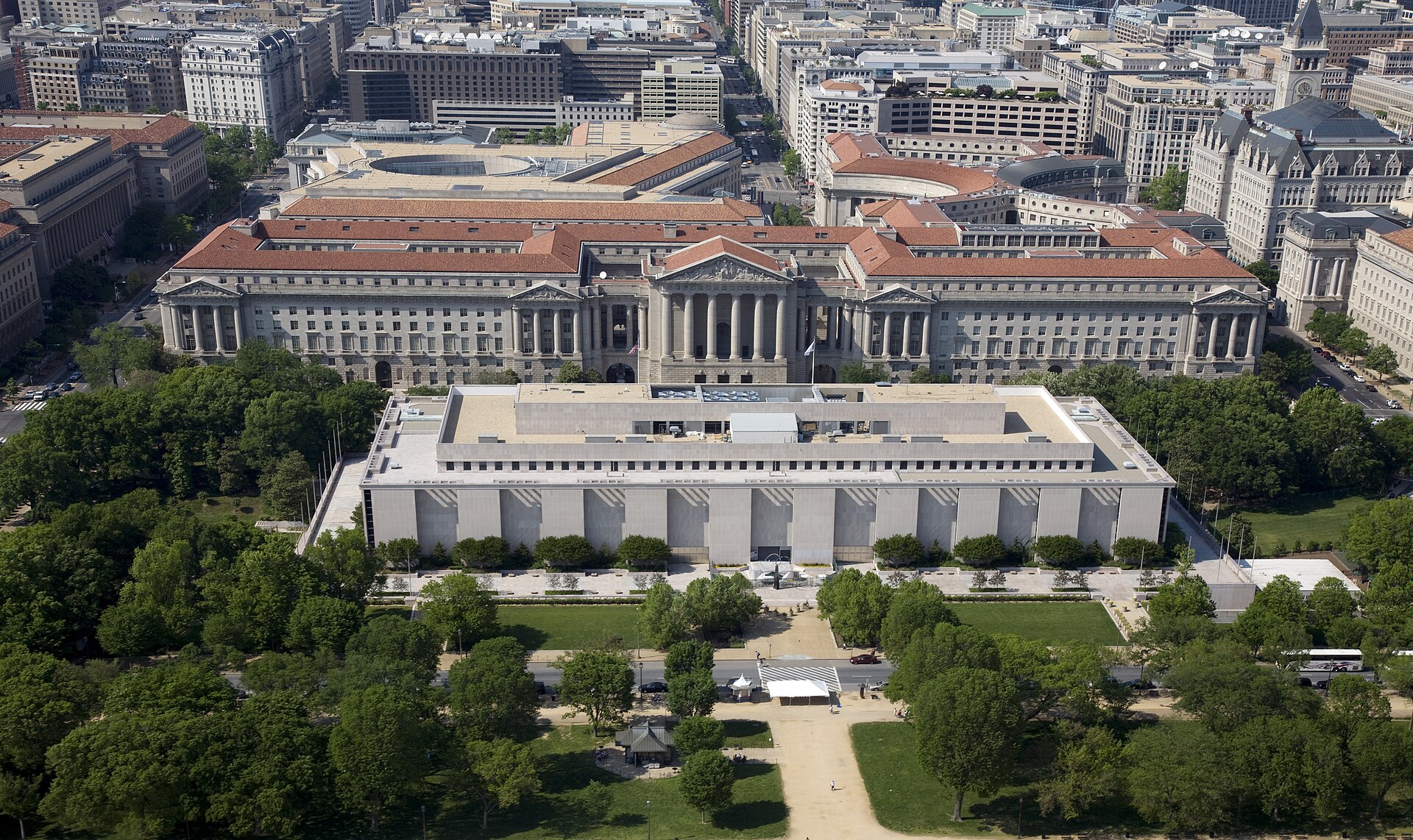
Smithsonian National Museum of American History
The National Museum of American History is a major institution within the Smithsonian Institution complex, located on the National Mall in Washington, D.C. It is dedicated to the collection, preservation, and exhibition of artifacts that document the social, political, cultural, scientific, and military history of the United States. The museum's vast holdings include over three million objects, ranging from the original Star-Spangled Banner to personal items of historical figures and significant technological innovations.
Designed by the architectural firm McKim, Mead & White, the building opened to the public in 1964 as the Museum of History and Technology. It underwent a major renovation in the early 21st century to modernize its galleries and improve visitor circulation. Today, it serves as a primary repository for American national identity, offering a comprehensive look at the diverse experiences that have shaped the nation's development.
Key Facts
- Materials
- Tennessee marble, Glass, Steel
- Civilization
- United States
- Accessibility
- Fully wheelchair accessible with elevators and accessible restrooms
- Date(s)
- 1962-1964
- Condition
- Active, well-maintained
- Original Function
- Museum of History and Technology
- Key Figures
- James Smithson, Frank A. Taylor
Establishment and Design
1955-1964The museum was authorized by Congress in 1955 to house the growing national collections. Construction began in 1962, and the building opened in 1964 as the Museum of History and Technology, reflecting the era's focus on industrial progress.
Renaming and Refocusing
1980In 1980, the institution was officially renamed the National Museum of American History to better reflect its broader mission of documenting the social and cultural history of the American people beyond just technological achievements.
Modernization and Renovation
2008-2015The museum underwent a significant multi-year renovation, which included the creation of a new central atrium, updated exhibition spaces, and the installation of a permanent home for the Star-Spangled Banner in a climate-controlled chamber.
Cultural Significance
The museum serves as the primary national repository for artifacts that define the American narrative. It plays a critical role in public history, providing a space where citizens and international visitors can engage with the complexities of the American experience, including both triumphs and difficult historical realities.
Interpretive Notes
Scholarly debates and areas of uncertainty
Debates often center on the museum's role in representing diverse and sometimes conflicting historical narratives. Curators frequently engage in scholarly discourse regarding how to balance traditional patriotic themes with critical perspectives on social justice, labor history, and the experiences of marginalized communities.
Visiting Information
Entry Rules
Open daily. Admission is free. Visitors must pass through security screening upon entry. Large bags and backpacks are subject to inspection.
Best Times to Visit
Weekday mornings are generally less crowded. The museum is busiest during summer months and school holidays.
Photography
Personal photography is permitted in most galleries. Flash and tripods are prohibited. Commercial photography requires prior authorization.
Preservation Notes
Do not touch artifacts or display cases. Maintain a respectful volume in gallery spaces. Food and drink are restricted to designated areas.
Nearby POIs
11 shown- National Museum of African American History and Culture0.2 km
- Smithsonian National Museum of Natural History0.4 km
- Washington Monument0.5 km
- National Archives Building0.6 km
- National Gallery of Art0.9 km
- International Spy Museum0.9 km
- White House0.9 km
- Smithsonian National Air and Space Museum0.9 km
- National Museum of the American Indian1.2 km
- Jefferson Memorial1.2 km
- Martin Luther King Jr. Memorial1.4 km
Key Facts
- Materials
- Tennessee marble, Glass, Steel
- Civilization
- United States
- Accessibility
- Fully wheelchair accessible with elevators and accessible restrooms
- Date(s)
- 1962-1964
- Condition
- Active, well-maintained
- Original Function
- Museum of History and Technology
- Key Figures
- James Smithson, Frank A. Taylor
Nearby POIs
11 shown- National Museum of African American History and Culture0.2 km
- Smithsonian National Museum of Natural History0.4 km
- Washington Monument0.5 km
- National Archives Building0.6 km
- National Gallery of Art0.9 km
- International Spy Museum0.9 km
- White House0.9 km
- Smithsonian National Air and Space Museum0.9 km
- National Museum of the American Indian1.2 km
- Jefferson Memorial1.2 km
- Martin Luther King Jr. Memorial1.4 km