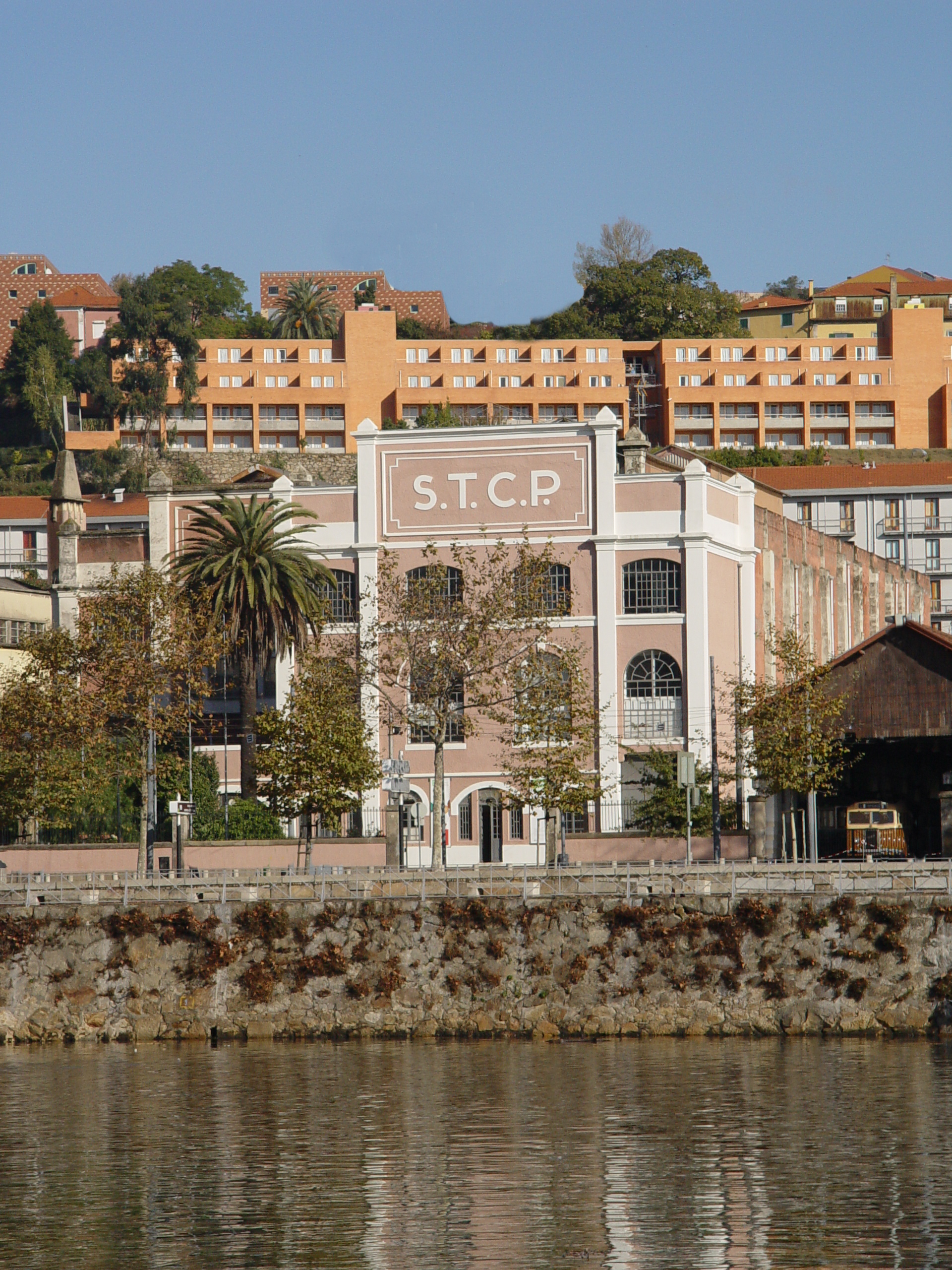
The Porto Tram Museum (Museu do Carro Eléctrico) is housed within the former Massarelos thermoelectric power station, a significant industrial building located on the banks of the Douro River. The museum preserves the history of electric tram transport in Porto, which began operations in 1895 and served as the city's primary public transit network for decades.
The collection features an extensive array of rolling stock, including 16 electric tramcars, five trailers, and two specialized maintenance vehicles. Beyond the vehicles, the museum maintains the original power plant equipment, providing insight into the early 20th-century industrial infrastructure that powered the city's transit system.
Key Facts
- Materials
- Brick, Steel, Iron
- Civilization
- Portuguese
- Accessibility
- Wheelchair accessible
- Date(s)
- 1915
- Condition
- Restored and active as a museum
- Original Function
- Thermoelectric power station
- Key Figures
- Emílio Biel
Industrial Origins
1915The building was originally constructed as the Massarelos thermoelectric power station to supply electricity to the growing network of electric trams in Porto, replacing the earlier horse-drawn carriages.
Transition to Museum
1992Following the decommissioning of the power station, the site was repurposed to house the city's historical tram collection, officially opening as the Museu do Carro Eléctrico to preserve the heritage of urban mobility.
Modern Preservation
21st CenturyThe museum continues to serve as a center for transport history, maintaining both the static collection and supporting the restoration of vintage trams that occasionally operate on the city's remaining heritage lines.
Cultural Significance
The museum serves as a vital link to Porto's industrial past, documenting the evolution of urban transit that shaped the city's layout and social connectivity. It is a focal point for local heritage, celebrating the engineering ingenuity of the late 19th and early 20th centuries.
Visiting Information
Entry Rules
Open Tuesday to Sunday. Tickets can be purchased at the entrance. Visitors are requested to refrain from touching the historical vehicles unless otherwise indicated.
Best Times to Visit
Weekday mornings to avoid weekend tourist traffic.
Photography
Personal photography is permitted. Commercial photography requires prior authorization from the museum administration.
Preservation Notes
Maintain distance from the original power plant machinery and follow marked paths to ensure the preservation of the historical artifacts.
Nearby POIs
11 shownSources & Further Reading
- [1]Museu do Carro Eléctrico Official Site — STCP. Sociedade de Transportes Colectivos do Porto (2023)View
- [2]Porto: A History of Urban Transport — Manuel de Sousa. Porto Heritage Press (2015)
Key Facts
- Materials
- Brick, Steel, Iron
- Civilization
- Portuguese
- Accessibility
- Wheelchair accessible
- Date(s)
- 1915
- Condition
- Restored and active as a museum
- Original Function
- Thermoelectric power station
- Key Figures
- Emílio Biel