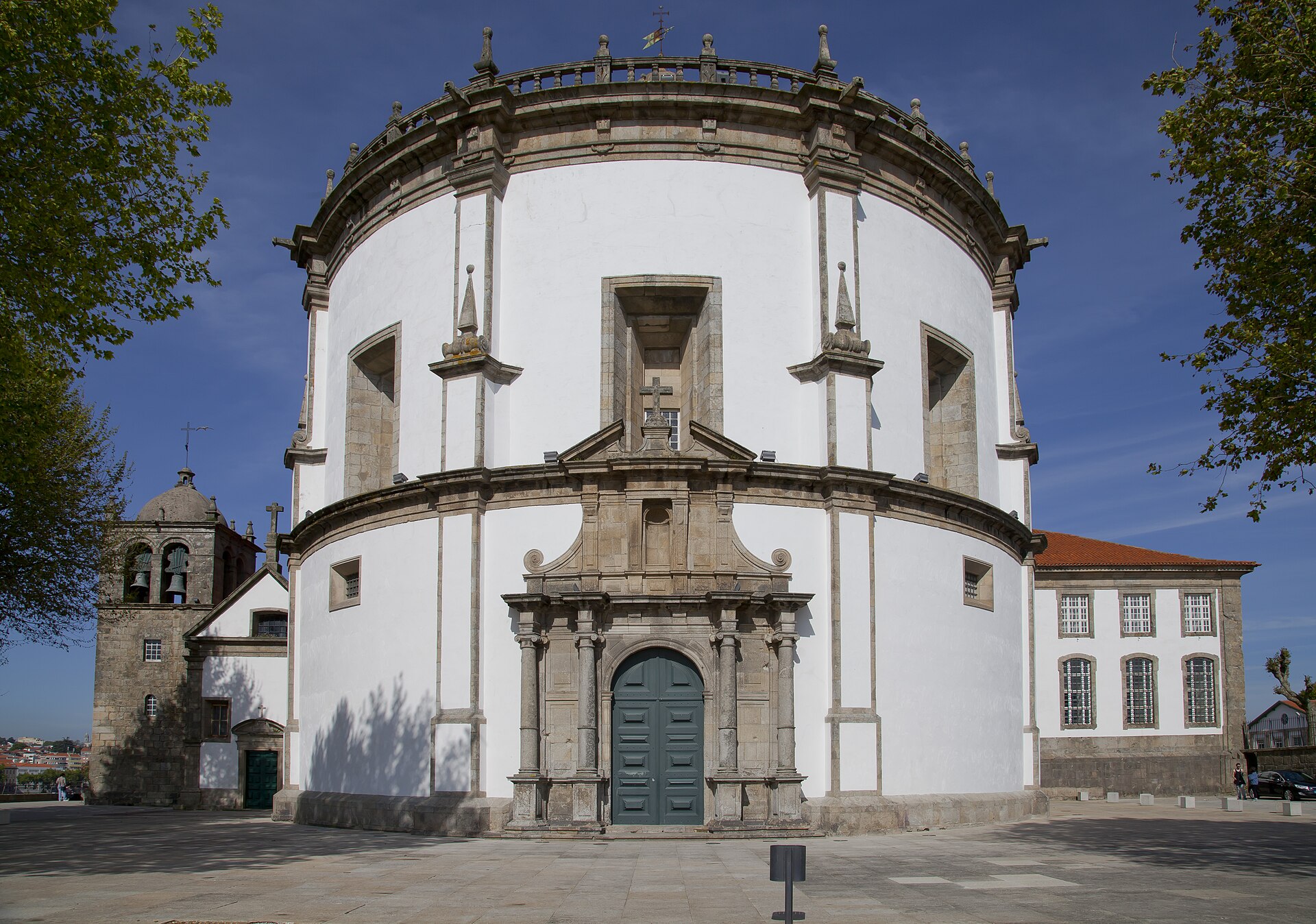
The Monastery of Serra do Pilar is located in Vila Nova de Gaia, overlooking the Douro River and the city of Porto. Construction began in 1538 under the order of the Augustinian Canons, replacing an earlier medieval chapel. The site is renowned for its unique circular church and cloister, which reflect the architectural influence of the Italian Renaissance on Portuguese religious design.
Beyond its religious history, the monastery served as a critical defensive stronghold during the Liberal Wars in the 19th century. Its strategic position on the high ground of the Serra do Pilar allowed it to command the river crossing, making it a focal point of the Siege of Porto. Today, the site is recognized as part of the UNESCO World Heritage designation for the historic center of Porto.
Key Facts
- Materials
- Granite, Stone
- Civilization
- Portuguese
- Accessibility
- Accessible via the Dom Luís I Bridge walkway
- Date(s)
- 1538 - 1672
- Condition
- Well-preserved, used for cultural events and tourism
- Original Function
- Monastery
- Key Figures
- King John III, Dom Pedro IV
Founding and Construction
16th CenturyThe monastery was established in 1538 by the Augustinian Canons. The construction of the circular church, inspired by the Church of Santa Maria in Rome, was a significant departure from traditional Portuguese rectangular layouts of the time.
The Liberal Wars
1832-1833During the Siege of Porto, the monastery was fortified by the Liberal forces loyal to Dom Pedro IV. Its elevated position made it the primary defensive bastion against the Absolutist troops, sustaining heavy damage during the conflict.
Modern Era and Preservation
20th Century - PresentFollowing the dissolution of religious orders in Portugal, the site underwent various uses. It was eventually classified as a National Monument and incorporated into the UNESCO World Heritage site of Porto in 1996, undergoing extensive restoration to preserve its architectural integrity.
Cultural Significance
The monastery serves as a symbol of the historical and cultural connection between Porto and Vila Nova de Gaia. Its architectural design remains a subject of study for its rare circular plan in the Iberian Peninsula, while its role in the Liberal Wars cements its status as a landmark of Portuguese constitutional history.
Interpretive Notes
Scholarly debates and areas of uncertainty
There is ongoing academic discussion regarding the exact influence of Italian architectural treatises on the design of the circular church, specifically whether the architect Diogo de Castilho was directly inspired by Serlio's works or if the design evolved from local Romanesque circular traditions.
Visiting Information
Entry Rules
Open Tuesday to Sunday. The church and cloister are accessible to the public; visitors are requested to maintain a respectful demeanor as it is a site of historical and religious heritage.
Best Times to Visit
Late afternoon for sunset views over the Douro River and the city of Porto.
Photography
Personal photography is permitted. Commercial photography requires prior authorization from the local municipal authorities.
Preservation Notes
Visitors are advised to stay within marked areas. The site is subject to ongoing maintenance; some areas of the cloister may occasionally be restricted for conservation work.
Nearby POIs
11 shownSources & Further Reading
- [1]The Monastery of Serra do Pilar: Architecture and History — José Manuel Tedim. Edições Afrontamento (2005)
- [2]Historic Centre of Oporto, Luiz I Bridge and Monastery of Serra do Pilar — UNESCO World Heritage Centre. UNESCO (1996)View
Key Facts
- Materials
- Granite, Stone
- Civilization
- Portuguese
- Accessibility
- Accessible via the Dom Luís I Bridge walkway
- Date(s)
- 1538 - 1672
- Condition
- Well-preserved, used for cultural events and tourism
- Original Function
- Monastery
- Key Figures
- King John III, Dom Pedro IV