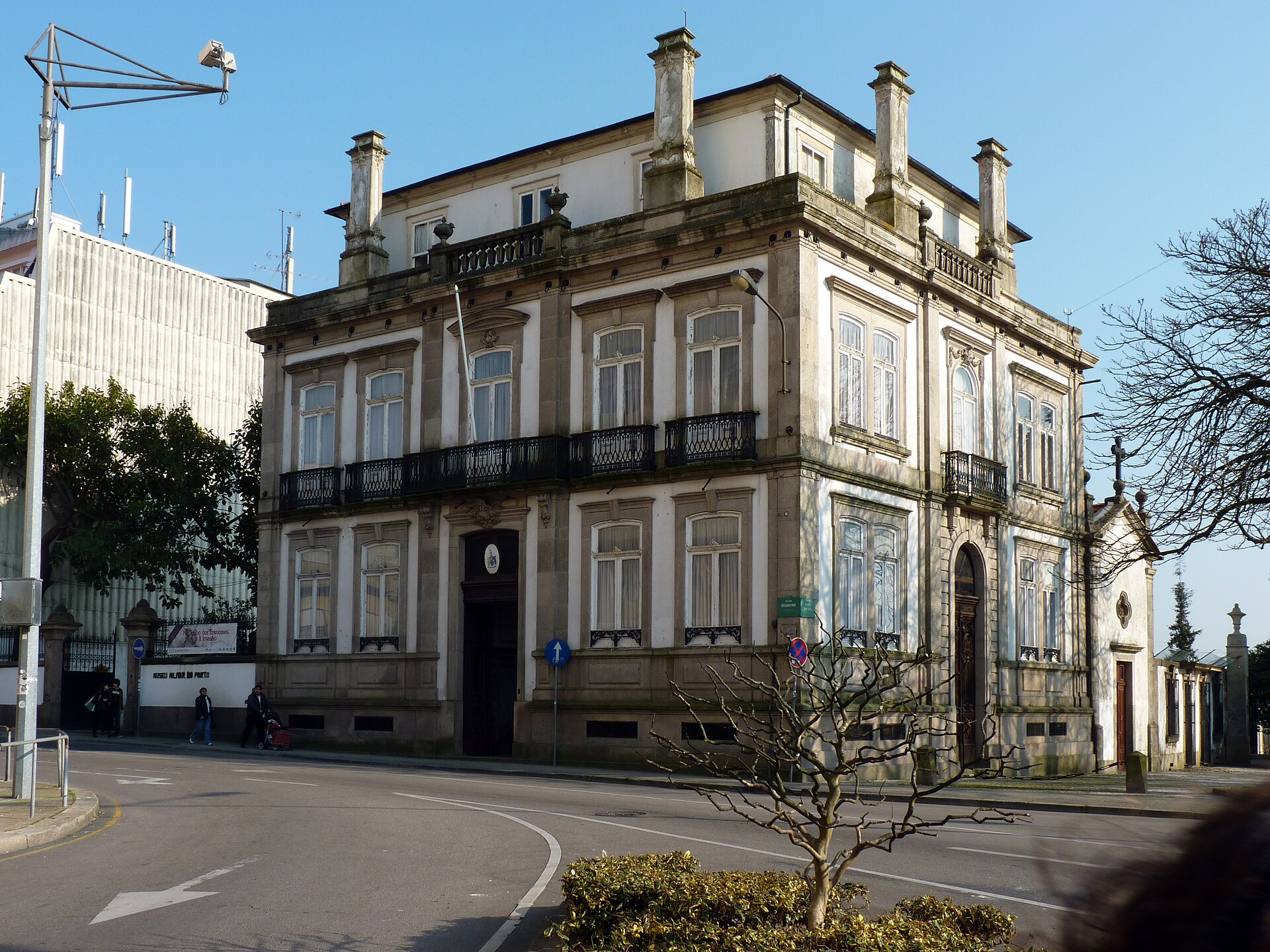
The Museu Militar do Porto is a specialized institution dedicated to the preservation and exhibition of military history, operating under the auspices of the Portuguese Army. Housed in a historic building that once served as the headquarters of the PIDE (the secret police during the Estado Novo regime), the museum offers a comprehensive look at the evolution of military technology, uniforms, and weaponry.
The museum is particularly noted for its extensive collection of miniature figures, which illustrate the development of soldiers and military formations from prehistoric times to the modern era. Through these dioramas and artifact displays, the institution provides a detailed chronological narrative of military life and the history of the Portuguese armed forces.
Key Facts
- Materials
- Stone, Masonry
- Civilization
- Portuguese
- Accessibility
- Limited accessibility due to historic architecture
- Date(s)
- 19th century
- Condition
- Well-preserved, active museum
- Original Function
- Military headquarters
- Key Figures
- Portuguese Army
Building Origins
19th CenturyThe building was originally constructed to serve as a military headquarters in Porto, reflecting the city's strategic importance in the defense of the region.
Political Significance
20th CenturyDuring the Estado Novo regime, the site functioned as the regional headquarters for the PIDE, the Portuguese secret police, making it a site of significant political tension during the 20th century.
Establishment as a Museum
Late 20th CenturyFollowing the transition to democracy in Portugal, the building was repurposed to house the Military Museum, shifting its role from a site of state control to a public institution dedicated to historical education.
Cultural Significance
The museum serves as a repository for the military heritage of Portugal, allowing the public to engage with the history of the armed forces. Its location in a building formerly associated with the PIDE adds a layer of historical complexity, as the site represents both the military history of the nation and the darker chapters of the 20th-century authoritarian regime.
Interpretive Notes
Scholarly debates and areas of uncertainty
There is ongoing discussion regarding the curation of the museum's collection, specifically how to balance the display of military artifacts with the building's controversial history as a center for political repression during the Estado Novo.
Visiting Information
Entry Rules
Open Tuesday to Sunday. Ticket required for entry. Visitors are expected to follow standard museum conduct and respect the historical nature of the exhibits.
Best Times to Visit
Weekday mornings are generally quieter, allowing for a more focused viewing of the miniature collections.
Photography
Photography is generally permitted for personal use, though flash and tripods are prohibited in exhibition rooms.
Preservation Notes
The building is a protected historical structure. Visitors are asked not to touch the displays or the miniature dioramas.
Nearby POIs
11 shownKey Facts
- Materials
- Stone, Masonry
- Civilization
- Portuguese
- Accessibility
- Limited accessibility due to historic architecture
- Date(s)
- 19th century
- Condition
- Well-preserved, active museum
- Original Function
- Military headquarters
- Key Figures
- Portuguese Army