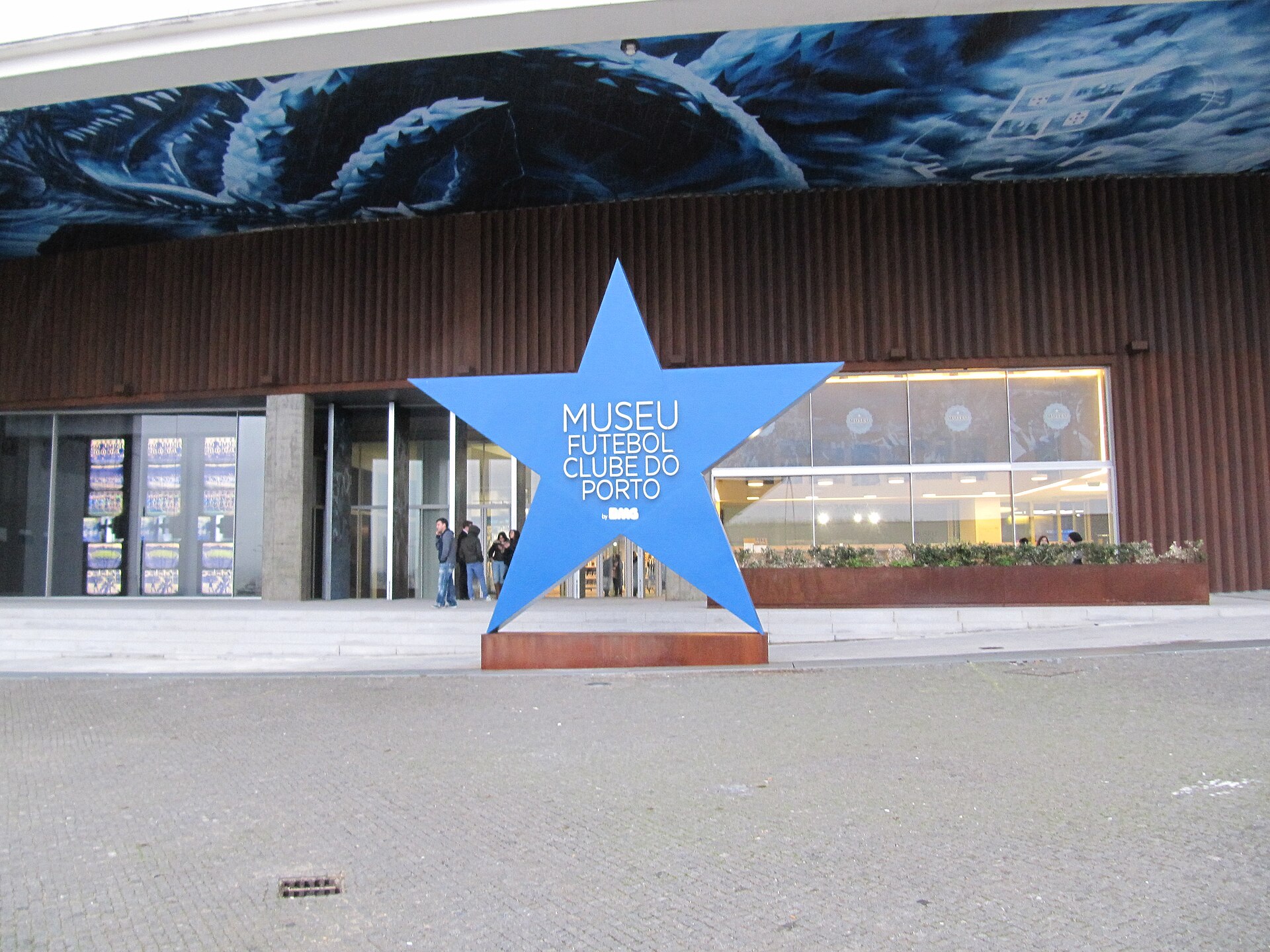
The FC Porto Museum, located within the Estádio do Dragão in Porto, Portugal, is a modern facility dedicated to the history and cultural impact of the Futebol Clube do Porto. Opened in 2013, the museum utilizes advanced interactive technology and immersive exhibits to chronicle the club's evolution since its founding in 1893.
The museum features twenty-seven thematic zones that display the club's extensive collection of trophies, historical memorabilia, and multimedia presentations. It serves as a focal point for the city's sporting heritage, highlighting the club's achievements in both domestic and international football competitions.
Key Facts
- Materials
- Glass, Steel, Concrete
- Civilization
- Portuguese
- Accessibility
- Fully wheelchair accessible
- Date(s)
- 2013
- Condition
- Active and well-maintained
- Original Function
- Sports museum
- Key Figures
- Jorge Nuno Pinto da Costa, José Mourinho
Foundation and Early Years
1893-1920sThe club was founded in 1893 by António Nicolau de Almeida. The early exhibits document the initial development of football in Porto and the club's formative years before the professionalization of the sport.
Expansion and Professionalization
1930s-1980sThis period covers the club's growth into a dominant force in Portuguese football, including the construction of the Estádio das Antas and the establishment of a consistent winning culture.
International Success and Modern Era
1987-PresentThe museum highlights the club's major international triumphs, including the 1987 European Cup and the 2004 UEFA Champions League victory under José Mourinho, leading up to the move to the Estádio do Dragão.
Cultural Significance
The museum is deeply integrated into the identity of Porto, reflecting the club's role as a symbol of regional pride and social cohesion. It serves as a repository for the collective memory of the city's sporting community and attracts visitors interested in the intersection of sports and local history.
Interpretive Notes
Scholarly debates and areas of uncertainty
There is ongoing discussion regarding the role of sports museums in urban regeneration and how clubs curate their own history to shape public perception of their brand and regional influence.
Visiting Information
Entry Rules
Open daily. Tickets can be purchased online or at the museum entrance. Visitors are expected to follow standard museum conduct and respect the exhibits.
Best Times to Visit
Weekdays are generally quieter than weekends, especially outside of match days at the adjacent stadium.
Photography
Personal photography is permitted for non-commercial use. Flash photography is prohibited in certain sensitive exhibit areas.
Preservation Notes
Do not touch the glass display cases or artifacts. Follow all signage regarding interactive equipment usage.
Nearby POIs
11 shownSources & Further Reading
- [1]
- [2]The Architecture of Sport: Estádio do Dragão — Manuel Mendes. Journal of Portuguese Architecture (2015)
Key Facts
- Materials
- Glass, Steel, Concrete
- Civilization
- Portuguese
- Accessibility
- Fully wheelchair accessible
- Date(s)
- 2013
- Condition
- Active and well-maintained
- Original Function
- Sports museum
- Key Figures
- Jorge Nuno Pinto da Costa, José Mourinho