
Country Wiki
Spain
Spain is a country in southwestern Europe occupying most of the Iberian Peninsula, bordered by Portugal to the west, France and Andorra to the northeast, and the Mediterranean Sea to the east and south. Its territory also includes the Balearic Islands in the Mediterranean, the Canary Islands in the Atlantic Ocean, and enclaves in North Africa. Spain’s diverse geography ranges from coastal plains to mountain ranges such as the Pyrenees and the Sierra Nevada. Modern Spain is a parliamentary constitutional monarchy with a decentralized political system composed of autonomous communities. It has a rich cultural heritage shaped by a long history of diverse civilizations, including Roman, Visigothic, Islamic, and Christian influences. Today, Spain is a major European country known for its cultural contributions, global historical impact, and significant role in international affairs.
Pre-Roman and Roman Hispania
Prehistory – 5th century CEThe Iberian Peninsula was inhabited by various indigenous groups before becoming part of the Roman Empire as Hispania. Roman rule brought urbanization, infrastructure, and Latin language influences that shaped the region’s cultural development.
Visigothic and Islamic Rule
5th–15th centuriesAfter the fall of the Roman Empire, the Visigoths established a kingdom in Iberia. In 711, Muslim forces conquered much of the peninsula, creating Al-Andalus, a center of cultural and scientific advancement. Christian kingdoms in the north gradually expanded southward during the Reconquista.
Unification and Global Empire
15th–17th centuriesThe marriage of Ferdinand II of Aragon and Isabella I of Castile unified Spain and completed the Reconquista in 1492. That same year marked the beginning of Spain’s global empire following Christopher Columbus’s voyage, leading to extensive colonization in the Americas and beyond.
Decline and Transformation
17th–19th centuriesSpain’s dominance declined due to economic difficulties, military conflicts, and the loss of territories. The Napoleonic Wars and subsequent political instability led to the eventual loss of most overseas colonies in the 19th century.
Modern Spain
20th century–presentSpain experienced a civil war from 1936 to 1939, resulting in the dictatorship of Francisco Franco. After his death in 1975, the country transitioned to democracy and adopted a constitution in 1978. Spain joined the European Union in 1986 and has since developed into a modern, democratic state.
Major Cities
6 listed
Notable POIs
10 listed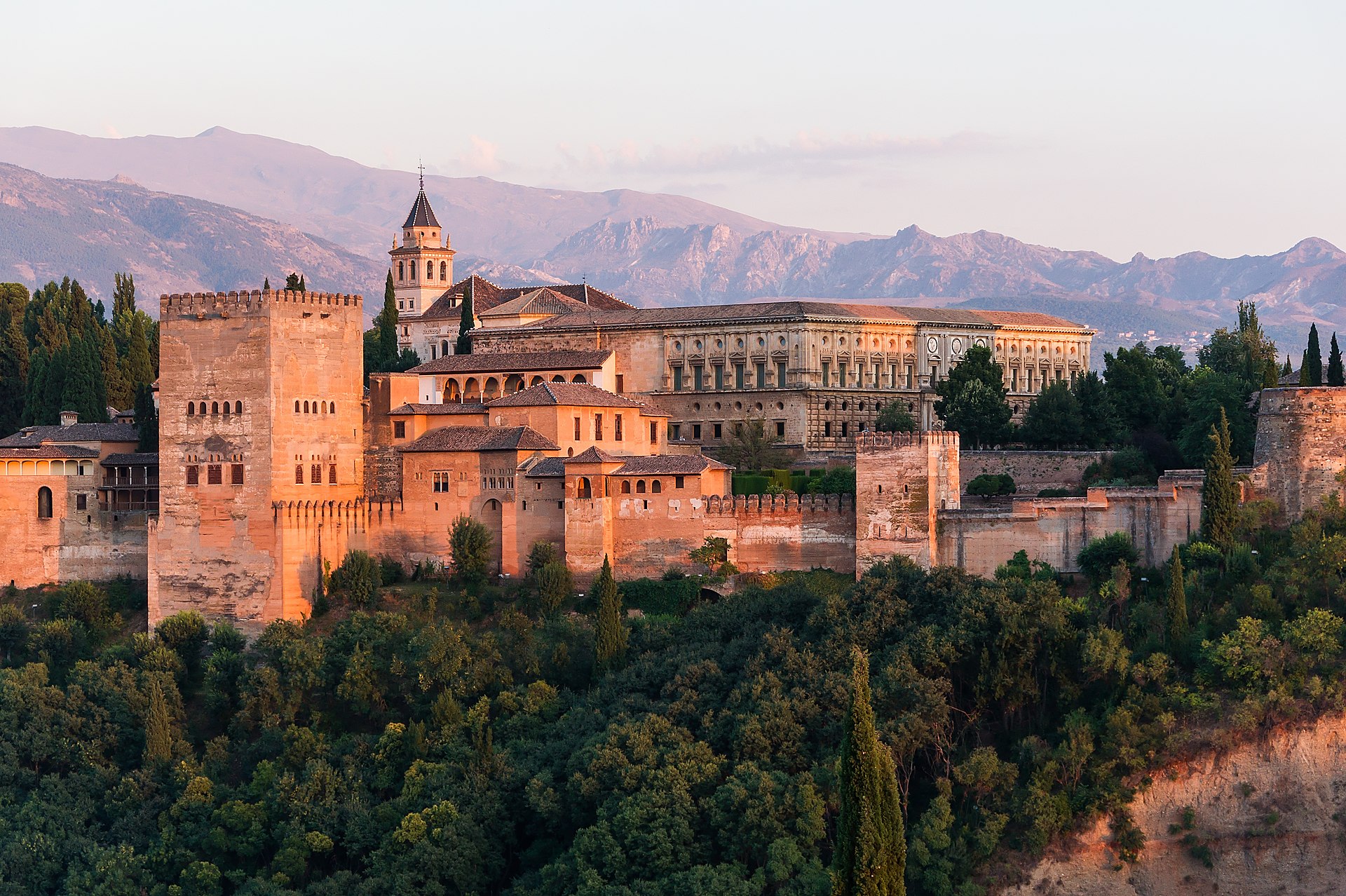
Alhambra
POIOne of the best-preserved palaces of the historic Islamic world, and the most visited monument in Spain.
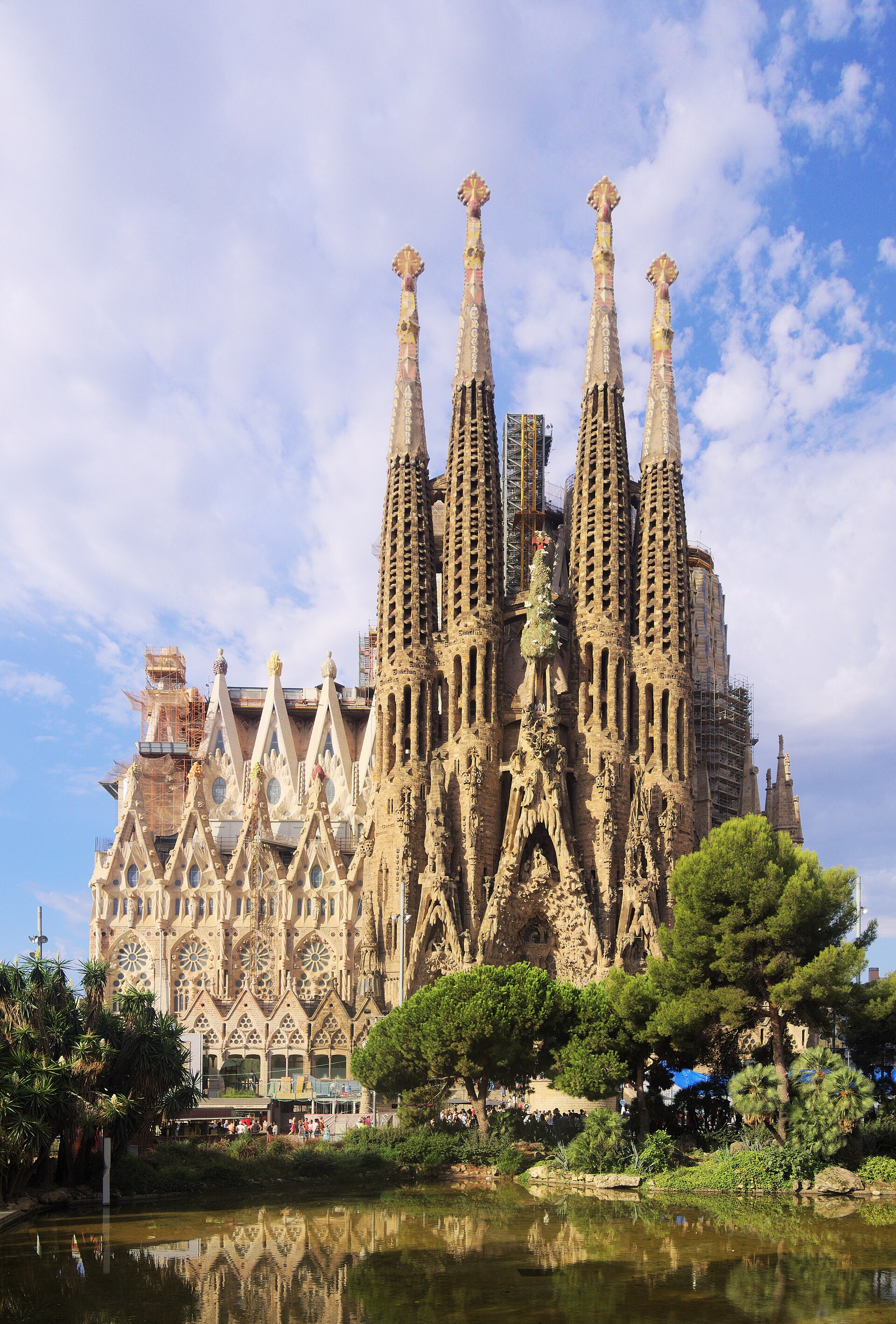
Basilica de la Sagrada Familia
POILargest unfinished Catholic church reaching one hundred seventy-two meters in height, designed to symbolize the twelve apostles and four evangelists.
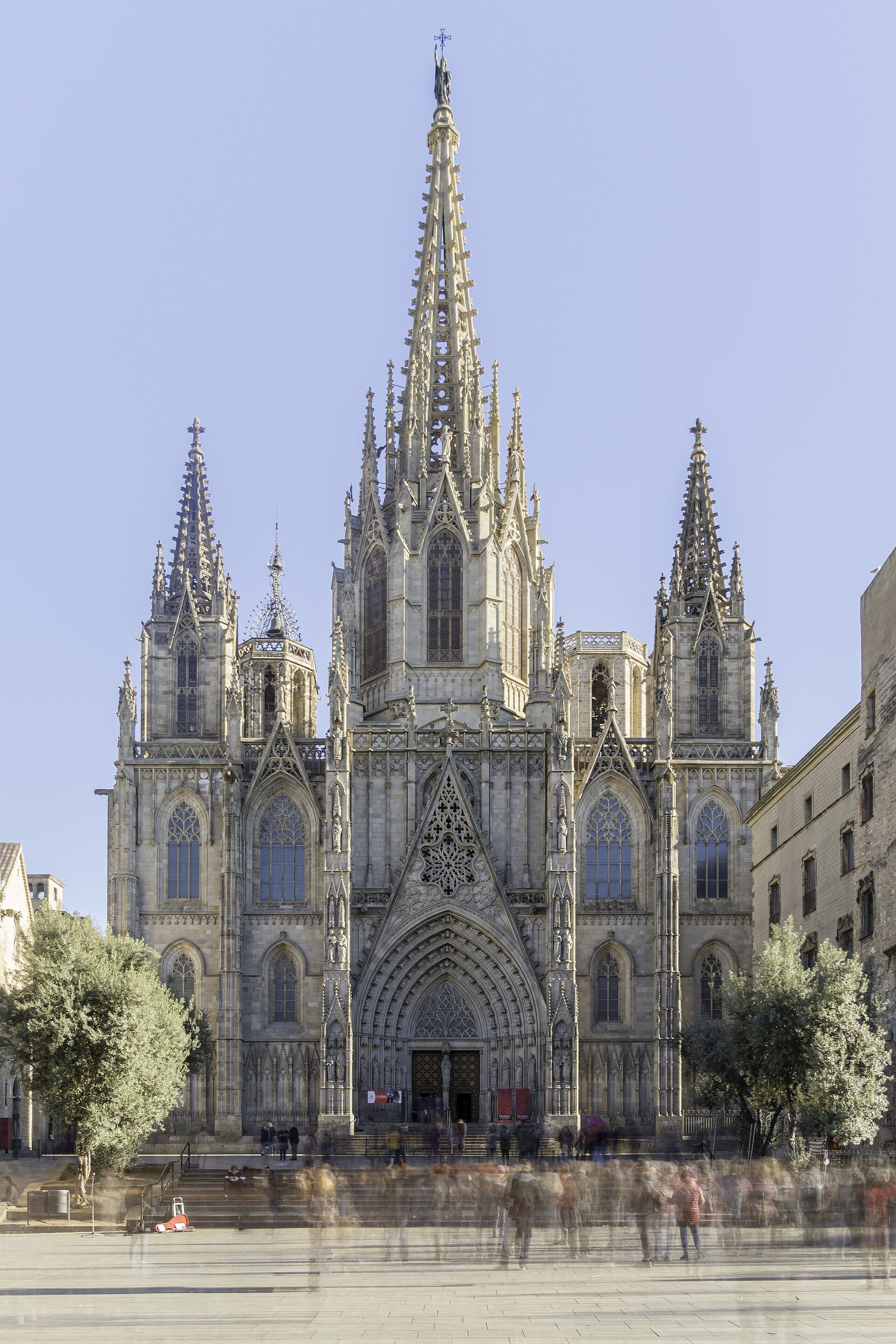
Cathedral of the Holy Cross and Saint Eulalia
POIGothic Cathedral that acts as the seat of the Barcelona Archbishop and housing the remains of thirteen-year-old martyr eulalia.
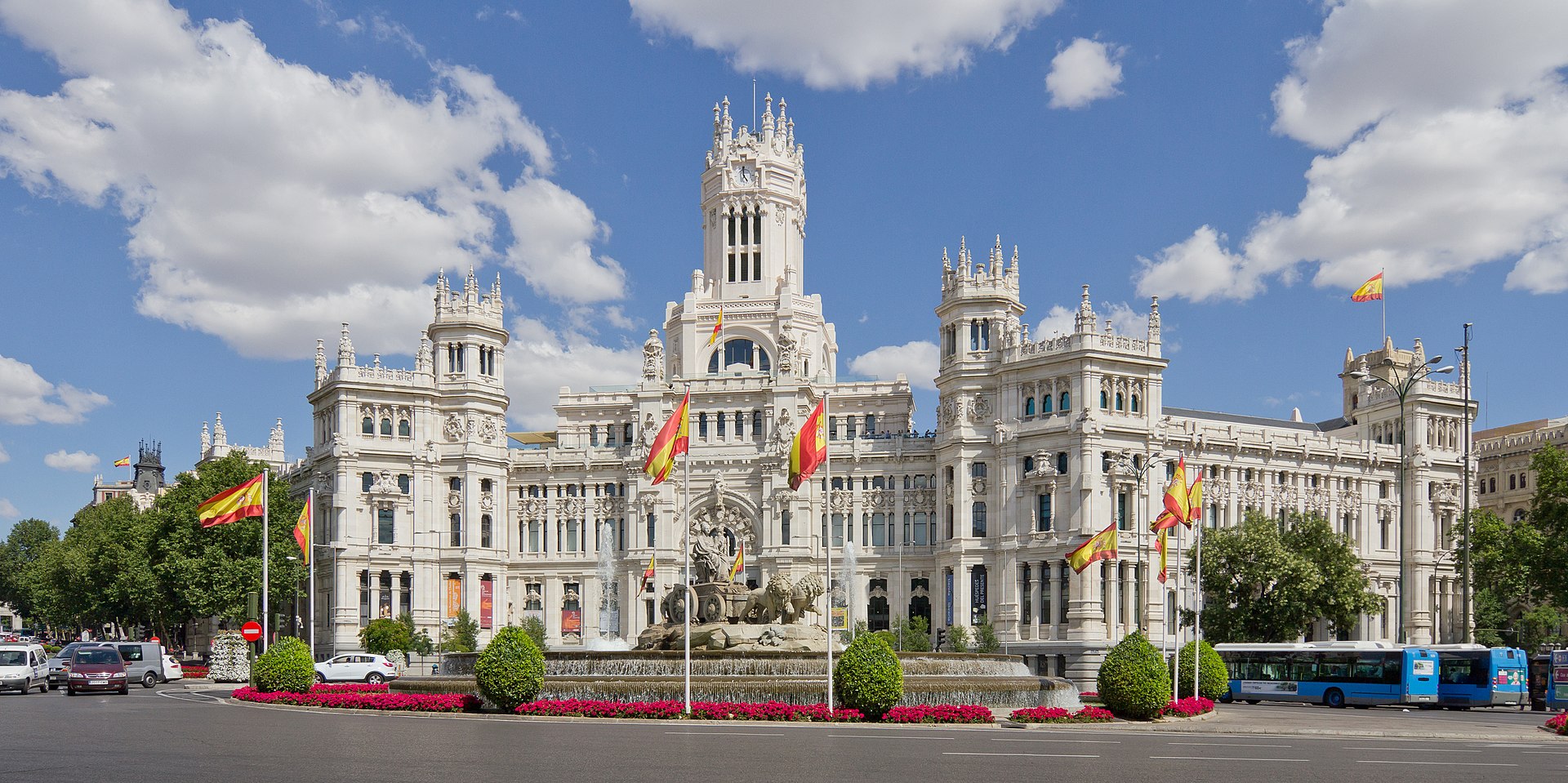
Cybele Palace
POI20th-century building combining Neo-Gothic and modernist styles, now serving as the city hall and cultural center with panoramic views and exhibitions.
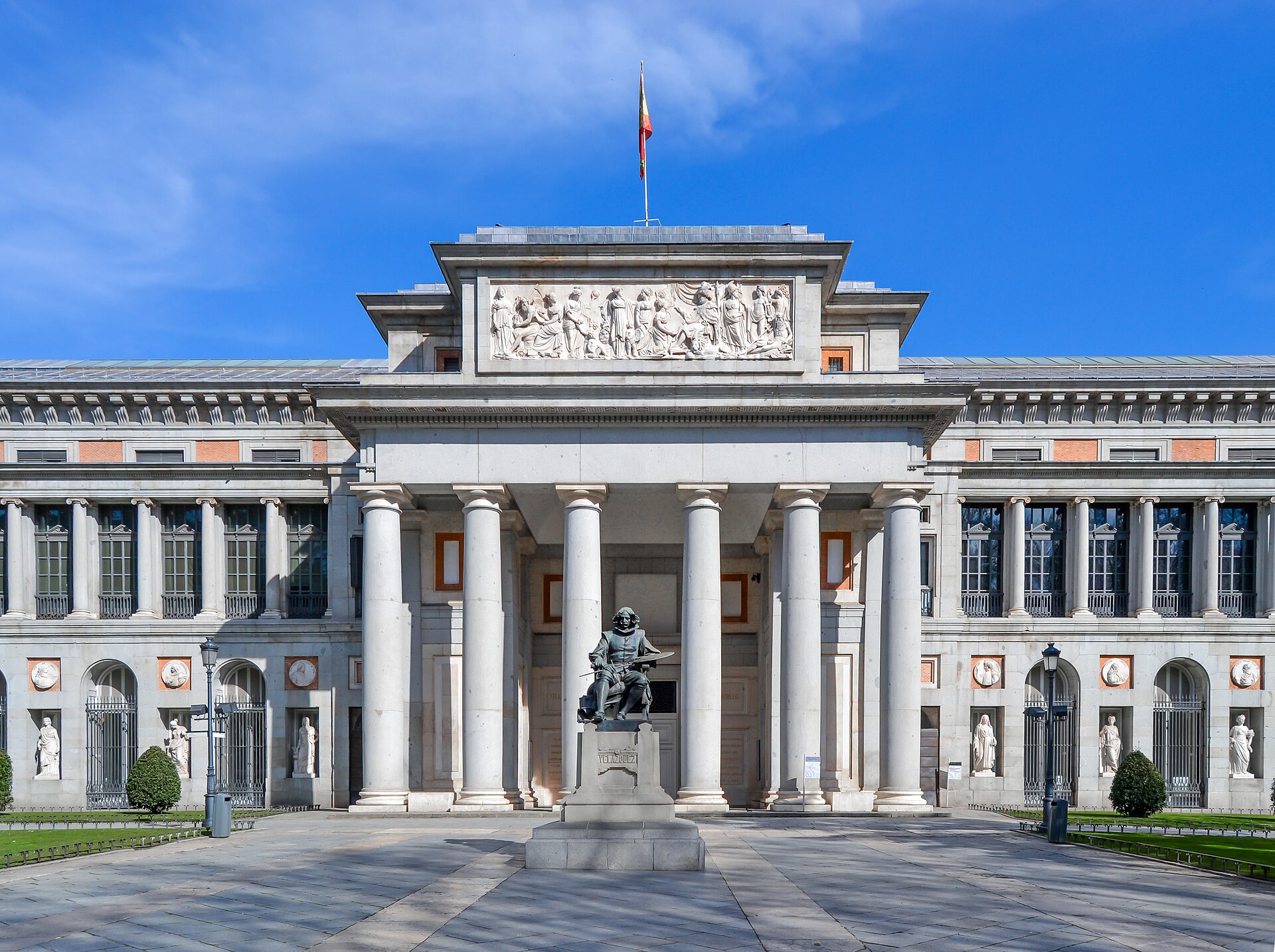
Museo del Prado
POIMain Spanish national art museum housing collections of European art, dating from the 12th century to the early 20th century, based on the former Spanish royal collection, and is the single best collection of Spanish art.
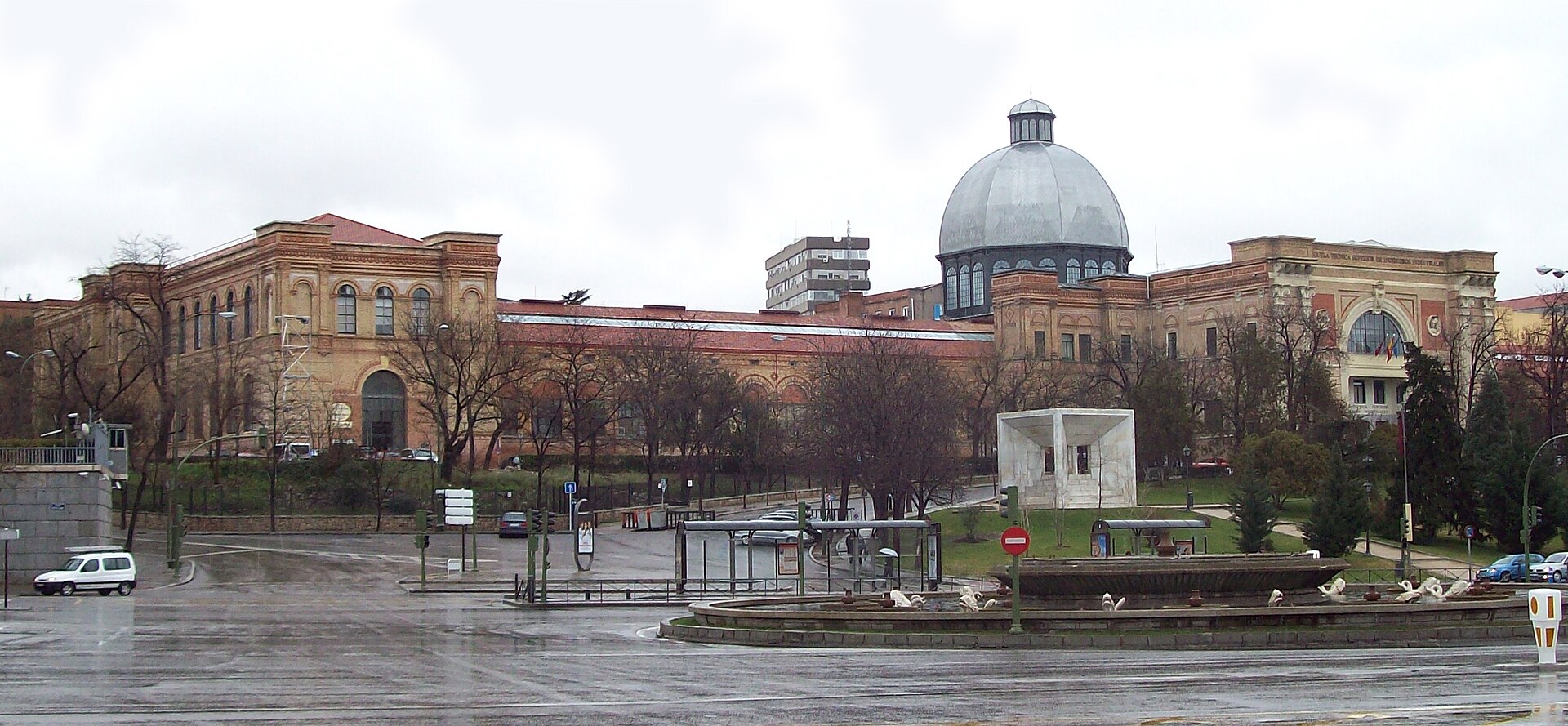
Museo Nacional de Ciencias Naturales
POIOne of Europe's oldest natural science museums, renowned for its extensive collections in zoology, geology, and paleobiology.
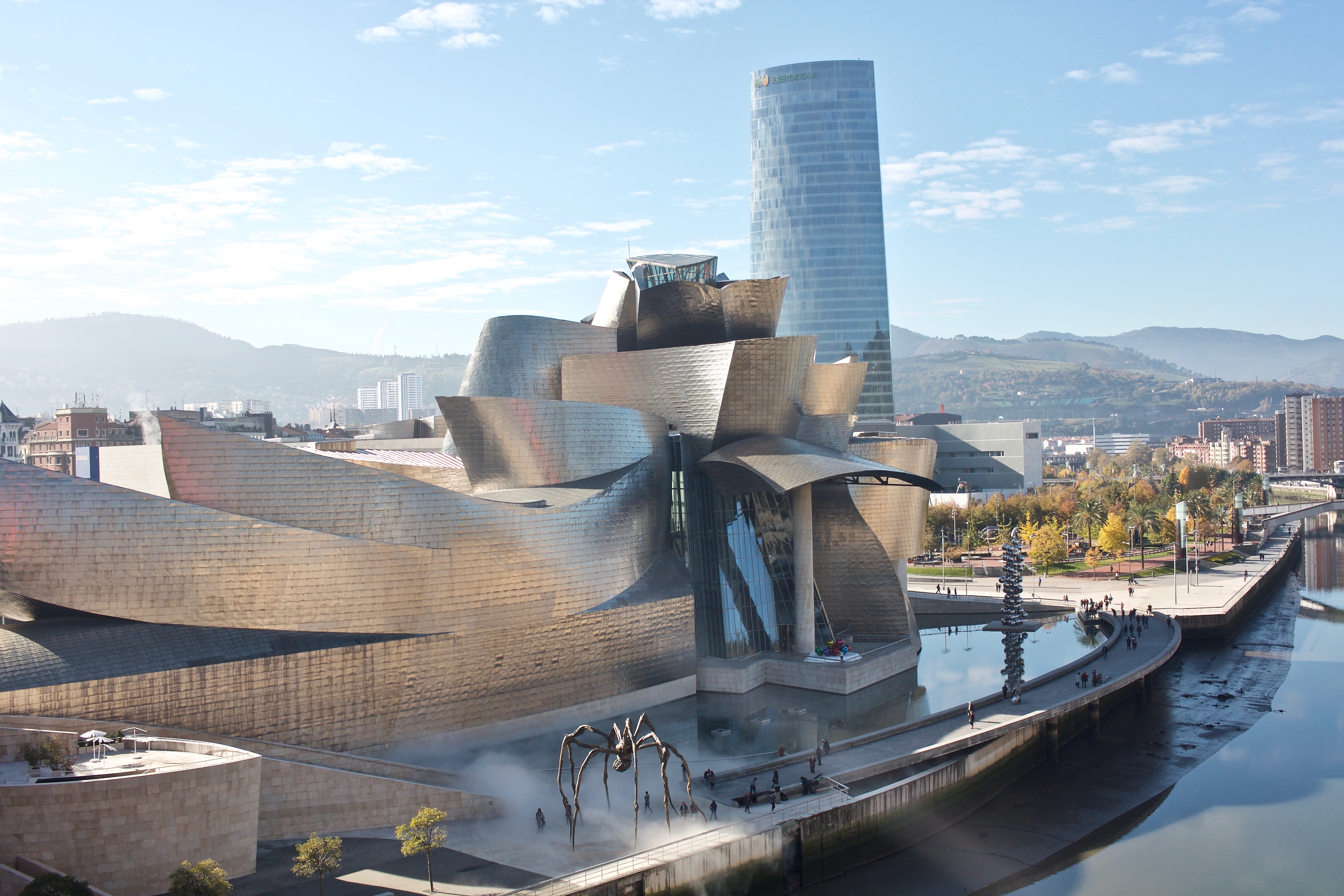
Museo Guggenheim Bilbao
POIMuseum of modern and contemporary art, the first major titanium-clad museum in the world; home of 250 contemporary works of art.
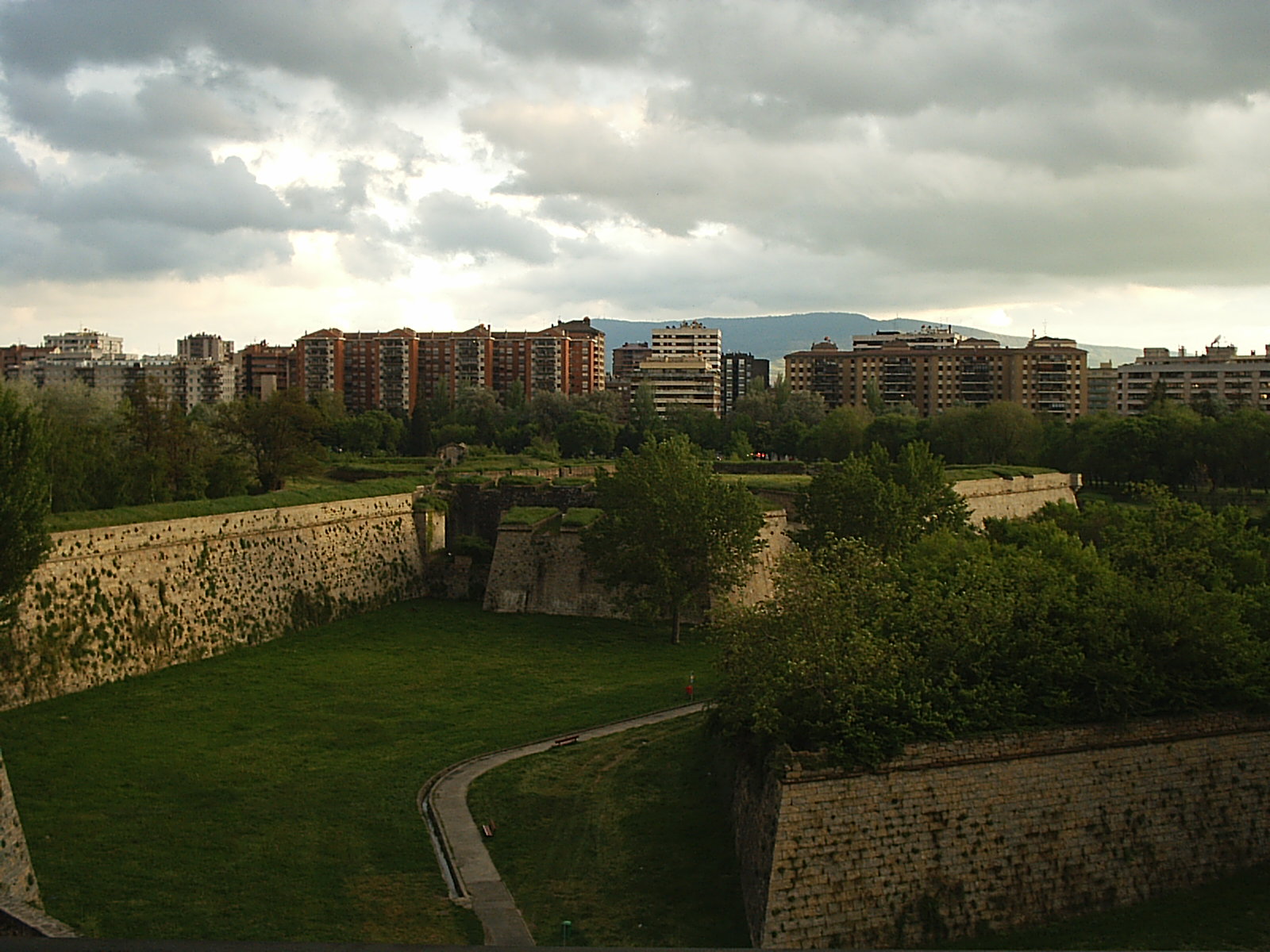
Citadel of Pamplona
POI16th-century fortress with a moat and bastions, one of the best-preserved Renaissance military structures in Europe, originally designed to defend against artillery attacks.
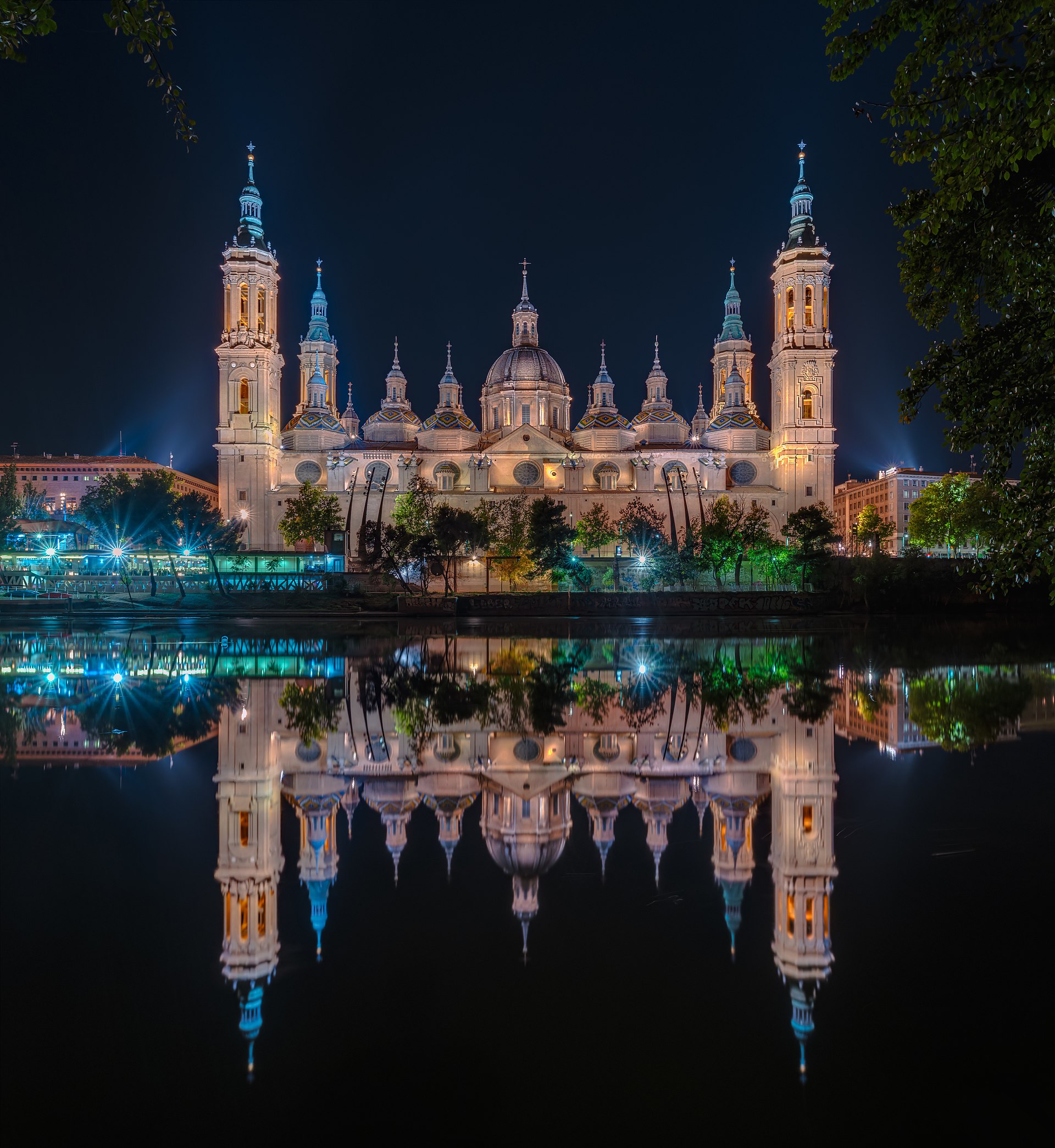
Cathedral-Basilica of Our Lady of the Pillar
POIConsidered the first church dedicated to Mary in history, it houses a pillar said to have been placed by her during an apparition and draws millions of pilgrims annually.
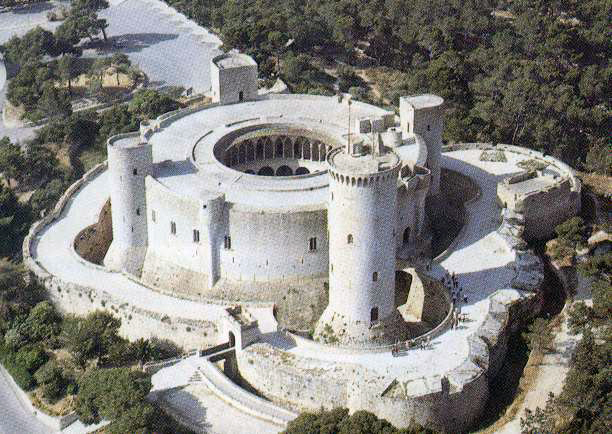
Castell de Bellver
POIFormer residence of the Kings of Majorca, and afterward long used as a military prison throughout the 18th to mid-20th century, now the seat for the city's History Museum.
Sources & Further Reading
- [1]Spain: A Unique History — Stanley G. Payne. University of Wisconsin Press (2011)
- [2]The Spanish Civil War — Hugh Thomas. Penguin Books (2001)
- [3]World Bank Data – SpainView