
Barcelona
Barcelona is the capital of the autonomous community of Catalonia in northeastern Spain, located along the Mediterranean coast. Founded as a Roman settlement known as Barcino, the city developed into an important medieval maritime power and later became a major industrial and commercial center in Spain. Today, Barcelona is one of Europe’s leading cultural, economic, and tourist destinations. The city is known for its distinctive urban fabric, combining a historic Gothic core with modernist architecture and planned expansions such as the Eixample district. Its cultural identity is closely tied to Catalan language and traditions, while its port and metropolitan economy make it a key hub in the Mediterranean region.
Roman and Early Medieval Origins
1st century BCE–10th centuryBarcelona was established as the Roman colony of Barcino in the late 1st century BCE. After the fall of the Western Roman Empire, it came under Visigothic rule and later became part of the Carolingian Empire, serving as a frontier city in the Spanish March.
Medieval Expansion and Maritime Power
11th–15th centuriesBarcelona grew into a Mediterranean trading center during the Middle Ages as part of the Crown of Aragon. Its maritime strength supported commerce across the Mediterranean, and many Gothic structures in the old city date from this period.
Industrialization and Urban Transformation
18th–19th centuriesThe city experienced rapid industrial growth, particularly in textiles, becoming one of Spain’s leading industrial centers. The 19th century saw major urban planning initiatives, including the creation of the Eixample district, designed to accommodate population growth.
Modern Era and Global City
20th–21st centuriesBarcelona underwent significant political and social changes during the 20th century, including the Spanish Civil War and subsequent dictatorship. The 1992 Summer Olympics marked a turning point, revitalizing infrastructure and enhancing its global profile as a cultural and tourist destination.
Notable POIs in Barcelona
6 listed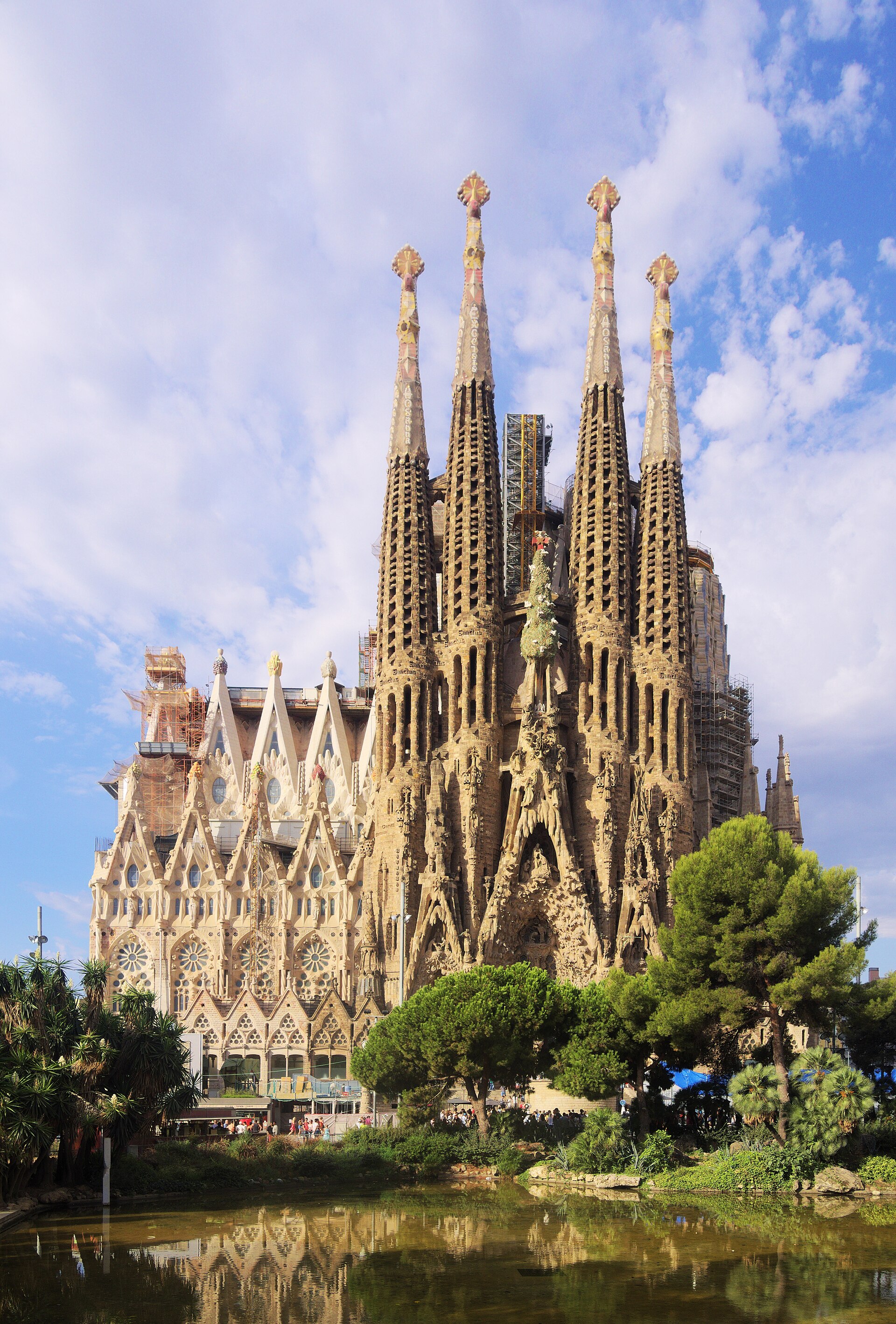
Basilica de la Sagrada Familia
POILargest unfinished Catholic church reaching one hundred seventy-two meters in height, designed to symbolize the twelve apostles and four evangelists.
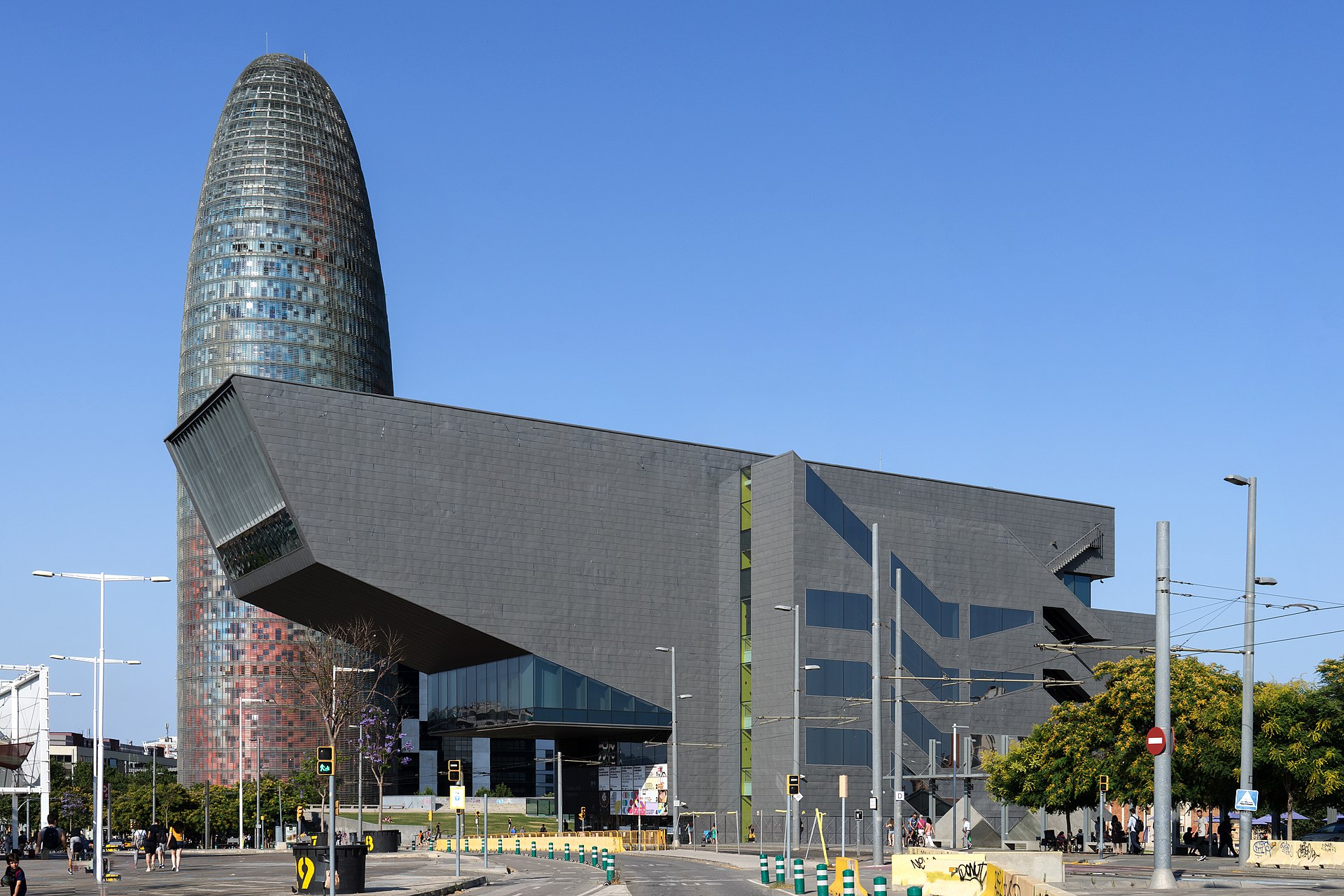
Design Museum of Barcelona
POIMuseum and a laboratory focusing on four design disciplines: space design, product design, information design, and fashion.
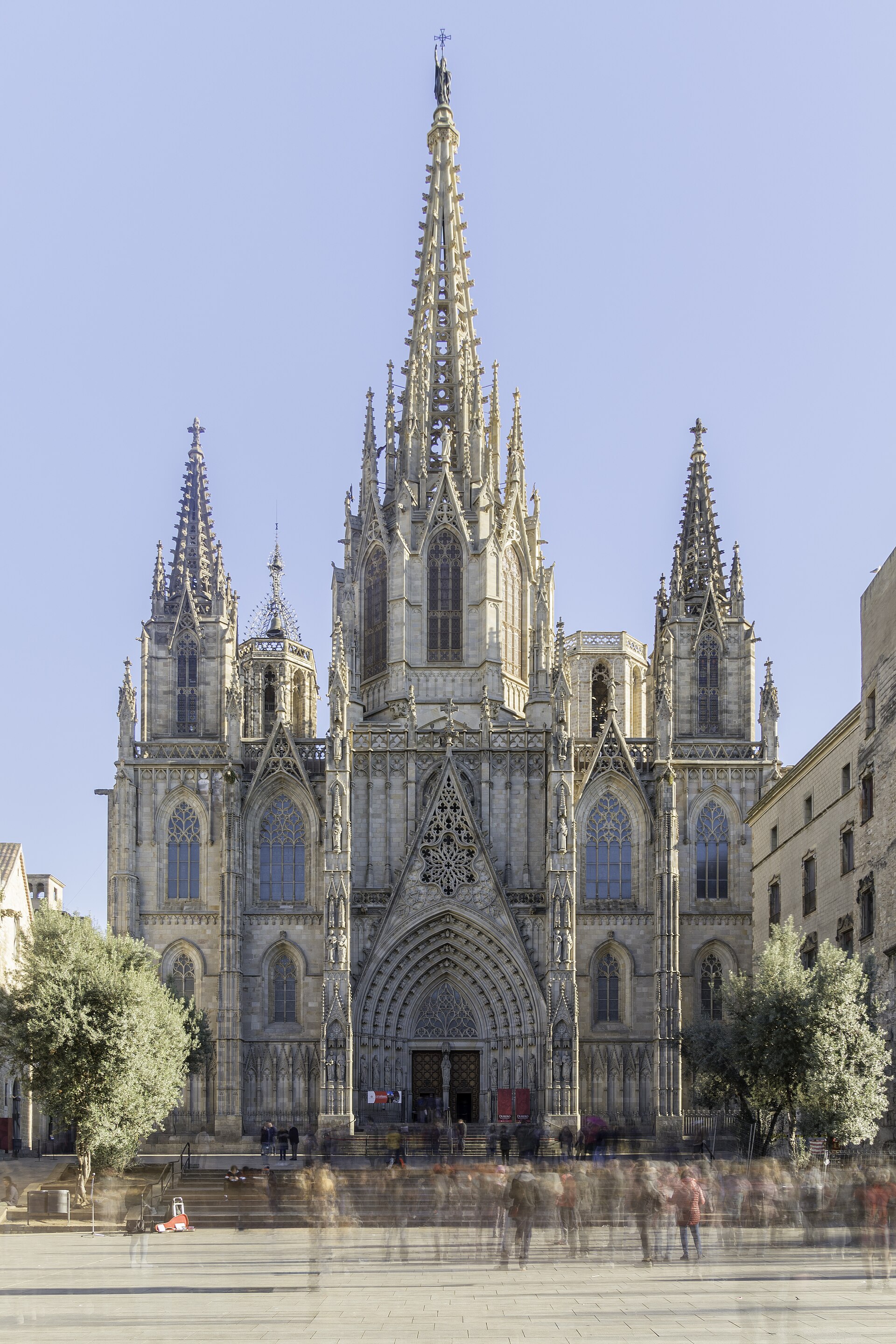
Cathedral of the Holy Cross and Saint Eulalia
POIGothic Cathedral that acts as the seat of the Barcelona Archbishop and housing the remains of thirteen-year-old martyr eulalia.
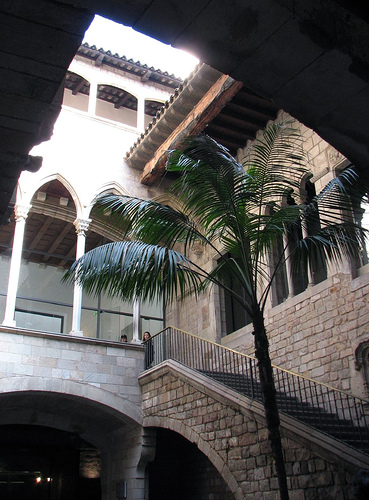
Museu Picasso
POIArt museum housing an extensive collection of artworks by Pablo Picasso, with a total of 4251 of his works.
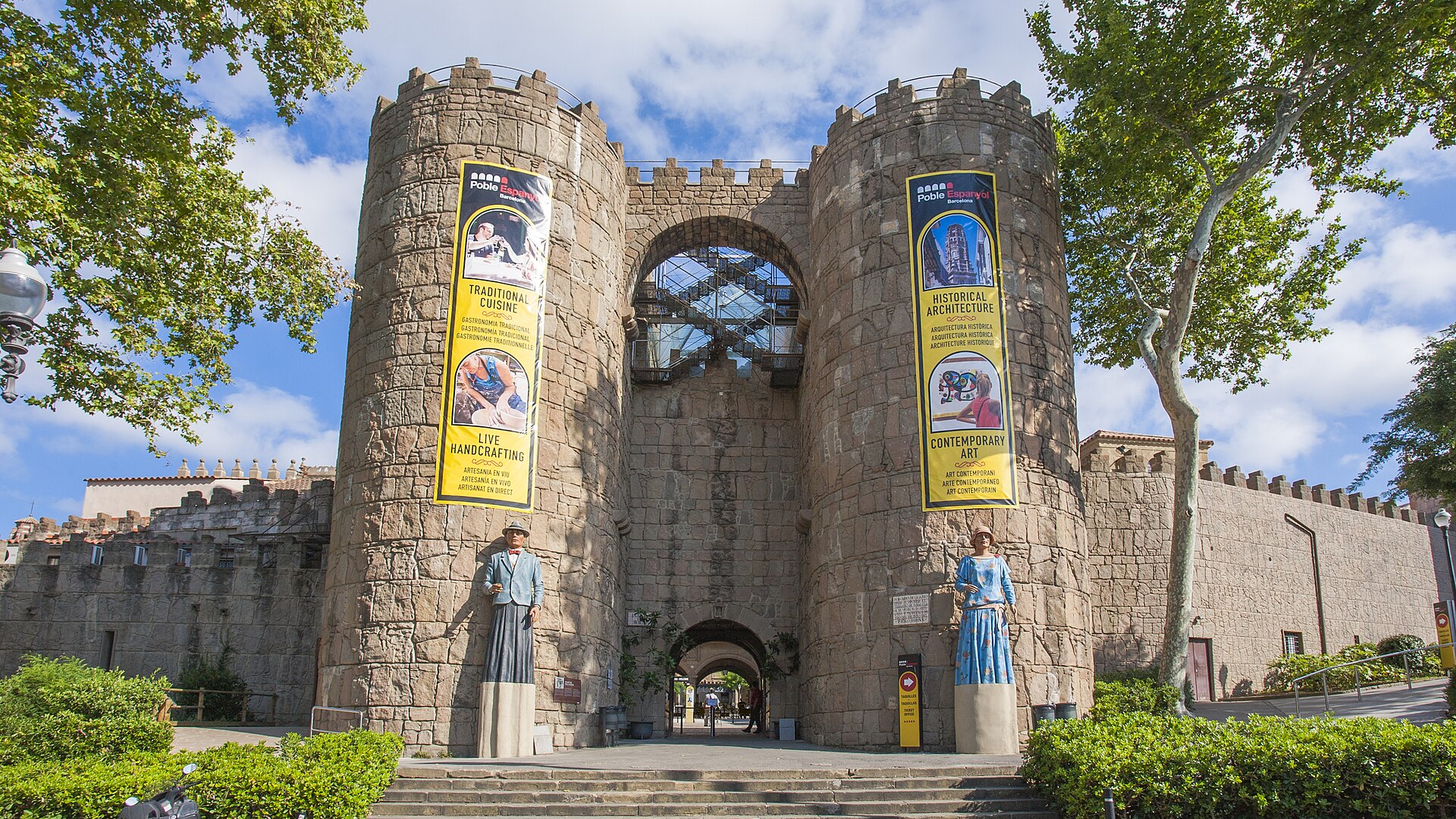
Poble Espanyol
POIOpen-air architectural museum consisting of 117 full-scale buildings replicated from different places in Spain, joined forming a small town recreating urban atmospheres of disparate places with different architectures.
FC Barcelona Museum
POIModern structure featuring three floors of immersive multimedia exhibits and expansive trophy collections to document the hundred-year history of the Catalan football institution and its sociopolitical identity.
Sources & Further Reading
- [1]Barcelona: The Great Enchantress — Robert Hughes. Vintage (1992)
- [2]The Spanish Civil War — Hugh Thomas. Modern Library (2001)
- [3]