
Country Wiki
Serbia
Serbia is a landlocked country in Southeast Europe, situated in the central and western Balkans. It lies at the crossroads of Central and Southeastern Europe, with a diverse landscape that includes fertile plains in the north, river valleys, and mountainous regions in the south. Its capital, Belgrade, is one of the oldest continuously inhabited cities in Europe and serves as the country’s political, economic, and cultural center. Modern Serbia is a parliamentary republic with a developing economy and a complex historical legacy shaped by empires, wars, and shifting borders. Its cultural identity reflects a blend of Slavic, Byzantine, Ottoman, and Austro-Hungarian influences, visible in its architecture, traditions, and religious heritage.
Early Slavic Settlement and Medieval Serbia
6th century – 1459Slavic peoples settled in the Balkans during the early Middle Ages, forming principalities that eventually developed into the medieval Serbian state. The Kingdom of Serbia reached its peak under the Nemanjić dynasty in the 13th and 14th centuries, becoming a significant political and cultural power in the region.
Ottoman and Habsburg Rule
1459 – 1804The Ottoman Empire conquered Serbia in the 15th century, integrating it into a vast imperial system. Parts of northern Serbia later came under Habsburg control, creating a frontier between two major empires. This period saw cultural transformation as well as resistance movements.
National Revival and Independence
1804 – 1918Serbian uprisings against Ottoman rule in the early 19th century led to autonomy and eventual independence. Serbia expanded territorially and became a kingdom, playing a central role in Balkan politics leading up to World War I.
Yugoslavia and 20th Century Conflicts
1918 – 2006After World War I, Serbia became part of the Kingdom of Serbs, Croats, and Slovenes, later known as Yugoslavia. Following World War II, it was a republic within socialist Yugoslavia. The breakup of Yugoslavia in the 1990s led to conflict, sanctions, and political upheaval in Serbia.
Modern Republic
2006 – presentSerbia became an independent state in 2006 after the dissolution of its union with Montenegro. Since then, it has pursued political and economic reforms, with ongoing efforts toward European integration while maintaining regional ties.
Major Cities
1 listed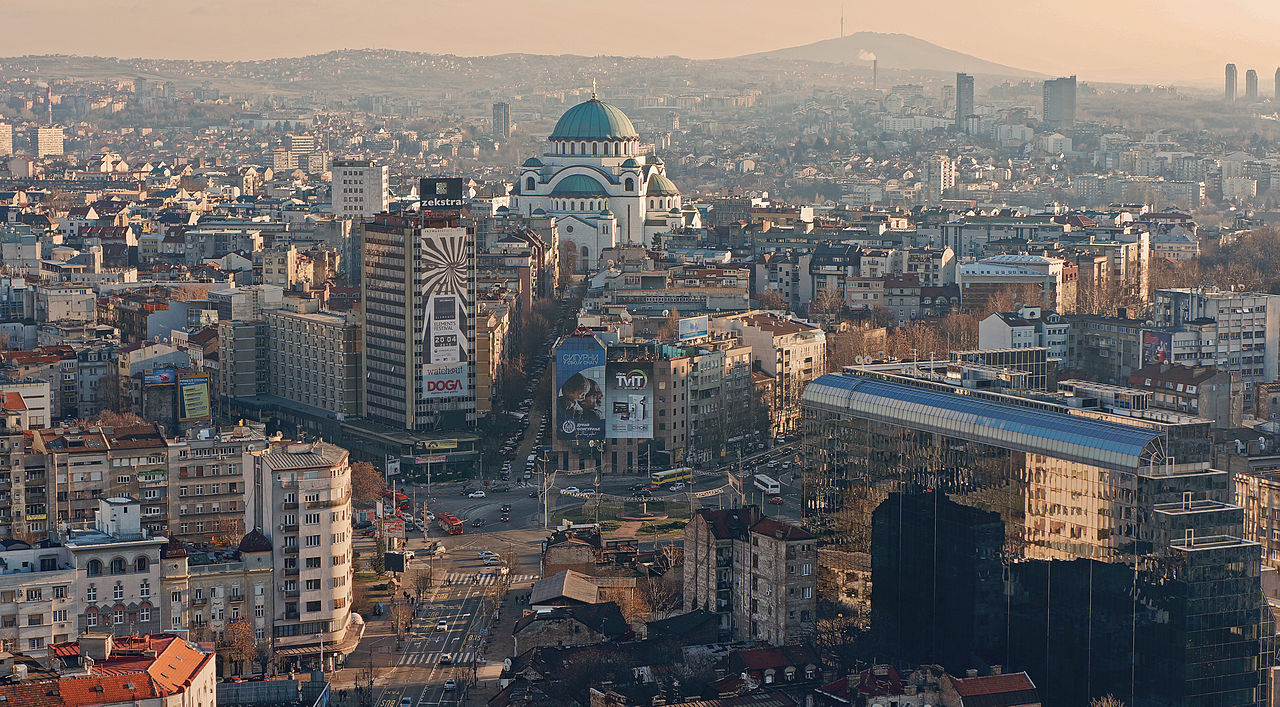
Notable POIs
10 listed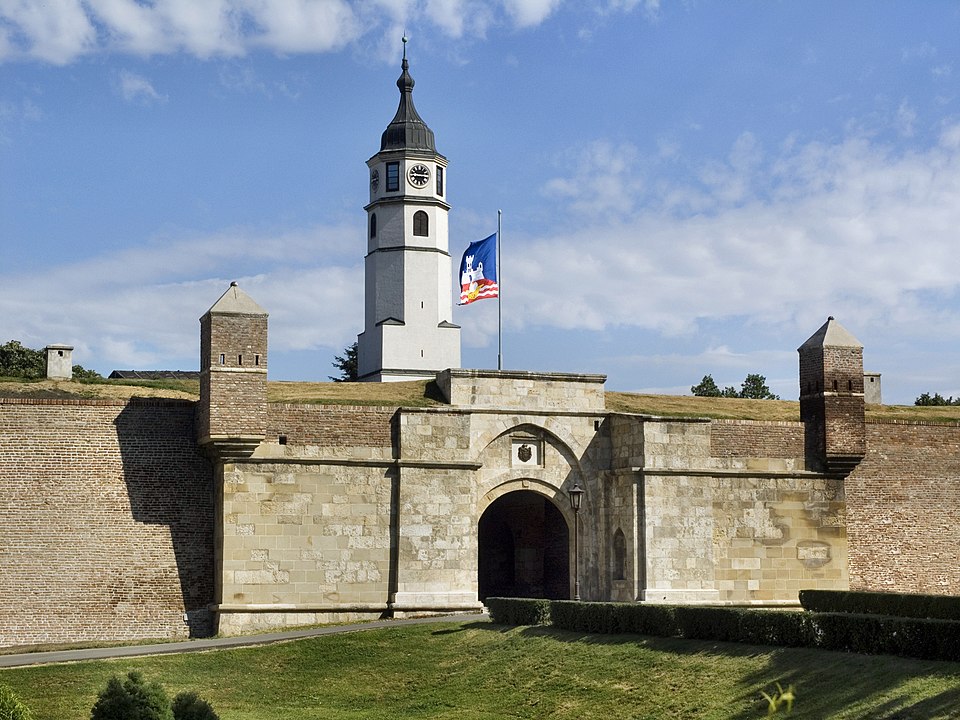
Belgrade Fortress
POIFortress containing seventy-nine hectares of inner and outer fortifications where visitors observe Roman castrum remains and medieval Ottoman gate systems.
Church of Saint Sava
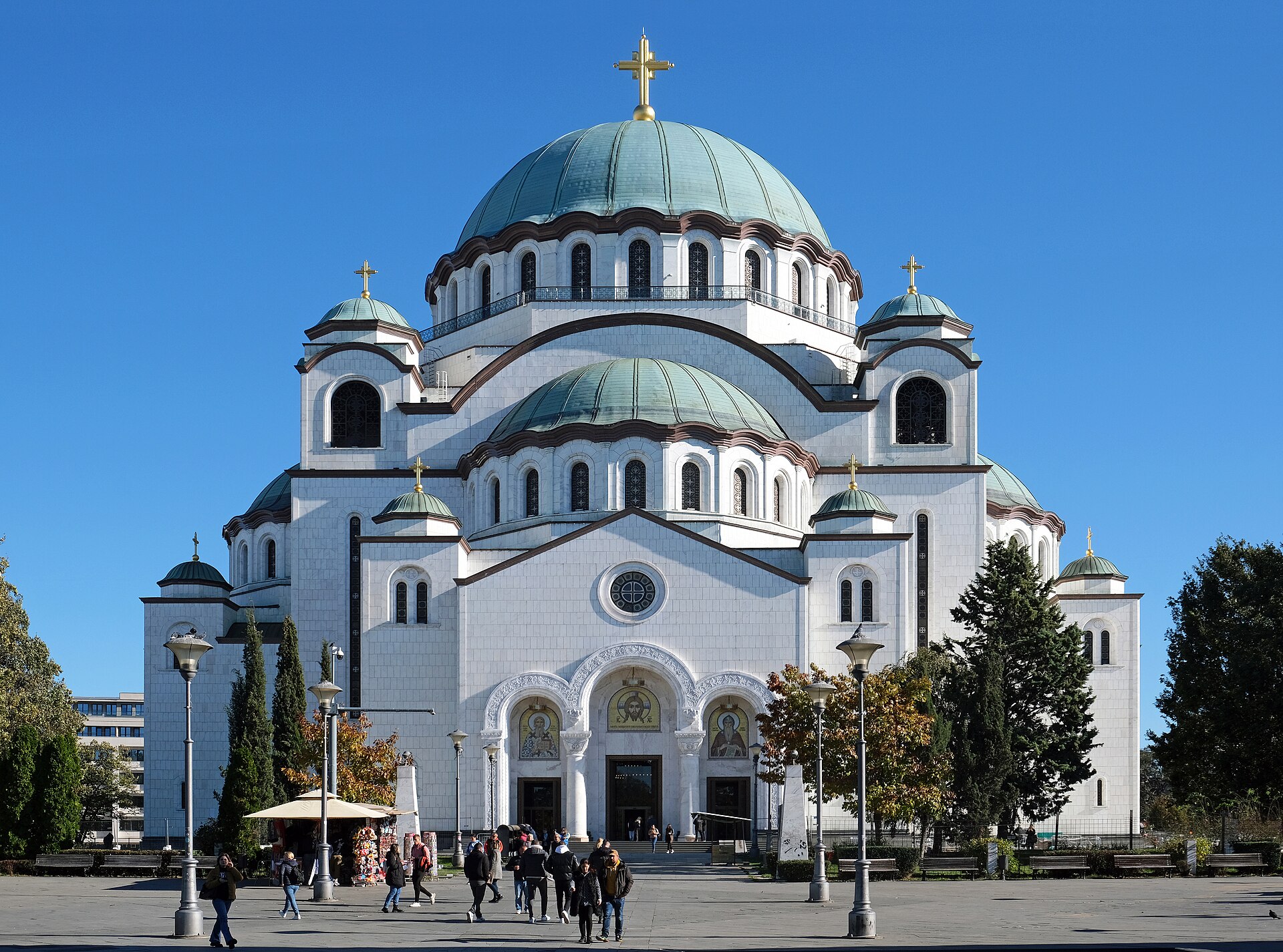
POILargest Orthodox church in Serbia, containing four thousand tons of central dome and twelve thousand square metres of gold mosaics.
Cathedral Church of St. Michael the Archangel
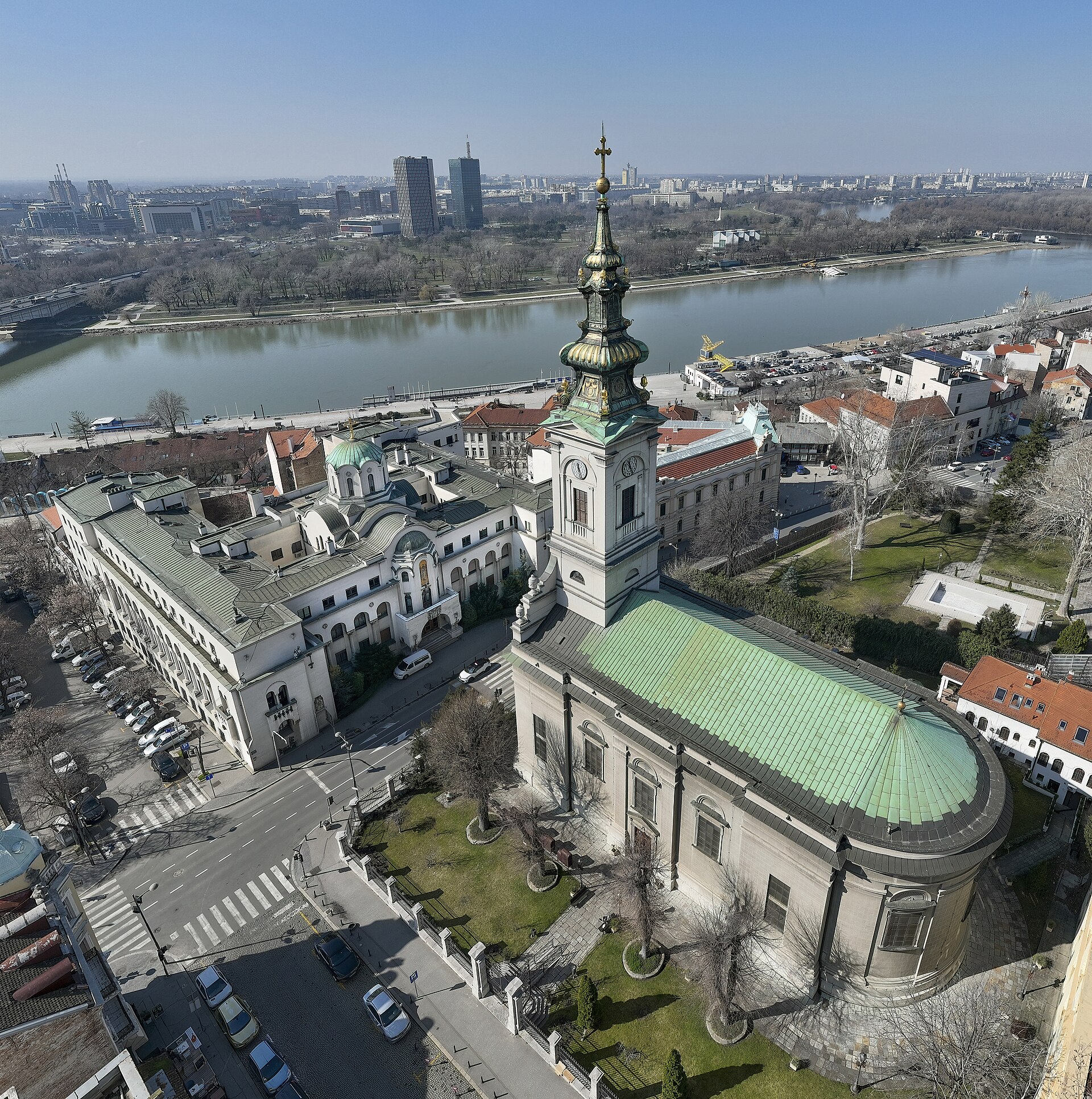
POICathedral housing dozens of relics and remains of Prince Miloš Obrenović and Mihailo Obrenović, representing the nineteenth-century Serbian statehood and the seat of the Serbian Patriarchate.

Nikola Tesla Museum
POIMuseum containing 160,000 original documents and personal belongings, where the ashes of Nikola Tesla are stored within a golden spherical urn.
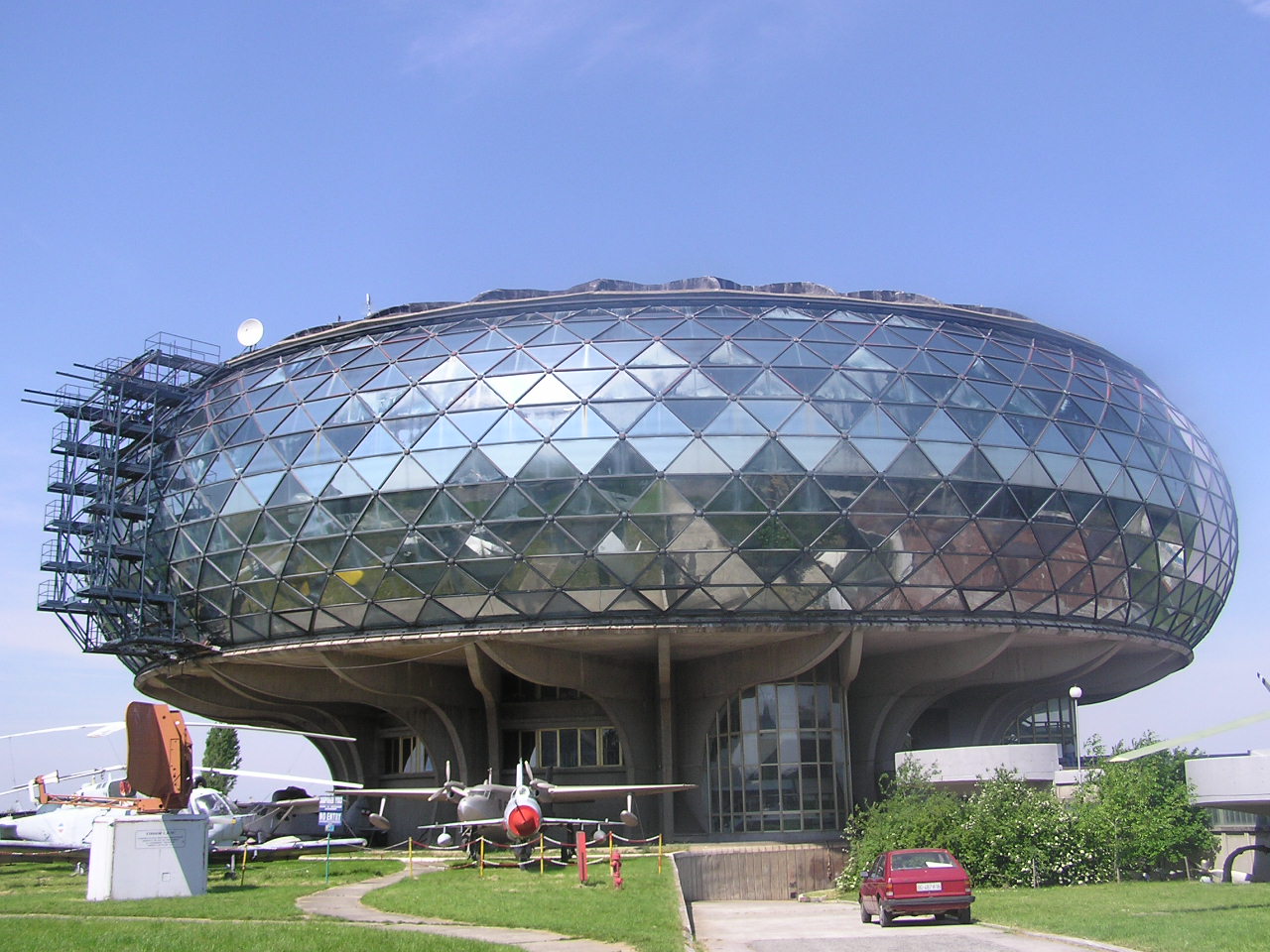
Aeronautical Museum of Belgrade
POIMuseum housing two hundred aircraft and hundreds of original rocket engines, preserving the only remaining fragments of a downed F-117 Nighthawk and F-16 Fighting Falcon from the NATO bombing of Yugoslavia in 1999.
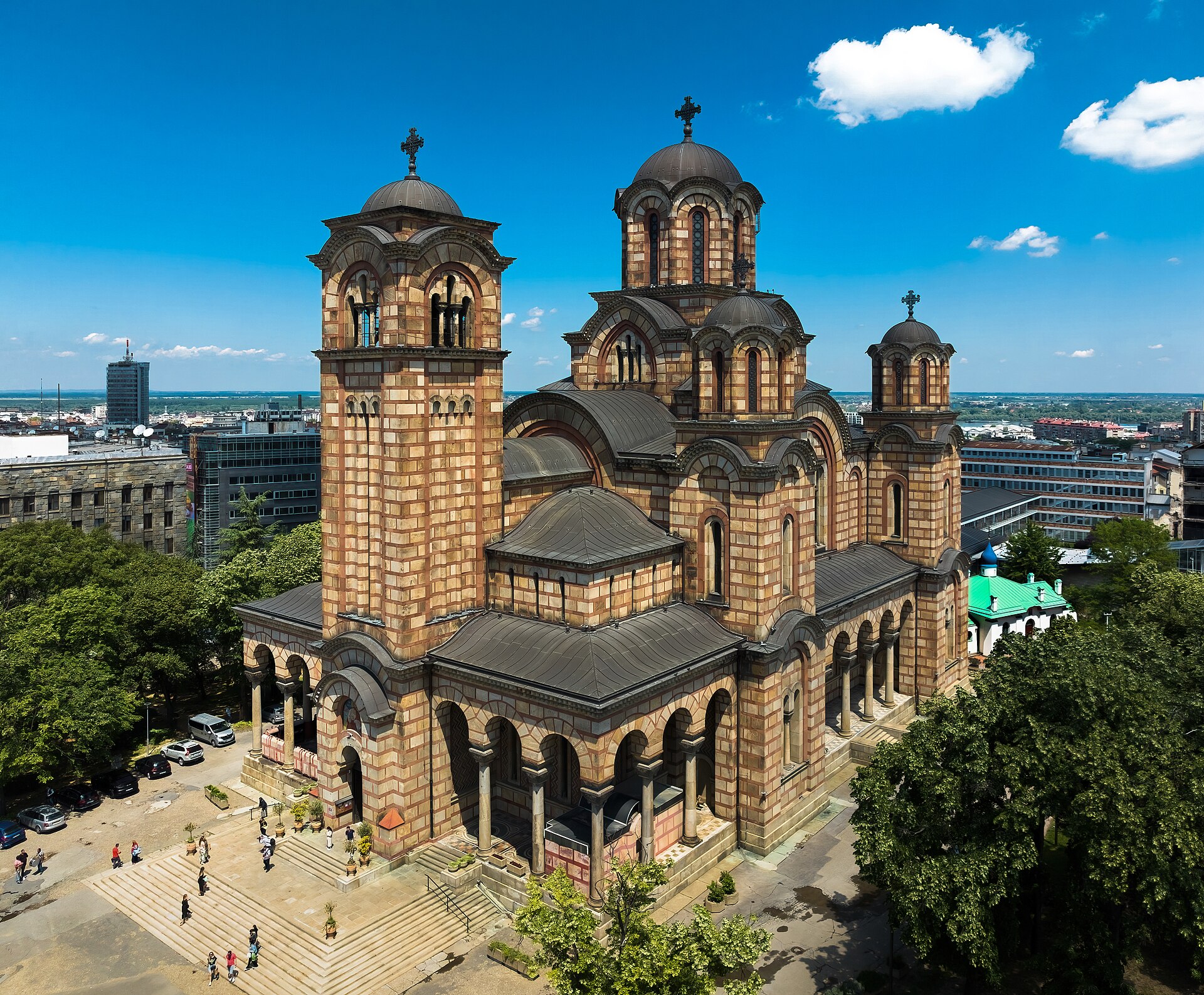
Church of Saint Mark
POIChurch houses seventy-five sarcophagi and remains of Emperor Stefan Dušan and Patriarch German, representing Serbo-Byzantine historical heritage.
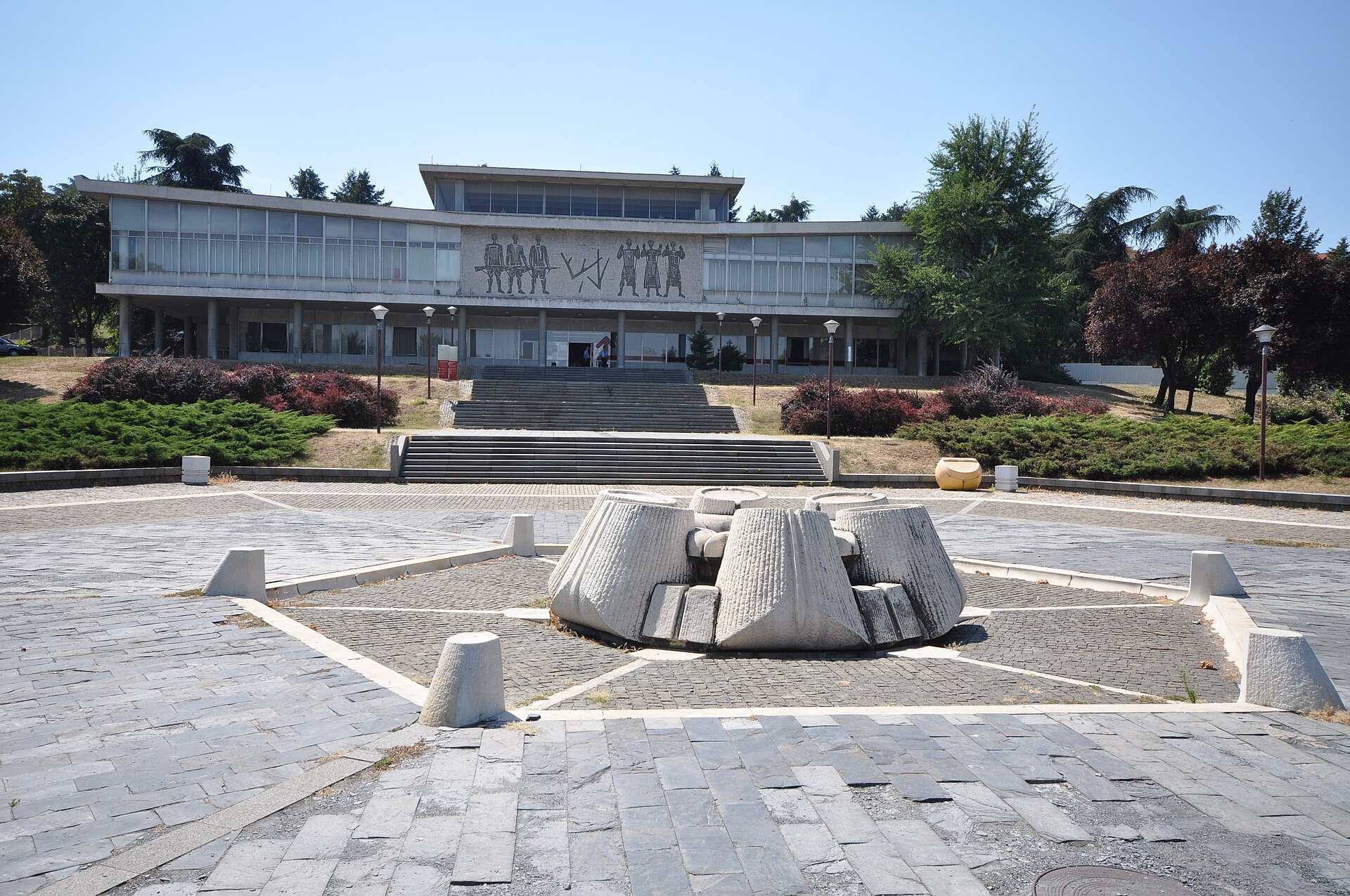
Museum of Yugoslavia
POIMuseum complex houses seventy-five thousand artifacts and twenty-two thousand youth batons, chronicling the social development and diplomatic history of the Yugoslav state.
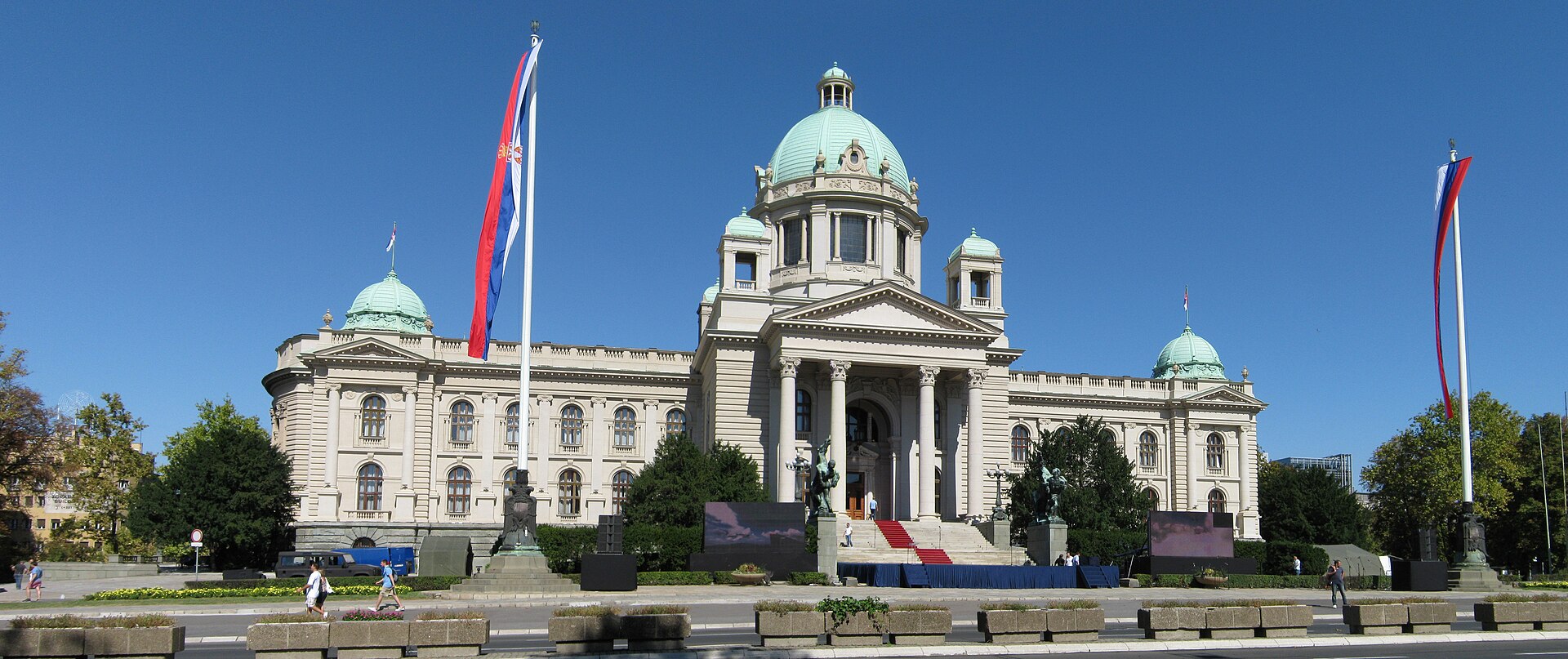
House of the National Assembly of Serbia
POIAdministrative building housing hundreds of original artworks, serving as the primary seat of the Serbian legislature and the site of many federal Yugoslavian constitutional sessions.
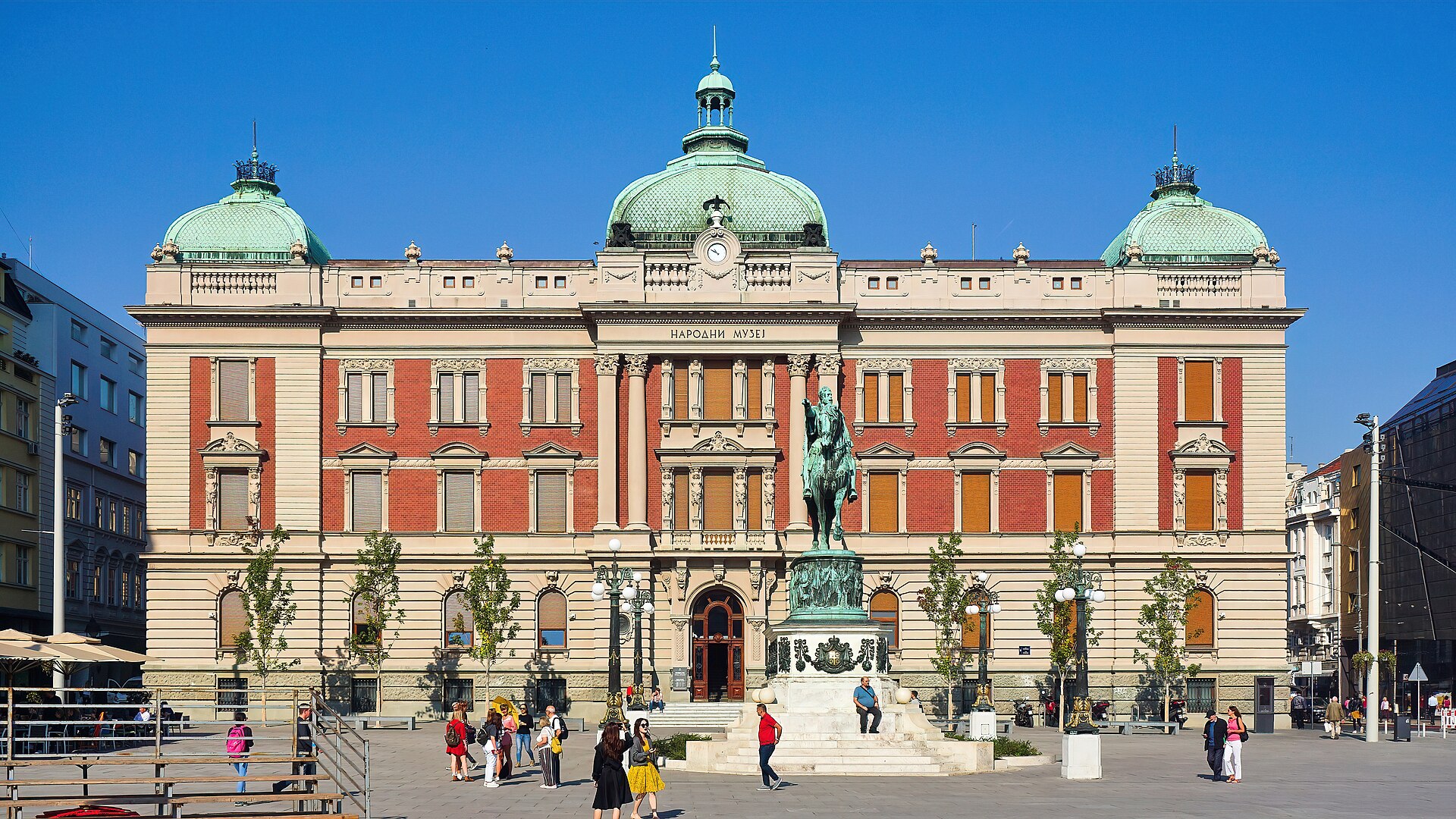
National Museum of Serbia
POIMuseum housing 400,000 artifacts and 300,000 numismatic items, preserving the twelfth-century Miroslav Gospel and thousands of prehistoric sculptures from Lepenski Vir.
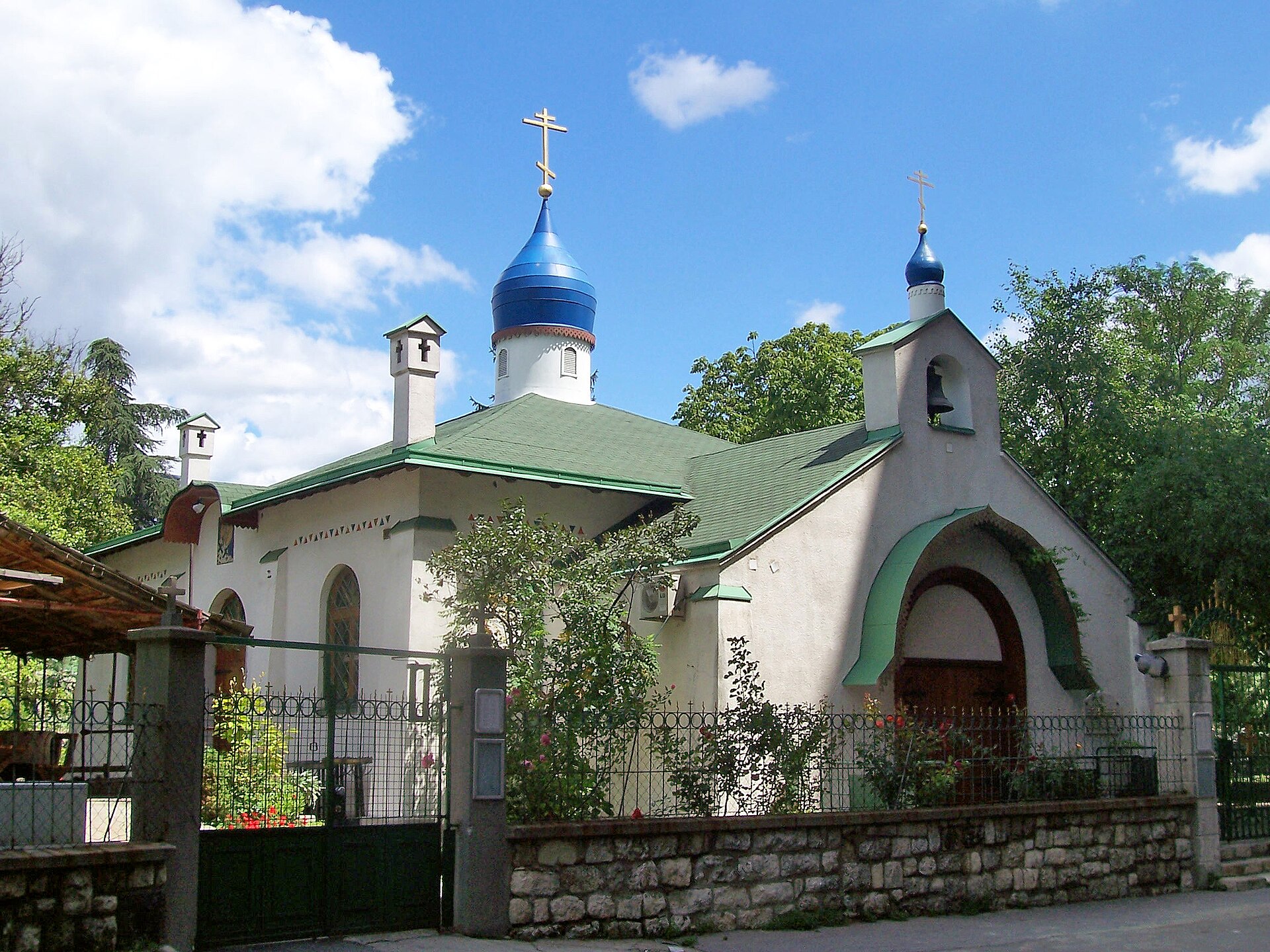
Church of the Holy Trinity
POIChurch housing the remains of General Pyotr Wrangel and many military banners, created by Russian refugees fleeing the Bolshevik Revolution.