Belgrade
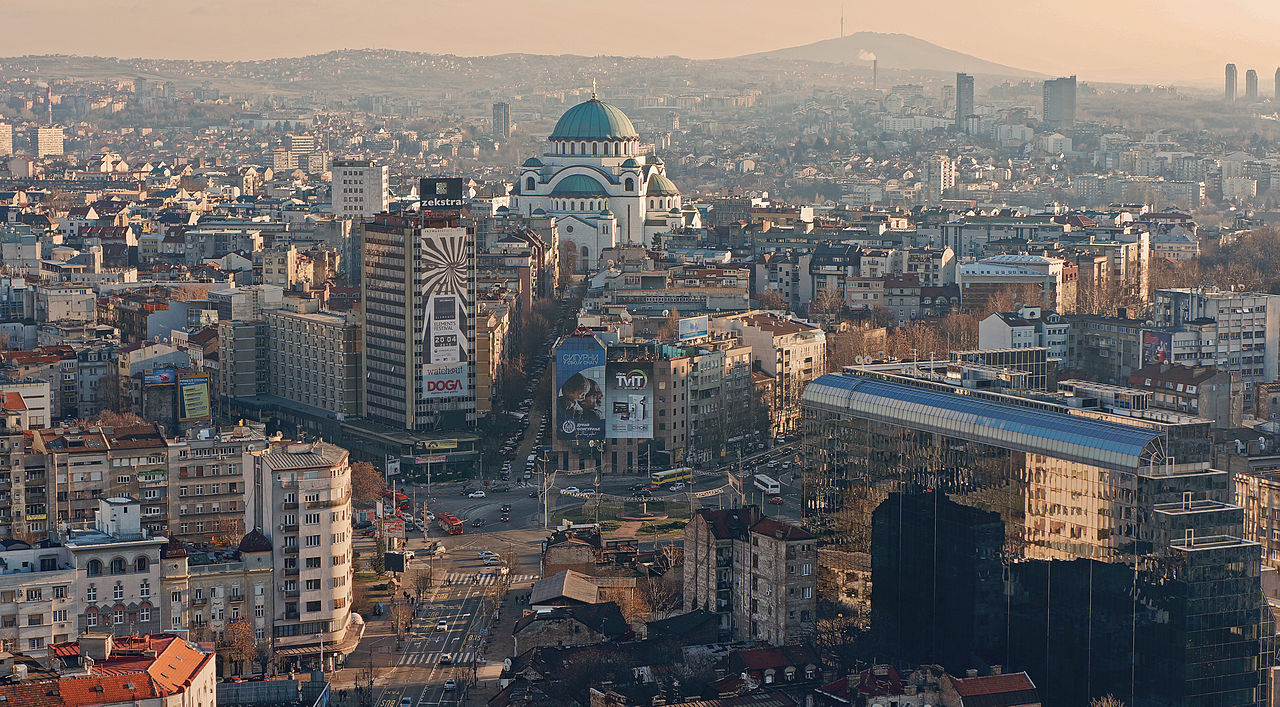
Belgrade is the capital and largest city of Serbia, located at the confluence of the Sava and Danube rivers in southeastern Europe. Its strategic position at the crossroads between Central and Southeast Europe has made it a significant cultural, political, and military center for over two millennia. Today, Belgrade is the political, economic, and cultural heart of Serbia. The city reflects layers of Roman, Byzantine, Ottoman, and Austro-Hungarian influence, visible in its architecture, urban layout, and cultural institutions. Modern Belgrade combines historic districts with a growing contemporary scene, playing a central role in the Balkans.
Ancient Origins and Roman Period
3rd century BCE - 5th century CEThe area of modern Belgrade was first settled by Celtic tribes before becoming the Roman city of Singidunum in the 1st century CE. It developed as an important military frontier post along the Danube, forming part of the Roman Empire’s defensive line against northern tribes.
Byzantine and Medieval Struggles
5th-15th centuriesFollowing the decline of Roman authority, Belgrade came under Byzantine control and was frequently contested by various powers, including the Hungarians and Bulgarians. Its strategic importance led to repeated destruction and rebuilding during this period.
Ottoman and Habsburg Rule
16th-19th centuriesBelgrade was captured by the Ottoman Empire in 1521 and became a key administrative and military center. It later changed hands multiple times between the Ottomans and the Habsburg Monarchy, reflecting its position as a frontier city between empires.
Modern Serbia and Yugoslav Era
19th-20th centuriesBelgrade became the capital of the modern Serbian state in the 19th century following independence from Ottoman rule. It later served as the capital of Yugoslavia, experiencing significant growth but also destruction during both World Wars and NATO bombing in 1999.
Contemporary Development
21st centurySince the early 2000s, Belgrade has undergone economic and urban redevelopment, with investments in infrastructure, business, and cultural life. It remains Serbia’s central hub for governance, education, and regional connectivity.
Notable POIs in Belgrade
6 listed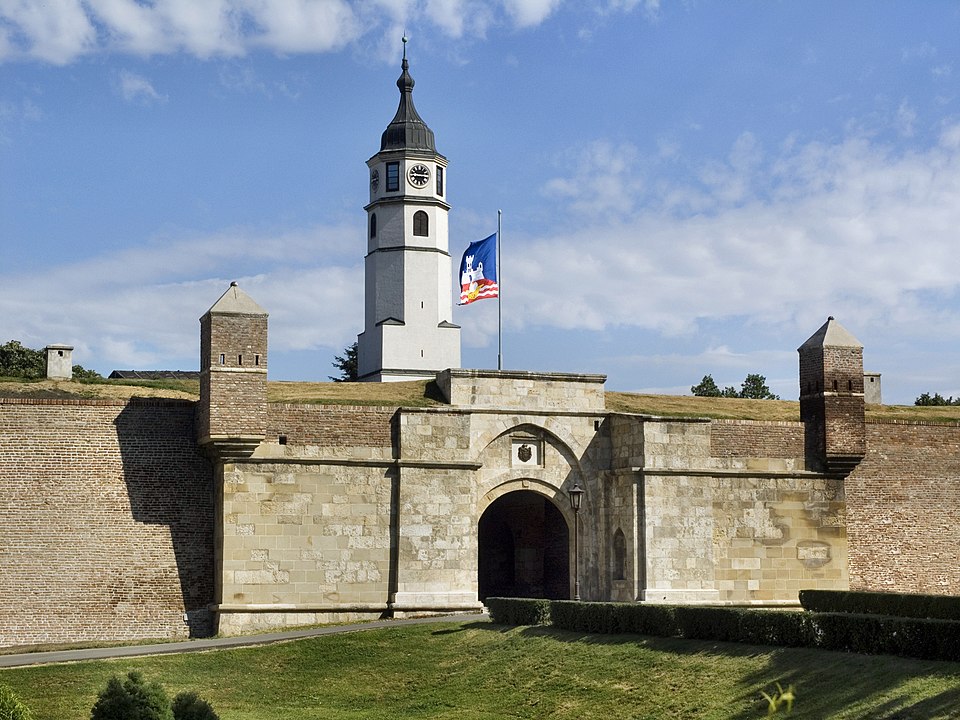
Belgrade Fortress
POIFortress containing seventy-nine hectares of inner and outer fortifications where visitors observe Roman castrum remains and medieval Ottoman gate systems.
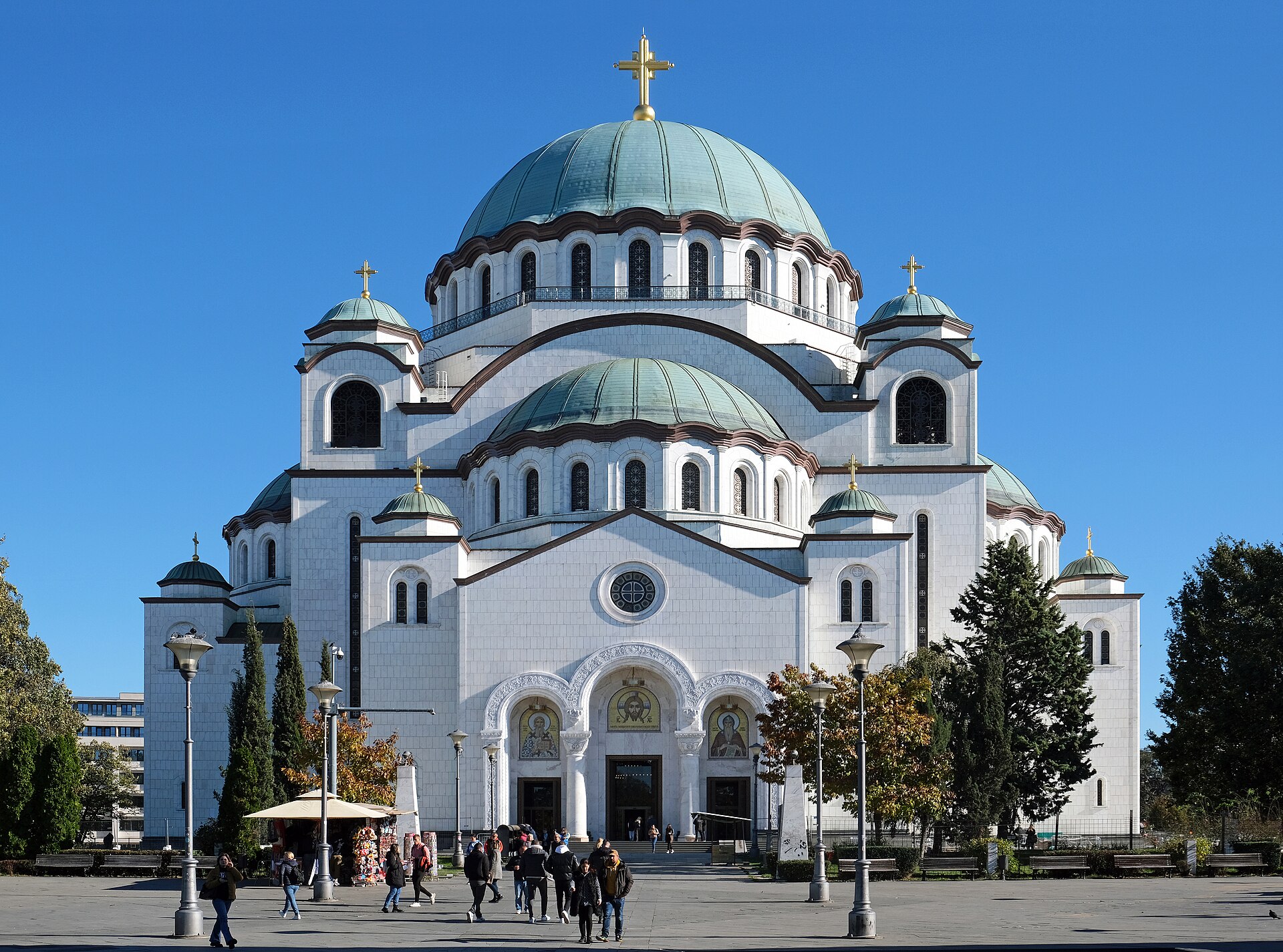
Church of Saint Sava
POILargest Orthodox church in Serbia, containing four thousand tons of central dome and twelve thousand square metres of gold mosaics.
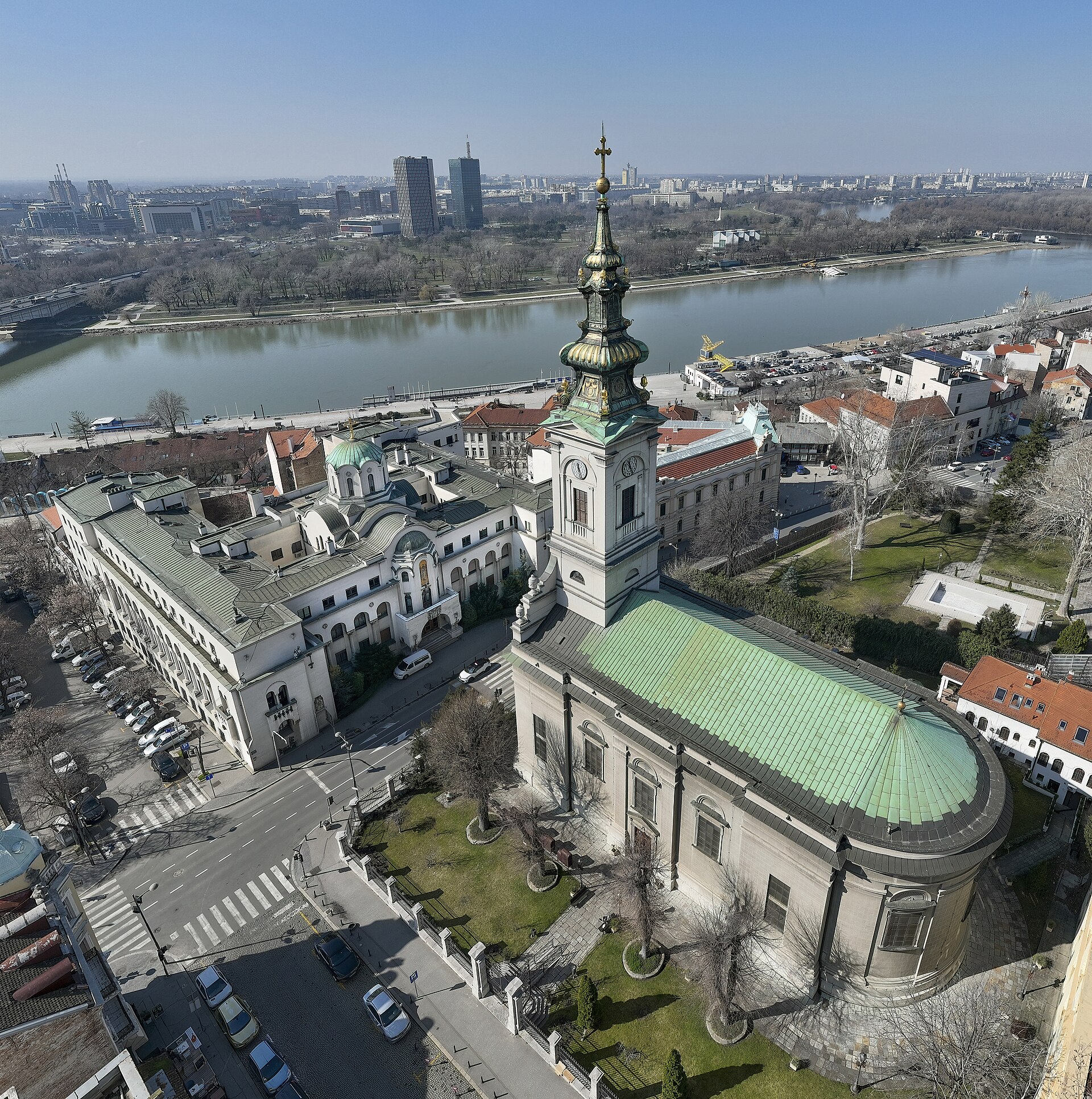
Cathedral Church of St. Michael the Archangel
POICathedral housing dozens of relics and remains of Prince Miloš Obrenović and Mihailo Obrenović, representing the nineteenth-century Serbian statehood and the seat of the Serbian Patriarchate.

Nikola Tesla Museum
POIMuseum containing 160,000 original documents and personal belongings, where the ashes of Nikola Tesla are stored within a golden spherical urn.
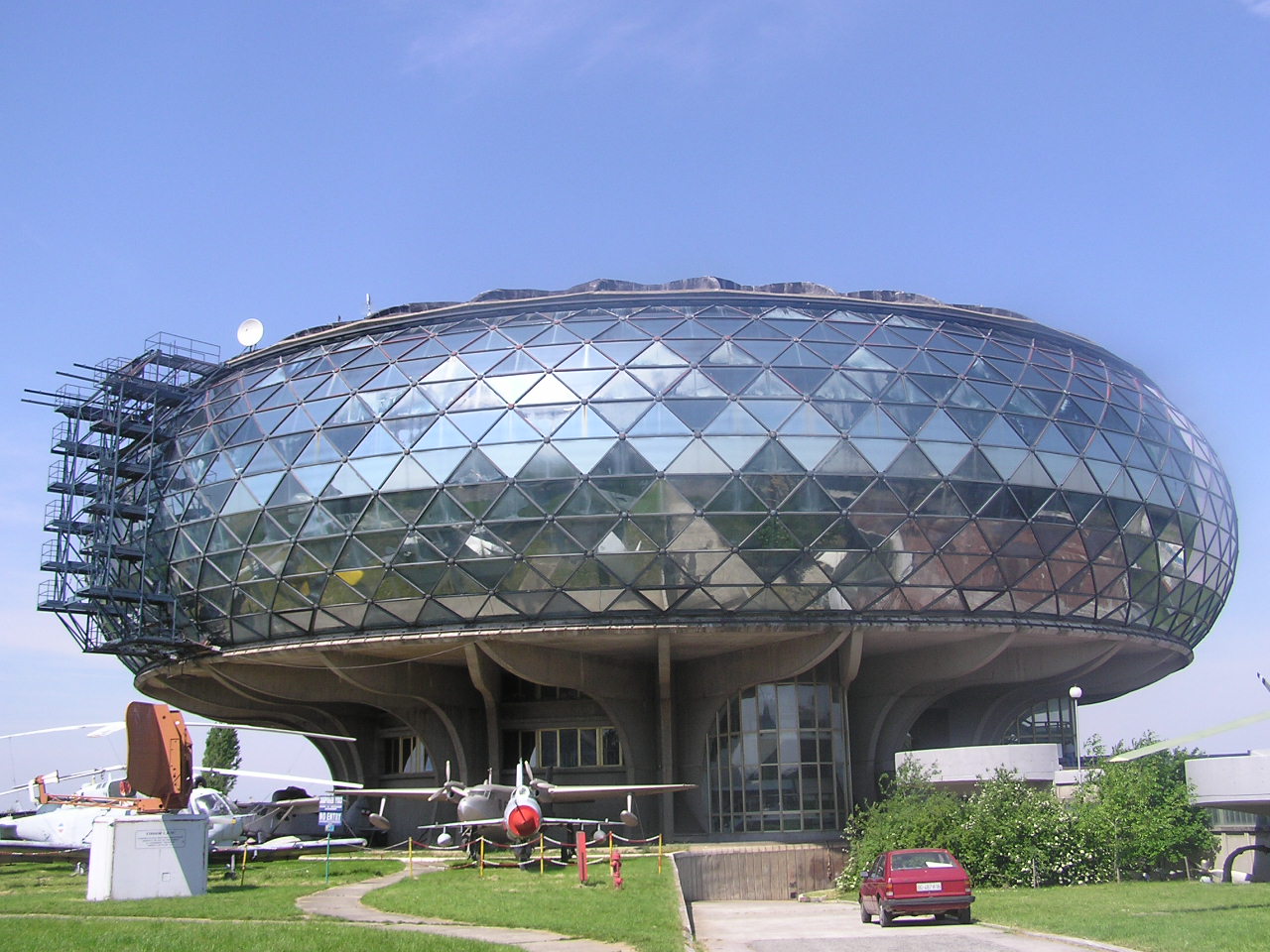
Aeronautical Museum of Belgrade
POIMuseum housing two hundred aircraft and hundreds of original rocket engines, preserving the only remaining fragments of a downed F-117 Nighthawk and F-16 Fighting Falcon from the NATO bombing of Yugoslavia in 1999.
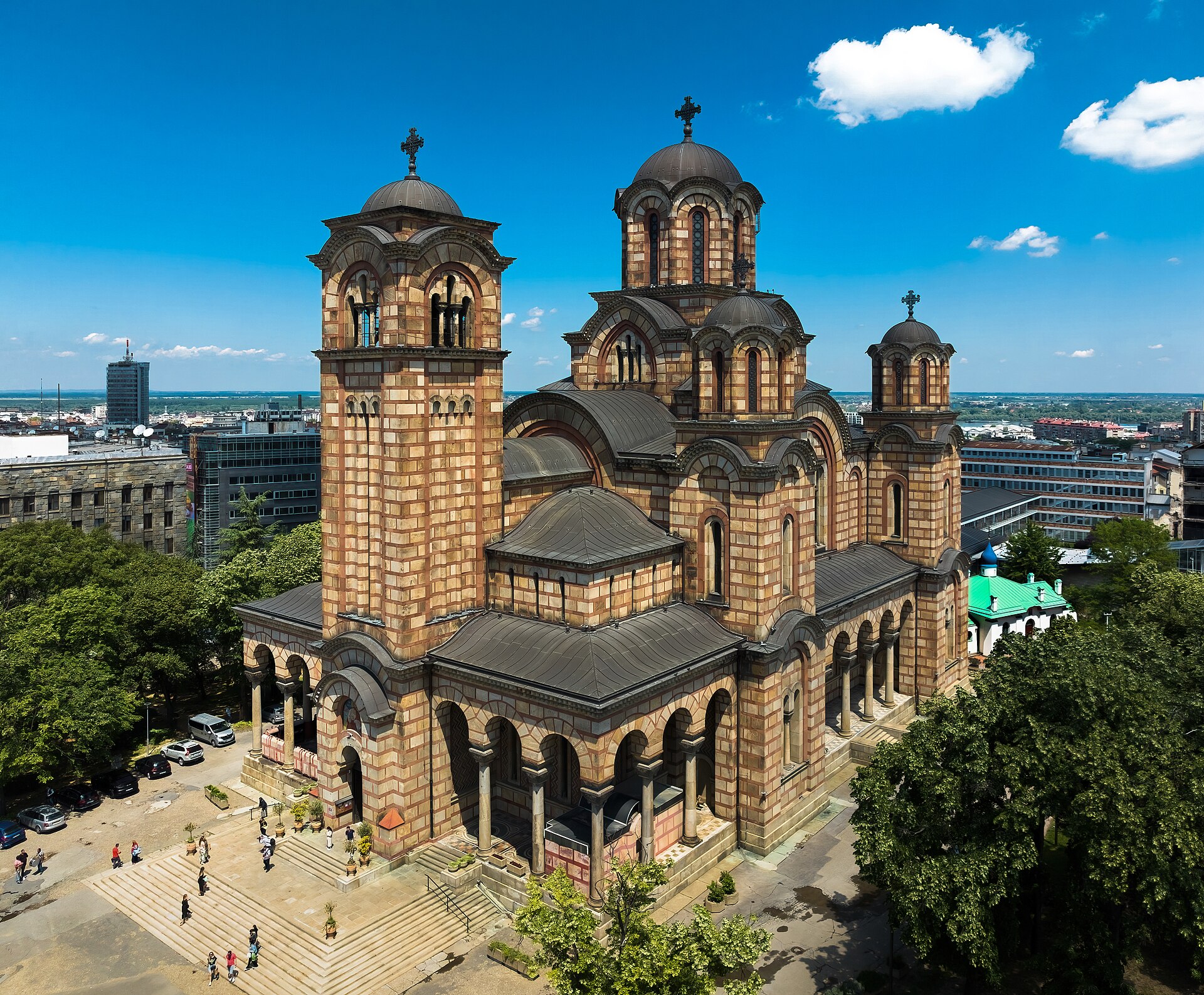
Church of Saint Mark
POIChurch houses seventy-five sarcophagi and remains of Emperor Stefan Dušan and Patriarch German, representing Serbo-Byzantine historical heritage.
Sources & Further Reading
- [1]Belgrade: A Cultural History — David Norris. Oxford University Press (2008)
- [2]The Balkans: Nationalism, War, and the Great Powers — Misha Glenny. Penguin (2012)
- [3]Serbia: A Modern History — Marko Attila Hoare. Hurst & Company (2023)