
Country Wiki
Russia
Russia is the world’s largest country, spanning Eastern Europe and northern Asia, and covering a vast range of climates, landscapes, and cultural regions. Its territory encompasses forests, tundra, mountains, and steppe, and has historically served as a crossroads between European and Asian civilizations. Modern Russia emerged from the collapse of the Soviet Union in 1991 and is today a federal semi-presidential republic with significant geopolitical influence. Its history, shaped by imperial expansion, revolution, and superpower status during the 20th century, continues to inform its political structure, cultural identity, and global role.
Early Slavic States and Kievan Rus'
c. 9th – 13th centuriesThe foundations of Russian statehood trace back to Kievan Rus', a federation of Slavic and Finno-Ugric peoples centered around Kiev, modern-day Ukraine. Influenced by Byzantine culture, it adopted Orthodox Christianity in 988. The state fragmented in the 12th century and was later weakened by Mongol invasions.
Mongol Rule and Rise of Moscow
13th – 16th centuriesFollowing the Mongol conquest, Russian principalities became tributaries of the Golden Horde. The Grand Duchy of Moscow gradually rose to prominence, consolidating power and eventually throwing off Mongol dominance in the late 15th century under Ivan III.
Tsardom and Imperial Expansion
1547–1917Ivan Grozny (Ivan the Terrible) declared himself Tsar in 1547, marking the beginning of centralized autocratic rule. Russia expanded dramatically across Siberia and into Eastern Europe. Under rulers such as Peter the Great and Catherine the Great, it modernized and became a major European power.
Revolution and Soviet Era
1917–1991The Russian Revolution of 1917 ended the monarchy and led to the establishment of the Soviet Union. Under communist rule, the USSR became a global superpower, particularly after World War II.
Post-Soviet Russia
1991–presentAfter the dissolution of the Soviet Union, Russia transitioned to a market economy and new political system. The 1990s were marked by economic instability, followed by political consolidation in the 2000s. Russia remains a major global actor with significant influence in international affairs.
Major Cities
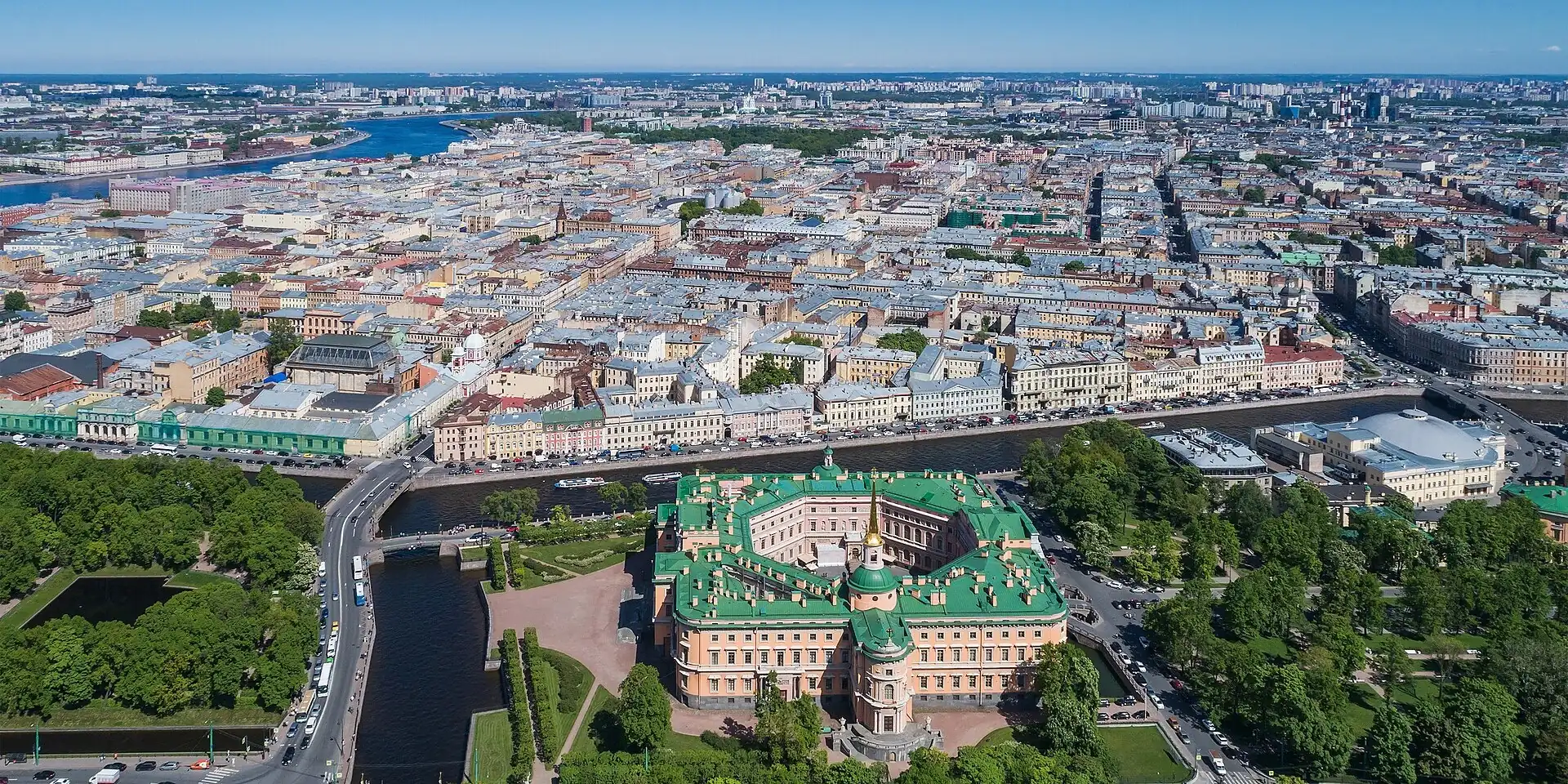
6 listed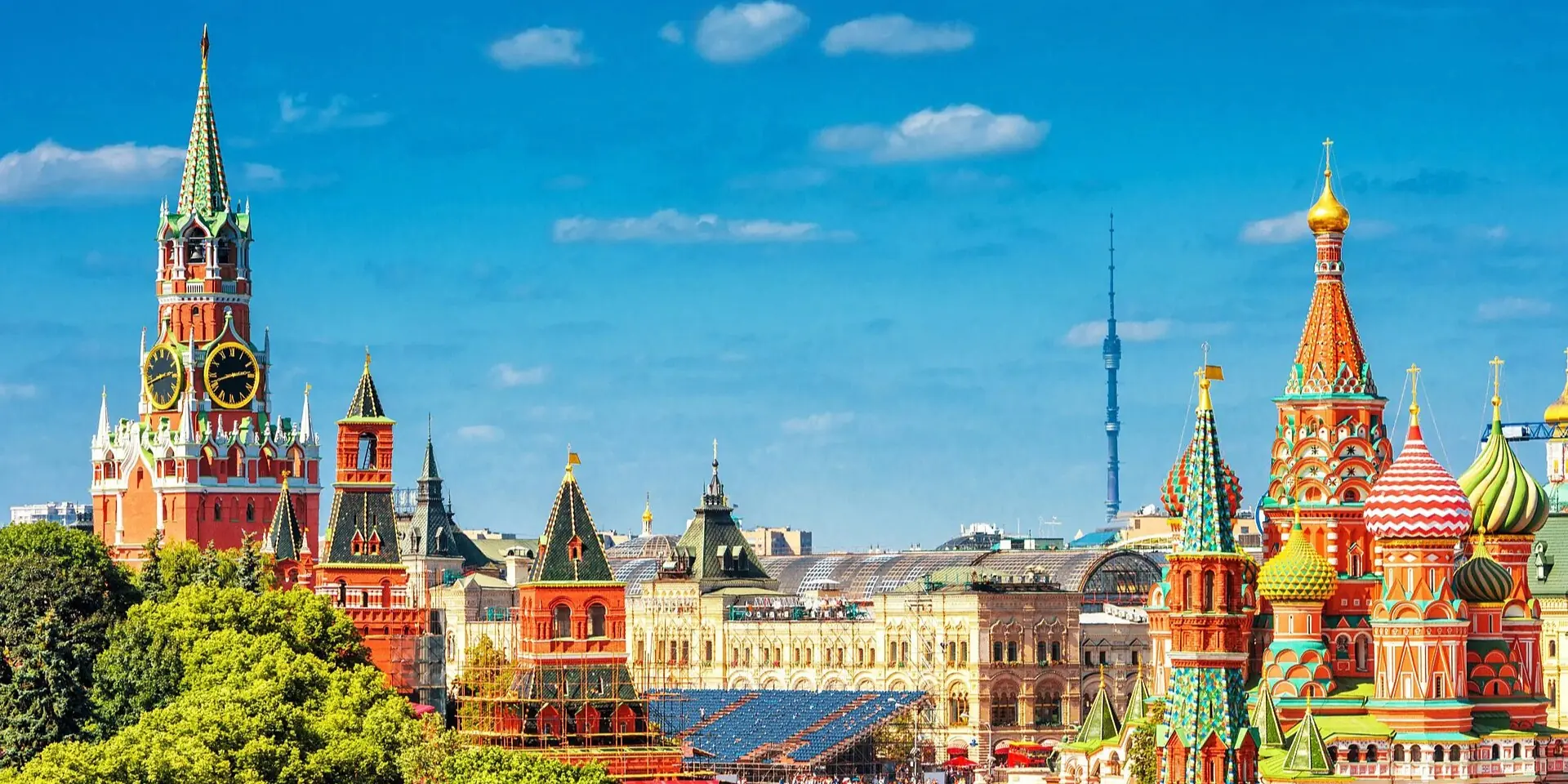
Notable POIs
10 listed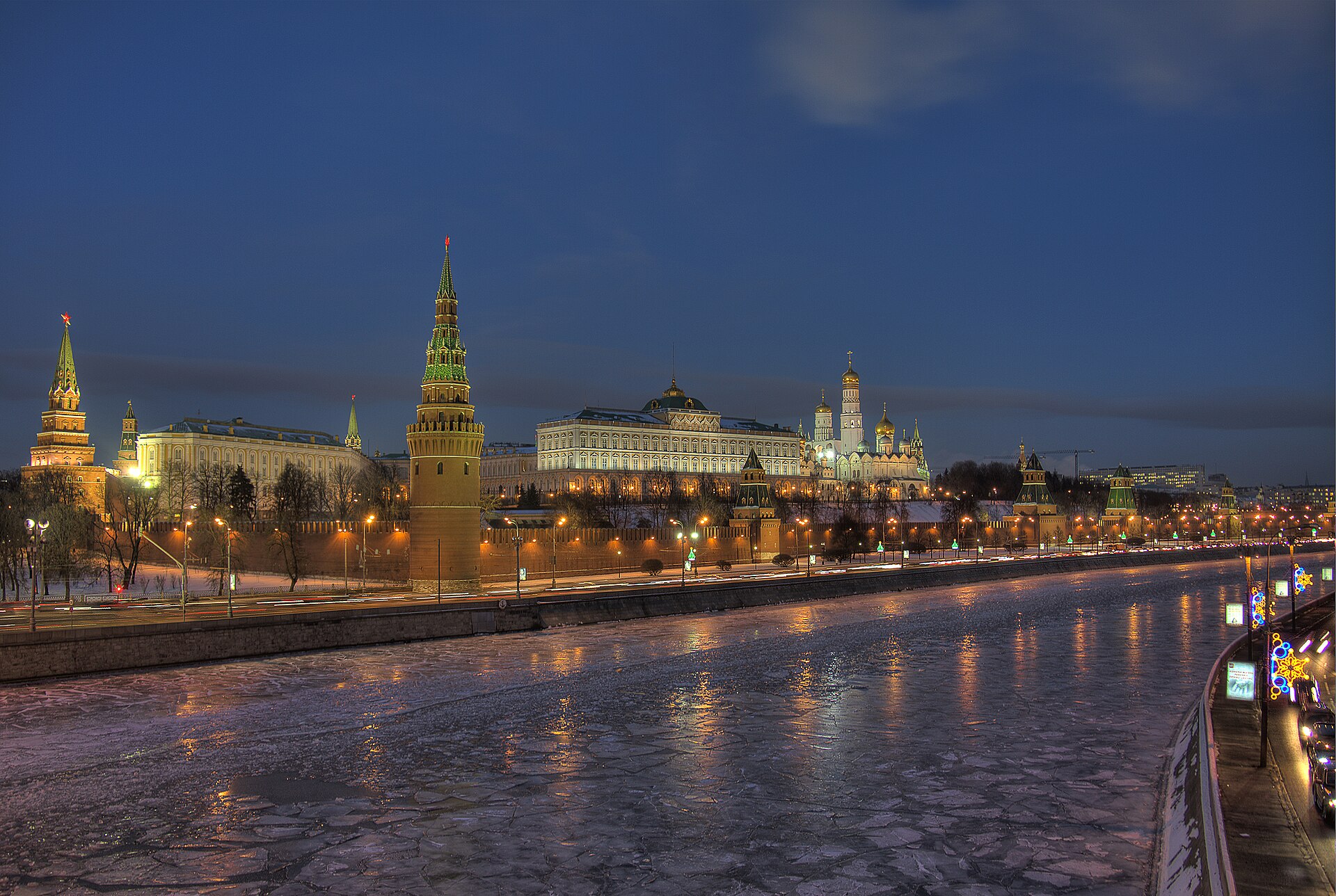
Kremlin
POIFortified complex with five palaces and four cathedrals, and is the residence of the president of Russia.
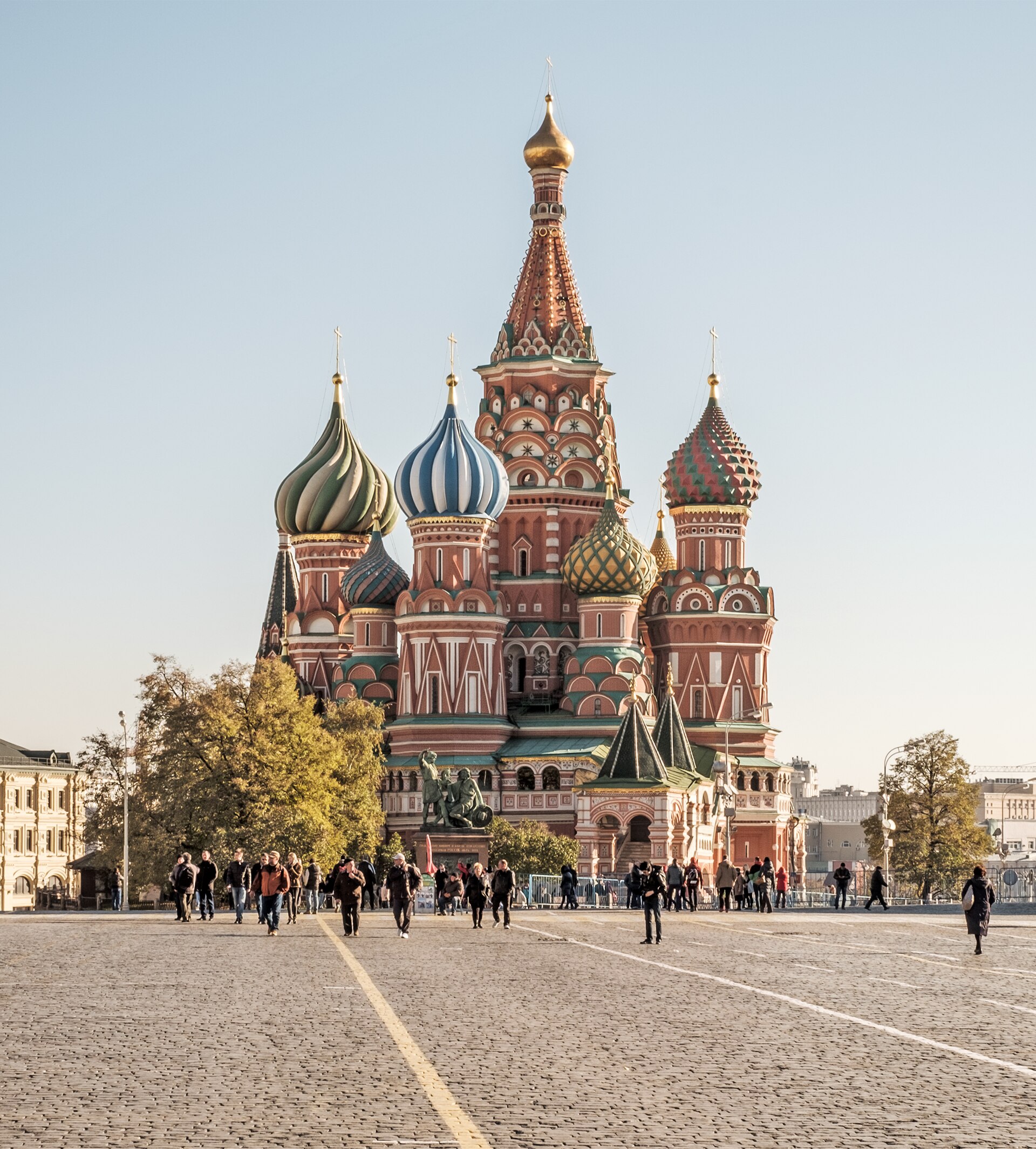
Cathedral of Vasily the Blessed
POIRussian Orthodox cathedral that combines eleven churches into a single ensemble.
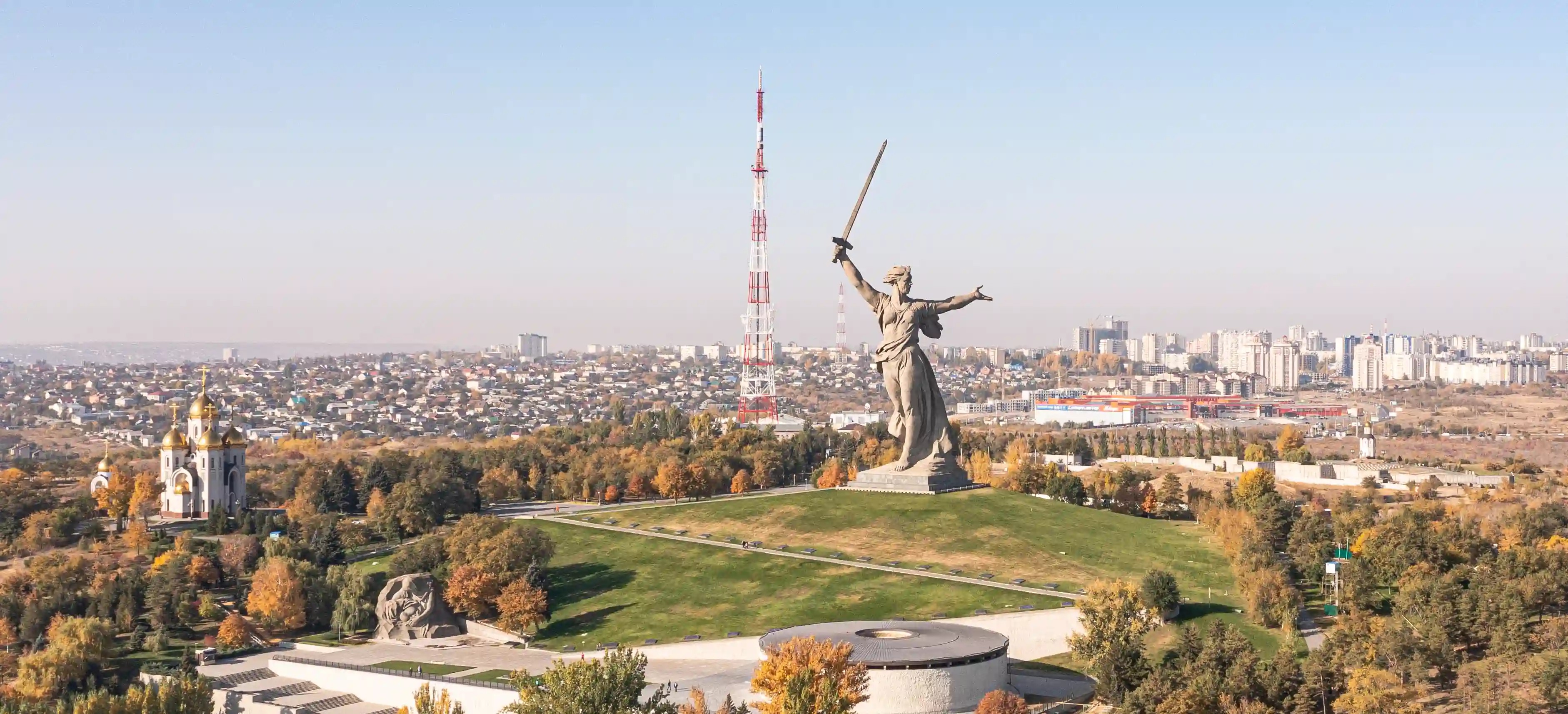
The Motherland Calls
POINeoclassicist and socialist realist war memorial sculpture commemorating the casualties of the Battle of Stalingrad, and the tallest statue in Europe.
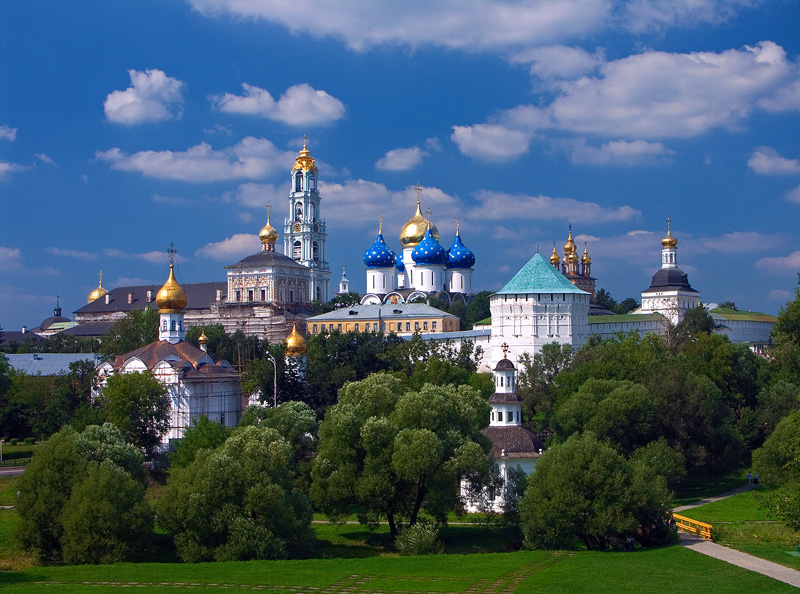
Trinity Lavra of St. Sergius
POIMost important Russian monastery and the spiritual center of the Russian Orthodox Church.
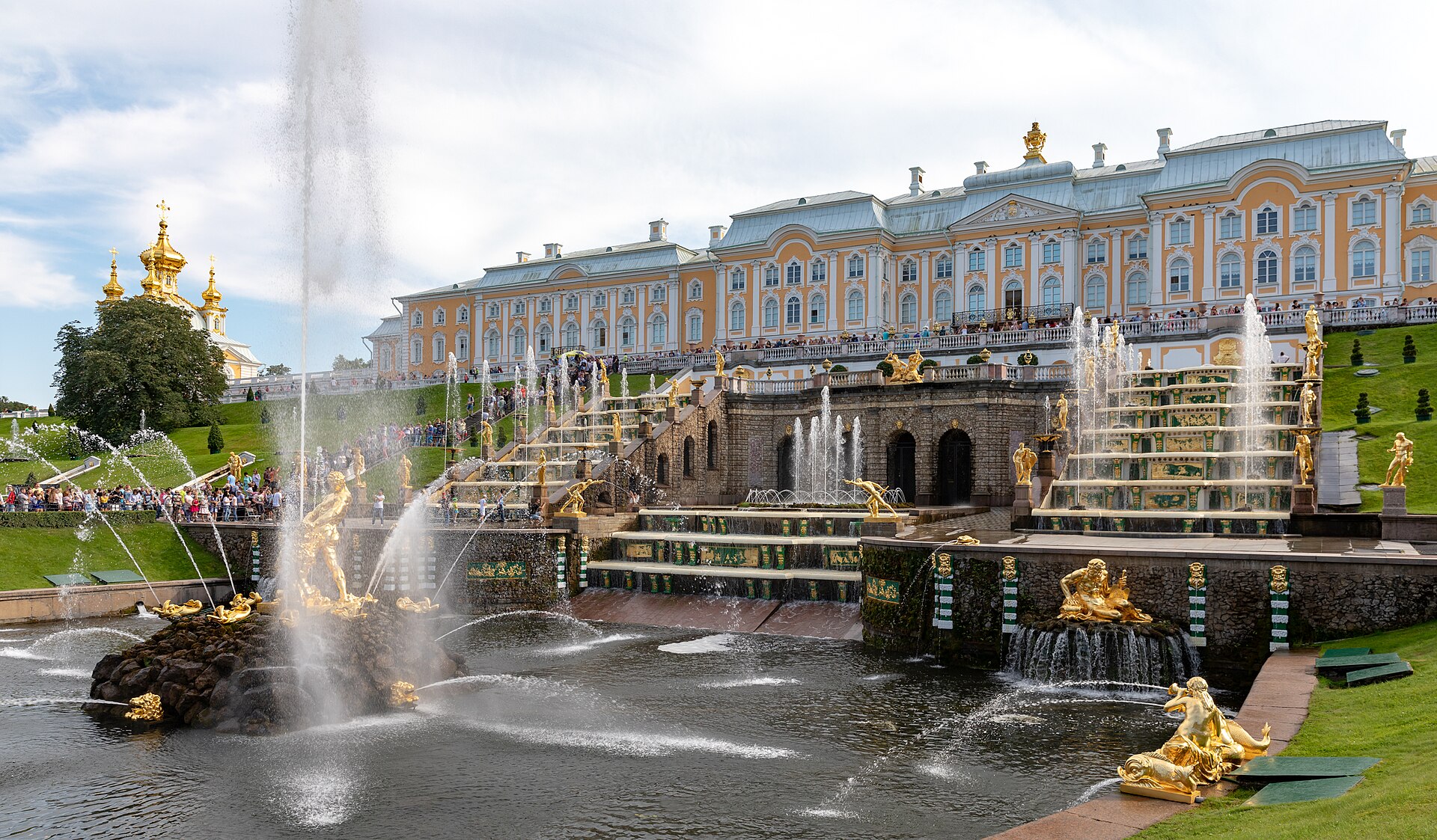
Petergof
POIA palace complex containing castles, museums, and fountains, nicknamed "The Russian Versailles."
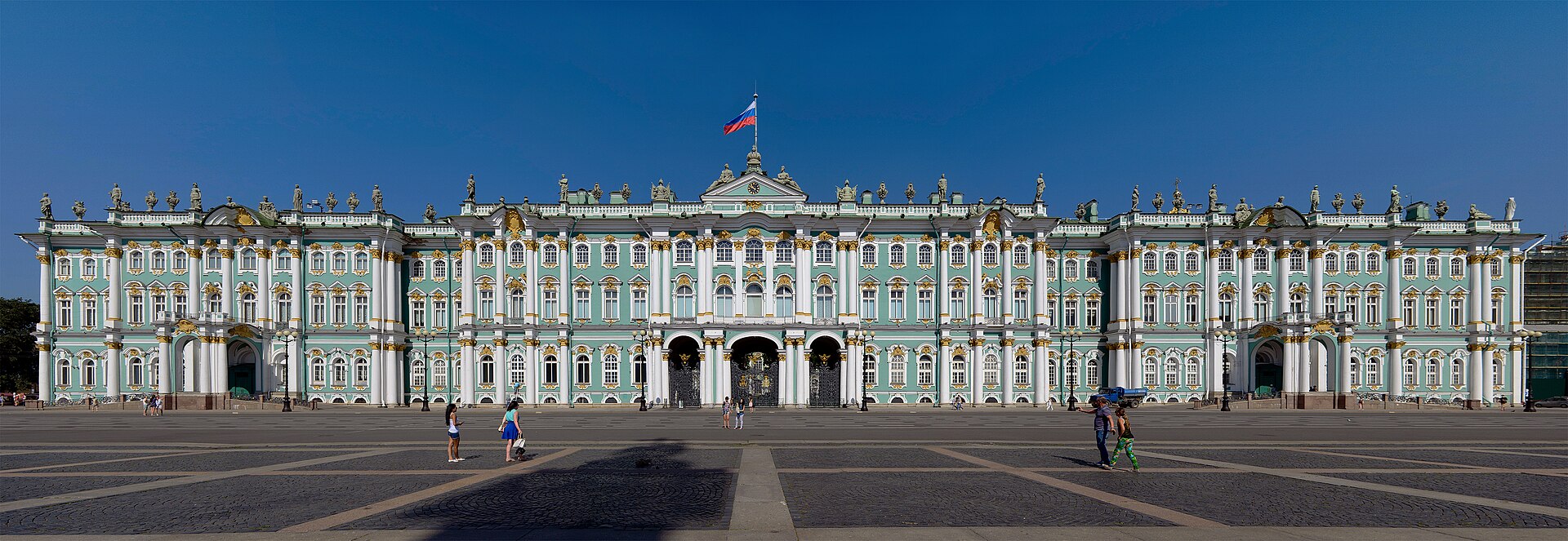
Winter Palace
POIFormer residence of the Romanov dynasty of tsars and site of the October Revolution, now housing the State Hermitage Museum.
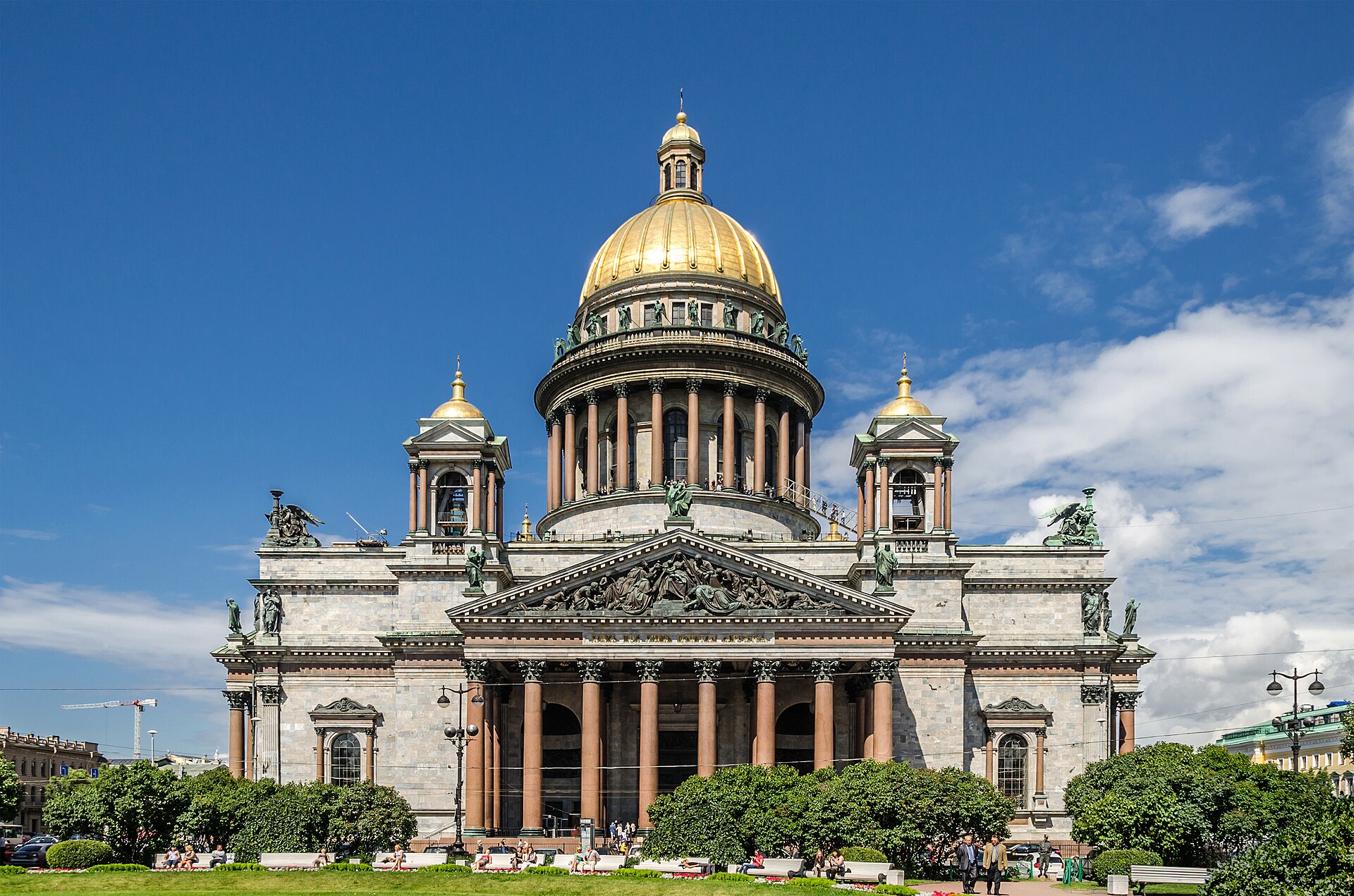
Saint Isaac's Cathedral
POILarge cathedral dedicated to the patron saint of Tsar Peter the Great, with a museum in the main church and services in the side chapel.
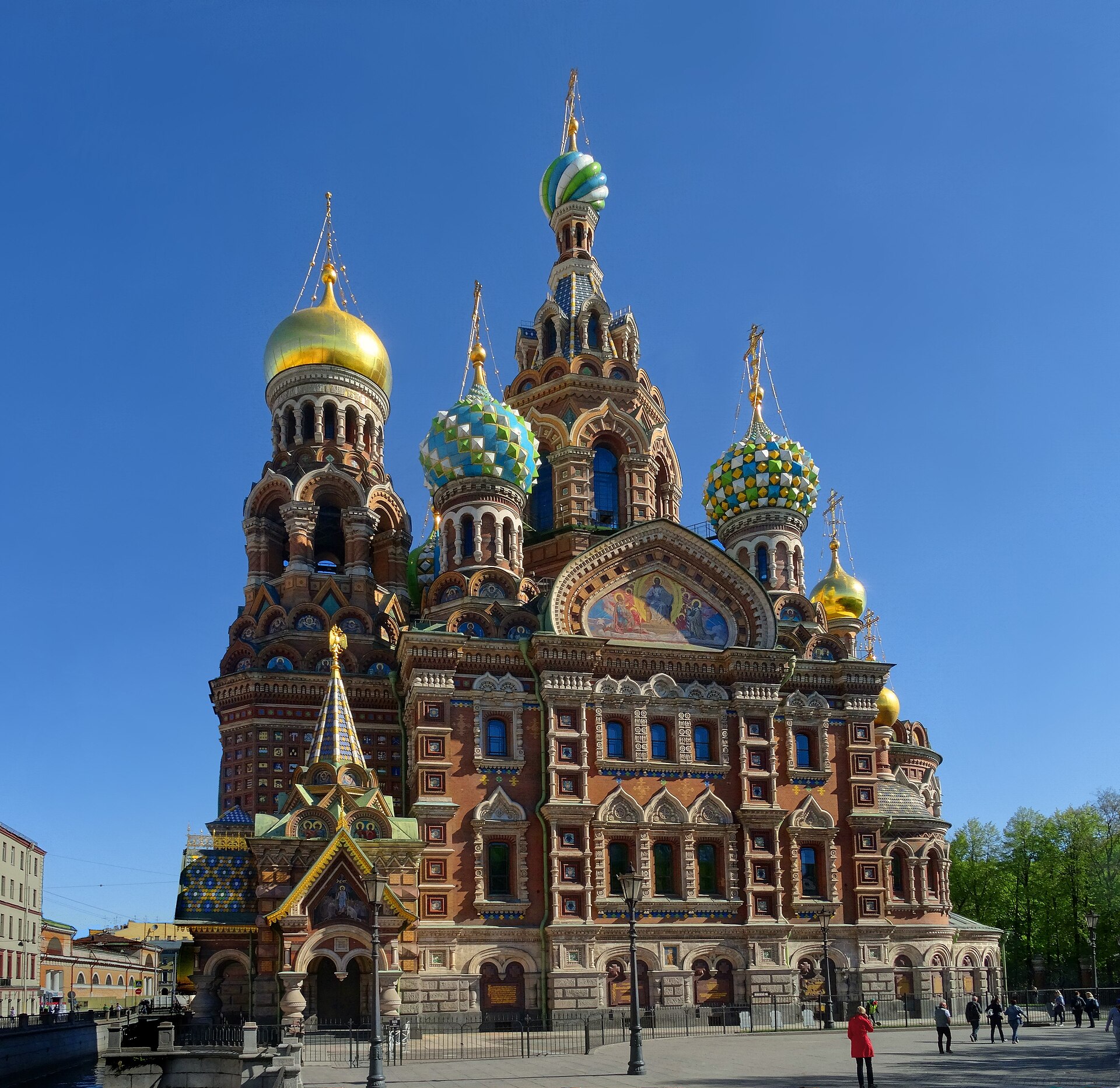
Church of the Savior on Blood
POIChurch and museum erected on the spot of Tsar Aleksandr II's assassination.
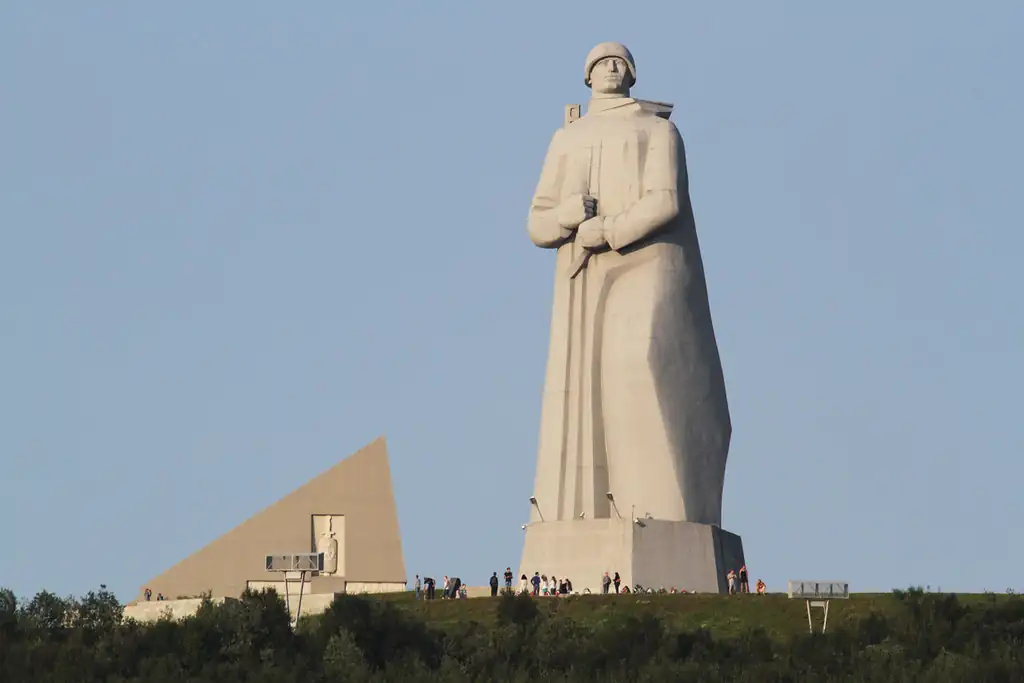
Alyosha Monument
POIMonument to the Soviet soldiers, sailors, and airmen of World War II, second-tallest statue in Russia.
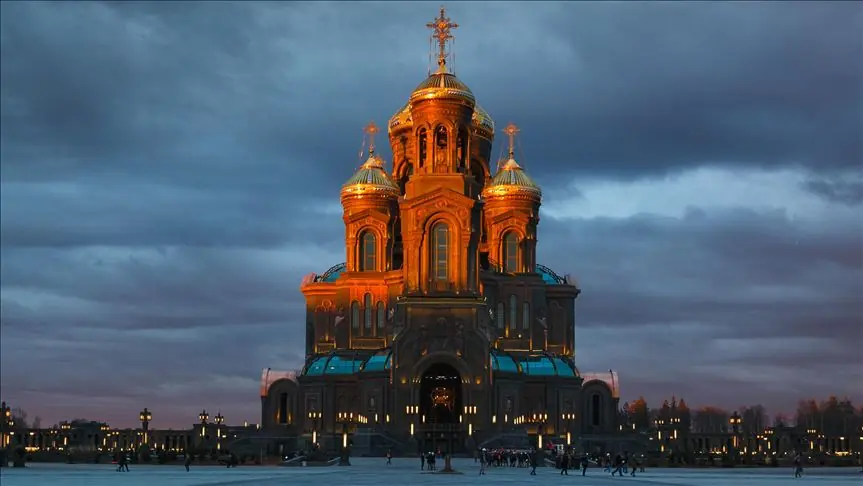
Cathedral of the Russian Armed Forces
POICathedral commemorating the 75th anniversary of victory in World War 2 and features metal floors forged from melted-down trophy Nazi weapons and tanks.
Sources & Further Reading
- [1]A History of Russia — Nicholas V. Riasanovsky and Mark D. Steinberg. Oxford University Press (2018)
- [2]The Russian Empire 1450–1801 — Nancy Shields Kollmann. Oxford University Press (2017)
- [3]The Soviet Union: A Short History — Sheila Fitzpatrick. Oxford University Press (2022)
- [4]World Bank Country Profile: RussiaView