Moscow
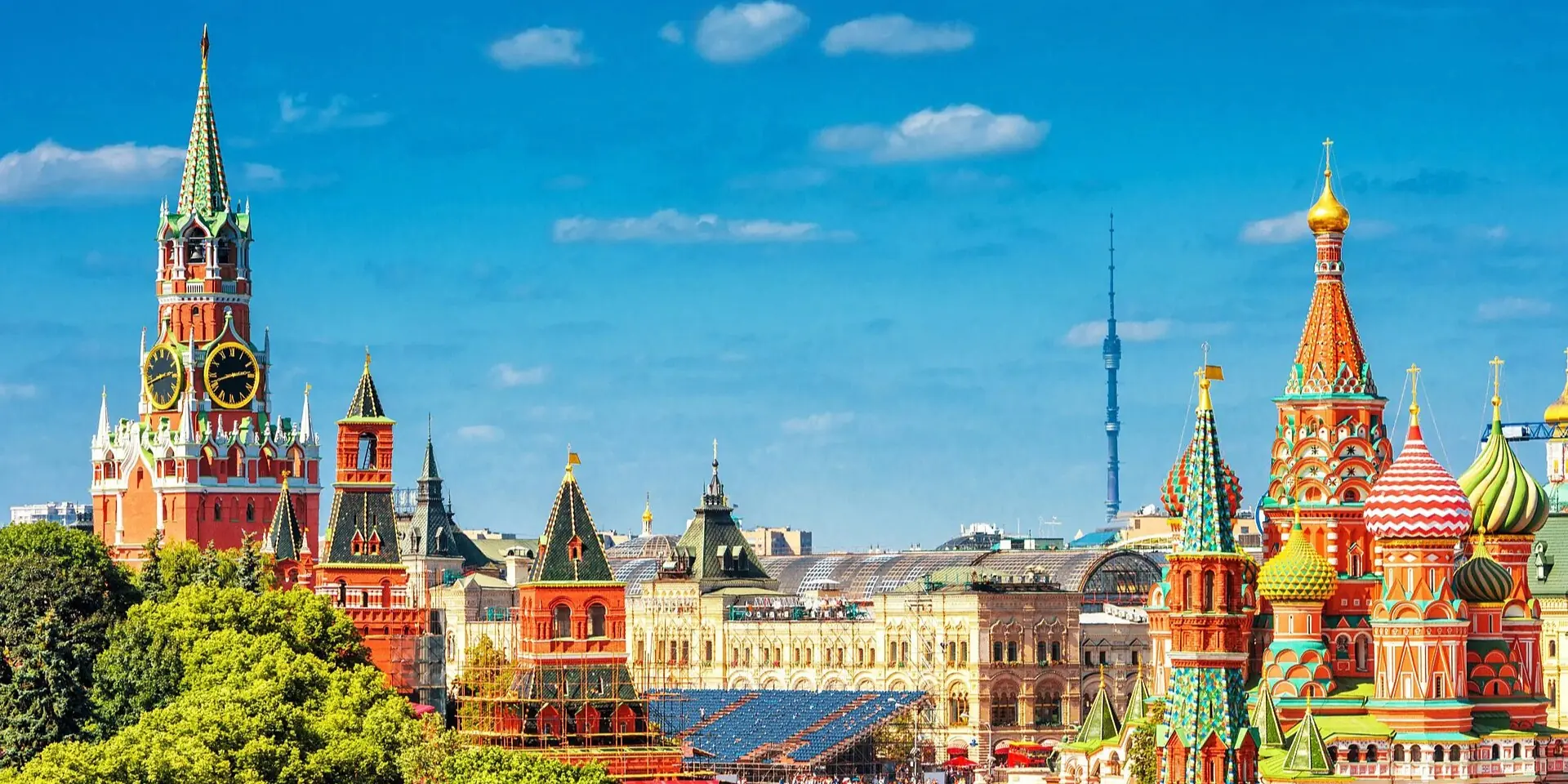
Moscow is the capital and largest city of Russia, situated on the Moskva River in the western part of the country. As the political, economic, and cultural center of Russia, it has played a central role in the nation’s development since its founding in the 12th century. The city is known for its historic architecture, including the Kremlin and Red Square, as well as its influence in global geopolitics. Today, Moscow is a major global city with a population exceeding 13 million. It serves as a hub for finance, education, and the arts, while preserving a complex historical landscape shaped by imperial, Soviet, and modern Russian periods.
Founding and Medieval Rise
12th–15th centuriesMoscow was first mentioned in 1147 and grew from a small settlement into a significant political center under the Grand Duchy of Moscow. Its strategic location and alliances enabled it to rise in prominence, eventually becoming the leading principality among the Russian lands during the decline of Mongol influence.
Tsardom and Imperial Era
16th–18th centuriesMoscow became the capital of the Tsardom of Russia and was the seat of power for rulers such as Ivan Grozny. Although the capital was moved to Saint Petersburg in the early 18th century, Moscow remained a vital religious and cultural center. The city experienced major rebuilding after fires and invasions, including Napoleon’s occupation in 1812.
Soviet Transformation
20th centuryMoscow regained its status as the capital after the Russian Revolution in 1917. Under Soviet rule, the city underwent extensive industrialization and urban expansion, with monumental architecture and infrastructure projects reshaping its landscape. It became the political center of the Soviet Union and a focal point during World War II and the Cold War.
Post-Soviet Moscow
1991–presentFollowing the dissolution of the Soviet Union, Moscow transitioned into the capital of the Russian Federation. The city has experienced rapid economic growth, modernization, and increased global integration, alongside challenges related to urban development and population expansion.
Notable POIs in Moscow
6 listed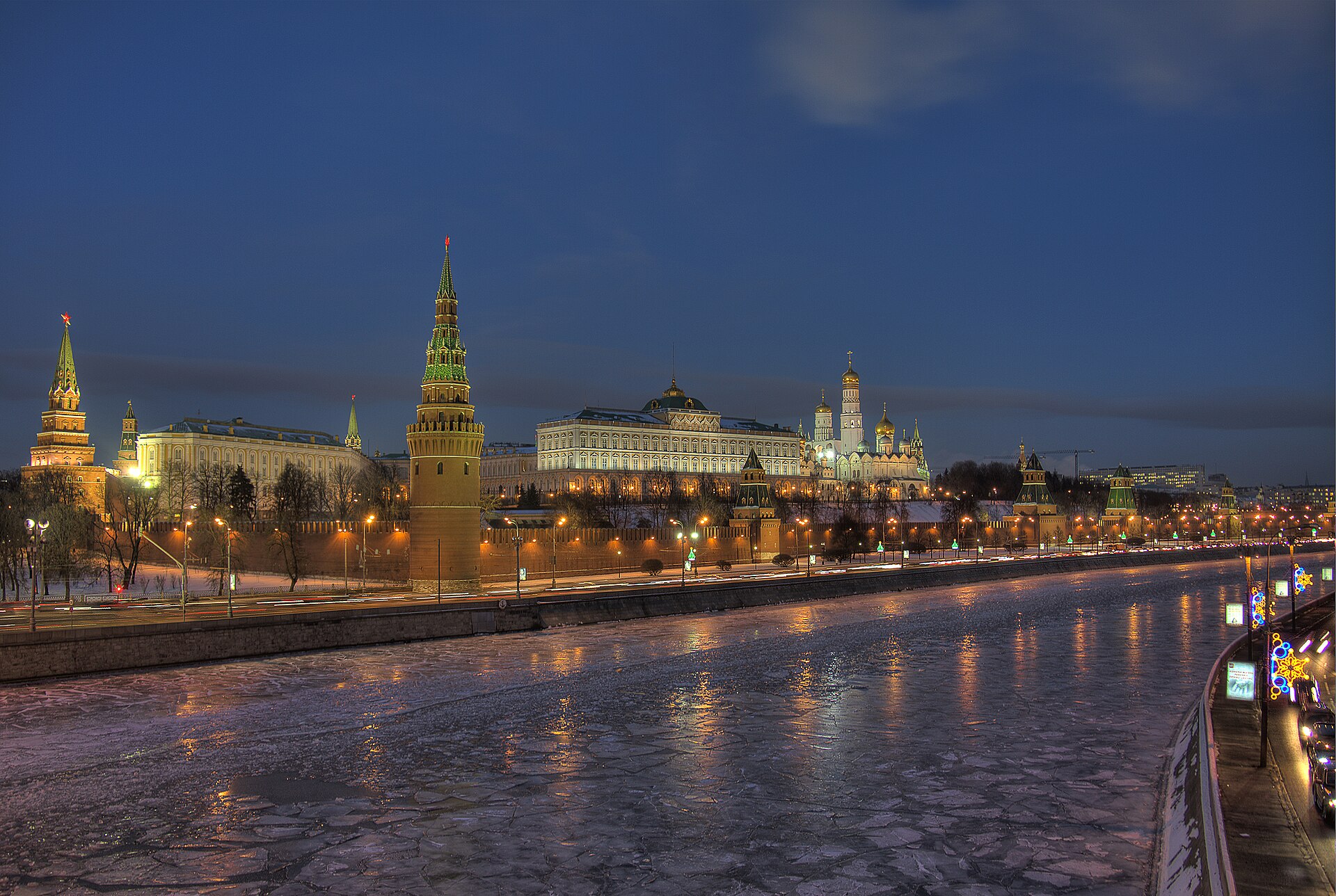
Kremlin
POIFortified complex with five palaces and four cathedrals, and is the residence of the president of Russia.
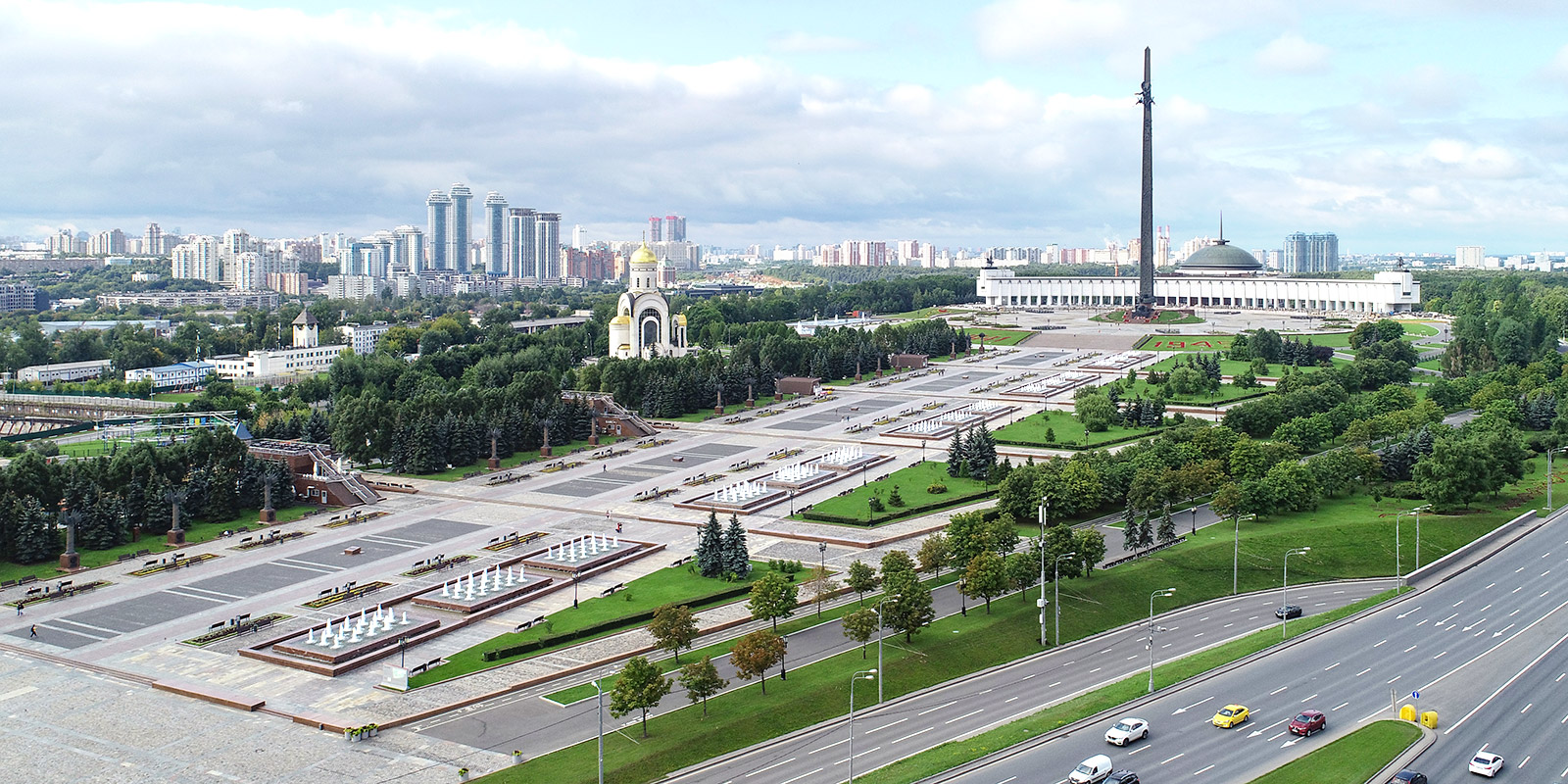
Poklonnaya Hill
POIMemorial complex featuring a hundred-and-forty-one-meter obelisk and expansive granite plazas to serve as a primary site of national remembrance for the casualties and victory of the Great Patriotic War.
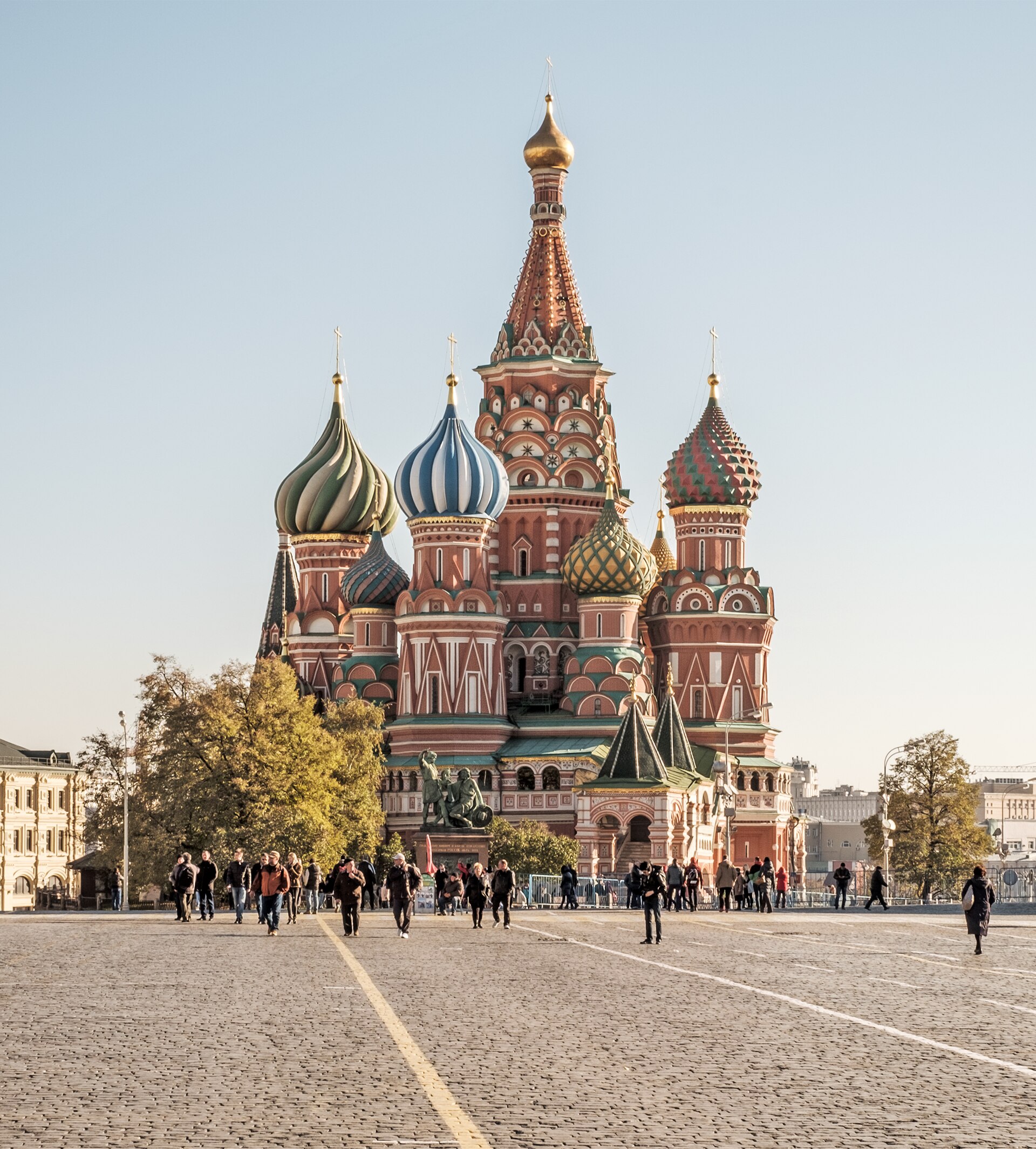
Cathedral of Vasily the Blessed
POIRussian Orthodox cathedral that combines eleven churches into a single ensemble.
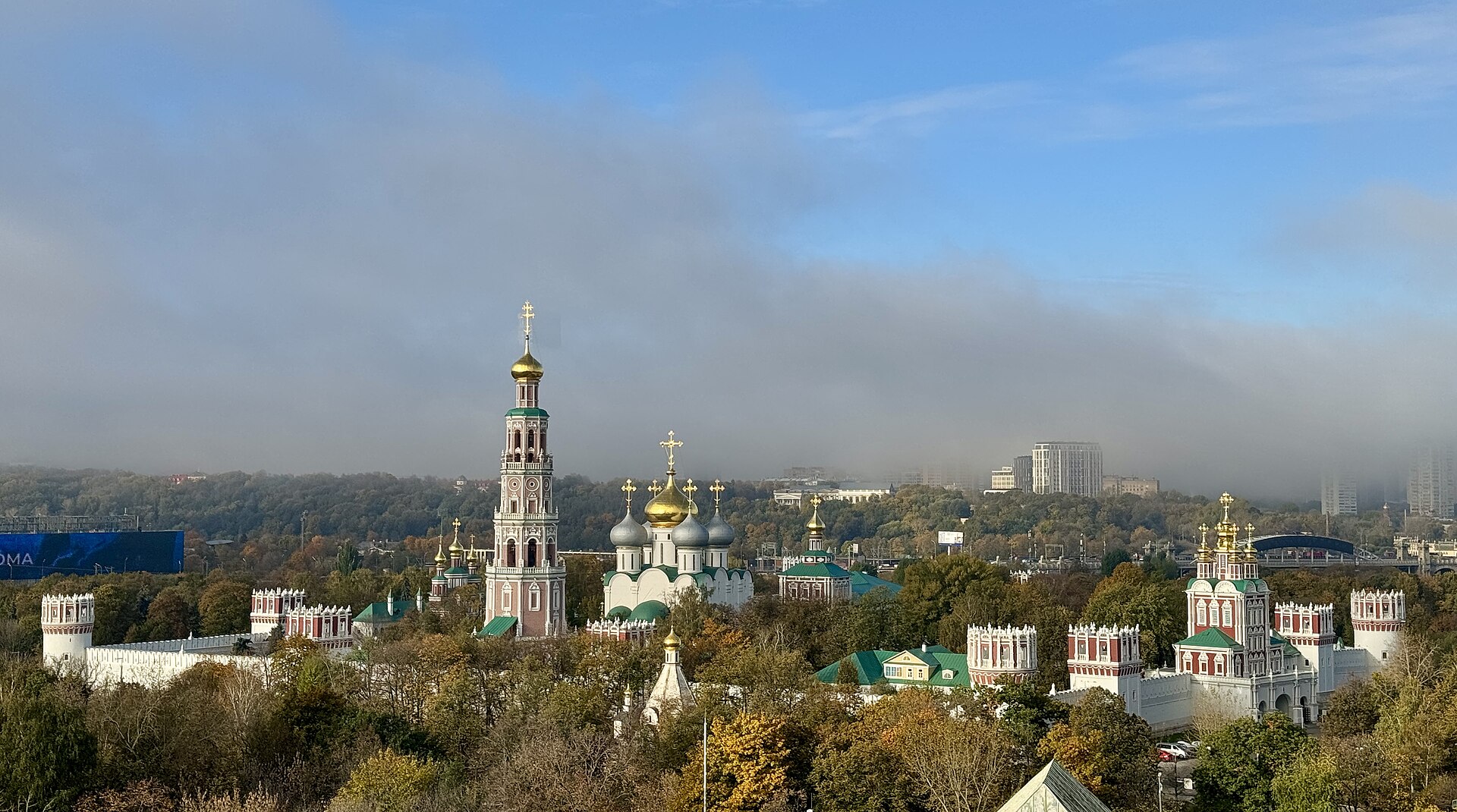
Novodevichy Convent
POISixteenth-century complex featuring a high defensive wall and twelve octagonal towers to serve as a strategic fortress and a primary monastic retreat for women of the Russian nobility.
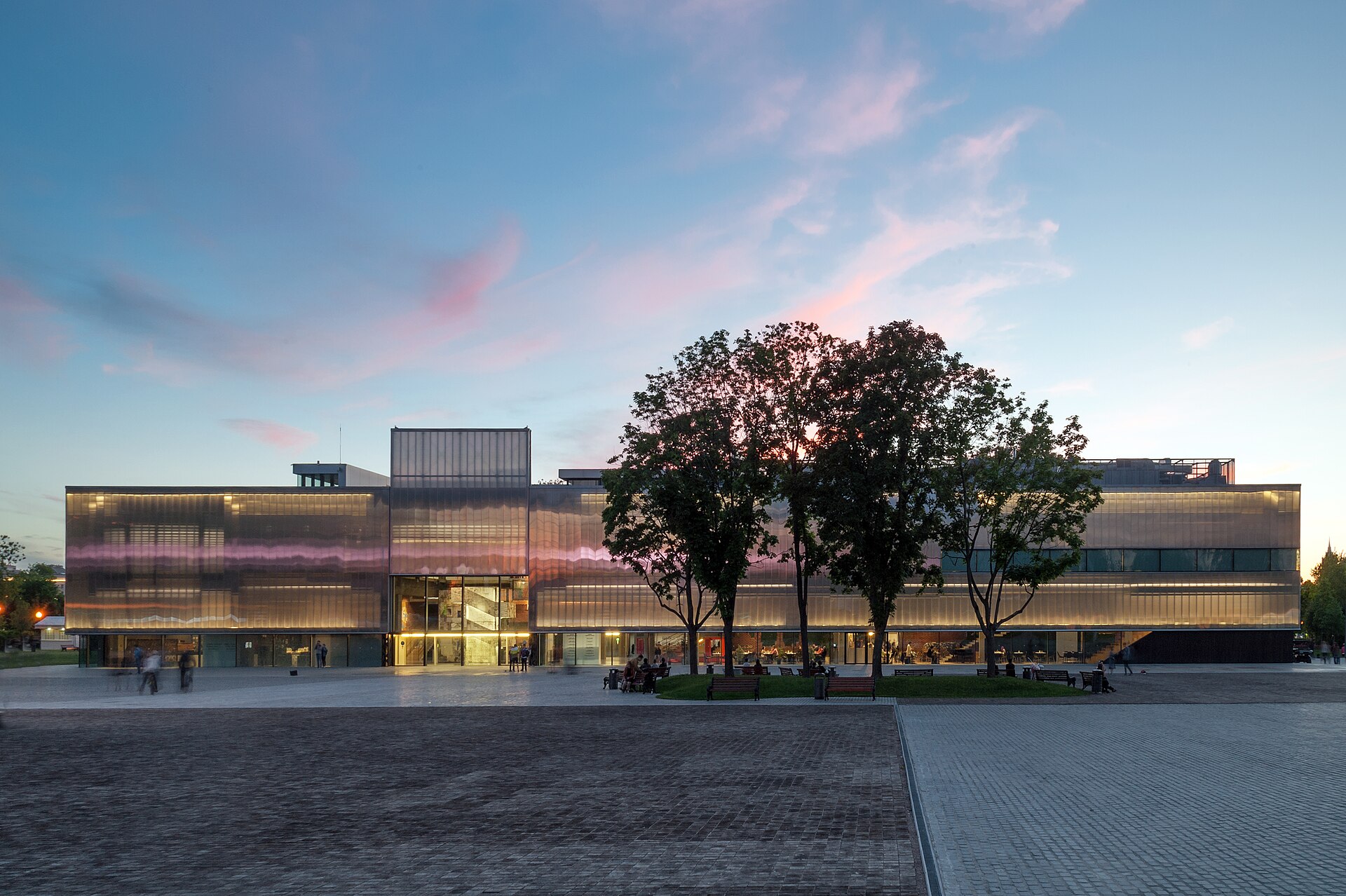
The Garage Museum
POIRepurposed modernist pavilion originally serving twelve hundred diners as a Soviet-era restaurant, now housing the world's largest archive of Russian contemporary art with over five hundred thousand documents and three thousand archival videos.
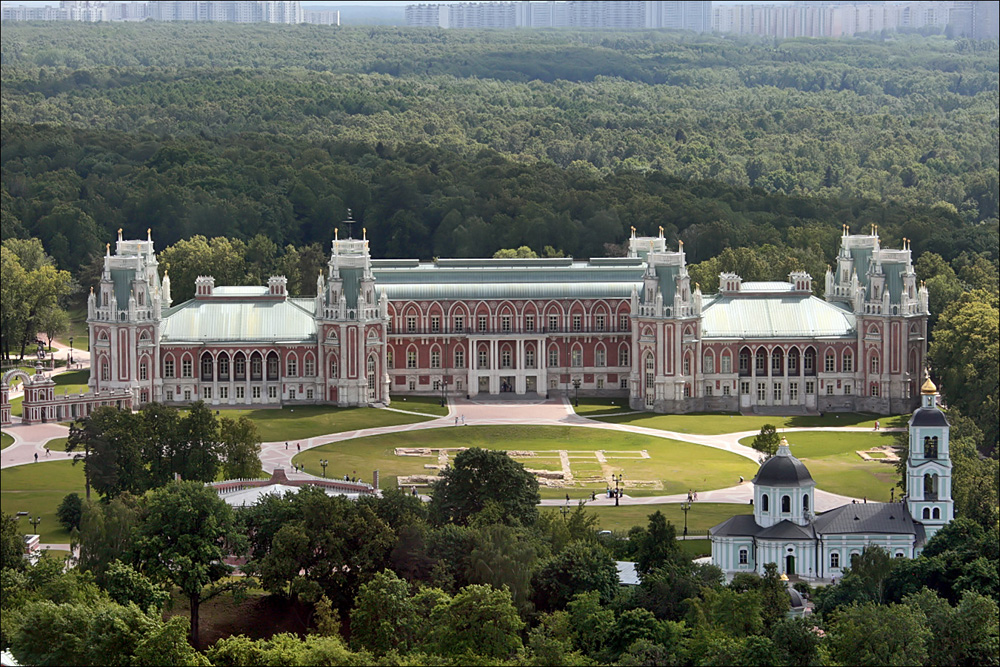
Tsaritsyno Palace
POIEighteenth-century palace featuring a synthesis of Russian Gothic and neoclassical styles to serve as a grand country estate for Ekaterina the Great and a monumental example of "theatrical" imperial architecture.
Sources & Further Reading
- [1]Moscow: Governing the Socialist Metropolis — Tim Bunnell and others. Routledge (2012)
- [2]A History of Moscow — Katherine Zubovich. Princeton University Press (2021)
- [3]The Cambridge Companion to Modern Russian Culture — Nicholas Rzhevsky. Cambridge University Press (1998)