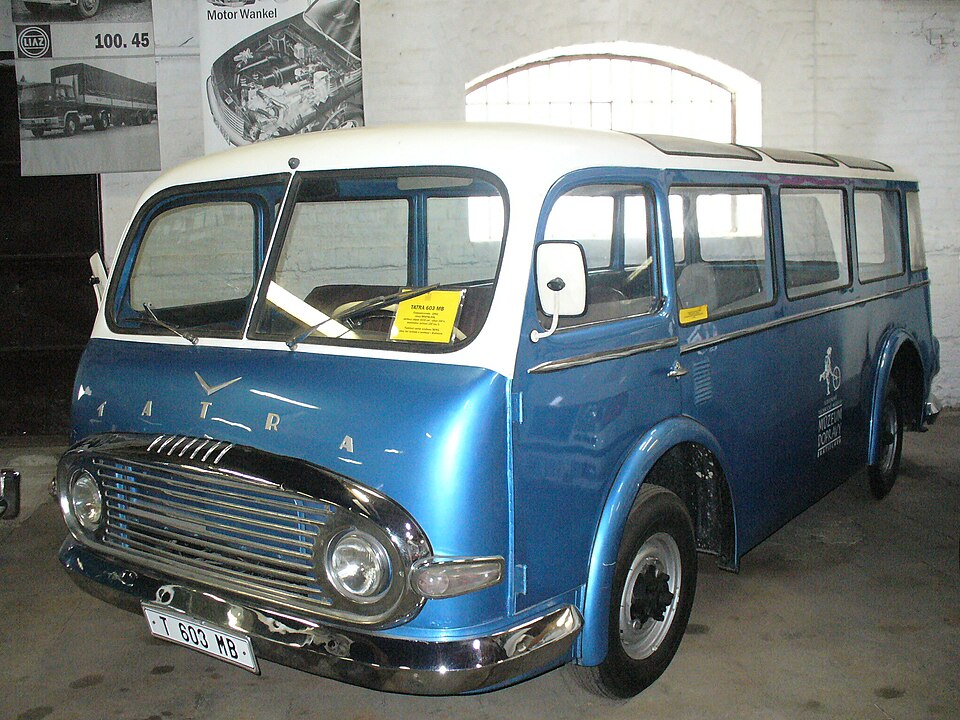
The Bratislava Transport Museum is the first technical museum in Slovakia, situated within the historic premises of the city's original steam-railway station. The site preserves the architectural heritage of the 19th-century railway infrastructure while housing an extensive collection of vintage transportation technology.
The museum's exhibits span the evolution of mobility in the region, featuring a significant collection of steam locomotives, historic railway carriages, and signaling equipment. Beyond rail transport, the museum displays a wide array of vintage automobiles, motorcycles, and bicycles, documenting the industrial and social history of transport in Slovakia.
Key Facts
- Materials
- Brick, Stone, Iron, Timber
- Civilization
- Slovak
- Accessibility
- Ground level access to most exhibition halls
- Date(s)
- 1848
- Condition
- Restored and active as a museum
- Original Function
- Railway station
- Key Figures
- Franz Joseph I
Establishment of the Railway
1848The site was originally constructed as the terminus for the first horse-drawn railway in the Kingdom of Hungary, which was later converted to steam power. It served as a vital transport hub connecting Bratislava to Vienna and Trnava.
Transition to Museum
1999Following the decommissioning of the site as an active railway station, the premises were repurposed to house the national technical collection. The museum officially opened to the public in 1999, preserving the original station architecture.
Modern Development
21st CenturyThe museum has expanded its collection to include rare examples of Czechoslovak automotive engineering, including prototypes and vehicles from the interwar period, solidifying its role as a key institution for industrial heritage.
Cultural Significance
The museum serves as a primary repository for Slovak industrial history, reflecting the nation's transition from an agrarian society to an industrialized European state. It is a focal point for enthusiasts of railway history and automotive design, maintaining the legacy of the first steam-railway line in the region.
Interpretive Notes
Scholarly debates and areas of uncertainty
There is ongoing academic discussion regarding the preservation of industrial heritage sites in Bratislava, specifically balancing the adaptive reuse of historic railway architecture with the requirements of modern urban development.
Visiting Information
Entry Rules
Open Tuesday through Sunday. Tickets can be purchased at the entrance. No specific dress code is required.
Best Times to Visit
Weekday mornings are recommended to avoid weekend crowds and to allow for a more detailed viewing of the locomotive exhibits.
Photography
Personal photography is permitted for non-commercial use. Tripods require prior authorization from museum administration.
Preservation Notes
Visitors are requested not to climb on the vintage vehicles or touch the sensitive mechanical components of the locomotives. Stay within marked visitor pathways.
Nearby POIs
11 shownSources & Further Reading
- [1]
- [2]Industrial Heritage of Slovakia — Ján Kováč. Slovak Heritage Press (2015)
Key Facts
- Materials
- Brick, Stone, Iron, Timber
- Civilization
- Slovak
- Accessibility
- Ground level access to most exhibition halls
- Date(s)
- 1848
- Condition
- Restored and active as a museum
- Original Function
- Railway station
- Key Figures
- Franz Joseph I