
Bratislava
Bratislava is the capital and largest city of Slovakia, situated along the Danube River near the borders of Austria and Hungary. Its strategic location in Central Europe has made it an important crossroads of trade, culture, and political power for centuries. The city’s historic core reflects a blend of medieval, Baroque, and modern influences shaped by its diverse past. Historically known as Pressburg, Bratislava served as the capital of the Kingdom of Hungary from the 16th to 18th centuries. Today, it is the political, economic, and cultural center of Slovakia, playing a key role in regional cooperation and European integration.
Early Settlements and Medieval Development
Prehistory-15th centuryThe area of present-day Bratislava has been inhabited since prehistoric times, with Celtic and later Roman influences evident in the region. By the Middle Ages, the settlement developed into an important fortified town within the Kingdom of Hungary, benefiting from its position along key trade routes.
Capital of the Kingdom of Hungary
16th-18th centuriesAfter the Ottoman occupation of central Hungary, Bratislava (then Pressburg) became the capital of the Kingdom of Hungary. It hosted coronations of Hungarian kings and served as the seat of the Hungarian Diet. The city flourished culturally and architecturally during this period.
Austro-Hungarian Era and National Movements
19th century-1918During the Austro-Hungarian Empire, Bratislava experienced modernization and industrial growth. Nationalist movements emerged among Slovaks and other ethnic groups, reflecting broader political changes across Central Europe leading up to the empire’s dissolution.
20th Century Transformations
1918-1993After World War I, Bratislava became part of Czechoslovakia. The city underwent political and demographic changes during World War II and the subsequent socialist period. Following the peaceful dissolution of Czechoslovakia in 1993, Bratislava became the capital of an independent Slovakia.
Modern Bratislava
1993-presentSince independence, Bratislava has developed into a modern European capital with a growing economy and international presence. Its proximity to Vienna and integration into the European Union have contributed to its role as a regional hub for business, culture, and diplomacy.
Notable POIs in Bratislava
6 listed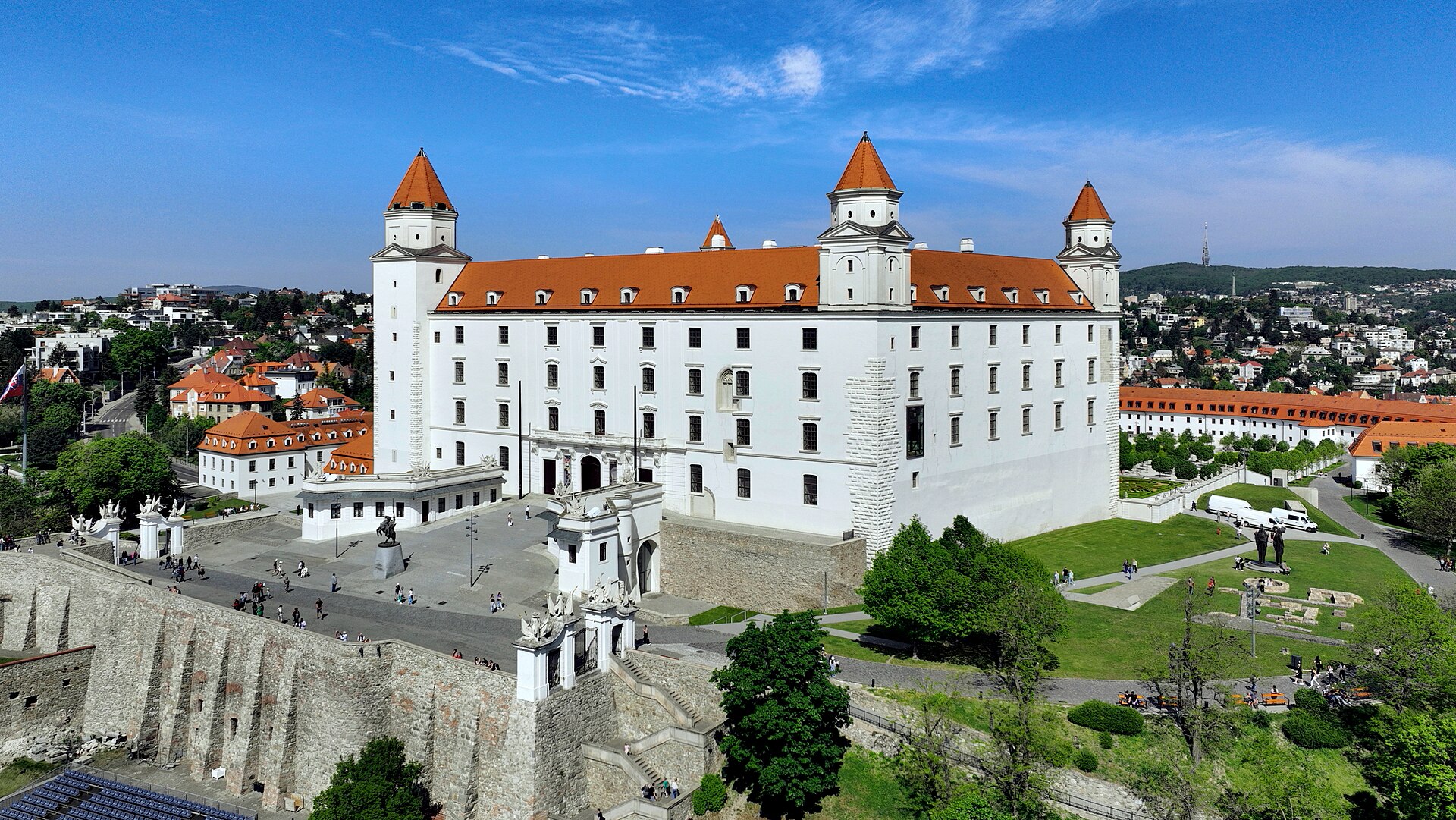
Bratislava Castle
POIMassive rectangular building with four corner towers standing on a rocky hill, serving as a primary defensive site since the Iron Age, offering views of Slovakia, Austria, and Hungary.
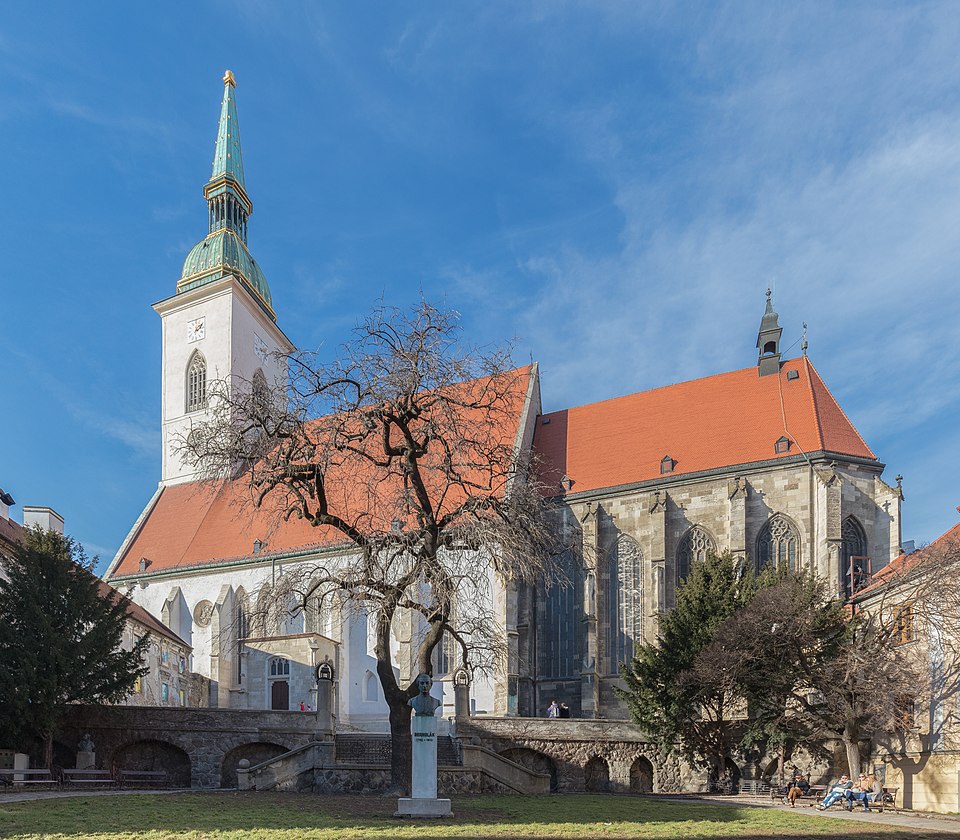
St. Martin's Cathedral
POIGothic cathedral once serving as the coronation site for eighteen Hungarian monarchs and featuring a gilded replica of the Holy Crown of Hungary atop its 85-meter tower.
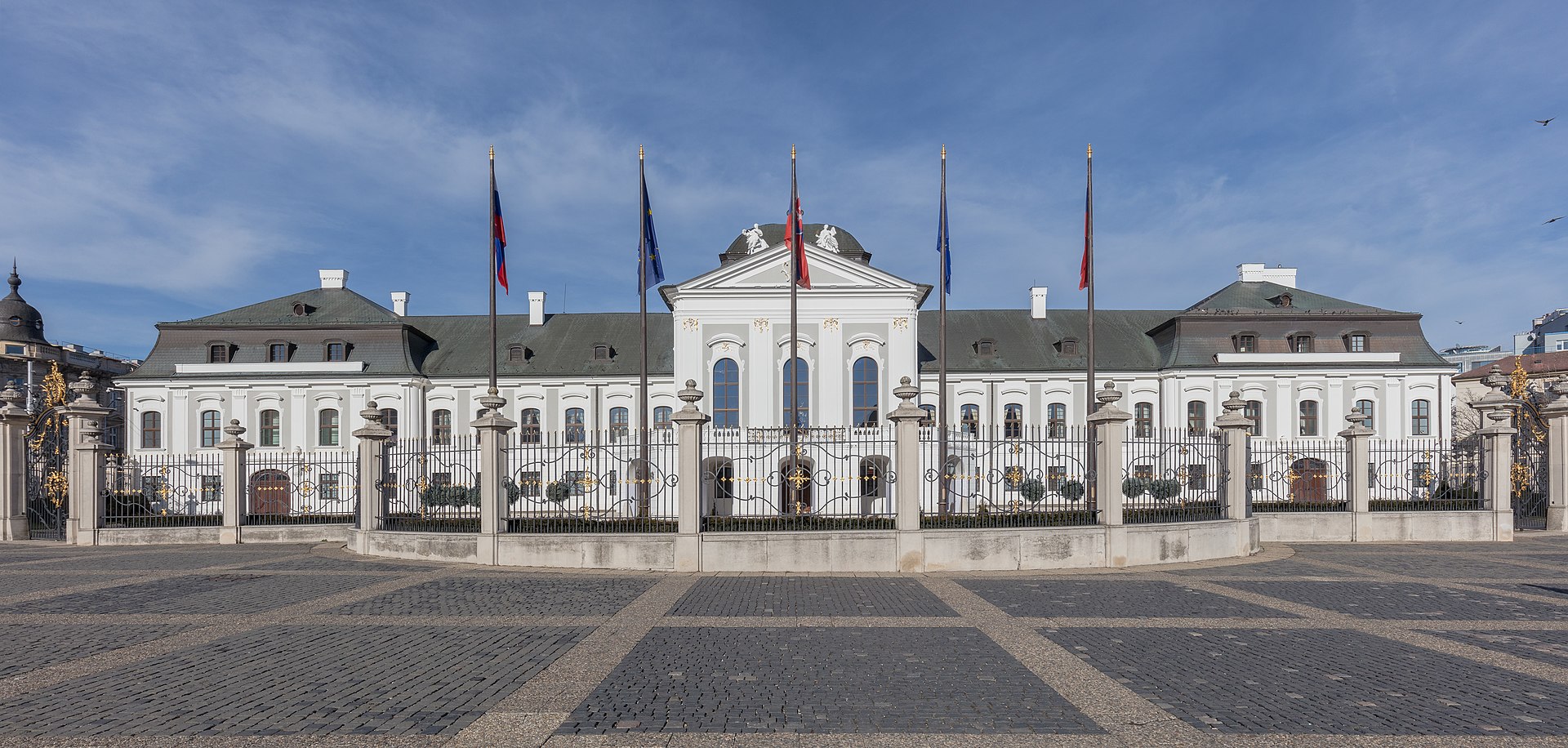
Grassalkovich Palace
POIBaroque palace serving as the official residence of the President of Slovakia, originally constructed for a Croatian noble and later becoming a center for aristocratic musical life.
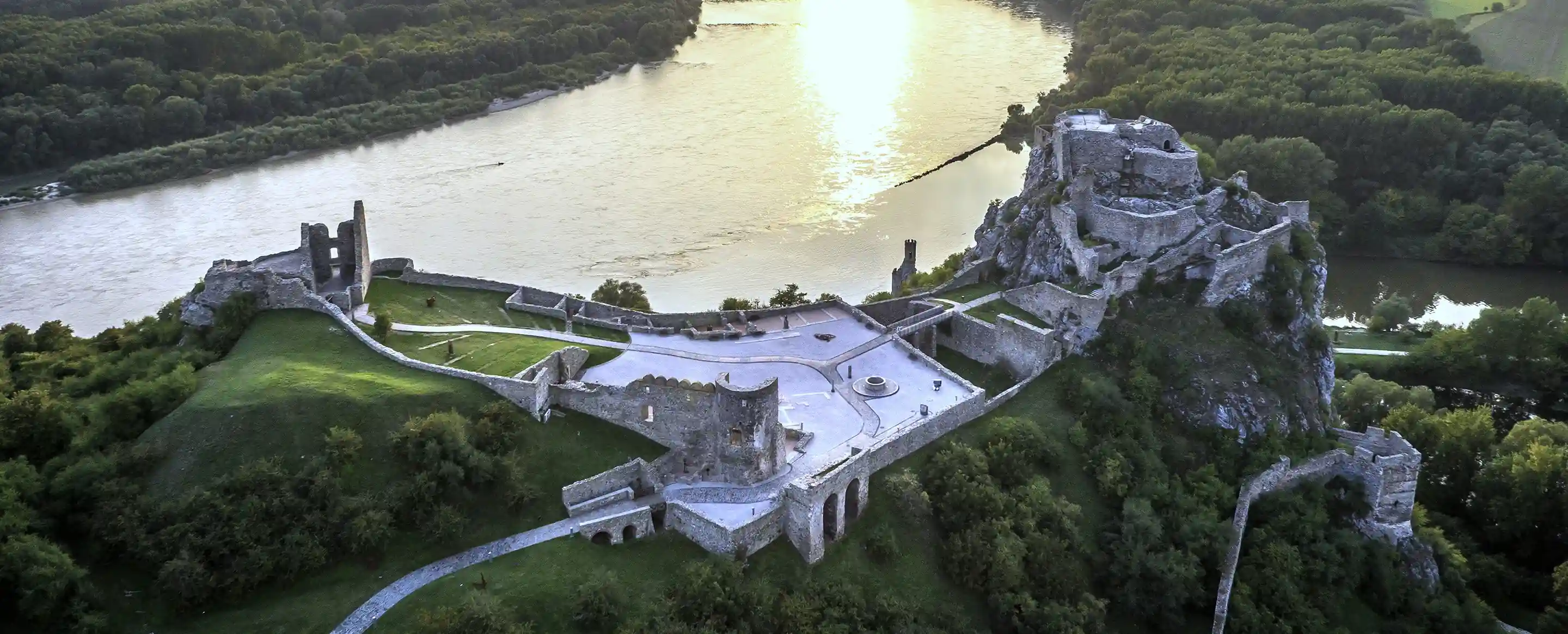
Devin Castle
POIMedieval fortress built upon an 80-meter limestone cliff overlooking the confluence of the Danube and Morava rivers, serving as a critical strategic stronghold.
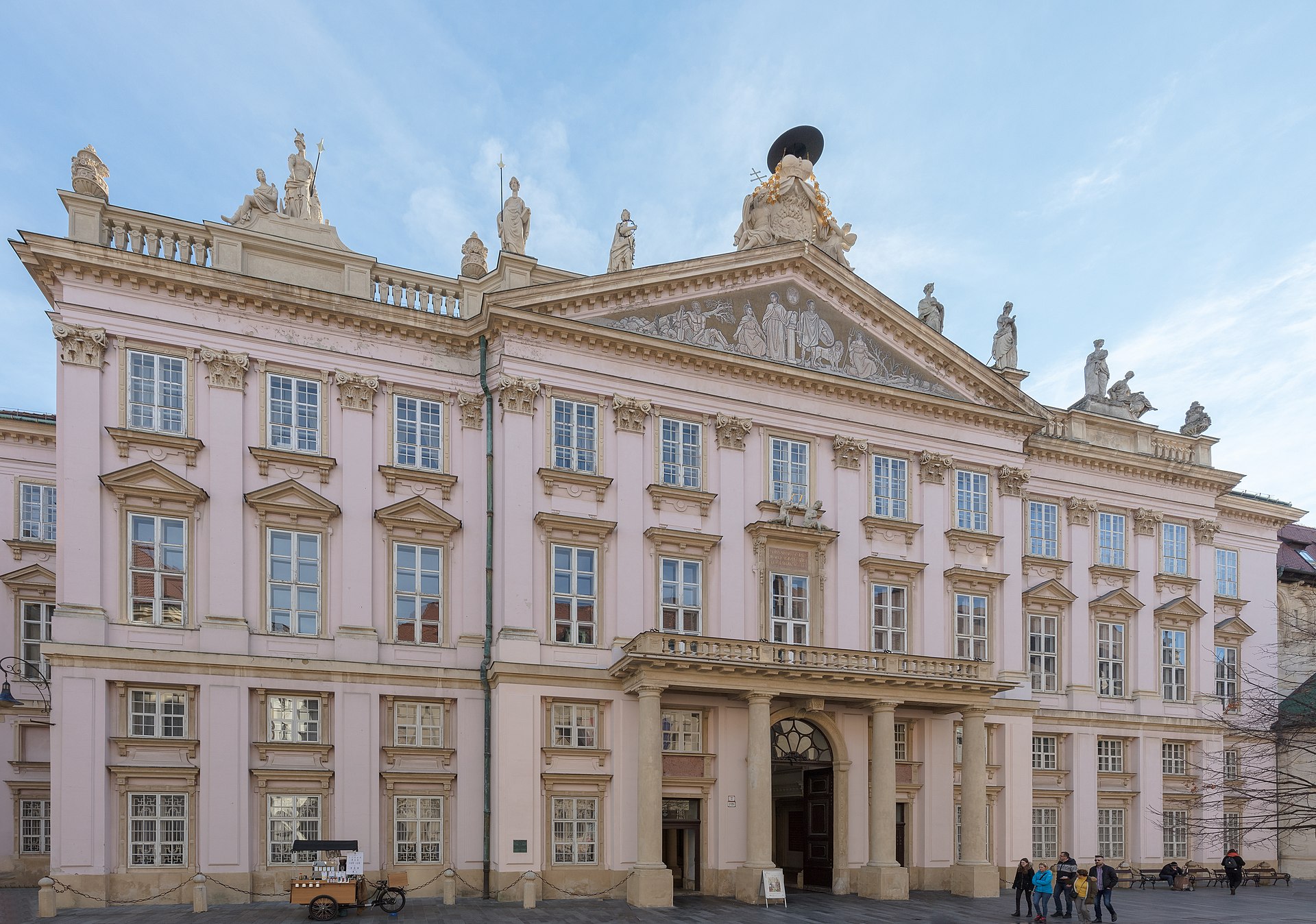
Primacial Palace
POINeoclassical palace where the Peace of Pressburg was signed in 1805, featuring a facade topped by a cast-iron cardinal's hat and a collection of 17th-century English tapestries.
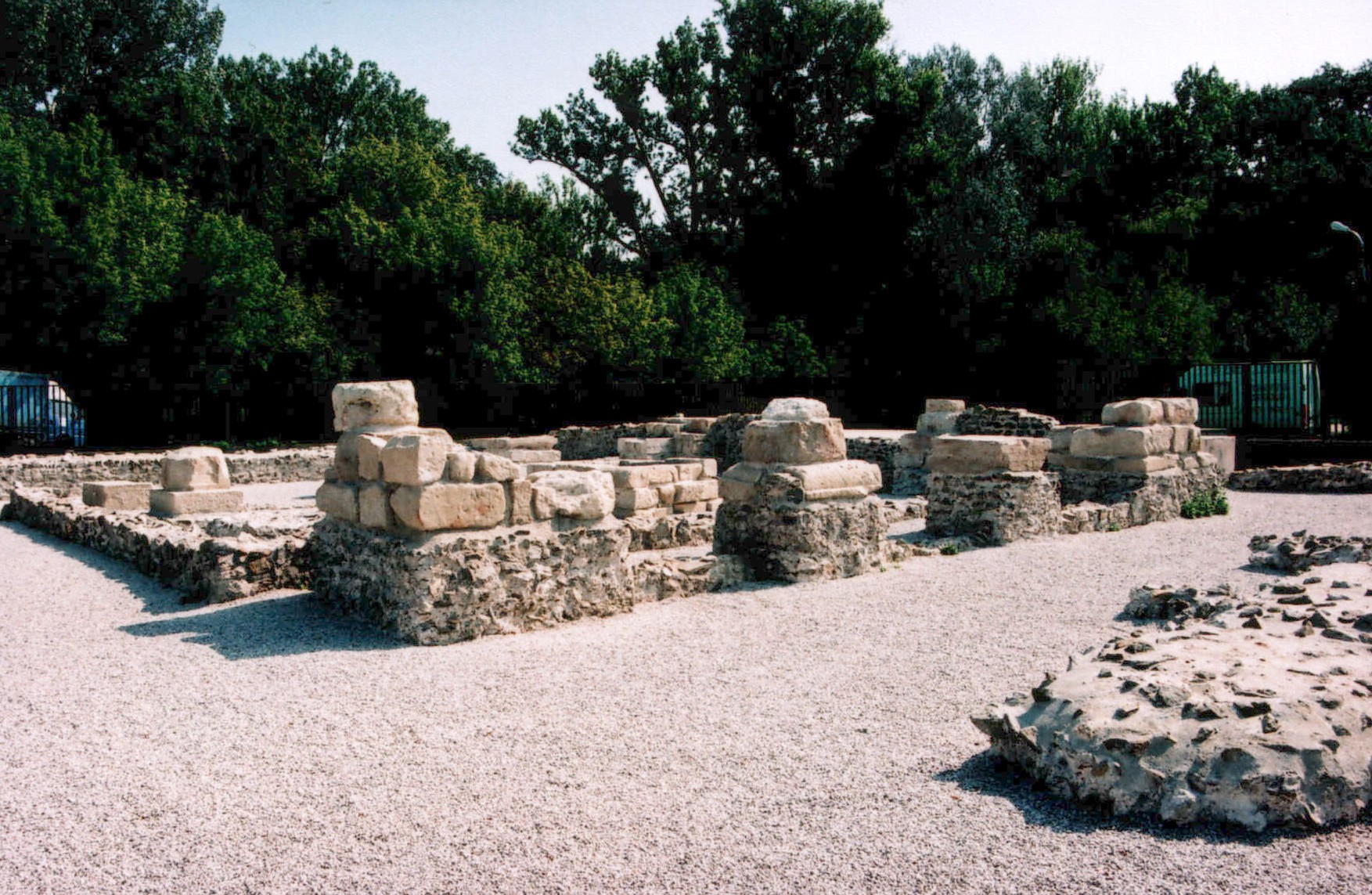
Gerulata
POIRoman frontier fort and archaeological site once serving as a military base for the Ala I Cannanefatium cavalry unit during the expansion of the Roman Empire.
Sources & Further Reading
- [1]Bratislava: Capital of Slovakia. Slovak Academic Press (2015)
- [2]A Concise History of Slovakia — Elena Mannová. Historický ústav SAV (2000)
- [3]The Slovak Republic: A Short History — Mikuláš Teich. Cambridge University Press (2011)