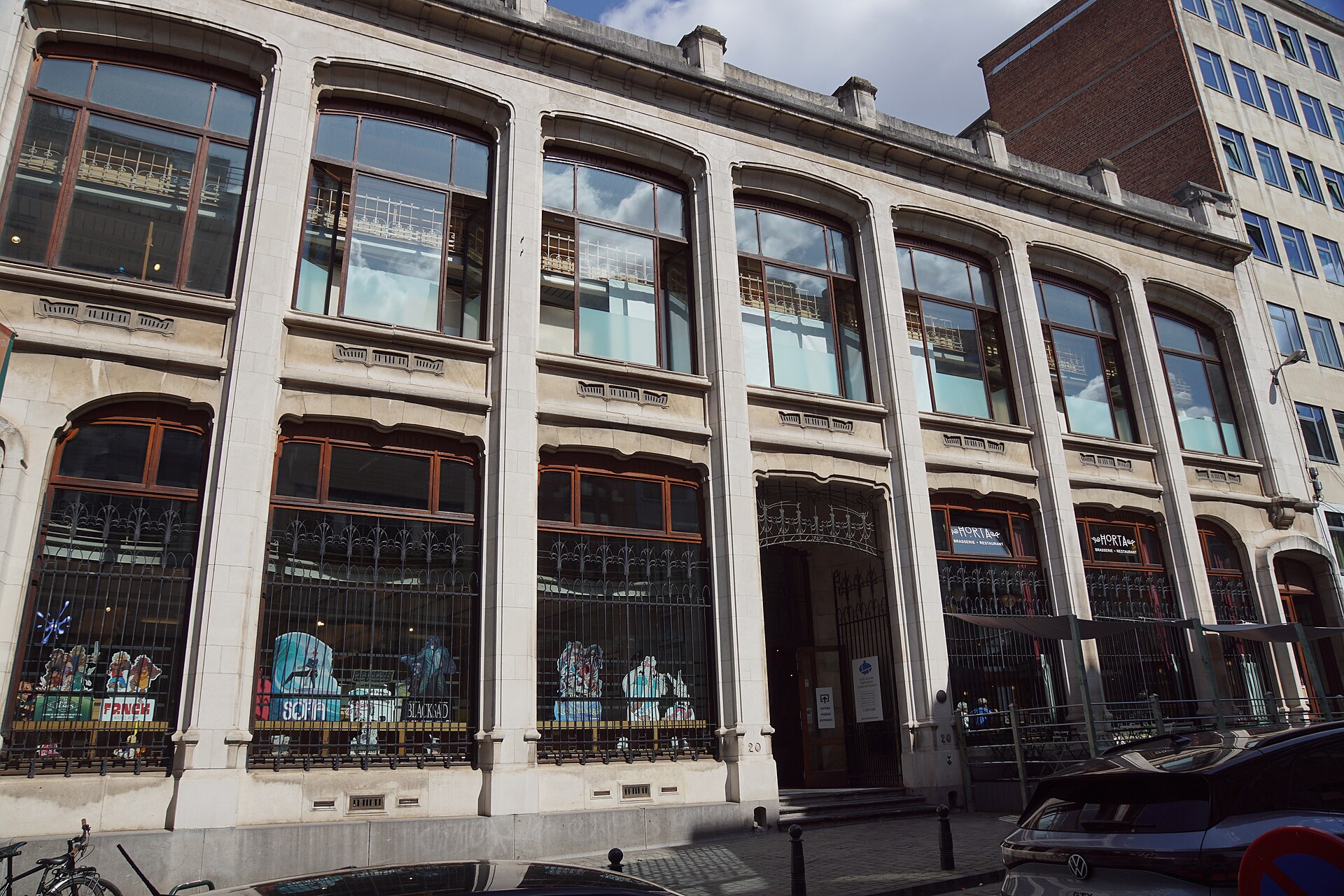
The Belgian Comic Strip Center (Centre Belge de la Bande Dessinée) is a museum dedicated to the history and art of the comic strip. Located in the heart of Brussels, it is housed in the former Waucquez department store, a landmark building designed by the renowned Art Nouveau architect Victor Horta in 1906. The museum serves as a bridge between the architectural heritage of the city and the cultural significance of the 'Ninth Art,' which holds a central place in Belgian identity.
The museum features a permanent collection that traces the evolution of the medium, from early pioneers like Hergé—creator of The Adventures of Tintin—to contemporary graphic novelists. Through original drawings, interactive displays, and thematic exhibitions, the center explores the technical and narrative development of comics, while the building itself remains a primary exhibit, showcasing Horta's innovative use of light, iron, and glass.
Key Facts
- Materials
- Iron, Glass, Stone
- Civilization
- Belgian
- Accessibility
- Fully wheelchair accessible
- Date(s)
- 1906
- Condition
- Well-preserved, active museum
- Original Function
- Department store (Waucquez)
- Key Figures
- Victor Horta, Hergé, Peyo
Architectural Origins
1906The building was commissioned by Charles Waucquez as a textile warehouse and department store. Designed by Victor Horta, it represents one of the finest examples of Art Nouveau commercial architecture, characterized by its grand central skylight and flowing, organic ironwork.
Decline and Abandonment
1970sFollowing the closure of the Waucquez store, the building fell into disrepair and faced the threat of demolition. It was eventually classified as a protected monument in 1975, ensuring its preservation for future adaptive reuse.
Transformation into a Museum
1989The Belgian Comic Strip Center opened its doors in 1989, successfully repurposing the historic structure to celebrate Belgium's unique contribution to global comic culture. The restoration carefully integrated modern museum facilities while respecting Horta's original design.
Cultural Significance
The museum highlights the unique status of the comic strip in Belgium, where it is regarded as a legitimate art form rather than mere entertainment. The institution plays a vital role in preserving the legacy of the 'Franco-Belgian' school of comics, which has influenced global graphic storytelling for decades.
By occupying a Victor Horta masterpiece, the museum reinforces the connection between Brussels' architectural history and its modern cultural output. It serves as a focal point for international enthusiasts and scholars of the medium, cementing Brussels' reputation as a global capital of comics.
Interpretive Notes
Scholarly debates and areas of uncertainty
There is ongoing academic discussion regarding the museum's role in canonizing specific styles of comics over others. Some critics argue that the focus on the 'Franco-Belgian' tradition may overshadow the contributions of experimental or non-European graphic narratives, prompting debates about the museum's curatorial scope.
Visiting Information
Entry Rules
Open Tuesday to Sunday, 10:00 to 18:00. Tickets can be purchased at the entrance or online. No specific dress code is required.
Best Times to Visit
Weekday mornings are generally quieter, allowing for a more focused viewing of the architectural details and exhibits. The museum is busiest during weekends and school holidays.
Photography
Personal photography is permitted for non-commercial use. Flash photography and tripods are prohibited to protect the original drawings and documents.
Preservation Notes
The building is a protected heritage site; visitors are requested to refrain from touching the ironwork or wall surfaces. Some areas may be subject to temporary closure during exhibition rotations.
Nearby POIs
11 shown- Cathedral of St. Michael and St. Gudula0.4 km
- Brussels City Museum0.7 km
- Brussels Town Hall0.8 km
- Mont des Arts0.9 km
- Musical Instruments Museum0.9 km
- BELvue Museum1 km
- Choco-Story Brussels1 km
- Palace of Justice of Brussels1 km
- Royal Palace of Brussels1 km
- Royal Museums of Fine Arts of Belgium1.1 km
- Church of Our Lady of Victories at the Sablon1.2 km
Sources & Further Reading
- [1]Victor Horta: The Architect of Art Nouveau — Françoise Aubry. Ludion (2005)
- [2]The Ninth Art: A History of Belgian Comics — Jean-Marie Embs. CBBD Publications (2014)
Key Facts
- Materials
- Iron, Glass, Stone
- Civilization
- Belgian
- Accessibility
- Fully wheelchair accessible
- Date(s)
- 1906
- Condition
- Well-preserved, active museum
- Original Function
- Department store (Waucquez)
- Key Figures
- Victor Horta, Hergé, Peyo
Nearby POIs
11 shown- Cathedral of St. Michael and St. Gudula0.4 km
- Brussels City Museum0.7 km
- Brussels Town Hall0.8 km
- Mont des Arts0.9 km
- Musical Instruments Museum0.9 km
- BELvue Museum1 km
- Choco-Story Brussels1 km
- Palace of Justice of Brussels1 km
- Royal Palace of Brussels1 km
- Royal Museums of Fine Arts of Belgium1.1 km
- Church of Our Lady of Victories at the Sablon1.2 km