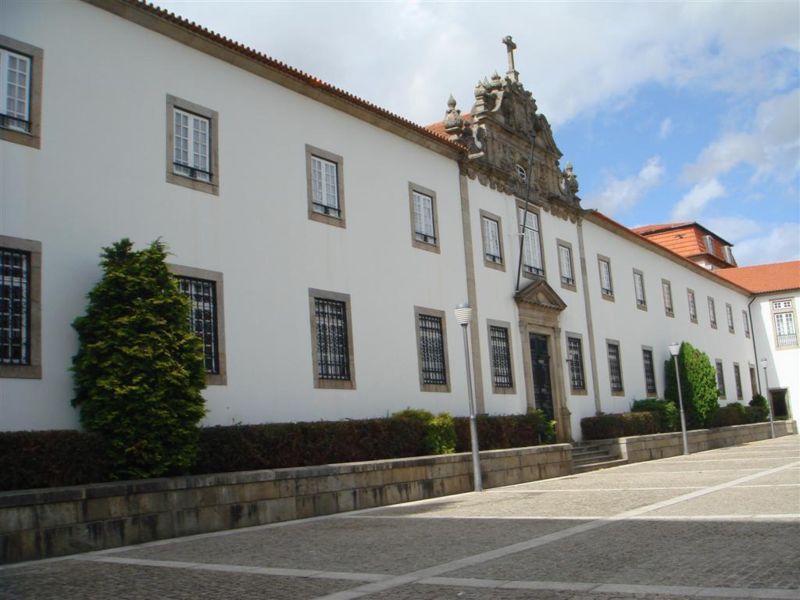
The Pius XII Museum, located in Braga, Portugal, is a significant cultural institution housed within the historic complex of the Paço Episcopal. The museum is renowned for its extensive archaeological collection, which provides a comprehensive overview of human settlement in the region from the Palaeolithic era through the Roman occupation and into the medieval period.
The museum is physically integrated with the remains of a Roman villa, allowing visitors to explore ancient domestic architecture alongside curated displays of artifacts. Its collection includes a diverse array of prehistoric stone implements, Neolithic tools, Bronze Age weaponry, and a notable assembly of Luso-Roman pottery, offering critical insights into the transition of local cultures under Roman influence.
Key Facts
- Materials
- Granite, Stone, Mortar
- Civilization
- Luso-Roman
- Accessibility
- Wheelchair accessible
- Date(s)
- 1957 (Museum establishment)
- Condition
- Well-preserved and active
- Original Function
- Archaeological museum and historical archive
- Key Figures
- Archbishop Eurico Nogueira
Foundation and Purpose
1957The museum was established in 1957 under the initiative of the Archdiocese of Braga to preserve the religious and archaeological heritage of the region, naming it in honor of Pope Pius XII.
Archaeological Integration
20th CenturyThe museum expanded its scope to incorporate the structural remains of a Roman villa discovered on the site, creating a unique environment where artifacts are displayed in their original historical context.
Modern Curation
21st CenturyRecent renovations have modernized the exhibition spaces, improving the display of the extensive prehistoric and Luso-Roman collections while maintaining the integrity of the medieval building structure.
Cultural Significance
The Pius XII Museum serves as a primary repository for the history of Braga, one of the oldest cities in Portugal. It plays a vital role in regional identity by bridging the gap between the city's prehistoric roots and its development as a major Roman administrative center, Bracara Augusta.
Interpretive Notes
Scholarly debates and areas of uncertainty
Discussions among local archaeologists often focus on the precise dating of the Roman villa foundations and the extent of the site's usage during the transition from the late Roman period to the Suebi kingdom.
Visiting Information
Entry Rules
Open Tuesday to Sunday. Tickets are required for entry. Visitors are expected to maintain a quiet demeanor appropriate for a museum and religious site.
Best Times to Visit
Weekday mornings are generally quieter, allowing for a more focused viewing of the archaeological displays.
Photography
Non-commercial photography is permitted without flash. Tripods and professional equipment require prior authorization from the museum administration.
Preservation Notes
Do not touch the artifacts or the exposed Roman masonry. Follow all signage regarding restricted areas within the villa ruins.
Nearby POIs
11 shownSources & Further Reading
- [1]
- [2]Bracara Augusta: Arqueologia e História — Martins, M.. Universidade do Minho (2015)
Key Facts
- Materials
- Granite, Stone, Mortar
- Civilization
- Luso-Roman
- Accessibility
- Wheelchair accessible
- Date(s)
- 1957 (Museum establishment)
- Condition
- Well-preserved and active
- Original Function
- Archaeological museum and historical archive
- Key Figures
- Archbishop Eurico Nogueira