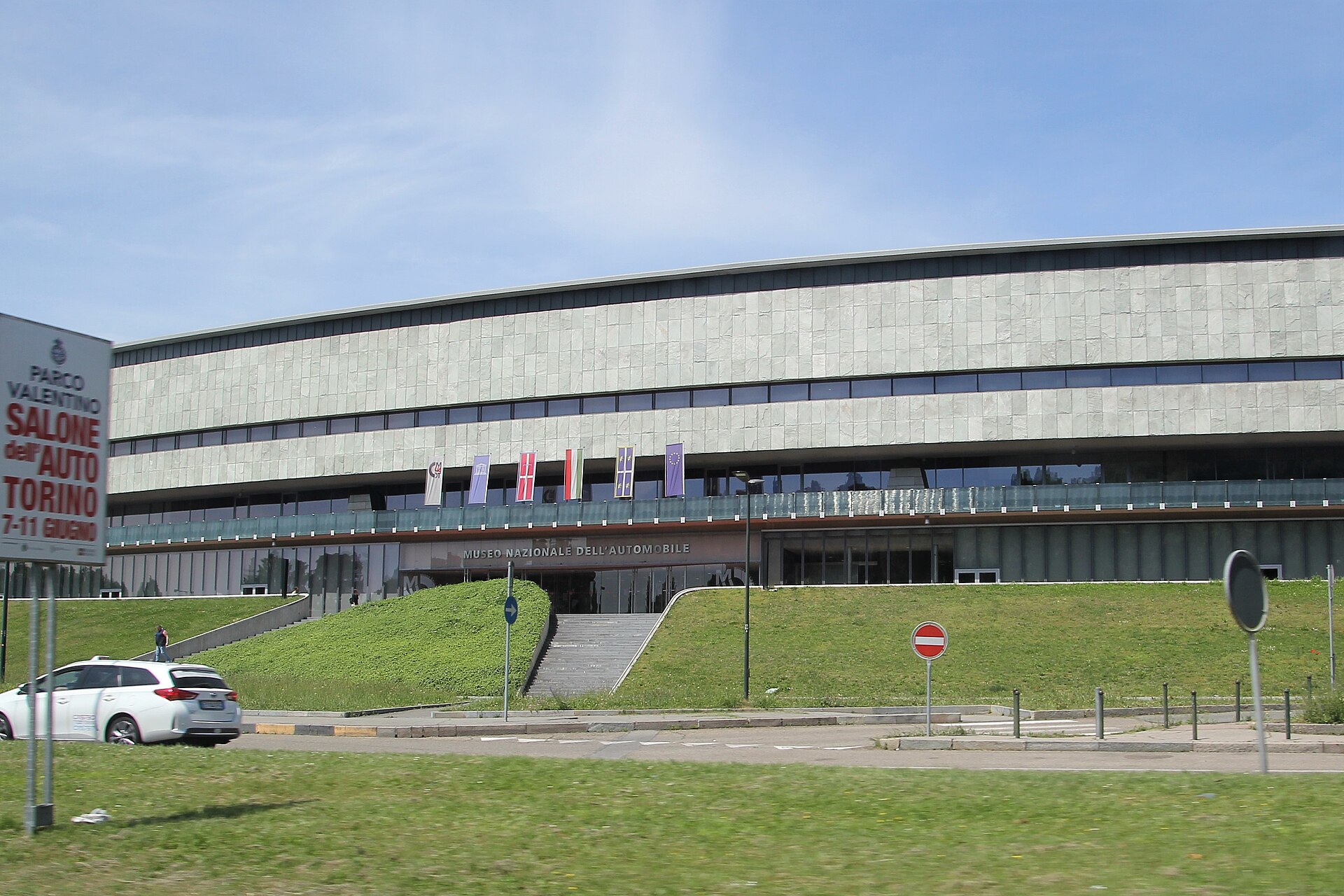
The Museo Nazionale dell'Automobile (MAUTO) in Turin, Italy, is one of the world's most significant automotive museums. Founded in 1933 by Cesare Goria Gatti and Roberto Biscaretti di Ruffia, the institution houses a collection of nearly 200 vehicles representing over 80 brands from eight different countries. The museum serves as a comprehensive archive of automotive history, tracing the evolution of the car from early steam-powered experiments to modern technological innovations.
The current facility, redesigned by architect Cino Zucchi and reopened in 2011, emphasizes the cultural and social impact of the automobile. The exhibition space is organized to highlight the intersection of industrial design, engineering, and human mobility, providing a narrative that extends beyond the technical specifications of the vehicles to their role in shaping contemporary society.
Key Facts
- Materials
- Steel, Glass, Concrete
- Civilization
- Italian
- Accessibility
- Fully wheelchair accessible
- Date(s)
- 1933 (original), 2011 (renovated)
- Condition
- Active, fully operational
- Original Function
- Automotive museum
- Key Figures
- Cesare Goria Gatti, Roberto Biscaretti di Ruffia, Cino Zucchi
Founding and Early Years
1933The museum was established in 1933 by two of the founders of the Automobile Club d'Italia, Cesare Goria Gatti and Roberto Biscaretti di Ruffia, to preserve the history of the Italian automotive industry.
Expansion and Relocation
1960In 1960, the museum moved to its current location on the banks of the Po River in a purpose-built structure designed by architect Amedeo Albertini.
Modernization
2011Following a major renovation project led by architect Cino Zucchi, the museum reopened in 2011 with a new layout that integrates multimedia displays and a focus on the cultural history of the automobile.
Cultural Significance
The museum is a cornerstone of Turin's identity as the historic capital of the Italian automotive industry. It documents the transition of the car from a luxury item for the elite to a mass-market tool that transformed urban planning and daily life in the 20th century.
Interpretive Notes
Scholarly debates and areas of uncertainty
Discussions within the museum community often center on the balance between preserving technical mechanical heritage versus presenting the automobile as a cultural and artistic object, particularly regarding the curation of 'design-led' versus 'engineering-led' exhibits.
Visiting Information
Entry Rules
Open Tuesday to Sunday. Tickets can be purchased online or at the entrance. Visitors are encouraged to check the official website for seasonal hours and special exhibition schedules.
Best Times to Visit
Weekday mornings are generally quieter, allowing for a more focused viewing of the exhibits.
Photography
Personal photography is permitted for non-commercial use. Tripods and flash photography are generally prohibited to protect the exhibits.
Preservation Notes
The museum maintains strict climate control to preserve the integrity of the vintage vehicle finishes and interior materials. Visitors are requested not to touch the vehicles.
Nearby POIs
11 shown- Pinacoteca Giovanni e Marella Agnelli0.6 km
- Borgo Medioevale2.1 km
- Chiesa di Santa Maria del Monte dei Cappuccini3.6 km
- Chiesa della Gran Madre di Dio4 km
- Villa della Regina4 km
- Museo Egizio4.2 km
- Palazzo Carignano4.2 km
- Museo Nazionale del Cinema4.4 km
- Palazzo Madama4.5 km
- Palazzo Reale di Torino4.7 km
- Museo d'Arte Orientale, MAO4.8 km
Sources & Further Reading
- [1]Museo Nazionale dell'Automobile: The History — MAUTO Editorial Staff. Museo Nazionale dell'Automobile Official Archive (2021)View
- [2]Turin and the Automobile Industry — Valerio Castronovo. Laterza (2006)
Key Facts
- Materials
- Steel, Glass, Concrete
- Civilization
- Italian
- Accessibility
- Fully wheelchair accessible
- Date(s)
- 1933 (original), 2011 (renovated)
- Condition
- Active, fully operational
- Original Function
- Automotive museum
- Key Figures
- Cesare Goria Gatti, Roberto Biscaretti di Ruffia, Cino Zucchi
Nearby POIs
11 shown- Pinacoteca Giovanni e Marella Agnelli0.6 km
- Borgo Medioevale2.1 km
- Chiesa di Santa Maria del Monte dei Cappuccini3.6 km
- Chiesa della Gran Madre di Dio4 km
- Villa della Regina4 km
- Museo Egizio4.2 km
- Palazzo Carignano4.2 km
- Museo Nazionale del Cinema4.4 km
- Palazzo Madama4.5 km
- Palazzo Reale di Torino4.7 km
- Museo d'Arte Orientale, MAO4.8 km