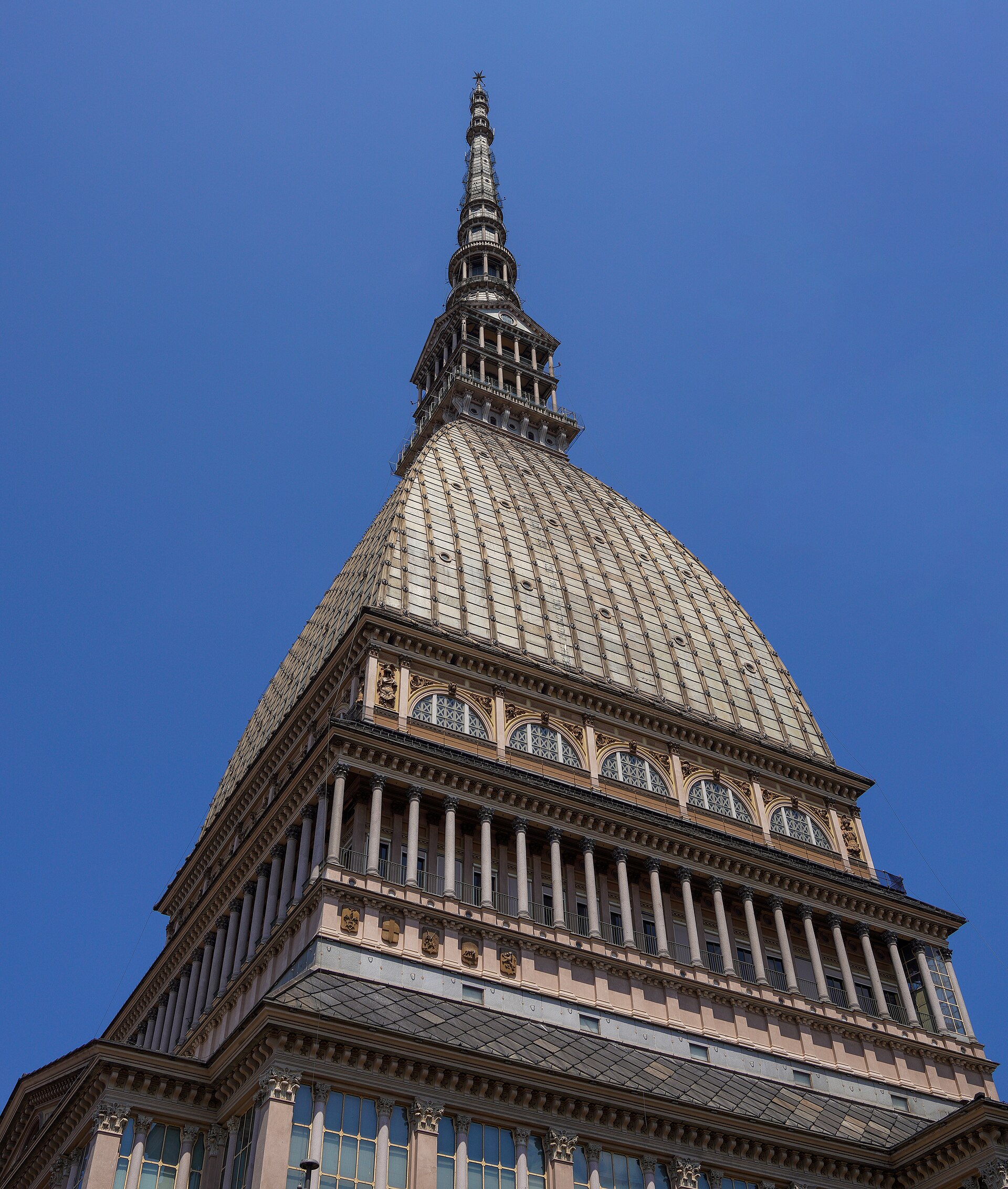
The National Museum of Cinema is located within the Mole Antonelliana, a landmark building in Turin originally designed as a synagogue. The museum offers an immersive exploration of the history of moving images, tracing the evolution of visual storytelling from early optical toys and shadow puppets to the development of modern film technology.
The collection is arranged in a vertical, spiraling layout that reflects the architecture of the Mole. It features an extensive array of pre-cinematographic devices, including magic lanterns and chronophotographic equipment, alongside iconic props, costumes, and memorabilia from the history of Italian and international cinema.
Key Facts
- Materials
- Steel, Glass, Stone
- Civilization
- Italian
- Accessibility
- Fully accessible with elevators to the panoramic terrace
- Date(s)
- 2000
- Condition
- Active
- Original Function
- Museum of Cinema
- Key Figures
- Maria Adriana Prolo, Alessandro Antonelli
Origins of the Collection
1941The museum's foundation is rooted in the private collection of Maria Adriana Prolo, who began gathering materials related to the history of Italian cinema in the early 1940s.
Establishment in the Mole
2000After several decades of searching for a permanent home, the museum was officially inaugurated in the Mole Antonelliana in 2000, following a major architectural redesign by François Confino.
Modern Expansion
21st CenturyThe museum has continued to expand its digital archives and temporary exhibition spaces, solidifying its role as a primary research center for film history and visual culture.
Cultural Significance
The museum serves as a vital repository for the history of Italian cinema, which is central to the cultural identity of Turin as the birthplace of the Italian film industry. It bridges the gap between scientific innovation in optics and the artistic development of narrative film.
Beyond its role as a historical archive, the museum acts as a hub for contemporary film festivals and educational programs, fostering a deep engagement with visual literacy among local and international visitors.
Interpretive Notes
Scholarly debates and areas of uncertainty
Discussions often center on the balance between the museum's role as a scientific archive of pre-cinematographic technology and its function as an entertainment-focused tourist attraction. Scholars debate the effectiveness of the 'theatrical' display style in conveying the technical nuances of early film history.
Visiting Information
Entry Rules
Open daily except Tuesdays. Tickets can be purchased online or at the entrance. The museum is located inside the Mole Antonelliana; visitors may also purchase combined tickets for the panoramic lift.
Best Times to Visit
Weekday mornings are generally quieter. The museum is a popular destination during the Turin Film Festival in November.
Photography
Personal photography is permitted without flash or tripods. Professional filming requires prior authorization from the museum administration.
Preservation Notes
Maintain a respectful distance from delicate optical instruments and historical costumes. Flash photography is strictly prohibited to protect light-sensitive artifacts.
Nearby POIs
11 shown- Palazzo Carignano0.5 km
- Palazzo Madama0.6 km
- Palazzo Reale di Torino0.7 km
- Museo Egizio0.7 km
- Chiesa della Gran Madre di Dio0.9 km
- Porta Palatina0.9 km
- Chiesa di Santa Maria del Monte dei Cappuccini1.1 km
- Museo d'Arte Orientale, MAO1.2 km
- Villa della Regina1.7 km
- Borgo Medioevale2.4 km
- Museo Nazionale dell'Automobile4.4 km
Sources & Further Reading
- [1]Museo Nazionale del Cinema: History and Collections — Maria Adriana Prolo. Fondazione Maria Adriana Prolo (2000)View
- [2]The Mole Antonelliana: A History of Turin's Landmark — Alessandro Antonelli. Torino Architectural Press (2015)
Key Facts
- Materials
- Steel, Glass, Stone
- Civilization
- Italian
- Accessibility
- Fully accessible with elevators to the panoramic terrace
- Date(s)
- 2000
- Condition
- Active
- Original Function
- Museum of Cinema
- Key Figures
- Maria Adriana Prolo, Alessandro Antonelli
Nearby POIs
11 shown- Palazzo Carignano0.5 km
- Palazzo Madama0.6 km
- Palazzo Reale di Torino0.7 km
- Museo Egizio0.7 km
- Chiesa della Gran Madre di Dio0.9 km
- Porta Palatina0.9 km
- Chiesa di Santa Maria del Monte dei Cappuccini1.1 km
- Museo d'Arte Orientale, MAO1.2 km
- Villa della Regina1.7 km
- Borgo Medioevale2.4 km
- Museo Nazionale dell'Automobile4.4 km