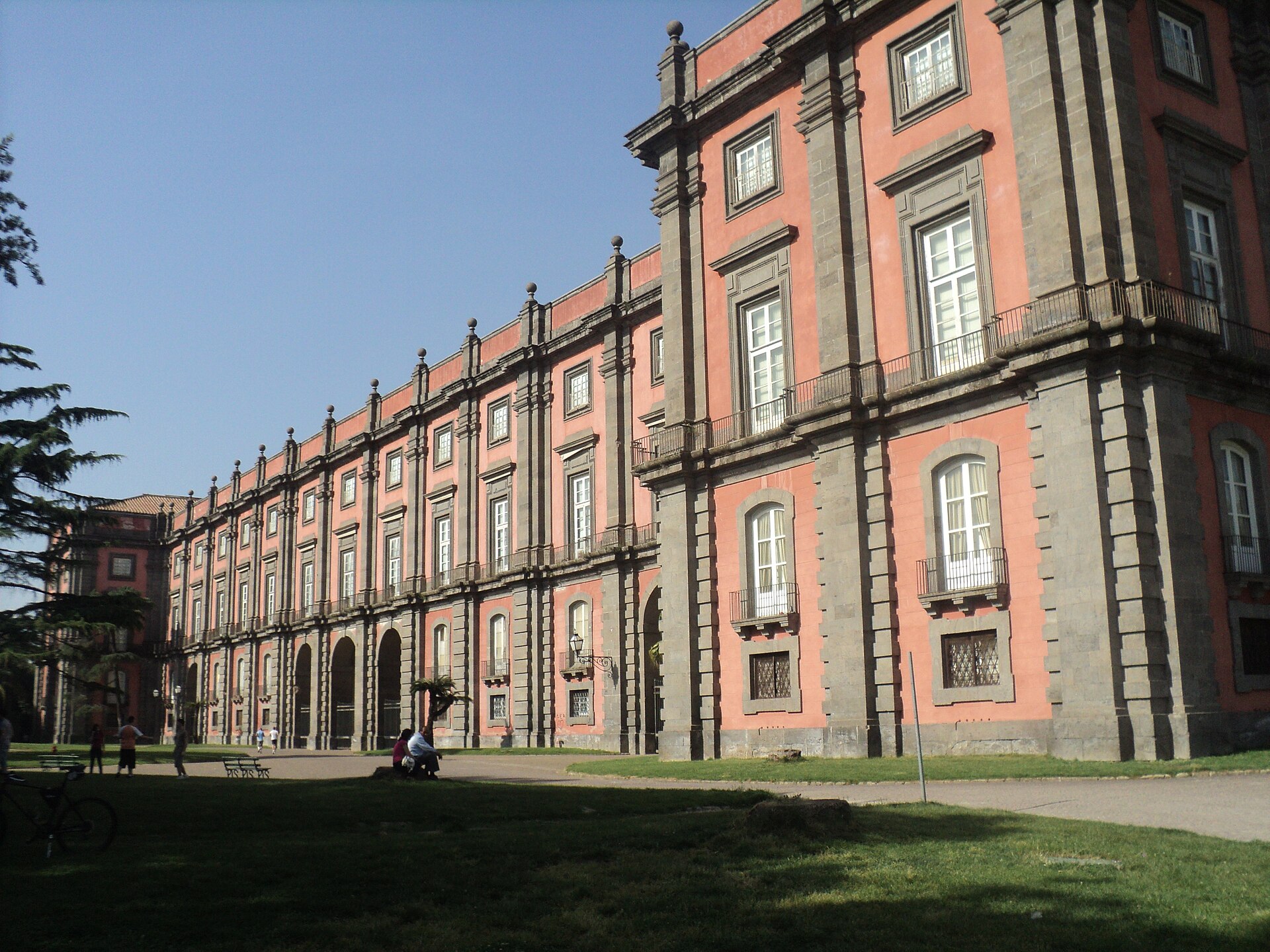
The Museo di Capodimonte is a major art museum located within the expansive Capodimonte Park in Naples, Italy. Housed in a grand Bourbon palace originally commissioned by King Charles VII of Naples in 1738, the museum serves as the primary repository for Neapolitan painting and decorative arts, spanning from the 13th to the 18th centuries.
The collection is particularly renowned for its extensive holdings of Renaissance and Baroque masterpieces, including works by Titian, Caravaggio, and Artemisia Gentileschi. Beyond its painting galleries, the museum preserves the historic royal apartments and an exceptional collection of Capodimonte porcelain, reflecting the site's origins as both a royal residence and a center for artistic production.
Key Facts
- Materials
- Stone, Brick, Stucco, Marble
- Civilization
- Bourbon Kingdom of the Two Sicilies
- Accessibility
- Wheelchair accessible with elevator access to upper floors
- Date(s)
- 1738-1838
- Condition
- Well-preserved, active museum
- Original Function
- Royal Palace and hunting lodge
- Key Figures
- King Charles VII, Ferdinand IV, Giovanni Antonio Medrano
Royal Origins
1738King Charles VII of Naples commissioned the palace to house the vast Farnese art collection inherited from his mother, Elisabetta Farnese. The site was chosen for its elevated position and proximity to the royal hunting grounds.
Expansion and Development
18th-19th centuryConstruction continued over several decades, with the palace serving as a residence for the Bourbon monarchs. During the Napoleonic occupation, the collection was moved, but it was returned and reorganized following the Bourbon Restoration.
Establishment as a Museum
1957The building was officially inaugurated as a public museum in 1957. This transition consolidated various regional collections, establishing Capodimonte as the definitive institution for the study and preservation of Neapolitan art history.
Cultural Significance
The museum is central to the cultural identity of Naples, acting as the guardian of the city's artistic heritage. It documents the transition of Naples from a Spanish-influenced viceroyalty to a sovereign Bourbon capital, showcasing the patronage that defined the city's golden age of art.
It also plays a vital role in the preservation of the Capodimonte porcelain tradition, a craft established by the royal factory on the grounds in the 18th century, which remains a symbol of Italian decorative excellence.
Interpretive Notes
Scholarly debates and areas of uncertainty
Debates often center on the attribution of specific works within the Farnese collection and the ongoing efforts to balance the museum's role as a historic royal residence with the requirements of a modern, high-traffic art gallery.
Visiting Information
Entry Rules
Open daily except Wednesdays. Tickets can be purchased online or at the entrance. Visitors are required to leave large bags in the cloakroom.
Best Times to Visit
Weekday mornings are recommended to avoid weekend crowds. Spring and autumn offer the best weather for exploring the surrounding park.
Photography
Personal photography is permitted without flash or tripods. Commercial photography requires prior authorization from the museum administration.
Preservation Notes
Maintain a safe distance from all artworks. Flash photography is strictly prohibited to prevent light damage to pigments. Do not touch any surfaces or display cases.
Nearby POIs
11 shown- Catacombs of San Gennaro0.4 km
- Museo Archeologico Nazionale di Napoli1.5 km
- Cattedrale di Santa Maria Assunta1.8 km
- Cappella Sansevero2 km
- Chiesa di Gesu Nuovo2.2 km
- Basilica di Santa Chiara2.3 km
- Castel Sant'Elmo2.8 km
- Museo Nazionale di San Martino2.8 km
- Castel Nuovo3.2 km
- Naples Underground Geothermal Zone3.3 km
- Palazzo Reale di Napoli3.4 km
Sources & Further Reading
- [1]The Museo di Capodimonte: A Guide — Nicola Spinosa. Electa (2003)
- [2]Naples and the Bourbon Court — John A. Davis. Oxford University Press (2012)
Key Facts
- Materials
- Stone, Brick, Stucco, Marble
- Civilization
- Bourbon Kingdom of the Two Sicilies
- Accessibility
- Wheelchair accessible with elevator access to upper floors
- Date(s)
- 1738-1838
- Condition
- Well-preserved, active museum
- Original Function
- Royal Palace and hunting lodge
- Key Figures
- King Charles VII, Ferdinand IV, Giovanni Antonio Medrano
Nearby POIs
11 shown- Catacombs of San Gennaro0.4 km
- Museo Archeologico Nazionale di Napoli1.5 km
- Cattedrale di Santa Maria Assunta1.8 km
- Cappella Sansevero2 km
- Chiesa di Gesu Nuovo2.2 km
- Basilica di Santa Chiara2.3 km
- Castel Sant'Elmo2.8 km
- Museo Nazionale di San Martino2.8 km
- Castel Nuovo3.2 km
- Naples Underground Geothermal Zone3.3 km
- Palazzo Reale di Napoli3.4 km